
Nomad in Arabian Peninsula

アラビア沙漠(Arabian Desert)
昔は単にアラビアとして知られ、シリア沙漠以南の茫々たる土地でアラビア半島(アラビア沙漠)とも呼ばれていました。
In the olden days, this peninsula was simply known as Arabia, and it was also called Arabian Desert. It had been a hidden and immense peninsula spreading south of the Syrian Desert.
アラビア半島は太古にはアフリカ大陸の一部で、大地溝帯によって分離されてアジア大陸と接近し、その大地溝帯で発祥した人類がユーラシア大陸へ渡る架け橋でもありました。
The Arabian Peninsula was a part of the African continent until the Oligocene Epoch of the Cenozoic Era., and separated by the Great Rift Valley at approximately 25 million years ago and gradually approached to the Asian Continent. It had also played a role as the bridge from which humans, originated in the Great Rift Valley, had immigrated through this peninsula to the Eurasian Continent.
古代オリエントやエジプト文明の後背地であったし、独自のサイハド文明も生まれ、騎馬文明が最も早く存在していた事を示す遺跡も発掘されています。
It has been the hinterland of the Ancient Orient and the Ancient Egypt, and also its own Ṣayhadic civilization (the Old South Arabian civilization) was born. Aside from this, the archaeological site of the Maqar Civilization shows that the earliest domestication of horses existed in the Neolithic period.
今は沙漠であっても遠い昔、特に氷河時代の前の鮮新世後期と更新世初期には豊かな緑に被われていて、その痕跡も沙漠の中にたくさん残っています。
In spite of the impression of the Desert Peninsula today, it had been covered with the abundant greenery, especially in late Pliocene and early Pleistocene. It was before the Ice Age and there are many such traces remaining in the deserts.
このアラビア半島を知るための旅を「アラビア半島を旅する」と題して「大地の脈動」、「変化に富む自然」、「太古から近代までの歴史」、「 イスラーム後の半島を旅する」、「半島諸国の成り立ち」、「多様な部族(アラブ族)」、「絶対君主制を基本とする国家」、「石油依存経済からの脱却と産業基盤整備」、「伝統を守りつつ進める教育と文化」に分けてみました。
This travel to get the knowing of the Arabian Peninsula is entitled “Nomad in Arabian Peninsula”. It is described in the following 9 chapters; “Pulsation of Earth”, ” Diversity of Nature “, “History from Ancient to Modern”, “Travel the peninsula after the birth of Islam”, ” Origin of Current Peninsula Nations”, “Various Arabic Tribes”, ” Absolute Monarchy System”, ” From Oil Dependence to Industrialization “, and ” Education and Culture that develop while preserving Tradition”.
このホームページは、2024年10月16日に第8部の先行部分が追加できましたので、次の8部で構成されます。
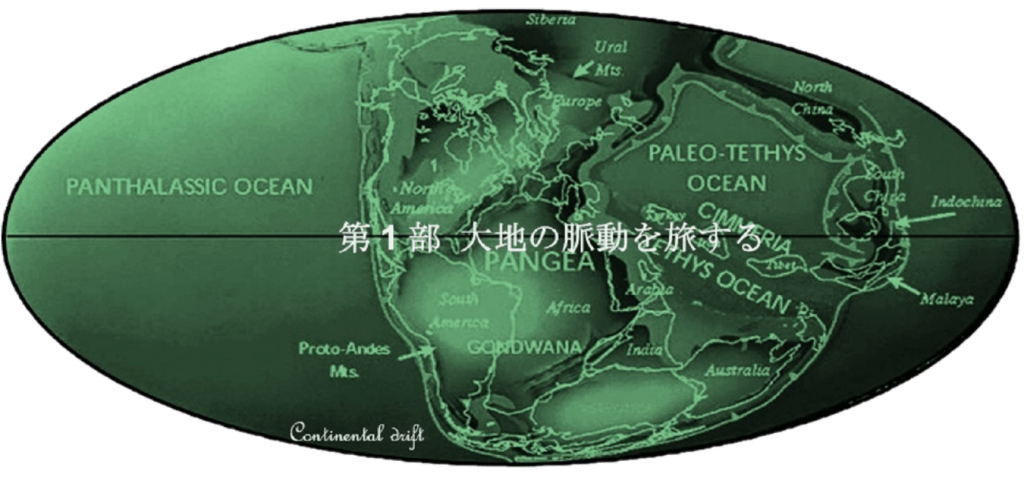
第1部:「沙漠の発祥、涸れ谷および砂丘地帯の紹介」の「第1部 大地の脈動を旅する」。
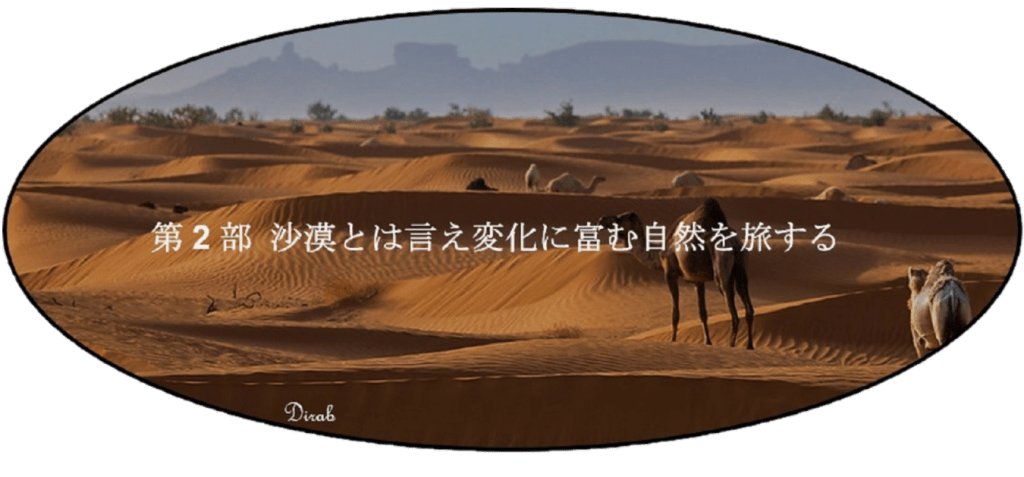
第2部:「気候、自然環境、植生、動物、人々の活動、環境保護、保護地域」に関する「第2部変化に富む自然を旅する」。
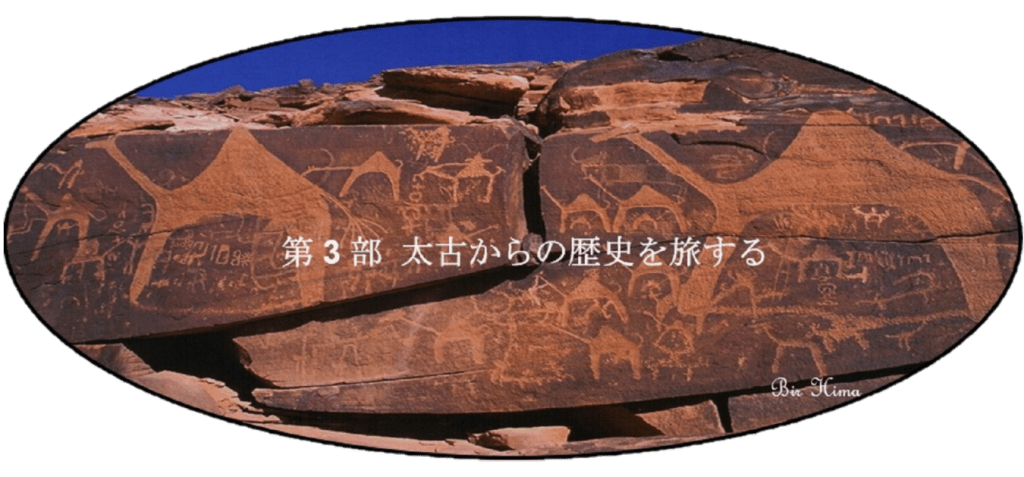
第3部:「旧石器時代、新石器時代、銅石・青銅器から鉄器時代からジャーヒリーヤ時代までアラビア半島における歴史]に関する「第3部太古からの歴史を旅する」。
第4部:「ハンマドが神の啓示を受け、イスラーム伝道を始めて、イスラーム共同体(ウンマ)事実上のイスラーム帝国を樹立してからオスマン帝国の支配の弱まってきた近代以前の大航海時代まで」に関する「第4部 イスラーム後の半島を旅する」。
第5部: 主としての大航海時代以降の現代までの半島各国の近代史・現代史を概括した「第5部 半島諸国の成り立ちを旅する」
第6部: アラブ族と呼ばれるこの半島の多様な部族を系譜に沿って分類し、概要を記述した「第6部 多様な部族(アラブ族)出生を旅する」
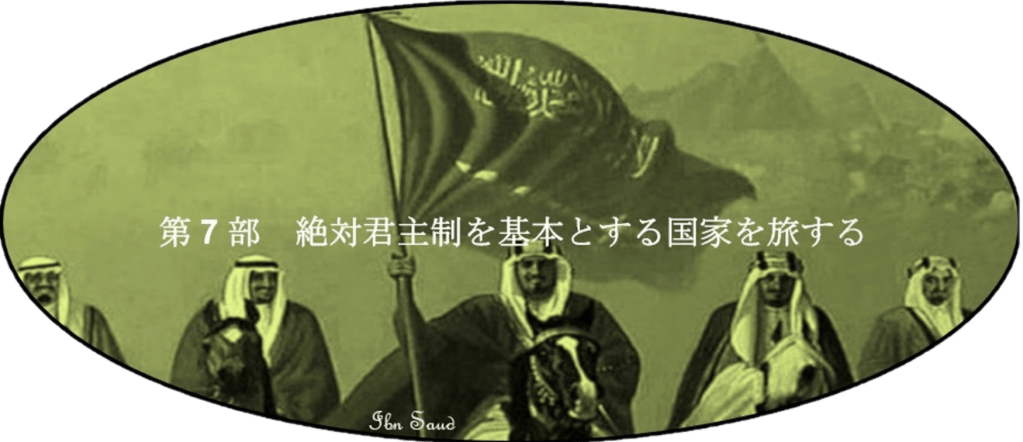
第7部: アラビア半島七ヵ国の住民、居住地や人口集中地、行政区画を説明し、現状眺めた上で、国家基本法を中心に政治体制を総括し、さらには、改めてアラビア半島七ヵ国を概観して、現在、各国が抱える社会問題について触れた「第7部 絶対君主制を基本とする国家を旅する」
「第8部:石油依存経済からの脱却と産業基盤整備」に関しては、内戦中のイエメンを除き、サウジ構想2030、UAE構想、オマーン構想2040、カタール国家構想2030、クウェイト構想2035、バハレイン構想2030と各国毎に長期国家計画で有ることが分かりました。この為、「50 石油依存経済からの脱却(50 Transition from Oil Dependence)」を新たに設けて、編集し直した「51 原油・ガス産業(石油・天然ガス)(51 Crude oil and gas industry (oil and natural gas) )」と共に他の章に先行して掲載する事としました。
前回は、「52 その他の地下資源 (52. Other Underground Resources)」及び「53 産業都市と基盤整備 (53. Industrial City and Infrastructure Development)」を掲載しました。この二つの分野は、「石油依存経済からの脱却 (Transition from Oil Dependence)」の大きな鑰となる国内非石油鉱工業育成として湾岸諸国が特に力を入れています。金属鉱業は、アラビア半島西岸に偏在している為、「53 産業都市と基盤整備 (53. Industrial City and Infrastructure Development)」に各国とも最も力を入れています。
今回は、第54章 水資源と発電」を本ホームページに掲載しました。本章では、沙漠気候、人口増加、工業化にもかかわらず、急速に増加する需要が、アラビア半島7カ国にとって水と電力をいかに重要な産業へと変貌させたかを考察しているため、調査には予想外に時間がかかりました。この変遷を理解することは、この地域が今日果たしている戦略的役割を理解する鍵となるでしょう。
第8部残りの章と第9部は、順次追加して行きますので、ご理解ください。
Preceding two chapters of Parts 8 were added to this homepage by October 16, 2024, then this homepage consists of following eight parts.
Part 1: “Traveling through the Pulsations of the Earth” on ” Origin of Desert”, “Wadi Valleys” and “Dunes “.
Part 2: “Traveling through Changing Nature” on ” Climate, Natural Environment, Vegetation, Animals, People’s Activities, Environmental Protection, and Reserved areas “.
Part 3: “History from Ancient to Modern” on “the histories from the Neolithic Age, Chalcolithic Age, Bronze & Iron Ages to the Jahiliyah period”.
Part 4: “History from Muhammad receiving God revelation and beginning his mission to Islam and establishing the Islamic Community (Ummah) de facto Islamic Empire to the Age of Exploration before the modern period. (It was the age when the rule of Ottoman Empire was weakening.)”
Part 5: “Part 5: Origin of Current Peninsula Nations” which summarizes modern and contemporary history of Peninsula countries from Age of Discovery to Present day.
Part 6: “Part 6: Part 6 Various Arabic Tribes ” classifies diverse tribes of this peninsula called Arabs according to their genealogy and gives each overview.
Part 7: “Part 7 Absolute Monarchy System” explains resident people, residential places, population centers, administrative divisions, etc., of Seven countries of Arabian Peninsula. Then Part 7 looks at Current state of their reigns, and then summarizes Political system with a focus on Basic Law of State. And finally, it gives again overview of each country and then touch on social problems.
Regarding “Part 8: Transition from Oil Dependence to Industrialization,” I found that, except for Yemen, which is currently in midst of a civil war, each country has a long-term national plan, such as Saudi Vision 2030, UAE Vision 2021, Oman Vision 2040, Qatar National Vision 2030, Kuwait Vision 2035, and Bahrain Vision 2030. For this reason, I have decided to create a new chapter, “50 Transition from Oil Dependence,” and publish it ahead of other chapters along with Re-edited “51 Crude oil and gas industry (oil and natural gas).” Please note that remaining chapters of Part 8, and Part 9 will be added sequentially.
Regarding “Part 8: Transition from Oil Dependence to Industrialization,” I found that, except for Yemen, which is currently in midst of a civil war, each country has a long-term national plan, such as Saudi Vision 2030, UAE Vision 2021, Oman Vision 2040, Qatar National Vision 2030, Kuwait Vision 2035, and Bahrain Vision 2030. For this reason, I have decided to create a new chapter, “50 Transition from Oil Dependence,” and publish it ahead of other chapters along with Re-edited “51 Crude oil and gas industry (oil and natural gas).”
The last time, I have included “52. Other Underground Resources” and “53. Industrial City and Infrastructure Development.” These two areas are particularly emphasized by Gulf countries as they are looking to develop domestic non-oil mining and manufacturing industries, which are key to “Transition from Oil Dependence.” Since Metal mining is concentrated on Western Arabian Peninsula, all of GCC countries are putting significant effort into “53. Industrial City and Infrastructure Development”. Please note that remaining chapters of Part 8, and Part 9 will be added sequentially.
This time, Chapter 54 Water Production / Electric Generation” has now been posted on this homepage. This research took unexpectedly long, as the chapter explores how rapidly growing demand—despite desert climate conditions, population growth, and industrialization—has turned water and power into essential industries for 7 countries of Arabian Peninsula. Understanding this transformation can be key to grasping the strategic role this region plays today.”
冒頭のメニューに関しては各項目がそれぞれに各関連ページを表しております。(The menu at the page top, each item represents its own related page.)
| Cities, settlements and tribes of Peninsula | 半島の都市集落と部族 |
| Knowledge and experience to Peninsula | アラビア半島への知験 |
| List of Arabic transcriptions | アラビア語の転写 |
| Reference materials | 参考資料 |
| Index | 目次 |
| Post from Nomad in Arabian Peninsula | アラビア半島を旅する投稿 |
なお、本文の各ページには下の示した目次の各部の表題またはロゴをクリックして移動してください。
(Click either the title or the logo of each chapter shown below to select it and go to the respective text pages.)
目次(Index)


第9部 伝統を守りつつ進める教育・文化や生活改善を旅する(Education and Culture that develop while preserving Tradition)


 Desert peninsula