
Desert Kingdom Adummatu


目次(Index)
はじめに
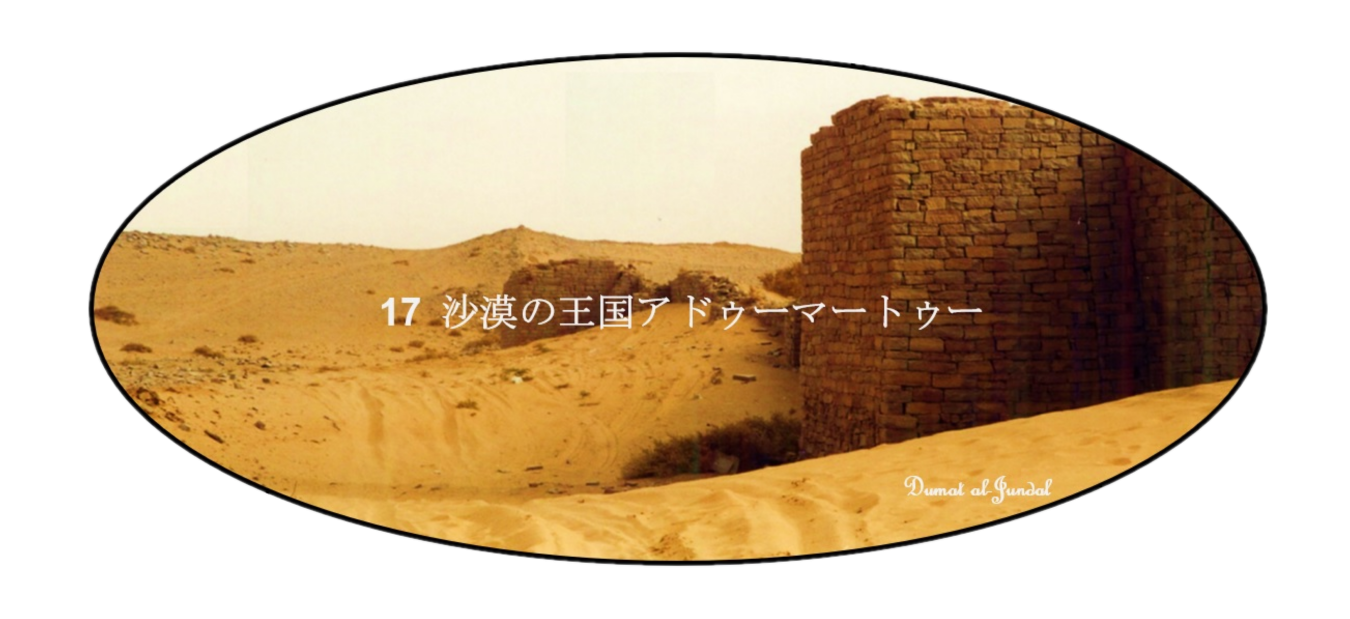
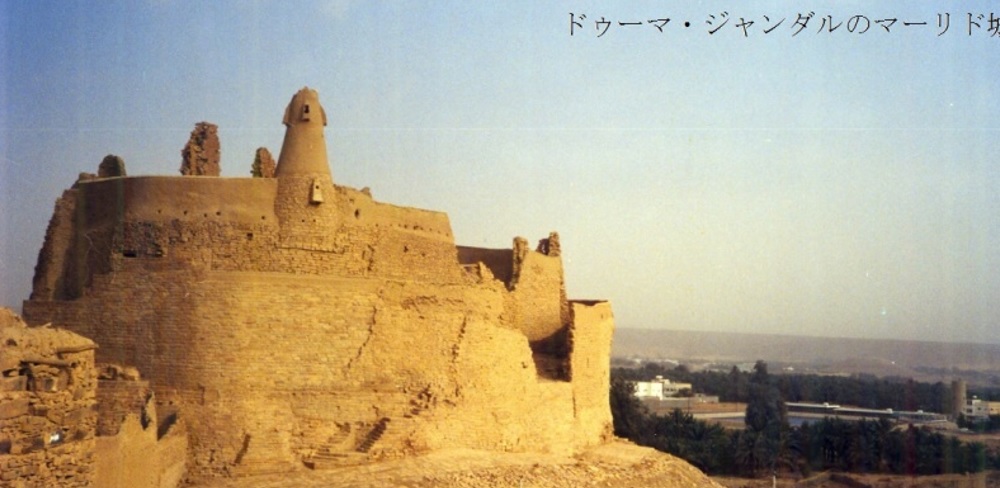
ドゥーマ・ジャンダルは紀元前8~7世紀にかけて半島北部の主要なアラブ居住地であり、アッシリアの年代記には「アラブ女王系譜が支配する沙漠の王国アドゥーマートゥーの首都である」と記録されています。アドゥーマートゥーとは「不毛沙漠の荒れ地の中心にあるアラブの砦」を意味し、遊牧アラブのケダール部族同盟の領地内にあるオアシスでした。パルミラと呼ばれたダマスカス南東を含む地域がケダールの生活圏であり、ケダール部族の各支族やケダールに従属していた他部族とそれらの支族が保有する遊牧地は、遠くナフード沙漠まで広がっていました。ドゥーマ・ジャンダルの住人はケダールの保護が無ければ、その隊商が沙漠を越えられなかったのでケダールに隷属していました。
Introduction
Dumat al-Jundal was a major Arab settlement in the northern part of the peninsula in the 8th and 7th centuries BC, and Assyrian chronicles record it as “the capital of Adummatu, a desert kingdom ruled by the Arab Queen lineage”. Adummatu means “Arab fort in the heart of a barren desert wasteland” and was an oasis within the territory of the nomadic Arab Qedar tribal alliance. The area southeast of Damascus, called Palmyrena, was the living area of Qedar, and the nomadic lands of each branch of the Qedar tribe and the other tribes subordinate to the Qedar and their branches extended as far away as the Nafud desert. The inhabitants of Dumat al-Jundal were subordinate to Qedar because without Qedar’s protection, their caravans could not cross the desert.
女王ザビーベ
アドゥーマートゥーのアラブ女王系譜は、ザビーベ、サムシー、ヤティーエ、テルフーヌーおよび王女タブアと連なり、ティグラト・ピレセル3世の年代記にザビーベが女王として最初に登場しています。ティグラト・ピレセル3世は新アッシリア帝国(934-609BC)で、「最も偉大な征服者」と呼ばれた王であり、アッシリアの王権を再び確立し、王朝の領土を2 倍以上に拡大したため、「最大の征服者」と呼ばれました。ティグラト ピレセル 3 世は、アッシリアの支配を半島北部までに広げた王であり、女王ザビーベは紀元前738年に同王に貢ぎ物を送っています。女王ザビーベは、ドゥーマ・ジャンダルを支配すると共に、このオアシスが貢ぎ物を支払っていたケダール族の最高位の巫女であり、ディルバト神に仕えていました。ディルバト神は古代中東では愛と美の女神イシュタールの名で広く知れ渡った偶像神です。この偶像神はドゥーマ・ジャンダルではアタールサマインの名で住人に崇拝され、他の女王達もこの神の巫女の役目を担っていました。
Queen Zabibe
The Arab Queen Genealogy of Adummatu is linked to Queen Zabibe (زبيبة), Queen Samsi (شمسي), Queen Yati’e (يتيع), Te’elkhunu (تيلخونو) and Princess Tabu’a (تبؤة). Zabibe appeared first on the chronicles of Tiglath-Pileser III (745BC – 727 BC) , as the queen. Tiglath-Pileser III was the king of the Neo-Assyrian Empire (934–609 BC) and called “the greatest conqueror” because he re-asserted Assyrian royal power once again and more than doubled the territory of the dynasty. Tiglath Pileser III also extended Assyrian rule to the northern peninsula, and Queen Zabibe paid tribute to him in 738 BC. Queen Zabibe ruled over Dumat al-Jundal and served the God Dilbat, as the highest priestess of the Qedar tribe to whom this oasis paid tribute. The God Dilbat was an idol god widely known in ancient Middle East under the name of Ishatar, the goddess of love and beauty. This idol god was worshipped by the inhabitants of Dumat al-Jundal under the name ‘Atarsamain, and the other queens also served as priestesses of this god.
女王サムシー
アッシリアの年代記に記録されたアラブの二番目の女王はサムシーです。女王サムシーは「アッシリアに煩わせず忠誠を守る」と云う彼女自身の誓いを破ったので、紀元前735年、ティグラト・ピレセル3世に成敗されました。ピレセル3世は女王支配下の二つの町を攻め落とし、女王の野営地を包囲しました。女王には王の要求に応じて降伏し、駱駝を貢ぎ物として支払う以外に助かる方法はありませんでした。「この時にアッシリアに攻め落とされた町々は、シリア南西部の熔岩台地ハウラーンの南に沿った隊商路にあり、女王サムシーに朝貢していた『耕作地と沙漠の境界地帯の集落』である。」と考えられます。
Queen Samsi
The second Arab queen recorded in the Assyrian chronicles was Samsi. Queen Samsi broke her own vow to “keep her allegiance without bothering the Assyrians” and was defeated by Tiglath-Pileser III in 735 BC. Pileser III captured the two towns under the Queen’s rule and besieged the Queen’s encampment. The Queen had no choice but to surrender at the king’s request, and payed her tribute of camels to him. The towns that were attacked by the Assyrians at this time were located on the caravan road along the southern part of Hawran, a rocky plateau in the southwestern Syria, and are thought to have been “settlements on the border between cultivated land and desert”. Those residents had paid tribute to Queen Samsi.
女王ヤティーエ
アラブの三番目の女王ヤティーエは、バビロニア王マルドゥク・アプラ・イディナ2世を援助してアッシリアに対抗し、弟のバスグヌに軍勢を付けて紀元前703年に援軍として送りました。その軍勢の大部分は「キシュの戦い」でセンナケリブ王のアッシリア軍によって制圧され捕虜となった者達でした。センナケリブ王は紀元前689年11月に服従しないバビロニアの都市を破壊し、その後は半島北部に目を向けました。センナケリブ王は紀元前688年にドゥーマ・ジャンダルに向け出兵し、このオアシスが攻撃を受けた最初の記録となりました。この時には第四番目のアラブ女王テルフーヌーがこのオアシスとその周辺を支配していました。バビロニアからアドゥーマートゥーの町の住人が必要とする穀物、衣服やその他の物資を運ぶ隊商交易も制していたので、女王テルフーヌーの威光はバビロニアの周辺にまで及んでいました。
Queen Yati’e
Yati’e, the third Arab queen, aided the Babylonian king Marduk-apal-iddina II (722BC – 710BC & 703BC – 702BC) II against the Assyria and sent her brother Basgunu with an army as reinforcements in 703 BC. Most of her army was captured by the Assyrian army of King Sennacherib (704 or 705BC – 681 BC) at the Battle of Kish (703 BC). King Sennacherib destroyed the disobedient Babylonian cities in November 689 BC and then turned his attention to the northern peninsula. King Sennacherib sent troops to Dumat al-Jundal in 688 BC, making this oasis the first recorded attack. At this time, the fourth Arab queen, Te’elkhunu, was ruling the oasis and its surroundings. She also controlled the caravan trade carrying grain, clothing and other supplies needed by the inhabitants of the town of Adummatu, so Queen Te’elkhunu’s prestige extended to the periphery of Babylonia.
王女タブア
アッシリア軍が近づいて来た時に女王とその同盟軍はバビロニアの西国境近くの沙漠に幕営していました。アッシリア軍は同盟軍に襲いかかり、同盟軍は激しく責め立てられ敗北し、たくさんの駱駝を失いました。女王は自分の天幕を捨て、アラブ同盟軍の指揮者ハザイルと共にアドゥーマートゥーの砦に逃げ戻りました。ハザイルはパルミラと呼ばれた半島北部を支配するケダール族首長で、女王テルフーヌーの庇護者であり、同盟者でもありました。女王テルフーヌーはハザイルを裏切り、アッシリアに降伏しました。センナケリブ王はドゥーマ・ジャンダルの全ての偶像神を女王テルフーヌーとその娘と共にニネヴェへと拉致しました。その娘がアラブの第五番目の女王となる王女タブアであり、同王女にはアッシリアの容認する方法で、アッシリアに忠実なアラブ女王と成る為の政治教育も含めた養育が施されました。
Princess Tabu’a
When the Assyrian army approached, the Queen and her allies were camped in the desert near the western border of Babylonia. The Assyrian army attacked the allied forces, which were violently repulsed and defeated, losing many camels. The Queen abandoned her tent and fled back to the fort of Adummatu with Khaza’il, the commander of the Arab Alliance. Khaza’il was the chief of the Qedar tribe who ruled the northern part of the peninsula called Palmyrene, and was a protector and ally of Queen Te’elkhunu. Queen Te’elkhunu betrayed Khaza’il and surrendered to Assyria. King Sennacherib took away all the idols of Dumat al-Jundal to Nineveh with Queen Te’elkhunu and her daughter. This daughter was Princess Tabu’a, the fifth Arab queen, and she was raised in a manner acceptable to the Assyrians, including political education to become an Arab queen loyal to the Assyrians.
ハザイル
ハザイルはセンナケリブ王の後継者エサルハドン王に65頭の駱駝の貢ぎ物を送り忠誠を誓いました。新アッシリア王国絶頂期を統治していた王は、寛容にもハザイルをケダール族の王としても認めました。エサルハドン王はケダール族偶像神達をハザイルに返却する前に修復を命じ、その際に「自分とアッシリア偶像神が上位にある」と彫り込ませました。王女タブアもアラブ支配の手段として女王の座に着かされました。
Khaza’il
Khaza’il sent tribute of 65 camels to King Esarhaddon (681 – 669BC), King Sennacherib’s successor, and pledged his allegiance. The king who ruled at the height of the Neo-Assyrian kingdom tolerated Khaza’il as king of the Qedars. King Esarhaddon ordered the restoration of the Qedar idol gods before they could be returned to Khaza’il, with the inscription “He and the Assyrian Idol God are superior to the Qedar idol gods.” Princess Tabu’a was also crowned queen as a means of Arab rule.
ウアイテ
紀元前675年にハザイルが死ぬと、息子のウアイテがエサルハドン王に1,000ミナエの金、1,000個の貴石および50頭の駱駝からなる多大な貢ぎ物を送り、見返りに後継の王に任じられました。ケダール族の民は、厳しい状況に対応しなければ成らなかったハザイルの後継者としてウアイテを認めずに反乱しました。アッシリアはその成り行きに非常に怒り、軍隊を派遣してその反乱を鎮圧し、首謀者のワフブを捕らえました。しかし、これはケダール族の蜂起の最後では無く、ウアイテ自身がアッシリアに他の反乱軍を率いて対抗し、エサルハドン王の善意のある対応や扱いにもかかわらず、沙漠の広大さを利用してアッシリア帝国の国境を襲っていました。エサルハドン王はウアイテの反乱を鎮圧してアラブの偶像神達を再び奪い、捕虜と共にアッシリアに持ち帰りました。ウアイテは一人で逃れ、アッシリアが追跡しても捕らえられないまで沙漠の奥深く逃げ込みました。王女タブアはアッシリアに対する忠誠を保って居たので、この遠征の間にアッシリアの軍隊がドゥーマ・ジャンダルに攻め込む事はありませんでした。しかしながら、その後もアッシリアとアラブの間の敵意が増々深まり、王女タブアの座は長くは続きませんでした。
Uaite’
After Khaza’il’s death in 675 BC, his son Uaite’ sent a great tribute to King Esarhaddon consisting of 1,000 minae of gold, 1,000 precious stones, and 50 camels, and in return he was appointed as his successor. The Kedhar people revolted without recognizing Uaite’, who had to deal with the difficult situation, as the successor to Khaza’il. Assyria was so enraged by the turn of events that they sent troops to put down the rebellion and capture the ringleader, Wahb. However, this was not the end of the Qedar uprisings, and Uaite himself led other rebel armies against the Assyrians, taking advantage of the vastness of the desert to attack the Assyrian borders, despite the well-intentioned response and treatment of King Esarhaddon. King Esarhaddon suppressed the rebellion of Uaite, recaptured the Arab idols, and brought them back to Assyria with his captives. Uaite fled alone so deep into the desert that the Assyrians cannot captured him, even if they try to pursue him. Princess Tabu’a remained loyal to the Assyrians, so that no Assyrian army would invade Dumat al-Jundal during this expedition. However, hostility between the Assyrians and the Arabs deepened after that, and the position of Princess Tabu’a did not last long.
さらに詳しくは「アドゥーマートゥーと五人の女王」をご参照ください。
For more information, please refer to “Five Queens of Adumatu”
 Desert peninsula