Kingdoms of the Dedanites and Lihyanites


目次(Index)
はじめに
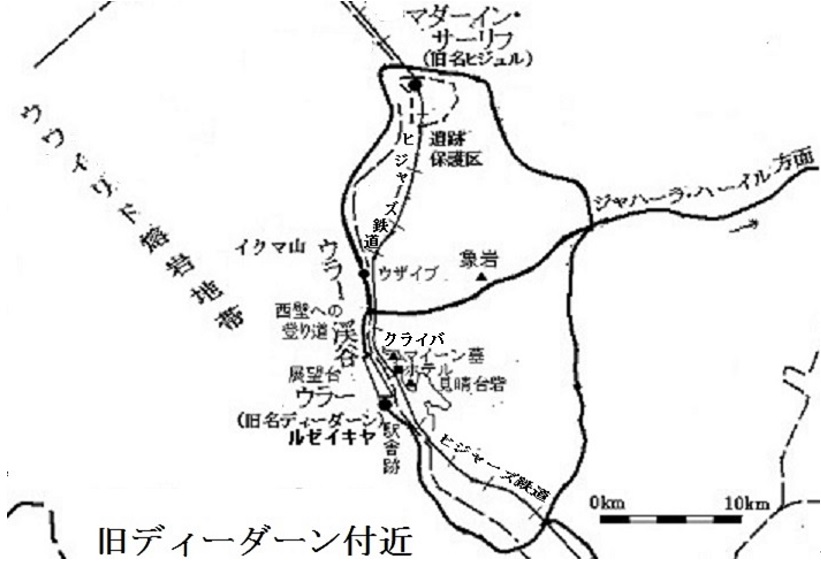
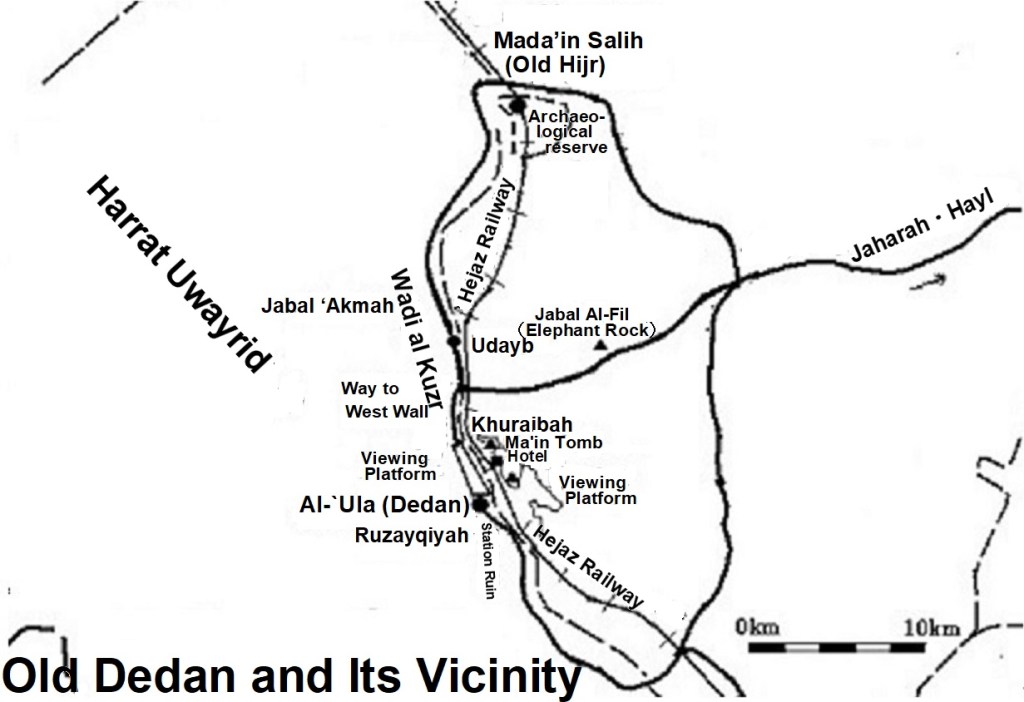
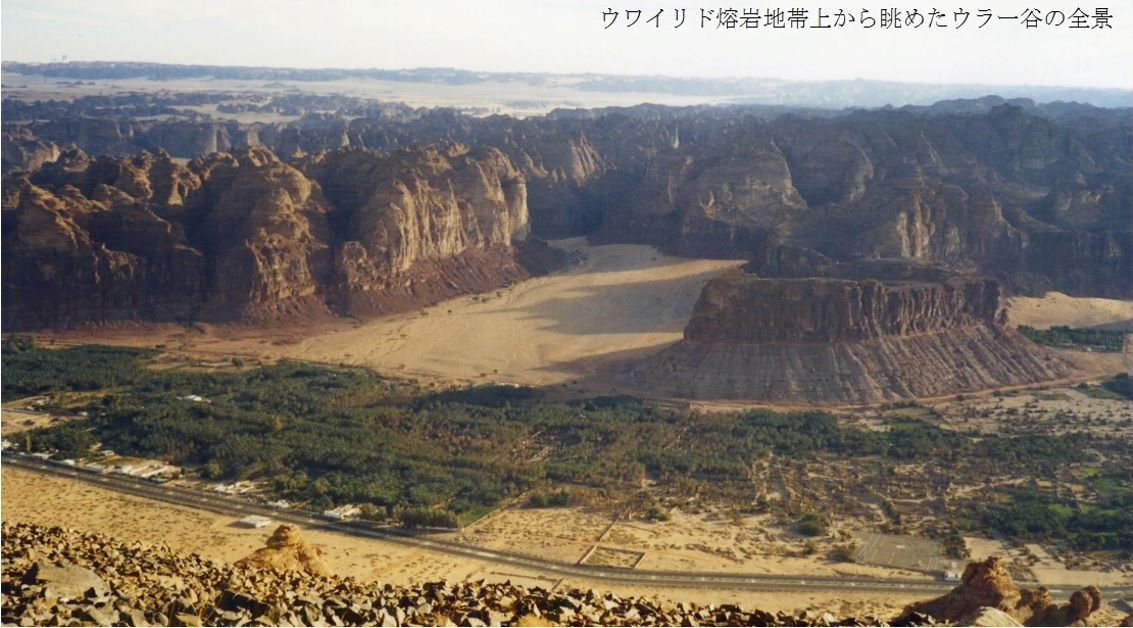
リフヤーン王国は紀元前1700~400年に使われた古代北アラビア文字で知られ、その前期には首都の名からディーダーン王国を称していました。リフヤーン王国はアラブ系譜ではサムード族の子孫とされていますが、旧約聖書のユダヤ人預言者イルヤース孫リフヤーン・イブン・フザイルの子孫アドナーン族一派バヌー・フザイル族との説もあります。但し、今日のバヌー・リフヤーン族は自分達をジュルフム族の子孫と考えています。リフヤーン王国はタイマーの南西110km付近にあり、現在はウラーと呼ばれているディーダーンと北はヒジュルと呼ばれたマダーイン・サーリフにまで広がる王国でした。その領内の主な都市としてはウラー、クライバ、ヒジュル等が挙げられます。
Introduction
The Lihyanites Kingdom (7th century BC~24 BC) is known for its ancient North Arabic script used in 1700~400 BC, and in the early years it was called the Dedanites Kingdom after its capital. The Lihyanites
Kingdom is considered to be descended from the Thamud in Arab genealogy, but there is also a theory that it is the Banu Hothail tribe, a branch of the Adnan tribe, descended from Lihyan ibn Hothail who is a grandson of the old testament Jewish prophet Ilyas (إلياس). However, today’s Banu Lihyan considers themselves descendants of the Jurhum (جرهم). The Lihyanites Kingdom was located about 110 km southwest of Tayma, extending from Dedan now called Al ‘Ula to Mada’in Salih called Al Hijr in the north. Major cities in its territory include Al ‘Ula, Al-Khuraibah and Al Hijr.
ディーダーン王国
考古学の記録ではこの王国が最初に現れたのは紀元前6世紀頃であり、ディーダーンと云う名は、紀元前1000年頃からこの地域で崇められていた偶像神ワッドに由来しています。ワッドは、愛を意味し、ウラーの市は、「愛の市」として知られていました。
Dedanites Kingdom
According to archaeological records, the Dedanites Kingdom first appeared around the 6th century BC, and the name Dedan derives from the idol god Wadd, who has been revered in the region since about 1000 BC. Wadd means love, and the city of Al ‘Ula was known as the “City of Love”.
リフヤーン王国
リフヤーンは幾つかの異なった王朝に支配されていましたが、ハジュバルと呼ばれる諮問機関を維持していました。後期になると幾つかの同盟のシリア都市が興隆していた為、単にこの地域の1つの部族の名を取ってリフヤーンと改名したと云われています。
Lihyanites Kingdom
The Lihyanites Kingdom (the Dedanites Kingdom) was ruled by several different dynasties, but maintained an advisory body called Hajbal. In the later years, Syrian cities of several alliances were on the rise, so they simply renamed it Lihyan after one tribe in this region.
古代アラビア文明の中心は多神教であり、交易で生計を立てる町の住人は、月と星の偶像神を崇め、定住の農民と遊牧の牧夫は雨、雷と稲妻の偶像神を崇めていました。その様な偶像神の1つがズー・ガイバトであり、寺院遺物がクライバとウム・ダラジュ山頂(ウラー)で発見されました。これ等の寺院の中庭には貯槽があります。貯槽は砂岩に彫り込まれ、深さは2mもあります。駱駝の搾乳に使われると共に、恐らく参拝者が寺院に入る前の清めの儀式に使用する貯槽だった様です。リフヤーンの人々はサルマーン、アブー・イーラフ並びに最高神アッラーの三人の娘アッラート、アル=ウッザー及びマナート等の偶像神も崇拝していました。願掛けの供物として人間、雌の駱駝、黒い駱駝やその他の家畜を含む生贄を非常に重要に考えていました。ニークラーフやワッド等、半島南部の偶像神を崇める古代王国のマイーン人はディーダーンに経済的居留地を持ち、その墓は表面に刻まれたライオンの像で区別されました。
The center of ancient Arabian civilization was polytheism, with the inhabitants of the town who made a living from trade worshipping the idol gods of the moon and stars, and the settled peasants and nomadic herders worshipping the idol gods of rain, thunder and lightning. One such idol god was Dhu-Ghaibat (غیبت ذو), and temple relics were found on the summits of Khuraiba (الخريبة) and Um Daraj (Al ‘Ula). The courtyards of these temples have a storage tank. The tank is carved into sandstone and is 2 metres deep. It was used to milk camels and was probably used for cleansing rituals before worshippers entered the temple. The people of the Lihyanites Kingdom also worshipped idol gods such as Salman (سلمان), Abu Eelaf and the three daughters of the supreme god. The three daughters are al-Lat (اللات), al-Uzza (العزى) and Manat (مناة). As a wishful offering, they considered sacrifices including humans, female camels, black camels and other domestic animals of great importance. The Ma’in (معين) of the ancient kingdoms, such as Nikrah (نیکراه) and Wad (دو), who worshipped the idol gods of the southern peninsula, had an economic reservation in Dedan. Ma’in’s tombs were distinguished by a lion statue carved on its surface.
リフヤーン、マイーンおよびナバテア碑文
Lihyan, Ma’in and Nabataean inscriptions
多くの碑文と岩壁画がウラーの内外で、居住地域に近い遺跡、隊商路および水源等で見つかっています。リフヤーン碑文、マイーン碑文およびナバテア碑文が時代と共に現れてきます。これらの碑文は、この地域にあった異なった文明の連続して書かれた記録を構成しています。もっとも古いアラビア語碑文は、ムスナド文字として知られている古代南アラビア文字で記述されていました。重要な碑文はクライバ、イクマ山、ルゼイキヤ等で見つかっています。
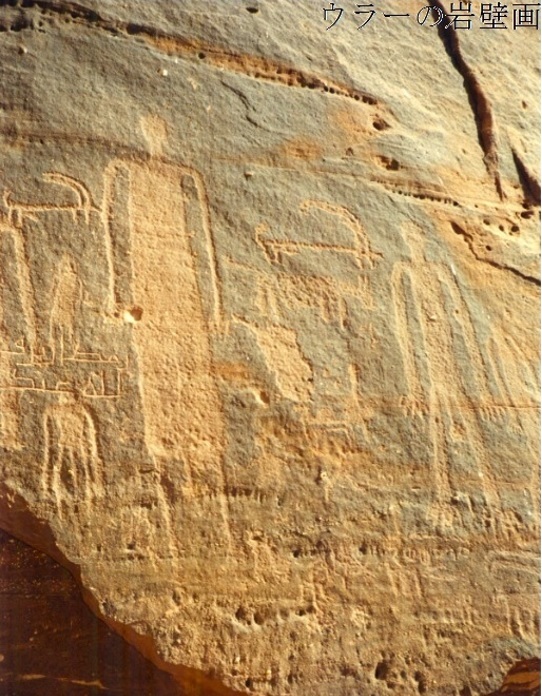
Many inscriptions and petroglyphs have been found inside and outside Al `Ula, in archaeological sites close to residential areas, caravan routes and water sources. The Lihyan, Ma’in and Nabataean inscriptions appear with the times. These inscriptions constitute a successively written record of the different civilizations that existed in the region. The oldest Arabic inscriptions were written in the ancient South Arabic Script, known as the Musnad Script. The important inscriptions have been found in Khuraibah, Mount Ikmah and Ruzeiqiah.
ウラー旧市街
Al ‘Ula old town
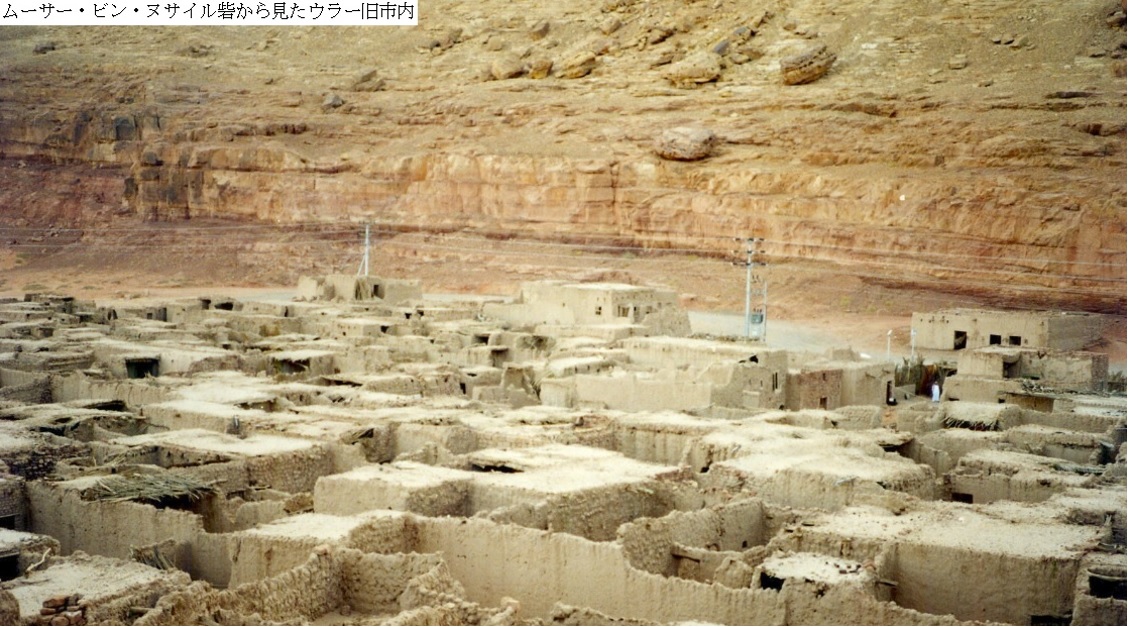
ウラー旧市街のほとんどの家屋は、クライバから持ってきた石で建てられています。これらの石は精巧に削られ、ディーダーン、リフヤーンおよびマイーン碑文が刻まれている石もありますし、ナツメ椰子の葉や蛇の様な野菜や動物の図案が刻まれている石もあります。
Most of the houses in Al ‘Ula old town are built of stone brought from Khuraibah. These stones have been elaborately carved, and some are inscribed with Lihyan and Ma’in inscriptions, while others are carved with designs of vegetables and animals such as jube palm leaves and snakes.
イクマは、ウラー北にある山の名です。集中した碑文がこの山の小さな谷の山肌やそこに散在する岩から見つかっています。これらの碑文は、リフヤーン人の経済活動や社会活動と共に政府の支配体制等貴重な情報を歴史家に提供してくれています。例えば、これらの碑文から巡礼は遠く、北はアンマンから南はバドルからウラーにやって来て喜捨や生贄を偶像神ズー・ガイバトに奉げていました。この様な地方寺院事業もリフヤーンの生業を支えていました。
Ikmah (Jabal ‘Akmah) is the name of a mountain north of Al-`Ula. Concentrated inscriptions have been found on the face of the small wadis of this mountain and in the rocks scattered there. These inscriptions provide historians with valuable information on the economic and social activities of the Lihyans, as well as the regime of government rule. For example, from these inscriptions the pilgrimage was far away, from Amman in the north to Badr in the south to Al-`Ula and offering Zakats (charities) and sacrifices to the idol god Dhu Ghaibat. Such local temple projects also supported Lihyan’s livelihood.
香料の道
Frankincense Route
ディーダーンは古代「香料の道」の戦略的な場所に位置していたので交易の貨物集積地となり、物資は半島南部や南部を経由して遠く東アフリカやインドから運ばれてきました。リフヤーン人は直接に隊商交易や貨物集散業務から利益を得る他、通過商品に租税や関税も課していました。リフヤーン碑文は交易路に沿ってタイマーやカルヤ・ファーウで見つかり、その影響は遠くナジュドのハルジュまで及んでいました。ハルジュと云う名はディーダーンで崇められていた偶像神の名前です。
Dedan ‘s strategic location on the ancient ” Frankincense Route ” made it a trading post and freight hub, with goods being transported from as far away as East Africa and India via the southern Arabian Peninsula. Lihyans directly profited from caravan trade and cargo gathering, as well as imposing taxes and duties on transit goods. Lihyan inscriptions were found along trade routes in Tayma and Qaryat al Faw, and their influence extended as far away as Kharj of Najd. The name Kharj is the name of an idol god revered in Dedan.
古代水配分機構
Ancient Water Dstribution System
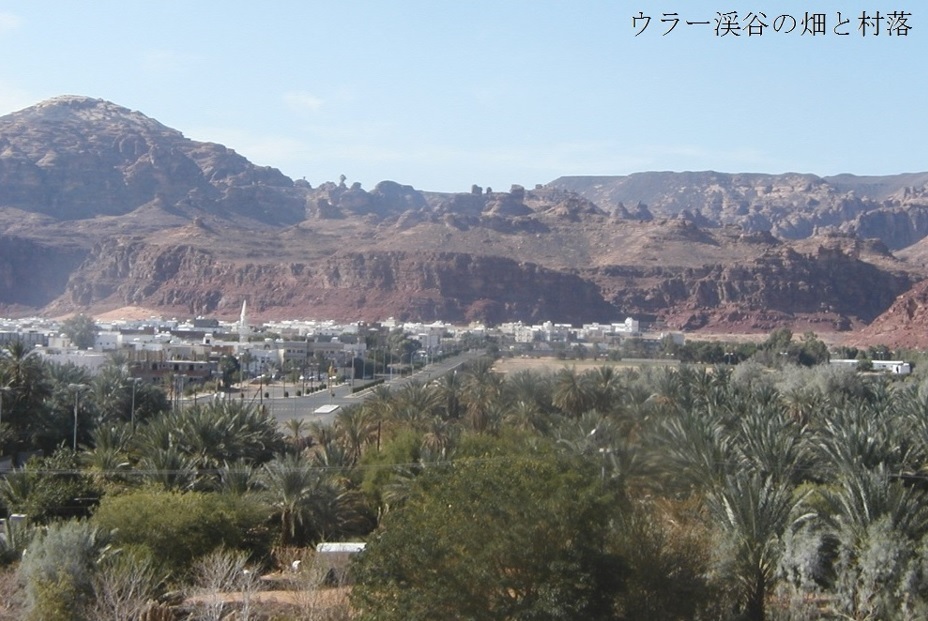
農業は主要な井戸を結ぶ水路で構成された古代水配分機構に支えられていました。水路は水が穏やかに流れる様に傾いて作られており、水の漏洩を最小限にするために一列に並べられた小さな水路網が水路と農地を結んでいました。水路は20世紀に至る迄使われ、溝から溝への送水には中空にしたナツメ椰子の幹が利用されてきました。
Agriculture was supported by an ancient water distribution system composed of waterways connecting major wells. The waterways were built at a gentle flow of water, and a small network of channels arranged in a row to minimize water leakage connected the waterways to farmland. The channel continued to be used until the 20th century, when hollow date palm trunks were used to pump water from ditch to ditch.
リフヤーン族
Lihyan Tribe
リフヤーン人が歴史上の記録から消えたのはおよそ紀元前2世紀頃です。ナバテア人は106年にローマ帝国に征服されるまでヒジュルをナバテア人の南の都として居り、その権威が弱まったナバテア人の下でもリフヤーン人の最後の生き残りがいた様です。その後にローマ帝国が半島南部との交易を紅海での海運に移すと、隊商交易路は崩壊してアラブ族のほとんどは涸れ谷クラ(ウラー渓谷)を見捨てて沙漠に戻りました。南へとマッカへ移住した者達もいて、ムスリムとなったその子孫達は今でもリフヤーンの部族名を保っています。
Lihyans disappeared from historical records around the 2nd century BC. The Nabataeans made Hijr the southern capital of the Nabataeans until their conquest by the Roman Empire in 106. Even if Nabataean authority had weakened, the last surviving members of Lihyans had still remained under the Nabataeans. Later, when the Roman Empire shifted trade with the southern Arabian Peninsula to shipping on the Red Sea, the caravan trade routes collapsed and most of the Arab tribes abandoned the Wadi al-Qura a (present Wadi Al `Ula) and returned to the desert. Some migrated south to Makkah (Mecca), and their descendants who became Muslims still retain the tribal name of Lihyan.
 Desert peninsula