
24 Jahiliyyah period (other regions)


目次(Index)
前書き
Introduction
リヤードの南東80キロに在るハルジュは、前の時代にはアラビア湾からイエメンへ通じる隊商路上の中継駅でした。一方、涸れ谷ハニーファ内の集落はハルジュから北西に向かう2つの交易路に頼っていました。この2つ交易路の一方はリヤードの少し南で分岐しトゥワイク山脈の西側に沿ってドゥルマーを通りヒジャーズに向かい、もう一方は涸れ谷ハニーファを通りヒジャーズ及び北ナジュド、半島北西部そして最後はパレスタインに向かっていました。前世紀に続く4世紀のローマ経済の衰退は、半島南西部から中央及び北部への部族的移住が行われる契機になりました。
Located 80 kilometers southeast of Riyad, Kharj (خرج) was in previous times a transit station on the caravan road from the Arabian Gulf to Yemen. Meanwhile, the settlements in Wadi Hanifa relied on two trade routes heading northwest from Kharj. One of these two trade routes branched off a little south of Riyad and fellow the western side of the Tuwaiq Mountains (Jebel Tuwaiq) through Durma (ضرما) to Hijaz. The other one passed through Wadi Hanifa to Hijaz, the northern Najd, the northwestern Arabian Peninsula and finally to Palestine. The decline of the Roman economy in the fourth century, which followed the last century, triggered tribal migrations from the southwestern part to central and northern parts of Arabian Peninsula.
バヌー・ハニーファがハジュルとヒドリマを占拠
Banu Hanifa occupied Hajr & Khidrimah
5世紀に入るとこの地域に移動して来たアドナーン・ラビーア族支族バクル族バヌー・ハニーファ一門が、4世紀後半にヒムヤル王国の干渉で消滅したタスム族とジャディース族それぞれの廃棄された涸れ谷バサー(リヤード市内)のハジュル集落及びハルジュのジャウウ・ヤマーマ(ヒドリマ)集落を占拠しました。その後、バヌー・ハニーファ一門はバクル族で遊牧生活を送る一門のこの地域への定住に力を入れました。
In the 5th century, the Banu Hanifa family of the Bakr (Banu Bakr) tribe, a branch of the Rabi’ah Adnan Arab, had moved to the area, where Tasm (طسم) and Jadis (جديس) had lived previously. The former resident tribes, Tasm (طسم) and Jadis (جديس), had already disappeared in the late 4th century due to the interference of the Himyar kingdom. The Banu Hanifa family seized the abandoned Tasm hamlet of Hajr (حجر) (Khadra Hajr) in Wadi al-Batha (in the present Riyadh city) and the abandoned Jadis settlement of Jaww Al-Yamamah (Khidrimah) in Kharj, respectively. Later, the Banu Hanifa family focused on settling the nomadic Bakr tribe in this area to gain its power with gathering the same kindred.
バヌー・ハニーファが率いる結束
Cohesion led by Banu Hanifa
5世紀後半に半島中央の諸族を強く結束させていたキンダ族は勢力を失ってイエメンへと出立しました。その後にバクル族はキンダ部族同盟の盟主と成りましたが、同じラビーア族一門のタグリブ族と反目して結束に空白をもたらしました。それを埋めて、新たな結束力と成ったのがバヌー・ハニーファ一門でした。6世紀後半までに陸上交易は復活し、アラビア湾からイエメンに至る隊商路が蘇りました。ハルジュはこの陸上交易から利益を得る枢軸の位置にあり、ヒドリマがバヌー・ハニーファの一門でハジュル守護のハナフィー族の中心的集落として出現しました。繁栄は再び定住した人々に有利で、遊牧民に不利となり、ヒドリマのハナフィー族為政者は600年には遊牧民でも特に有力なアドナーン・ムダル族支族のタミーム族に対して覇を唱え、南ナジュドを横切る隊商交易の保護に大きな役割を果たしました。
In the late 5th century, the Kindah people, who had been strongly united in the central Arabian Peninsula, lost their power and fled to Yemen. Later, the Bakr tribe became the leader of the Kindah Confederation, but they feuded with the Taghlib tribe of the same Rabi’ah Adnan Arab, creating a vacuum in their unity. Filled in and formed a new cohesion was the Banu Hanifa family. By the late 6th century, the onshore trade had been revived and the caravan route from the Arabian Gulf to Yemen had been restored. Kharj was in an axis position to profit from this onshore trade, and Khidhrimah (الخضرمة) emerged as the central settlement of the Hanafi (الحنفي) family who had the roll of Hajr (Khadra Hajr) guardian. Prosperity was in favor of the resettled people, but disadvantaged the nomads. The Hanafi rulers of Khidhrimah conquered the Tamim tribe of the Mudar Adnan Arab, in 600 AD. Till then, the Tamim tribe had been particularly influential among the bedouin nomads. Then the Hanafi rulers played a major role in protecting the caravan trade across the southern Najd.
メッカの台頭がハジュルに利益を
Rise of Mecca profited to Hajr
7世紀初期のハナフィー族首長ハウザ・イブン・アリーの時代までに新たな権力の中心がアラビア半島に幾つか出現しました。一番顕著であったのがメッカで、そこではクライシュ族が自分達の神域の中立性に対する守護者としての立場を巧みに使って、他の部族との間に強力な同盟を作り上げていました。メッカの台頭で利益を得たのはリヤードの涸れ谷バサーにあったタスム族旧集落ハジュルであり、ハルジュから西へ向かうヒジャーズへの隊商路も支配していました。これがバヌー・ハニーファ一門の軍事的武勇、定住と農業の強い伝統と結びついてハジュル・ヤマーマ(リヤード)に次に出現しつつある国の首都の地位を築かせていました。
By the time of the Hanafi chieftain, Hawdha ibn Ali al-Hanafi (d.630 AD), in the early 7th century, several new centers of power had emerged in the Arabian Peninsula. The most notable was Makkah (Mecca), where the Quraysh tribe used their position as the guardian of the neutrality of their divine realm to interact with other tribes. The Quraysh tribe had forged a powerful alliance. The rise of Makkah benefited the old Tasm settlement of Hajr in Wadi al-Batha (a dry valley of Riyadh). And this settlement dominated a caravan route from Hajr to the Hijaz to the west. This, combined with the strong tradition of the Banu Hanifa family, such as military valor, settlement and agriculture, established Hajr al-Yamamah (Riyadh) as the capital of the next emerging nation.
ハサー・オアシス
Hasa Oasis
ハサー・オアシスのハジャルにはイスラームが始まる少し前にサーサーン朝ペルシアが現在の東部州を直接支配しようと総督府が築いていました。これはサーサーン朝が紀元570年に海からイエメンを侵略・占領したので、アラビア半島の同盟部族を直接支配して安定を確保しようとした為です。総督府はアラビア語ではムシャッカル砦と呼ばれ、ムハッリムと云う大きな水路に設けられてアラブ族に良く知られる砦を占領しました。この水路がペルシア総督時代にハサー・オアシスでは大規模な農業が営まれていた事を示しています。
Hajar (حجر) in the Hasa (حسا) Oasis was established by the Sassanid Empire (224~651 AD), Persia, shortly before the beginning of Islam to directly control the present-day Saudi eastern province. This was because the Sassanid Empire invaded and occupied Yemen from the sea in 570 AD, and sought to gain direct control of their allies in the Arabian Peninsula to ensure stability of control. The governor’s office was set up to the occupied fort which was well known to the Arabs as Mushaqqar (المشقّر) in Arabic. It was located on a large waterway, called Muhallim (محلم). This waterway showed that during the reign of the Persian governors, a large-scale agriculture was practiced in the Hasa Oasis.
カティーフ・オアシス
Qatif Oasis
又、130キロ北に在るカティーフ・オアシスには地下灌漑水路であるカナートの印象的な遺構がナツメ椰子畑の西端の少し外側に残されて居り、農業と灌漑へのペルシアの影響を示しています。ナツメ椰子は、3世紀初めにサーサーン朝ペルシアが侵入して創設した町バトン・アルダシールやその後のサーサーン朝支配を通じて、カティーフ・オアシスでの基幹作物であったと思われます。今では砂に埋もれてしまっているカナートの列が、カティーフ・オアシスではこの時代に現在よりもずうっと内陸まで農耕地帯が広がっていた事を示しています。
At the Qatif Oasis, 130 kilometres to the north, impressive remains of the underground irrigation channel Qanat (القناة) has still remained a little outside the western end of the date palm fields, showing the Persian influence on agriculture and irrigation. The date palm was founded by the Sassanid Empire in the early 3rd century, and became the staple produce of the Qatif Oasis through the control under the Persian town of Batn Ardashir and later Sasanian rule. It seems that even today date is the main agricultural product of this oasis. The rows of Qanats, now buried in sand, show that the Qatif Oasis had a much more inland agricultural area during this period than it is today.
ナジュラーンの大虐殺
Martyrs of Najran
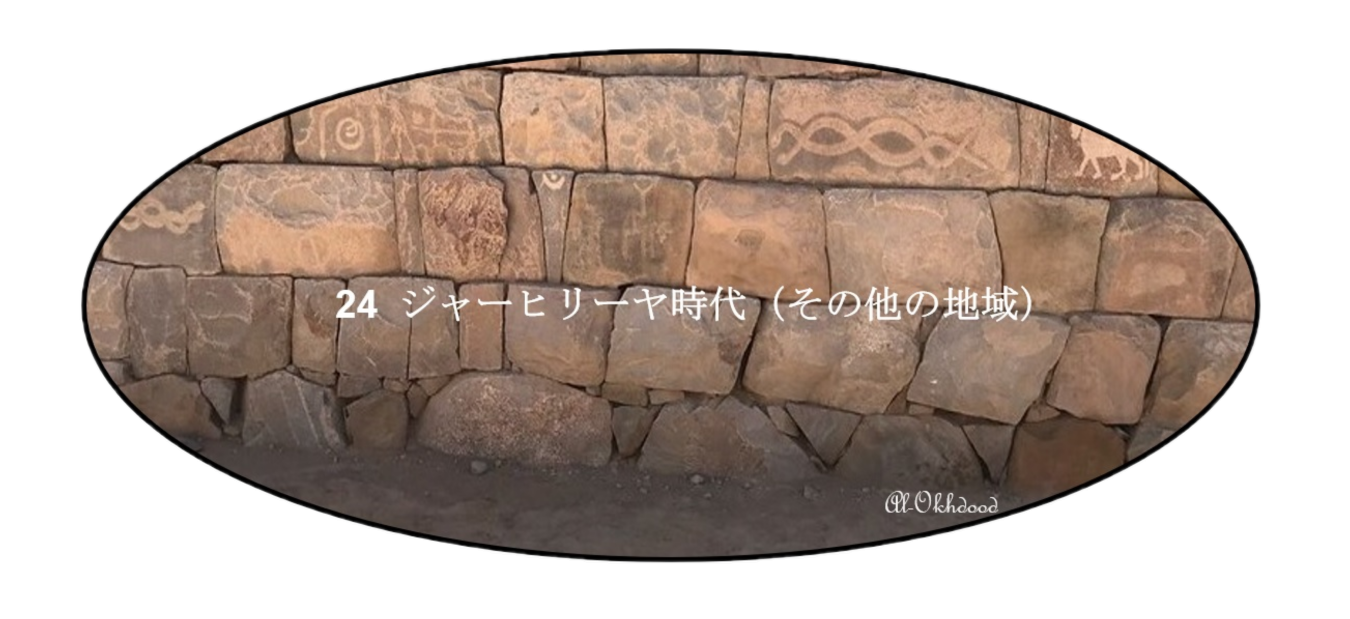
ヒムヤル国分裂の中で同族の軍閥ユスフ・アサール・ヤサール(ズー・ヌワース)が勢力を得て、517年に最後のドゥバーバア王と成りました。 これがマアディカリブ・ヤフールの没年より早い為に、「王位を簒奪(さんだつ)した」と云う説も有力です。ユダヤ教に改宗していたと考えられているズー・ヌワースは自国内のアビシニア・キリスト教徒のアクスム人勢力に対する戦いを始め、523年に「冒涜されたのは溝の人々であった」とクルアーンに述べられている「ナジュラーン(オクデュード)の大虐殺」も起きました。この悪名高い事件では火をかけた大きな溝にユダヤ教に改宗する事を拒んだキリスト教徒が生きたままで放り込まれました。(犠牲者の大量の骨は今でのその場に残っています。)一方、他のアクスム人やヒムヤル王国首都ザファールのヒムヤル人キリスト教徒も虐殺されました。
During the division of the Kingdom of Himyar, the clan warlord Yusuf Asar Yathar (Dhu Nuwas) (517~525 AD)gained power and became the last Tubba King in 517 AD. (Tubba means “the one who follows the sun like a shadow”. It was the title of the Kings of Himyar.) Since this is earlier than the year of Ma’dikarib Ya’fur’s death, there is a strong theory that he usurped the throne. Dhu Nuwas, who is believed to have converted to Judaism, began a struggle against the Abyssinian Christian Aksum People in his home country. The Martyrs of Najran occurred in 523 AD, “the genocide of the Najran (نجران)” (Okhdood (الأخدود)) stated in the Qur’an that “it was the people of the ditch who were desecrated”. In this infamous incident, Christians who refused to convert to Judaism were thrown alive into a large ditch burning the fire. (Many of the victims’ bones are still in place today.) In the capital Zafar (ظفار), other Aksum People and Christian Himyar People were also slaughtered.
ズー・ヌワースを打倒
Defeated Dhu Nuwas
ビザンチン帝国ユスティヌス一世はキリスト教徒とアクスム人へのズー・ヌワースの迫害を知ると、同盟国で同じキリスト教国のアクスム王カーレブにズー・ヌワースを撃つように促し、アクスム王国に紅海を渡る為の艦隊を提供する等の援助をしました。紀元525年にカーレブは軍隊に紅海を渡らせ、ヒムヤル王国に侵入し、ユダヤ教徒の王ズー・ヌワースを打ち破りました。ズー・ヌワースはフシュ・グラブの碑文によればこの戦争で殺されていますが、アラブの伝説では「ズー・ヌワースは馬に乗って海に沈んだ」と云います。
When Justin I (518~527AD), Byzantine Empire (Eastern Roman Empire) (330~1453 AD), learned of Dhu Nuwas’s persecution of the Christians and Aksum People, Justin I urged his ally, Kaleb, to shoot Dhu Nuwas. Kaleb (Saint Elesbaan) (514~542 AD) is the King of the Kingdom of Aksum (c. 50~940 AD), which was the same Christian state. Justin I assisted the Kingdom of Axum by providing a fleet to cross the Red Sea. In 525 AD, Kaleb sent his army across the Red Sea to invade the Kingdom of Himyar and defeat the Jewish King Dhu Nuwas. According to an inscription of the Hush al Ghurab, Dhu Nuwas was killed in this war, but Arab legend says that ” Dhu Nuwas sank into the sea on horseback.”
サーサーン朝による南アラビア支配
Sassanid Domination over Southern Arabian
その後、サーサーン朝ペルシア王ホスロー一世がヴァハリズの指揮下で軍隊を送りました。ヴァハリズは半分伝説上のサイフ・イブン・ズィー・ヤザンがイエメンからアクスム人を追放する援助もしましたが、最終的にはサイフを暗殺しています。南アラビアは597年にペルシア領土となり、内部的には幾つかの自治王国に分断しましたが、サーサーン朝ペルシアの勢力範囲に組み込まれました。628年にホスロー二世が没すると、南アラビアは総督バーザーン始めとしてイスラームを奉じ、ペルシアの南アラビア支配は終わりを告げました。
Later, Khosrow I (531~579), Shahanshah of the Sassanid Empire, sent an army under the command of Vahriz (Wahrez). Vahriz also helped the half-legendary Saif bin Dhi Yazan expelled the Aksum People from Yemen, but eventually assassinated Saif bin Dhi Yazan. The Southern Arabian Peninsula became a Persian territory in 597 and was internally divided into several autonomous kingdoms, but was incorporated into the Sassanid Empire, Persia. When Khosrau II (590-628) died in 628, the Southern Arabian Peninsula adopted Islam (الإسلام) under the leadership of Badhan, the governor-general of the South Arabia, and Persia’s rule over this area came to an end.
 Desert peninsula