
27 Islamic Empire (Caliphate)



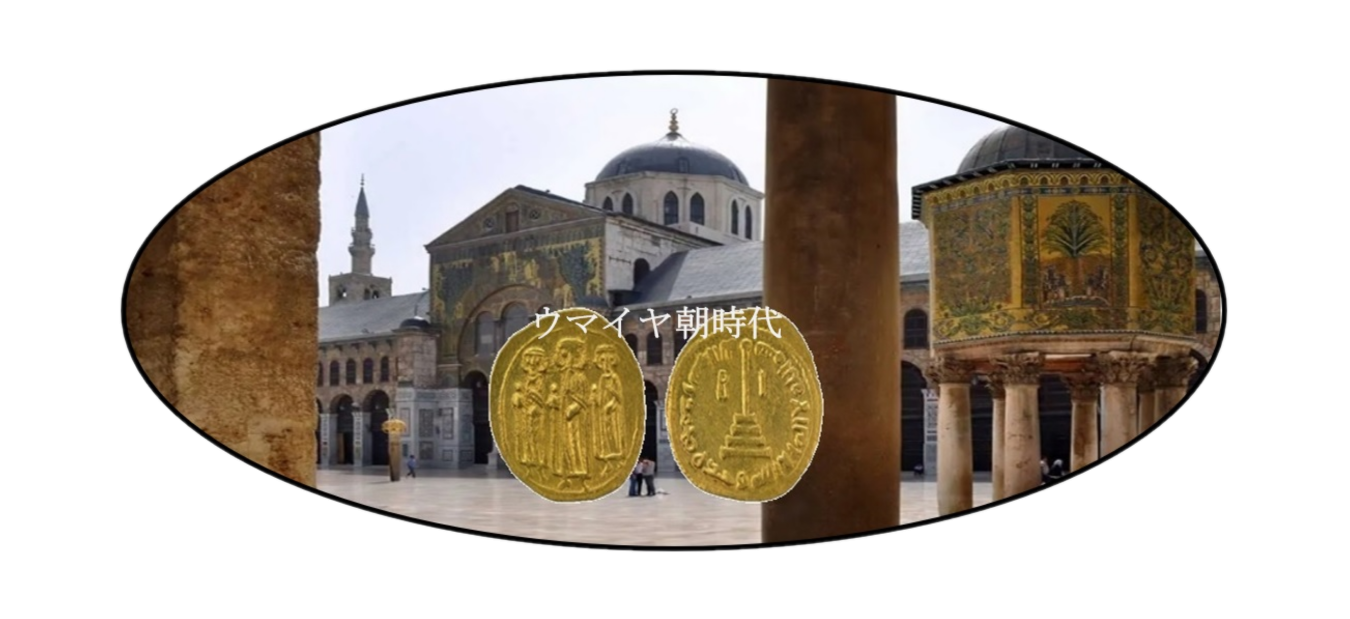
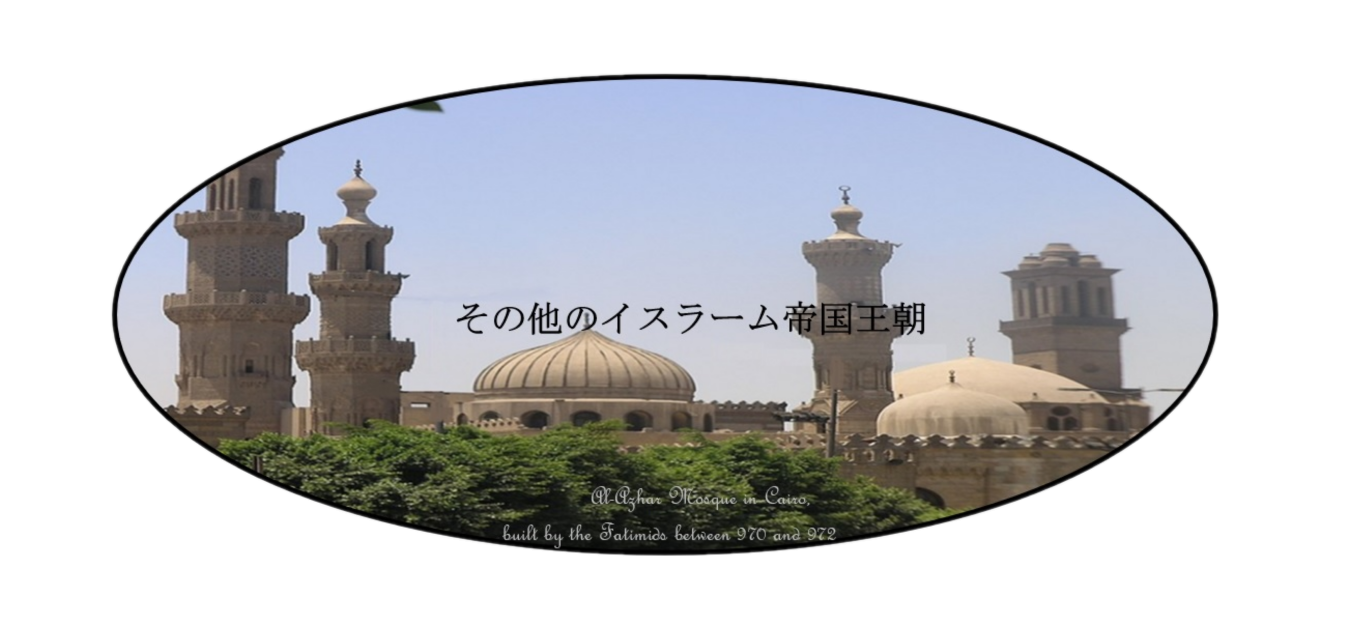
ムハンマドが聖遷(622)し、正統四カリフの時代(632~661)、ウマイヤ朝時代(661~750)およびアッバース朝時代(750~1258)が滅亡するまでのイスラーム教国全体をヨーロッパ人は、サラセン帝国(الخلافة الإسلامية) (Caliphate)と総称しました。中国では大食(タージ)と呼んでいました。エジプトのファーティマ朝(Fatimid Islamic Caliphate) (909~1171) (خلافة فاطمية)、アイユーブ朝(Ayyubids) (1169 ~1250) (الأيوبيون)およびマムルーク朝 (Mamluk Sultanate) (1250~1517) (الدولة المملوكية) は、領土的には限られていました。しかしながら、イスラーム勢力を主導して十字軍と戦ったと云う意味で筆者は、サラセン帝国に入れました。
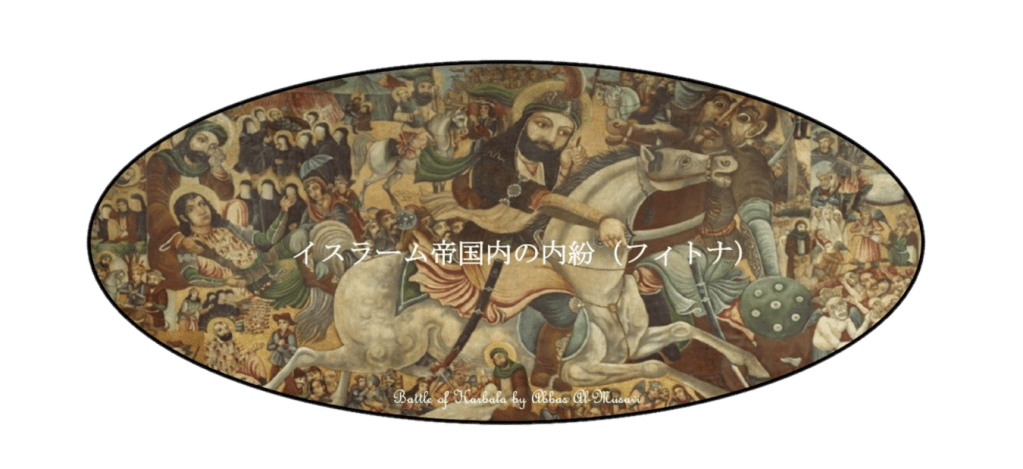
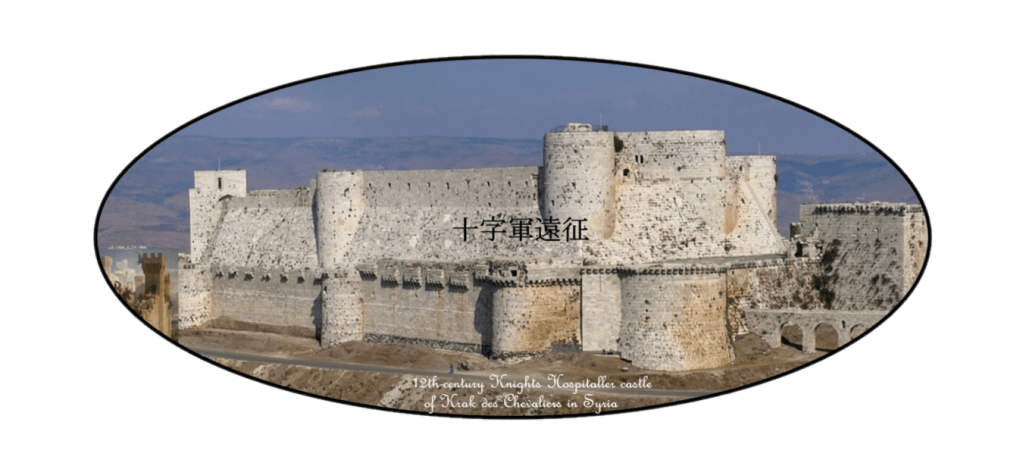
預言者ムハンマドは40歳の頃の610年にヒラー山(حراء) (Hira)の洞窟でアッラーの啓示を受けました。それから、預言者として唯一神の信仰と偶像崇拝の排斥、人間の平等性を訴えて新宗教を提唱しました。しかしながら、支配者の迫害を蒙り、622年ヤスリブ(يثرب) (Yathrib)(現在のマディーナ)へ聖遷しました。それ以降は、イスラーム教が勢力を拡大して630年にメッカを征服し、その後、イスラーム勢力は、「アラビア半島」全土に及びました。ムハンマドは、632年に10万人の信徒と共にメッカに巡礼し、アラファート山(Mount Arafat) (جبل عرفات)で説教を行った後にまもなく病死しました。632年にムハンマドが死去した後、アブー・バクル(632~634)が初代カリフに就任しました。その後、ウマル(634~644)、ウスマーン(644~656)およびアリー(656~661)とカリフが引き継がれました。ムハンマドが622年に聖遷してからアリーが暗殺された661年までが「ムハンマドと正統四カリフの時代」とされています。この時代については前章で述べましたので、この章ではその後のウマイヤ朝時代、アッバース朝時代およびその他のイスラーム帝国王朝について述べて行きます。又、この章では、時の政権を打倒・後退させた「イスラーム帝国内の内紛(フィトナ)」およびイスラーム帝国が侵略を受けた「十字軍遠征」についても説明して行きます。
The entire Islamic Empire (Caliphate) was collectively called by Europeans as Saracen Empire (ا لخلافة الإسلامية) Caliphate).
It commenced from Hijrah by Muhammad (622) through Rashidun Four Caliphs (632~661) and Umayyad Caliphate (661~750) until the fall of Abbasid Caliphate (750~1258). In China, it was called Dà shí (大食) .
Fatimid Islamic Caliphate (909~1171) (خلافة فاطمية), Ayyubid Dynasty (Ayyubids) (1169~1250) (الأيوبيون) and Mamluk sultanate (1250 ~1517) (الدولة الملوكية) were territorially limited, but the writer includes them in Saracen Empire. It is because they led the Islamic forces to fight against Crusaders.
Prophet Muhammad received Allah’s revelation in the cave of Mount Hillah (حراء) (Hira) in 610 when he was 40 years old. Then, as the Prophet, he advocated a new religion, appealing for the faith of one God, rejection of idolatries, and equality of human beings. He suffered the severe persecution from the rulers as well as Idol worshipers. Then he and his followers moved to Yathrib (present-day Madinah) in 622. After that, they expanded their power and conquered Mecca in 630, after which the Islamic forces stretched throughout the Arabian Peninsula. Muhammad made his pilgrimage to Mecca with 100,000 believers in 632 and preached a sermon on the Mount Arafat (جبل عرفات). Soon, he died of illness. After Muhammad’s death in 632, Abu Bakr (632~634) became First Rashidun caliph. Then, Umar (634~644), Uthman (644~656) and Ali (656~661) succeeded him. The period from Muhammad’s ordination in 622 to the assassination of Ali in 661 is “the age of Muhammad and Orthodox Four Caliphs.” Since this period was discussed in the previous chapter, this chapter describes the subsequent Umayyad period, Abbasid era, and other Islamic dynasties. It also describes the “Internal Strife (Fitna)” within Islamic Empire that overthrew and retreated the regime of the time. And it also explains the “Crusader Expeditions” in which Islamic Empire was invaded.
目次(Index)
 Desert peninsula