
The Umayyad Caliphate




661年にムアーウィヤ(Mu’awiya ibn Abu Sufyan) (معاوية بن أبي سفيان) がウマイヤ朝 (Umayyad Caliphate) (661~750) (الدولة الأموية)を開き、その始祖となりました。ウマイヤ朝 (Umayyad Caliphate)は、ダマスカス(Damascus) (دمشق)を首都として、ウマイヤ家を世襲カリフとするイスラーム王朝でした。そして、この王朝は、661年から750年まで続き、最盛期にはヨーロッパのイベリア半島(Iberian Peninsula)からインド北西部へと広がる広大な帝国を支配しました。この王朝は、ムアーウィヤ1世から最後のカリフとなったマルワーン2世(Marwan II ibn Muhammad) (r. 744~750) (مروان بن محمد بن مروان)までの14代存続しました。750年にアッバース朝(Abbasid Caliphate) ( الدولة العباسية)に滅ぼされるまでがウマイヤ朝時代(Umayyad Period) (الفترة الأموية)と呼ばれています。
In 661 Mu’awiya ibn Abu Sufyan (معاوية بن أبي سفيان) founded Umayyad Caliphate (661-750) (الدولة الأموية) and became its first Caliph. Umayyad Caliphate was an Islamic Dynasty with Damascus (دمشق) as its capital and Umayyads as a hereditary Caliph. This Dynasty lasted from 661 to 750, and ruled a vast empire that stretched from the Iberian Peninsula in Europe to the northwest of India subcontinent at its height. Caliphate lasted 14 generations from Mu’awiya I to the last Caliph, Marwan II ibn Muhammad (r. 744~750) (مروان بن محمد بن مروان). This period is called the Umayyad Period (الفترة الأموية), which was terminated by Abbasid Caliphate (الدولة العباسية) in 750.
目次(Index)
ムアーウィヤの出生と出身
Mu’awiyah’s birth and origin
ムアーウィヤは、ウマイヤ家(Banu Umayyah) (بنو أمية)出身です。ウマイヤ家(Banu Umayyah)は、クライシュ族の支族バヌー・アブド・マナーフ一門(Banu Abd Manaf) (بنو عبد مناف)のバヌー・アブド・シャムス一門(Banu Abd Shams) (بنو عبد شمس)に属しています。クライシュ族は、ムダル・アドナーン部族(Mudar Adnan Arabs) (مضرعدنان عرب) の支族キナーナ族(Kinana) (كنانة)の一門です。
Mu’awiyah is from Banu Umayyah (بنو أمية) family. Banu Umayyad family belongs to Banu Abd Shams (بنو عبد شمس) of Banu Abd Manaf (بنو عبد مناف) branch of Quraysh tribe. Quraysh is a branch of Kinana (كنانة) tribe of Mudar Adnan Arabs (مضرعدنان عرب)
父アブー・スフヤーン(Abu Sufyan) (560~650) (أبو سفيان بن حرب)はクライシュ族指導者として預言者ムハンマドに激しく敵対した人物でした。ムハンマドがメッカを征服した後に妥協して息子と共にイスラーム教を受け入れました。
His father, Abu Sufyan (560~650) (أبو سفيان بن حرب) was a Quraysh leader. He had been a fierce opponent of the Prophet Muhammad. After Muhammad conquered Mecca, he compromised and accepted Islam with his sons.
ムアーウィヤの兄ヤズィード(Yazid ibn Abu Sufyan) (d.639) (يزيد بن أبي سفيان)は、ヤルムークの戦い(Battle of Yarmouk) (636) (معركة اليرموك)における司令官の1人でした。そして、後にビザンチン帝国(Byzantine Empire) (330/395~453) (الإمبراطورية البيزنطية)との戦いではシリア方面司令官(Commander in Syria)に任じられました。ムアーウィヤはその部将となり、639年に兄が病死すると、その後を継いでシリア総督となりましました。
Mu’awiyah’s brother Yazid ibn Abu Sufyan (d.639) (يزيد بن أبي سفيان) was one of the commanders in the Battle of Yarmouk (636) (معركة اليرموك). Later, he was appointed the general commander of the Caliphate force in Syria in the battle against the Byzantine Empire (330/395~453) (الإمبراطورية البيزنطية). Mu’awiyah became one of his commanders. And when his brother died of illness in 639, he succeeded him as the governor of Syria.
ムアーウィヤのカリフ就任
Mu’awiyah ‘s inauguration as Caliph
656年にムアーウィヤの又従兄弟にあたる第三代正統カリフ・ウスマーン(3rd Rashidun Caliph Uthman)が暗殺されました。ムアーウィヤは同じウマイヤ家出身だったウスマーンの血の復讐を叫んで、第四代正統カリフ(4th Rashidun Caliph)に就任したアリー(Ali ibn Abi Talib) (علي بن أبي طالب)と激しく対立しました。ムアーウィヤは657年の「スィッフィーンの戦い(Battle of Siffin) (وقعة صفين)」等でアリーと争いました。その後、次第に勢力を拡大して660年にはエルサレム(Jerusalem) (القدس)においてカリフ就任を宣言しました。
In 656, Mu’awiyah ‘s cousin, the 3rd Rashidun Caliph Uthman, was assassinated. Mu’awiyah cried out for revenge on the blood of Uthman, who was also from the same Umayyad family, and was in sharp conflict with Ali ibn Abi Talib (علي بن أبي طالب), who became the fourth Rashidun Caliph. Mu’awiyah fought with Ali in the Battle of Siffin (وقعة صفين) in 657. He gradually expanded his power, and in 660 he declared himself caliphate in Jerusalem (القدس).
国家体制と国家基盤の整備
Development of the state system and national infrastructure
ムアーウィヤは本拠地シリアのダマスカスを首都に定め、ウマイヤ朝(Umayyad Caliphate) (661~750) (الدولة الأموية)を開きました。即位後は対ビザンチン戦を遂行する一方でアラブ部族間反目を治めつつ、ディーワーン制度(Diwan) (ديوان)、軍事制度、カリフ世襲制等を整備し、国家体制基盤を作り上げました。
Mu’awiyah settled at Damascus, Syria, as his capital and founded Umayyad Caliphate (661~750) (الدولة الأموية). After his accession to the throne, while waging a war against Byzantines and reigning feuds between Arab tribes, he established the Diwan system (ديوان), the military system, the Caliphate hereditary system, etc., and built the foundation of the state system.
ウマイヤ朝(Umayyad Caliphate)のアラブ族ムスリムは、征服した各地に設けられたミズル(Misr) (مزر)と呼ばれる軍営都市への移住が求められました。彼らは、集住先で登録台帳(ディーワーン(Diwan) (ديوان))に名前を登録されると、国庫から俸給(アター(`Ata’) (عطاء))と現物給(リズク(Rizq) (رزق))が支給されました。その代わりに移住したアラブ族ムスリムは、現地総督の命により征服戦争や治安維持活動に兵士として参加する義務を負いました。異民族や異教徒等の非征服民は、自治とイスラーム以外の信仰が認められる代わりに土地税(ハラージュ(Kharaj) (خراج))と人頭税(ジズヤ(Jizyah) (جزية))の納税の義務を負わされました。
The Arab Muslims of Umayyad Caliphate were required to relocate to the military cities called Misr (مزر) in various parts of their conquest. When their names are registered in the register book (Diwan) (ديوان) at the place of settlement, they were given a salary (‘Ata’) (عطاء) and a payment in kind (Rizq) (رزق). Instead, the emigrated Arab Muslims were obliged by order of the local governor to participate as soldiers in wars of conquest and security operations. Non-conquered peoples, such as hetero ethnicities and pagans, should pay land taxes (Kharaj) (خراج) and poll taxes (Jizyah) (جزية) in exchange for granting self-government and non-Islamic beliefs.
第二次内乱
Second Fitna
ムアーウィヤが亡くなると後継者ヤズィード(Yazid ibn Mu’awiya) (c. 646~683) (يزيد بن معاوية)の即位に対してイブン・ズバイル(‘Abd Allah ibn al-Zubayr) (624~692) (عبد الله بن الزبير)が第二次内乱(Second Muslim Civil War) (683~692) (الفتنة الثانية)と呼ばれている叛乱を起こしました。
On the death of Muawiyah, Zubayr (‘Abd Allah ibn al-Zubayr) (624~692) (عبد الله بن الزبير) rebelled against the accession of his successor Yazid ibn Mu’awiya (c. 646~683) (يسيد بن معاوية). It was called as the Second Muslim Civil War (683~692) (الفتنة الثانية).
イブン・ズバイルの母は初代正統カリフ・アブー・バクルの娘アスマー(Asma’ bint Abu Bakr) (d. 692) (أسماء بنت أبي بكر)でした。また、父はムハンマドの従兄弟で教友の1人だったクライシュ族のズバイル・イブン・アウワーム(Zubayr ibn al-‘Awwām) (594~656) (الزبير بن العوام)です。ズバイル・イブン・アウワーム(Zubayr ibn al-‘Awwam)は、第四代正統カリフ(Fourth Rashidun Caliph) (الخلافة الراشدة الرابع)アリー(Ali) (علي)に反旗をひるがえました。これが、第一次内乱(the first civil war) (فتنة مقتل عثمان)の契機の一因でもありました。彼は、656年の「駱駝の戦い (Battle of the Camel) (موقعة الجمل)」で敗れて敗死しました。
Ibn Zubayr’s mother was Asma’ bint Abu Bakr (d. 692) (أسماء بنت أبي بكر), daughter of the first Rashidun Caliph Abu Bakr. His father was Zubayr ibn al-‘Awwam (594~656) (الزبير بن العوام) of Quraysh, who was Muhammad’s cousin and one of his companions. Zubayr ibn al-‘Awwam rebelled against the fourth Rashidun Caliph (الخلافة الراشدة الرابع) Ali (علي). This was the beginning of the first civil war (فتنة مقتل عثمان), in which Zubayr ibn al-‘Awwam was defeated and killed in the Battle of the Camel (موعقة الجمل) in 656.
この内乱の首謀者は、ムハンマドの妻のアーイシャ(Aisha bint Abu Bakr) (612~678) (عائشة بنت أبي بكر)でした。敗戦後、イブン・ズバイルは、自分の叔母でもあるアーイシャ(Aish)aとマディーナ(Madinah)へ帰還して隠遁生活に入っていました。
The ringleader of this civil war was Muhammad’s wife Aisha bint Abu Bakr (612~678) (عائشة بنت أبي بكر). After the defeat, Ibn Zubayr returned to Madinah with his aunt Aisha and entered his reclusive life.
イブン・ズバイルは、第二代ウマイヤ朝カリフ(r.680~683)ヤズィード(Yazid ibn Mu’awiya) (يزيد بن معاوية)に対する忠誠の誓いを拒否し、自らカリフを名乗りました。さらに、ヤズィードに対して公然と叛乱を起こしました。
Ibn Zubayr refused to pledge allegiance to the second Umayyad Caliph (r.680-683), Yazid ibn Mu’awiya (يزيد بن معاوية), and proclaimed himself Caliph.
その後、イブン・ズバイルは、ウマイヤ朝(Umayyad Caliphate)の劣勢に乗じて支配範囲を拡大し、イラクを掌中にした。クーファ(Kufa)でムフタール(Haraka al-Mukhtar) (المختار)が起した「ムフタールの乱」(Mukhtar Rebellion) (685~687)を鎮圧しました。イブン・ズバイルは、一時期、ウマイヤ朝(Umayyad Caliphate)版図の過半を支配していました。
Then, he openly rebelled against Yazid. After that, Ibn Zubayr took advantage of the inferiority of Umayyad Caliphate to expand his sphere of control and take control of Iraq. He put down the Mukhtar Rebellion (685-687) raised by Haraka al-Mukhtar (المختار) at Kufa. Ibn Zubayr also ruled the majority of Umayyad Caliphate for a period of time.
ウマイヤ朝第五代カリフ(the fifth Umayyad caliph) (r.685~705)は、中興英主と言われたアブドゥルマリク(Abd al-Malik ibn Marwan) (عبد الملك بن مروان)でした。アブドゥルマリク(Abd al-Malik)は、692年にマッカ(Makkah)へハッジャージュ(Abu Muhammad al Hajjaj ibn Yusuf al Thaqifi) (c.661~714) (الحجاج بن يوسف الثقفي)の軍勢を派遣しました。この軍勢の派遣は、イブン・ズバイルを攻撃する為でした。その防戦の最中にイブン・ズバイルは、敗死しました。その後にウマイヤ朝(Umayyad Caliphate)はその最盛期を迎えることができました。
Abd al-Malik ibn Marwan (عبد الملك بن مروان) was the fifth Umayyad Caliph (r.685-705) and was said to be a resurgent ruler. Abd al-Malik sent the army of Abu Muhammad al Hajjaj ibn Yusuf al Thaqifi (c.661~714) (الجاج بن يوسف الثقفي) to Makkah in 692. The dispatch of this army was to attack Ibn Zubayr. Ibn Zubayr was killed during the defensive battle. After that, Umayyad Caliphate was able to reach its peak.
第三次内乱
Third Fitna
ウマイヤ朝(Umayyad Caliphate)は、各地の軍事都市内での、度重なる内戦を引き起こす、多くの要因を抱え込んでいました。その主な要因としては、アラブ部族間反目、イラクとシリア地域対立、シーア派やハワーリジュ派(Al-Khawariji) (الخوارج)の叛乱、アラブ族以外の改宗民(マワーリー(Mawali) (الموالي))等が挙げられます。その様な内戦の中での最大の内乱が744年から747年まで続いたのが「第三次内乱(Third Muslim Civil War) (الفتنة الثالثـة)」でした。この内乱は第十四代で、ウマイヤ朝(Umayyad Caliphate)最後のカリフ(r. 744~750)のマルワーン2世(Marwan II ibn Muhammad) (مروان بن محمد بن مروان)の治世中に発生しました。内乱は、マルワーン2世(Marwan IIによって首尾よく鎮圧されましたが、この内乱でウマイヤ朝(Umayyad Caliphate)は決定的に弱体化してしまいました。
Umayyad Caliphate was responsible for many factors that led to repeated civil wars within the military cities. The main factors were inter-Arab tribal animosity, regional conflicts between Iraq and Syria, rebellions by Shiites and Al-Khawariji (الخوارج), and non-Arab converts (Mawali) (الموالي ) and so on.
The largest of these civil wars was the Third Muslim Civil War (الفتنة الثالثـة). This civil war took place in the fourteenth Umayyad Caliphate, Marwan II ibn Muhammad (مروان بن محمد بن مروان), who is the last Umayyad Caliph (r. 744~750). He successfully subdued this war however this war decisively weakened Umayyad Caliphate.
ウマイヤ朝の滅亡
Fall of the Umayyad Caliphate
743年に第十代カリフ(10th Umayyad caliph) (r.724~743)のヒシャーム(Hisham ibn Abd al-Malik) (هشام بن عبد الملك)が死去すると、上記の様に不穏な動きがさらに激化して蜂起が相次ぎました。その上に高貴な血統を持つアッバース家一族(Abbasid family)がカリフ位への権利を主張し始めました。そして、749年にはアッバース革命勢力は、クーファを占領しました。そこではアッバース家(Abbasid family)のアブー・アッバース・サッファーフ(Abu al-‘Abbas as Saffah) (أبو العباس السفاح)をカリフ(r. 750~754)とする宣言が発せられました。750年1月にアブドゥッラー・イブン・アリー(Abdullah ibn Ali) (عبد الله بن علي)が率いるアッバース革命軍(Abbasid revolution force)がイラク北部の大ザーブ河畔(「ザーブ河畔の戦い(Battle of the Zab) (معركة الزاب) (January 25, 750))でマルワーン2世(Marwan II) (مروان بن محمد)が率いる1万2千の軍勢を大敗させました。その後にマルワーン2世は、エジプトで殺害されました。ウマイヤ朝(Umayyad Caliphate)の都ダマスカスも4月26日に陥落し、王族のほとんどが殺害されてウマイヤ朝(Umayyad Caliphate)は滅亡しました。
On the death of Hisham ibn Abd al-Malik (هشام بن عبد الملك) of the 10th Umayyad Caliph (r.724~743) in 743, the unrest intensified further and uprisings broke out one after another, as mentioned above. In addition, the Abbasid family, having its noble lineage, began to claim its right to the Caliphate. In 749, the Abbasid revolutionaries captured Kufa, and then they declared that Abu al-‘Abbas as-Saffah (أبو العباس السفاح) as the first Abbasid Caliph (r. 750~754).
In January 750, the Abbasid revolution force led by Abdullah ibn Ali (عبد الله بن علي) heavily defeated the Umayyad army of 12,000 led by Marwan II (مروان بن محمد) on the banks of the Great Zab River in the northern Iraq. This is the Battle of the Zab (الزاب معركة) on January 25, 750. Marwan II was later murdered in Egypt. Umayyad Caliphate capital of Damascus also fell on 26 April, killing most of the royal family and destroying Umayyad Caliphate.
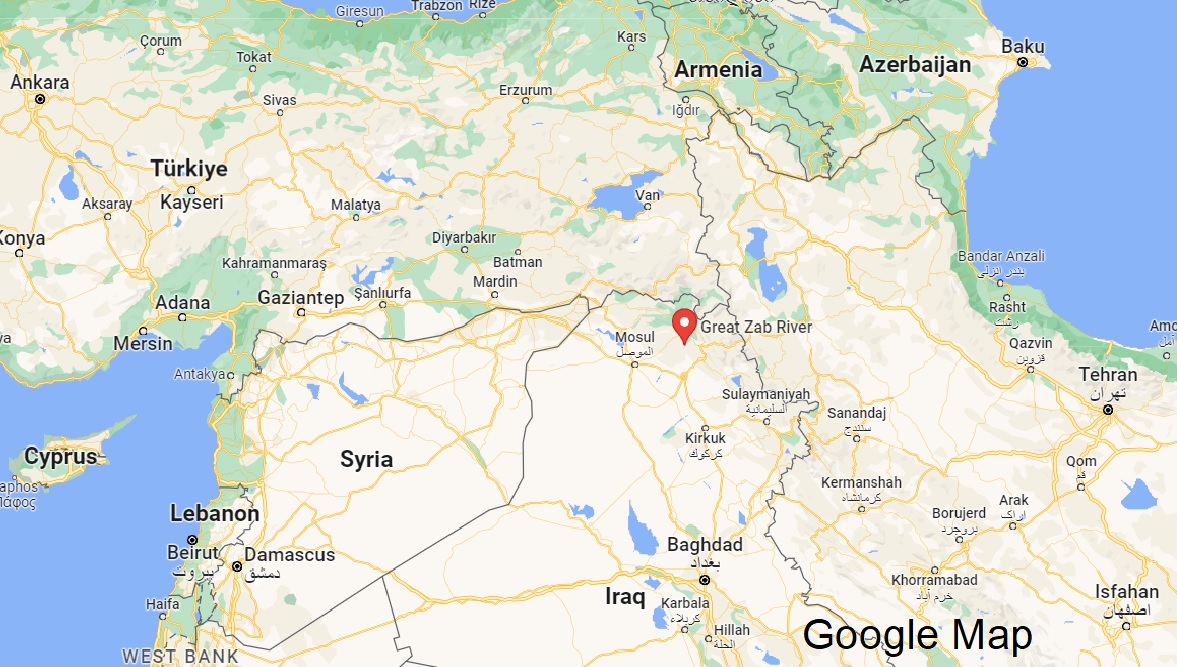
Great Zab River
後ウマイヤ朝
Caliphate of Córdoba
ウマイヤ朝王族はアッバース軍に殆ど虐殺されました。その中で、アブドッラフマーン1世(Abd al Rahman I) (731~788) (عبد الرحمن الأول)だけは、かろうじてシリアから逃げ、旧臣達と共にモロッコ(Morocco or Al Magrib) (المغرب)に辿り着きました。そこから旧臣達に助けられ、イベリア半島アンダルシア(Andalusia) (اندلس)のゴルドバ(Cordoba) (قرطبة) を都として後ウマイヤ朝(756~1031) (Caliphate of Córdoba (Later Umayyad Dynast)) (الدولة الأموية في الأندلس)を建設しました。アブドッラフマーン1世は、後ウマイヤ朝(756~1031)の始祖(r. 756~788)とされています。
Umayyad royal family was almost slaughtered by the Abbasid army. Among them, only Abd al Rahman I (731~788) (عبد الرحمن الأول) narrowly escaped from Syria to Morocco (Magrib) (المغرب). From there, with the help of his former retainers, he established Late-Umayyad Dynasty (756~1031) (الخلافة الأموية في قرطبة) with Cordoba (قرطبة) in Andalusia(اندلس) on the Iberian Peninsula as the capital. Abd al Rahman I is considered the founder (r.756-788) of (Caliphate of Córdoba (Later Umayyad Dynast)) (الدولة الأموية في الأندلس).
後ウマイヤ朝は、Caliphate of Córdobaと英訳されていますが、アラビア語(الدولة الأموية في الأندلس)ではアンダルシア(Andalusia)のウマイヤ朝と記述されています。
Later Umayyad Dynasty is translated into English as Caliphate of Córdoba, but Arabic (الدولة الأموية في الأندلس) means Umayyad dynasty in Andalusia.
アブドッラフマーン3世(Abd al Rahman III) (عبد الرحمن الثالث)は、英主とされた後ウマイヤ朝第8代アミール(r. 912/929~961)で、カリフを称しました。このことから後ウマイヤ朝(Caliphate of Córdoba)は、西カリフ帝国(Western Caliphate.)とも呼ばれます。
Abd al Rahman III (عبد الرحمن الثالث) was the superior eighth amir (r.912/929~961) of Caliphate of Córdoba. He declared himself as the Caliph. Afterwards, Caliphate of Córdobawas also called Western Caliphate.
ヒシャーム2世(Hisham II)(r. 976~1009, 1010~1013) (هشام الثاني)時代の宰相が、マンスール (Al Mansur Ibn Abi Aamir) (c. 938~1002) (المنصور مد بن أبي عامر)でした。彼は、西欧ではアルマンソール(Almanzor)として知られた名将でもありました。その軍勢は、985年にカタルーニャ(Catalunya or Catalonia)まで攻め込み、997年にはガリシア(Galicia)の一部まで占領する勢いを示しました。
Mansur (Al Mansur Ibn Abi Aamir) (c. 938~1002) (المنصور مد بن أبي عامر) was the vizier of Hisham II (r.976~1009, 1010~1013) (هشام الثاني). He was also a famous general known in the Western Europe as Almanzor. His army invaded Catalunya (Catalonia) in 985 and it showed momentum to occupy parts of Galicia in 997.
マンスールが1002年に死亡すると、後ウマイヤ朝(Caliphate of Córdoba)は、アラゴン王国(Kingdom of Aragon) (1035~1715)とカスティーリャ王国(Kingdom of Castile) (1035~715)に圧迫されました。1031年に最後のカリフ・ヒシャーム3世(Hisham III of Cordoba) (r. 1026~1031) (الثالث هشام)が亡くなると、大臣達による「評議会」によってカリフの廃位が決定されました。そして、後ウマイヤ朝(Caliphate of Córdoba)は、滅亡しました。
When Mansur died in 1002, Caliphate of Córdoba (Later Umayyad Dynasty) was threatened both by Kingdom of Aragon (1035~1715) and Kingdom of Castile (1035~715). Hisham III (r.1026~1031) (هشام الثالث) was the last caliph. When he died, a “council” of ministers decided to dethrone this Caliphate. Thus ended Caliphate of Córdoba.

 Desert peninsula