Abbasid Period




アッバース朝(Abbasid Caliphate) (750~1258) (الدولة العباسية)は、750年にウマイヤ朝(Umayyad Caliphate) (661~750) (الدولة الأموية)を倒し、イスラーム帝国(Caliphate) (خِلافة)を掌握しました。初代カリフ(750~754)にはアブー・アッバース(Abu al-‘Abbas) (721~754) (أبو العباس السفاح)が成りました。彼は、クライシュ族(Quraysh tribe)バヌー・ハーシム一門(Banu Hashim clan)で、預言者ムハンマド叔父アッバース(‘Abbas) (c. 566~c. 653) (العباس)の子孫です。アッバース朝最盛期の版図は、マグリブ(Maghreb)の大西洋側から東は遠く中央アジアに及んでいました。その支配は5世紀間にわたって続きましたが、1258年にモンゴル帝国(Mongol Empire) (1206~1368) (إمبراطورية المغول)のフレグ(旭烈兀)(Hulagu Khan) (1218~1265) (هولاكو خان)攻撃によって滅ぼされました。フレグは、蒙古帝国ジンギスカンの孫で、イルハン朝(Ilkhanate) (1256~1335)の初代ハーン(the first Khan) (r.1256~1265)です。
Abbasid Caliphate (750~1258) (الدولة العباسية) overthrew Umayyad Caliphate (661~750) (الدولة الأموية) in 750 and seized Islamic Empire (Caliphate) (خِلافة). The first Caliph (750~754) was Abu al-‘Abbas (721~754) (أبو العباس السفاح). He was a member of Quraysh tribe Banu Hashim clan, and also a descendant of the Prophet Muhammad’s uncle, ‘Abbas (c. 566~c. 653) (العباس). At the height of Abbasid Caliphate, its territory stretched from the Atlantic side of the Maghreb to the eastern Central Asia. It ruled for five centuries, but Hulagu Khan (1218~1265) (هولاكو خان) destroyed it by his attack in 1258. Hulagu Khan was a grandson of Genghis Khan of the Mongol Empire) (1206~1368) (إمبراطورية المغول) and the first Khan (r.1256~1265) of Ilkhanate (1256~1335).
目次(Index)
アッバース朝時代の誕生
Birth of the Abbasid Caliphate
743年にウマイヤ朝(Umayyad Caliphate)第十代カリフ(10th Umayyad caliph) (r.724~743)のヒシャーム(Hisham ibn Abd al-Malik) (هشام بن عبد الملك)が死去しました。前述した様にそれまでの第三次内乱(Third Muslim Civil War) (الفتنةالثالثـة)へとつながる不穏な動きが激化しました。そして、各地で中央政権に対する蜂起が相次ぎました。預言者ムハンマド(Prophet Muhammad)の叔父アッバース(‘Abbas)に連なる高貴な血統を根拠にアッバース家(Abbasid family)は、カリフ位(Caliph status)への権利を主張しました。
The tenth Umayyad Caliph (r.724~743) Hisham ibn Abd al-Malik (هشام بن عبد الملك) died in 743. As mentioned above, the unrest that led to the Third Muslim Civil War (الفتنةالثثـة) intensified. And there were a series of uprisings against the central government in various places. Based on the noble lineage of the Prophet Muhammad’s uncle ‘Abbas, the Abbasid family claimed the right to the Caliph status.
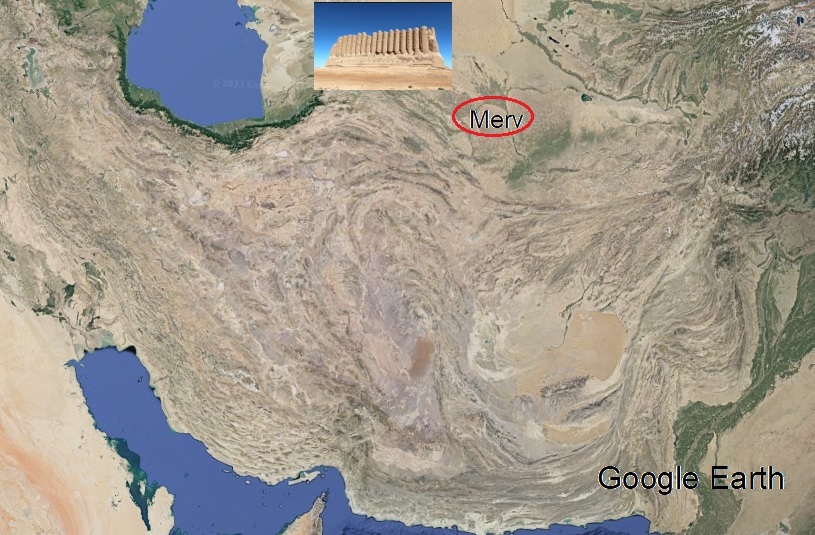
死海の南を拠点としていたアッバース家(Abbasid family)は秘密教宣員(ダーイー(Da’i)(داعي)を派遣してウマイヤ朝(Umayyad Caliphate)への不満を煽り、叛乱を組織させました。ダーイーの1人としてアブー・ムスリム(Abu Muslim Khorasani) (c. 700 – 755) (أبو مسلم الخراساني)は、単に「ふさわしい者を指導者に」を象徴した黒い旗を掲げ、747年6月9日にホラーサーン(Khorasan) (خراسان) のメルヴ(Merv) (مرو)近郊で挙兵しました。
The Abbasid family, based south of the Dead Sea, sent the secret missionaries (Da’i (داعي) to Umayyad Caliphate and stirred up dissatisfactions to organize rebellion. Abu Muslim Khorasani (c. 700~755) (أبو مسلم الخراساني) as one of the Da’ís simply hoisted a black banner symbolizing “the worthy to be the leader” and on June 9, 747, he raised his army near Merv (مرو). Merv is an ancient oasis in Khorasan.
その旗のもとにはシーア派諸勢力やイエメン系アラブ人のカフラーン族(Kahlan tribe)支族のアズド族(Azd) (أزد)などに加え、多くのイラン人改宗民(マワーリー(Mawali) (الموالي))が集まりました。殊にザイド派(Zaidiyyah) (لزيدية)はウマイヤ朝(Umayyad Caliphate)に対し「クーファ叛乱(ムフタールの乱)を起こしました。カイサーン派(الكيسانية) (al-Kaysānīya)は、カルバラの戦い(Battle of Karbala)で殺されたシーア派第3代イマーム(the third Imam of Shia Islam)のフサイン(Husayn ibn Ali) (الحسين بن علي)の復讐を果たせるものと考えて大挙して参加し、イラン東北部の支配を確立しました。
Under its banner, in addition to the Shia forces and Azd (أزد) of Kahlan tribe branch of Yemeni Arabs, many Iranian converts (Mawali) (الموالي) gathered together.
In particular, Zaidiyyah (لزيدية) had launched the “Kufa Rebellion (Mukhtar Rebellion)” against Umayyad Caliphate. The Kaysaniya (الكيسانية) joined in large numbers to “Kufa Rebellion” believing that they could avenge Husayn ibn Ali killed during the Battle of Karbala. Husayn ibn Ali (الحسين بن علي) was the third Imam of Shia Islam. In this way, finely they established their control of northeastern Iran.
ムフタールの乱:イブン・アッズバイル(Ibn al-Zubay)がカリフ位を僭称中に過激シーア派のカイサーン派 (al-Kaysaniya) (الكيسانية)のムフタール(Mukhtar al-Thaqafi) (622~686) (المختار الثقفي)がクーファ(Kufa)で起こした反乱です。彼は,ハニーファ族(Banu Hanifa clan)の女が生んだアリー(Ali)の息子ムハンマド・イブン・アルハナフィーヤ(Muhammad ibn al-Hanafiyya) (637~ 700)をイマーム(Imam)にしてマフディー(Mahdi) (المهدي)と宣言し、自らをそのワジール(代理) ( Wazir) (وزير)と称しました。アリーの子フサイン(Husayn ibn Ali)の血の復讐を求め,685年10月,ウマイヤ朝の総督を追放しクーファ(Kufa)に政権を樹立し,一時はバスラを除くイラク南半とペルシア南西部を18か月に渡り支配しました。(原典:平凡社世界大百科事典)
Mukhtar’s Rebellion: Mukhtar al-Thaqafi (622~686) (المختار الثقفي), a radical Shia al-Kaysaniya (الكيسانية), raised in Kufa while Ibn al-Zubay was claiming the caliphate. Muhammad ibn al-Hanafiyya (637~700) was the son of Ali, born to a woman of Banu Hanifa clan. Mukhtar made him an Imam and declared him Mahdi (المهدي). And Mukhtar called himself Wazir (وزير), which was a deputy of Imam. Seeking blood revenge on Ali’s son Husayn ibn Ali, in October 685, Mukhtar expelled the Umayyad governor and established a government in Kufa. This government had briefly been ruling the southern Iraq and southwestern Persia except Basra for 18 months. (Original: Heibonsha World Encyclopedia).
ウマイヤ朝(Umayyad Caliphate)カリフ・マルワーン2世(Marwan II)は、シリアの叛乱に対する対応に忙殺されていました。この隙に乗じて、アブー・ムスリム(Abu Muslim Khorasani)は、カフラーン・カフターン・アラブに属するタイイ族のメンバーであるカフタバ (Kafutaba) (كافتابا)に指揮をさせて革命軍を西方へ派遣しました。すでに弱体化していたウマイヤ朝軍の抵抗は、ほとんどありませんでした。現地住民は、むしろ革命軍を解放者として迎えました。イラン各地の都市が続々と無血開城し、革命軍は、749年にクーファを占領しました。アッバース家(Abbasid family)のアブー・アッバース(Abu al-‘Abbas)をカリフ(r. 750 – 754)とする宣言が発せられ、クーファの大モスクでアブー・アッバースの即位式と忠誠の誓いが行なわれました。アブー・ムスリムには「ムハンマド家のアミール」という称号を与えられました。
Umayyad Caliph Marwan II was busy responding to the Syrian rebellion. Taking advantage of this opportunity, Abu Muslim Khorasani sent a revolutionary army westward with the commander Kafutaba (كافتابا), a member of Tayy tribe (طيء) belonging to the Kahlan Qahtan Arab. There was little resistance from the already weakened Umayyad army. The local population rather greeted the revolutionary army as liberators. Cities across Iran were bloodlessly opened, and the revolutionary forces captured Kufa in 749. Abu al-‘Abbas of Abbasid family inaugurated the first Abbasid Caliph (r.750~754), and Abu Abbas’ enthronement ceremony and oath of allegiance were taken at the Great Mosque of Kufa. Abu Muslim was given the title “Amir of House of Muhammad.”
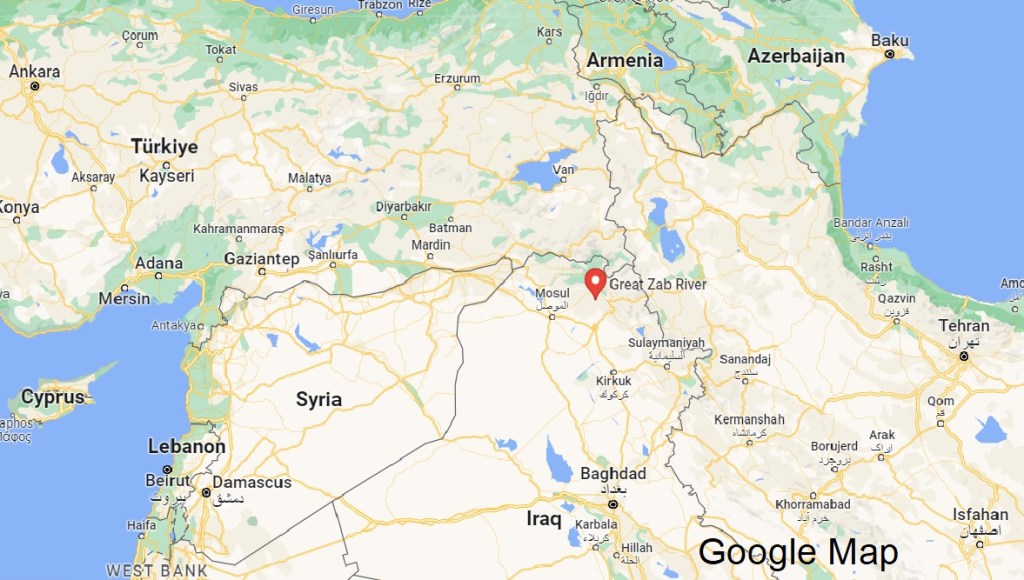
750年1月にアブドゥッラー・イブン・アリー(Abdullah ibn Ali Muhammad) (عبد الله بن علي) が率いるアッバース革命軍部隊は、大ザーブ河畔でマルワーン2世を大敗させました。前述したようにマルワーン2世は、その後にエジプトで殺害されました。さらに、都ダマスカスも4月26日に陥落し、ウマイヤ朝(Umayyad Caliphate)は滅亡しました。
Abdullah ibn Ali Muhammad (عبد الله بن علي) led in January 750 Abbasid Revolutionary Army units and defeated Marwan II on the banks of the Great Zab River. As mentioned above, Marwan II was subsequently murdered in Egypt. The city of Damascus also fell on April 26, and Umayyad Caliphate perished completely.
Great Zab River
アッバース革命
Abbasid Revolution
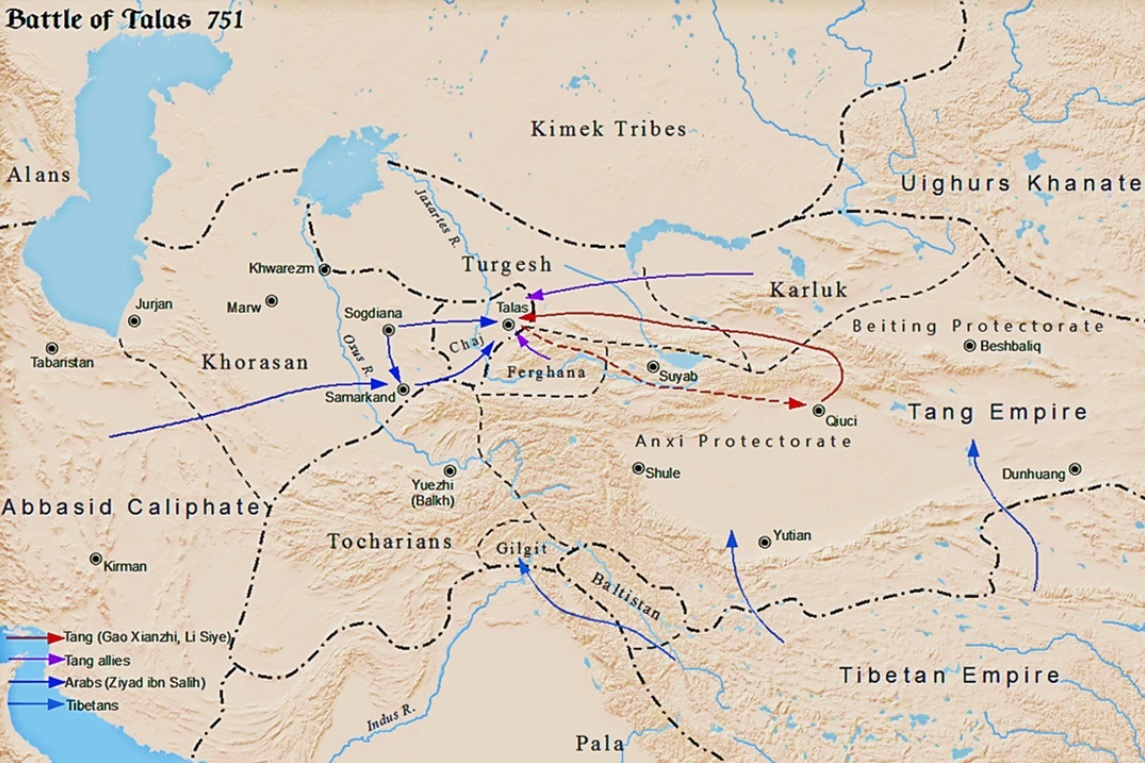
アブー・アッバース(Abu al-‘Abbas)は、その後にアラブ人の多数派であるスンニー派(Sunni Islam)に転向しました。それでもイラン人改宗民(マワーリー(Mawali))が望んでいたアッバース革命(Abbasid revolution)は、推進させました。非アラブ・ムスリムに課せられていたジズヤ(人頭税)(Jizyah)、アラブ・ムスリムの特権であった年金(俸給アター(`Ata’)と現物給リズク(Rizq))支給等を廃止して差別を撤廃し、イスラーム教の教理に基づき、秩序の確立し、国家基盤を強化しました。さらに751年には高仙芝(Gao Xianzhi)が率いる唐軍3万人を「タラス河畔の戦い (Battle of Talas) (معركة نهر طلاس)(怛羅斯戰役)」で破り、シルクロード(Silk Roads) (طريق الحرير)の覇権を握りました。
Abu al-‘Abbas later converted to the Sunni Islam, the Arab majority. Yet the Abbasid revolution, which Iranian converts (Mawali) wanted, had been promoted. He eliminated discrimination by abolishing Jizyah (poll tax) imposed on non-Arab Muslims and the pension payments (‘Ata’ and Rizq) that were privileges of Arab Muslims; Based on the doctrines of Islam, he established order and strengthened the foundation of Caliphate. In 751, he defeated 30,000 Tang troops led by Gao Xianzhi at the Battle of Talas (معركة نهر طلاس) (怛羅斯戰). And then, he seized the supremacy the Silk Road (طريق الحرير).
https://en.wikipedia.org/wiki/Battle of Talas#/media/File:Battle of Talas.png
バグダードへの遷都と中央集権的官僚制導入
Relocation of capital to Baghdad and introduction of centralized bureaucracy
第二代カリフにマンスール(Abu Ja’far al Mansur) (r. 754~775) (أبو جعفر المنصور)がカリフに就くと、762年にバグダードに新都を造営し、中央集権的官僚制を導入しました。こうしてカリフの権力基盤を固め、イマームも兼任して宗教的な地位も固めました。またペルシア人を近衛兵部隊に登用するなどのマワーリー(Mawali)懐柔策も行っています。
When Abu Ja’far al Mansur (r. 754~775) (أبو جعفر المنصور) became the second Caliph, he built a new capital in Baghdad in 762 and introduced the centralized bureaucracy. In this way, he consolidated the power base of Caliphate and also consolidated his religious status by serving as the imam. He also carried out conciliatory measures such as appointing Persians to the Imperial Guard.
第五代カリフのハールーン・ラシード(Harun al-Rashid) (r. 786~809) (هارون الرشيد)(アッバース朝第5代カリフ)治世がアッバース朝の最盛期であり、「千夜一夜物語」等でもその繁栄ぶりが記述されています。第七代カリフのマアムーン(Al Ma’mun)(r. 813~833) (المأمون)は文化活動にも熱心であり、バグダードに知恵の館(The House of Wisdom) (بيت الحكمة)を設けてギリシャ語文献のアラビア語への翻訳を組織的に行う等しました。
The reign of the fifth Caliph Harun al-Rashid (r. 786~809) (هارون لرشيد) was the height of Abbasid Caliphate. The “Tale of One Thousand and One Nights” etc. also describes its prosperity. Al Ma’mun (r. 813~833) (المأمون), the seventh Caliph, was also keen on the cultural activities such as the House of Wisdom (بيت الحكمة) in Baghdad systematically for translating the Greek literatures into Arabic.
ザンジュの乱と地方政権自立
The Zanj Rebellion and the independence of local governments
9世紀後半の869年に50万人もの黒人奴隷がイラクの南部でザンジュの乱(Zanj Rebellion) (869~883) (الزنج ثورة) を起こしました。この乱は、カリフの権威を大きく傷つけたばかりでなく、10年以上も続いて地方政権自立を促しました。
In the late 9th century, in 869, as many as 500,000 black slaves fought the Zanj Rebellion (869~883) (الزنج ثورة) in the southern Iraq. The rebellion not only greatly damaged the authority of Caliphate, but also encouraged the independence of local governments for more than a decade.

Map of Central Abbasid caliphate during the Zanj rebellion, from 869 to 883 A.D.
https://en.wikipedia.org/wiki/Zanj_Rebellion
さらに、10世紀にはファーティマ朝(Fatimid Islamic Caliphate) (909~1171) (خلافة فاطمية)や後ウマイヤ朝(Caliphate of Córdoba) (756~1031) (قرطبة خلافة)もカリフを称し、3カリフが鼎立しました。
Furthermore, in the 10th century, Fatimid Islamic Caliphate (909~1171) (خلافة فاطمية) and Later Umayyad Caliphate (Caliphate of Córdoba) (756~1031) (قرطبة خلافة) also claimed to be Caliphates. In this time being, 3 Caliphates existed at the same time.
ブワイフ朝とセルジューク朝の台頭とアッバース朝政治権力の制限
The Rise of the Buwayfs and Seljuks and the Limitation of Abbasid Political Power
カスピ海南西の山岳地帯ダイラム(Daylamites)出身のシーア派イラン王朝のブワイフ朝(ブイド王朝)(Buyid dynasty) (934~1055/1062) (الدولة البويهية)が台頭し、イラクとイラン中部および南部をその支配下にいれました。945 年にバグダッドを占領すると、アッバース朝カリフの権力をイスラーム帝国の大部分で儀式的な宗教的機能に縮小し、カリフの権威を利用してイラクとイランを一時的に支配しました。このため、アッバース朝カリフの政治的権力は、わずかにメソポタミアの領土の支配のみに制限されてしまいました。
Buyid Dynasty (934~1055/1062) (الدولة البويهية), a Shiite Iranian Dynasty from Daylamites, a mountainous region of the southwest of the Caspian Sea, rose and took control of Iraq and the central and southern Iran. After the capture of Baghdad in 945, it reduced the power of Abbasid Caliphate to a ceremonial religious function for much of Islamic Empire, using the Caliph’s authority to temporarily control Iraq and Iran. As a result, the political power of Abbasid Caliphate was narrowly limited to control of Mesopotamian territory.
1055年には、トゥグリル(Tughril) (طغریل)によって、バグダッドが征服されて、ブワイフ朝が排除されました。しかし、アッバース朝の権力の制限は、そのまま引き継がれました。トゥグリル(Tughril) (طغریل)は、トルコマン族長(Turkomanchieftain)で、正式名は、トゥグリル・ベグ(Abu Talib Muhammad Tughril ibn Mika’il)です。トゥグリル(Tughril)は、セルジューク朝(Seljuk Empire) (1037~1194) (الدولة السلجوقية)を建国しました。この帝国は、1037 年から 1063 年までアナトリアからペルシア方面の元アッバース朝領土の大半を統治しました。
In 1055, Tughril (طغریل) conquered Baghdad and eliminated Buyid Dynasty. However, the restrictions on power of Abbasid Caliphate continued as they were. Tughril (طغریل) was a Turkoman-chieftain, officially known as Abu Talib Muhammad Tughril ibn Mika’il. Tughril founded Seljuk Empire (1037~1194) (الدولة السلجوقية). This empire ruled most of the former Abbasid territories from Anatolia to Persia from 1037 to 1063.

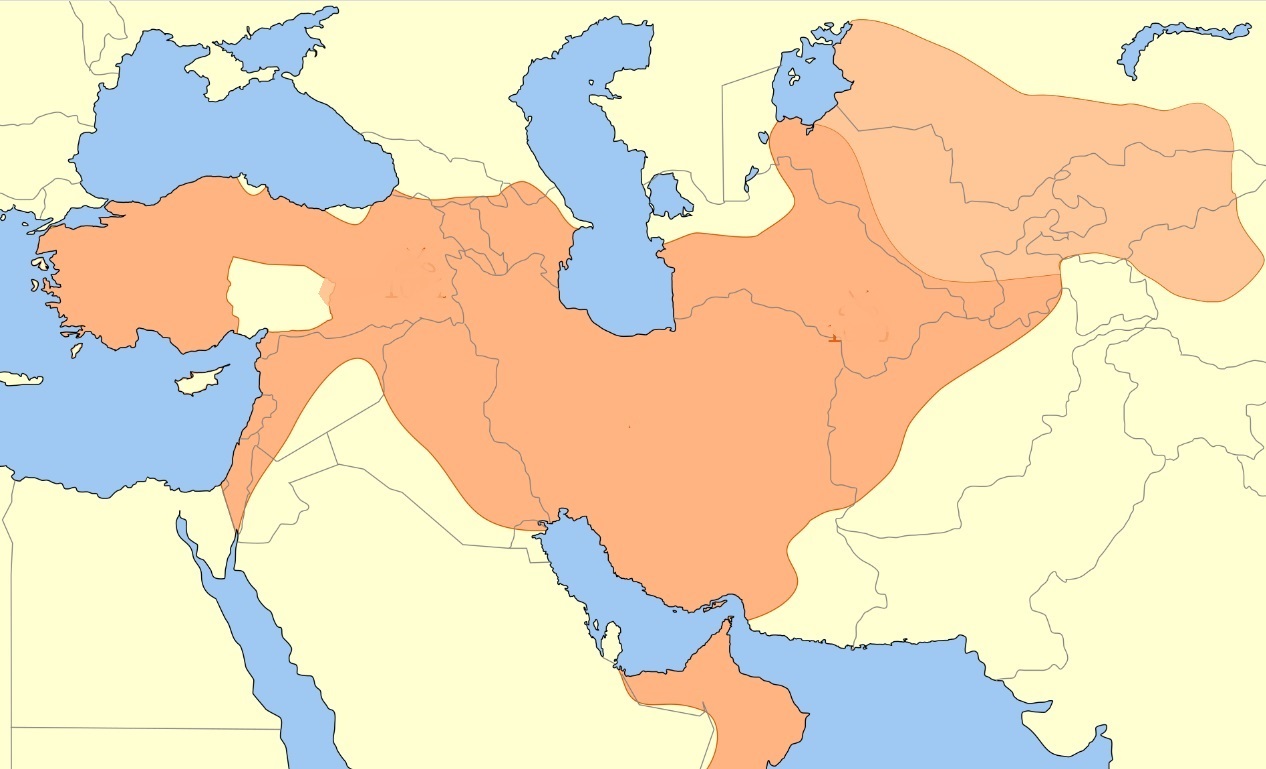
Buyid dynasty in 970
https://upload.wikimedia.org/wikipedia/commons/thumb/5/53/Buyids_970.png/1280px-Buyids_970.png
Seljuk Empire at its greatest extent in 1092
https://upload.wikimedia.org/wikipedia/commons/thumb/c/c3/Seljuk_Empire_locator_map.svg/1920px-Seljuk_Empire_locator_map.svg.png
軍事力の復活 (1118~1258)
Revival of Military Power (1118~1258)
第29代カリフ・ムスタシド(29th Caliph Al-Mustarshid Billah) (r.1118~1135) (المسترشد بالله)は、セルジューク朝軍(Seljuk army)と戦闘で対抗できる軍隊を構築した最初のカリフでした。しかし、1135 年に敗北し、暗殺されました。第31代カリフ・ムクタフィ(31st Caliph Al-Muqtafi) (r.1136~1160) (المقتفي لأمر الله)は、宰相(vizier)イブン フバイラ(Ibn Hubayra)の助けを借りて、カリフの完全な軍事的独立を回復した最初のアッバース朝カリフでした。 250 年近く外国の王朝に服従した後、ムクタフィ(Al-Muqtafi)は、「バグダッドの包囲戦 (1157 年) (Siege of Baghdad (1157))」でセルジューク帝国(Seljuk Empire)からバグダッドを守ることに成功し、アッバース朝のためにイラクを確保しました。
The 29th Caliph Al-Mustarshid Billah (r.1118~1135) (المسترشد بالله) was the first Caliph to build an army that could be countered in a battle with a Seljuk army. However, he was defeated and assassinated in 1135. The 31st Caliph Al-Muqtafi (r.1136~1160) (المقتفي لأمر الله) was the first Abbasid Caliph to restore the full military independence of Caliphate, with the assistance of his vizier Ibn Hubayra. After nearly 250 years of the submission to the foreign dynasties, Al-Muqtafi successfully defended Baghdad from Seljuk Empire in the Siege of Baghdad (1157) and secured Iraq for Abbasid-Caliphate.
第34代(r.1180~1225)カリフ・ナースィル(34th Caliph Al-Nasir li-Din Allah) (الناصر لدين الله) の治世は、主にカリフが率いるスフィー・フトゥッワ (Sufi futuwwa) 組織に基づいて、イラク全土でカリフ制を復活させました。第36代カリフ・ムスタンシル(36th Caliph Al-Mustansir I) (1226~1242) (منصور المستنصر بالله)は、セルジューク時代(Seljuk-era)のニザム・アル・ムルク(Nizam al Mulk)によって建設されたニザミヤ(Nizamiyya)を凌駕しようとして、ムスタンシリヤ学校(Mustansiriya School) (المدرسة المستنصرية)を建設しました。
The reign of the 34th Caliph (r.1180~1225) Al-Nasir li-Din Allah (الناصر لدين الله) restored Caliphate throughout Iraq mainly on the basis of the organization of the Sufi futuwwa led by the Caliph himself. The 36th Caliph Al-Mustansir I (1226~1242) (منصور المستنصر بالله) built the Mustansiriya School (المدرسة المستنصرية) in an attempt to surpass the Nizamiyya built by Nizam al Mulk in Seljuk-era.
スフィー・フトゥッワ (Sufi futuwwa):イスラーム神秘主義スーフィズム(Sufism)に基づき、戦闘的性格とともに勇敢さ、寛容さ、客人のもてなし、といった倫理、道徳規範を有した集団。
Sufi futuwwa: A group based on Islamic mystic Sufism that possesses ethical and moral codes such as bravery, tolerance, and hospitality of guests as well as a militant character.
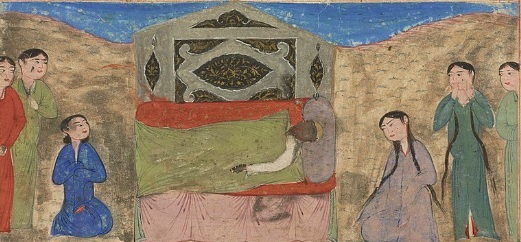
Death of the Abbasid Caliph al-Mustarshid, Assassinated in the year 1135
https://en.wikipedia.org/wiki/Siege_of_Baghdad_(1157)
モンゴル帝国のバグダード攻略とアッバース朝の滅亡
Mongol Empire’s capture of Baghdad and the fall of the Abbasid Caliphate
セルジューク朝(Seljuq Dynasty)の衰退後には1258年にモンゴル帝国(Mongol Empire) (1206~1368)の第四代皇帝(4th khagan-emperor) (1251~1259)憲宗(Mongke Khan) (1209~1259)の命を受け、旭烈兀(フレグ)(Hulagu Khan)指揮下のモンゴル軍10万人がバグダード(Baghdad) (بغداد)を攻略しました。モンゴル軍は、カリフを殺して徹底的な略奪を行い、アッバース朝を滅ぼしました。マムルーク朝(Mamluk Sultanate) (1250~1517)第五代スルターン(5th Sultan) (r. 1260~1277)のバイバルス(بيبرس البندقداري) (Baibars al Bunduqdari)は、カイロに逃れたカリフの叔父をカリフ・ムスタンスィル2世(له الثاني بال المستنصر) (Al Mustansir II)として保護しました。このためカリフ位は、その後250年にわたって名目的には続きました。1517年にオスマン帝国(Ottoman Empire) (1299~1923)の第九代皇帝(9th Sultan) (r. 1512~1520) セリム1世(سليم الأول) (Selim I)がマムルーク朝を滅ぼすと、アッバース家(Abbasid family)のカリフの継承を認めませんでした。
After the decline of Seljuq Dynasty in 1258, the fourth khagan-emperor (1251~1259) of Mongol Empire (1206~1368) Mongke Khan (1209~1259) ordered 100,000 Mongol troops under Hulagu Khan to capture Baghdad (بغداد). The Mongols killed the Caliph and plundered thoroughly and destroyed Abbasid Caliphate.
The 5th Sultan (r. 1260~1277) Baibars (Baibars al Bunduqdari) of Mamluk Sultanate (1250~1517) protected the Caliph’s uncle, who had fled to Cairo, as the Caliph Mustansir II (له الثاني بال المستنصر) . For this reason, Caliphate remained nominally for the next 250 years. When the ninth Emperor (r.1512~1520) Selim I (سليم الأول) of Ottoman Empire (1299~1923) destroyed Mamluk Empire in 1517, Selim I did not recognize the succession of the Abbasid family Caliph.
 Desert peninsula


