Jeddah, the Port of the Holy City

Sambuk (سمبوك)

646年に第三代正統カリフ・ウスマーンによって聖都メッカの港がジェッダの南20kmにあるシュアイバ(Ash Shaibah) (الشعبية)から少し間近で天然条件がもっと有利なジェッダに移されました。イスラーム帝国が拡大するにつれて征服戦争から生み出される莫大な富でジェッダはエジプト、半島南部、紅海西岸およびインドからの供給を聖なる都市に運ぶ活発な紅海貿易の中心となりました。帝国の世俗的中心がウマイヤ朝(661~750)のカリフの治世下でダマスカスに移り、さらにアッバース朝 (750~1258) のカリフの治世下でバクダッドに移りました。その結果としてメッカの経済的、政治的な重要性は薄れましたが、メッカが聖都としての名声を失う事は、ありませんでした。ジェッダはメッカの港として巡礼受け入れや地方交易の恩恵を受けていました。
In 646, the third Rashidun Caliph Uthman moved the port of the holy city of Mecca from Ash Shaibah (الشعبية) which is 20km south of Jeddah, to Jeddah, where natural conditions were more favourable. As Islamic Empire expanded, the immense wealth generated from the wars of conquest made Jeddah a center of active Red Sea trade that carried supplies from Egypt, the southern part of the peninsula, the west coast of the Red Sea and India to the holy city. The secular center of Empire moved to Damascus under the reign of Umayyad caliphate (661~750) and then to Baghdad under the reign of Abbasid caliphate (750~1258). As a result, Mecca’s economic and political importance diminished, but it never lost its reputation as the holy city. Jeddah benefited from pilgrimage reception and local trade as a port of Mecca.
目次(Index)

ラスール朝
モンゴル人が1258年にバクダッドに侵攻し、アッバース朝、、滅びました。ただ、カリフの一族がマムルーク朝(1250 ~1517)スルターンの庇護の下に移り、引き続き、カリフを名乗っていました。カリフ統治の失墜で東洋貿易の大部分が以前のアラビア湾のバスラ経由バクダッドに向かっていたルートから紅海経由でエジプトへ向かうルートに変わりました。
Rasulid dynasty
Mongols invaded Baghdad in 1258 and Abbasid Caliphate fell down. However, the caliphate’s family moved under the protection of Mamluk sultanate (1250~1517) and continued to call themselves caliphs. With the fall of the caliphate, much of the oriental trade shifted from the former route to Baghdad via Basra on the Arabian Gulf to the new rout to Egypt via the Red Sea.
紅海の北半分には暗礁、浅瀬、逆流およびつむじ曲がりの風が多く、大きな船の航行は不能でした。このため貨物は紅海南部の港でジェルバ(Jelba) (الجلبة)(1本マスト2枚三角帆7-10mの小さな客船)、サンブーク(Sambuk) (سمبوك)(ダウに似た小帆船)やその他の小さな木製の舟に積み替えられ、エジプトの主要港であるクサイル(コセイル)(Al Qusair or Kosseir) (القصير)(フルガダ(Hurghada)南205km)、スエズ或いはシナイ半島のトール(El-Tor) (الطور)へと運ばれていました。
The northern half of the Red Sea was dominated by reefs, shallow waters, backcurrents and whirlwinds that made it impossible for large ships to navigate. For this reason, the cargo was sent to ports in the southern Red Sea to transship to such small wooden boats as Jelba (الجلبة), Sambuk (سمبوك), etc and then transferred to Qusair (القصير), Suez or El-Tor (الطور) in the Sinai Peninsula.
この変化でイエメンがもっとも実際な利益を得ました。オグズ(Oghuz Turk)出身のラスール朝(Rasulid dynasty) (1229~1454) (الرسولية)は、13世紀に勢力を得て、イエメンとハドラマウト(Hadramaut) (حضرموت)を支配していました。その商業活動に支援されてアデン(Aden) (عدن)は、インド、ペルシアおよび中国の船が入港する偉大な東洋貿易の中心となりました。アデンはこの小舟による海上輸送の積み替え港として利用されていたばかりでは無く、ラクダ隊商を使った陸上輸送への積み替えも行われていました。
Yemen benefited the most from this change. Rasulid dynasty (1229~1454) (الرسولية) from Oghuz Turk gained power in the 13th century and ruled Yemen and Hadramaut (حضرموت). Supported by its commercial activities, Aden (عدن) became a great centre of the oriental trade, with Indian, Persian and Chinese ships docking. Aden was not only used as a transshipment port for sea transport by these small boats, but also transshipment to land transport using camel caravans
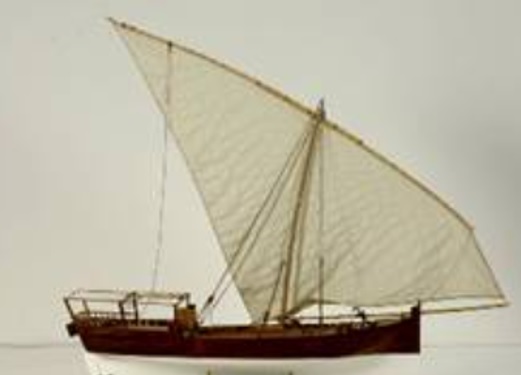
ジェルバ(Jelba) (الجلبة):二本のマスト付き三角形の帆を備え、船長7-10 mの小型客船。
Jelba (الجلبة): Small passenger ships with two masted triangular sails of 7-10 m.
サンブク(Sambuk) (سمبوك):ダウ船に似た小型帆船(タイトルを参照)です。
Sambuk (سمبوك): Small sailing ships similar to dhows (see page top).
クサイル(Qusair or Kosseir) (القصير):フルガダ(Hurghada) (الغردقة)の南205kmに位置し、コセイルとも読みます。
Qusair (القصير): It locates 205 km south of Hurghada (الغردقة) and also read as Kosseir.
Jelba (الجلبة)

アデン港交易禁止命令
Port of Aden Trade Embargo Order
ヒジャーズのシャリーフ政権下での内紛での混乱と治安の悪化が当時のアデンの支配者ラスール朝による商人達に対するアミール所有の駱駝隊商の使用強制等の法外な強請を招きました。これに反発したカリカットの商人達は、紅海の南半分は、大きなインド貨物船の航行が可能なので、1424年に積み替え港としてアデンの代わって安全なジェッダを選定しました。この直ぐ後にマムルーク朝スルターン・バルスバーイ(Barsbay) (r.1422~1438) (برسباي)は、アデンに荷揚げされた貨物に対して交易禁止命令を出しました。このためジェッダは東方の商品に対する唯一の公認輸入港と成りました。1431/1432年には中国から数隻のジャンクがアデンでは妥当な条件で貨物を荷下ろし出来なかったためにジェッダに現れています。
The confusion and deterioration of security caused by the internal strife under the regime of Hijaz Sharif led to exorbitant coercion by Rasul dynasty, the ruler of Aden at the time, against merchants, such as forcing them to use the Amir’s own camel caravans. In 1424, Calicut merchants opposed this and chose Jeddah as a safe transshipment port in place of Aden because the southern half of the Red Sea was navigable by large Indian freighters. Shortly after this, the Mamluk Sultan Barsbay (r.1422~1438) (برسباي) issued an embargo on the cargo unloaded in Aden. This made Jeddah the only authorized port of import for Eastern goods. In 1431/1432 several junks from China appeared in Jeddah because they could not unload their cargo in Aden under reasonable conditions.
ボスポラス海峡閉鎖
Closure of Bosphorus Strait
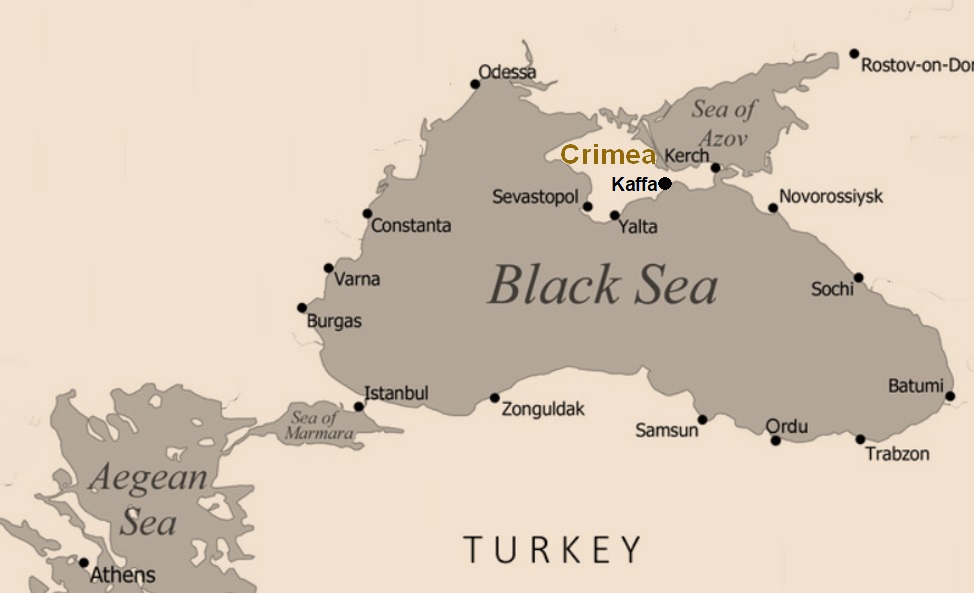
1453年にジェッダは、もう一つの好ましい歴史的環境を得ました。オスマン帝国(Ottoman Empire) (1299~1923) (الدولة العثمانية)の第7代皇帝(r.1432~1481)メフメト2世(Mehmed II) (محمد الثاني)は、コンスタンチノープル(Constantinople)(ビザンチン帝国 (Byzantine Empire) (395~1453))を陥落さました。その後、メフメト2世は、ボスポラス海峡(Bosphorus)を閉鎖して中央アジアを越える東方貿易の陸上交易路の黒海へのターミナル港であったクリミア半島のカッファ港(Kaffa)やアゾフ海の港等への通行を遮断しました。これによって紅海だけが安全で実用的な交易路として残され、この伝統的交易路を支配していたアラビア人とエジプト人が東方交易だけではなく香辛料交易についても事実上の独占権を完全に手にしました。
In 1453 Jeddah got another favorable historical environment. Ottoman Empire (1299~1923) (الدولة العثمانية) 7th Emperor (r.1432~1481) Mehmed II ( محمد الثاني) captured Constantinople (Byzantine Empire) (395~1453). Later, Mehmed II closed the Bosphorus (Bosphorus) for trade ships not to access to the port of Kaffa in the Crimea as well as the ports of the Sea of Azov. They were the terminal ports of the Black Sea for the overland routes of the eastern trade across the Central Asia (the silk road). This left the Red Sea alone as the safe and practical trade route, and the Arabs and Egyptians, who controlled this traditional trade route, gained full monopoly over the spice trade as well as the eastern trade.
Black Sea
マムルーク朝のポルトガル艦隊への対抗
Mamluk countering to the Portuguese fleet
ヴァスコ・ダ・ガマ(Vasco da Gama) (1469~1524)が1498年5月20日にインドに到着し、喜望峰まわりの航路開設に成功すると、ポルトガルは、アラブ船の交易禁止措置を取りました。この措置は、ジェッダの扱う東洋交易に打撃を与え、シャリフ朝(شريف مكة)のみならずその宗主国であるマムルーク朝の関税歳入を激減させました。その上にポルトガル艦隊は、アラブ商船や巡礼船に対する海賊行為を行い始めました。
Vasco da Gama (1469~1524) arrived in India on May 20, 1498. After the successful opening of this route, Portugal imposed a trade embargo on Arab ships. This measure dealt a blow to Jeddah’s oriental trade and drastically reduced customs revenues not only for Sharif of Mecca but also for its suzerainty, Mamluk Sultanate. Moreover, the Portuguese fleet began piracy against Arab merchant and pilgrimage ships.
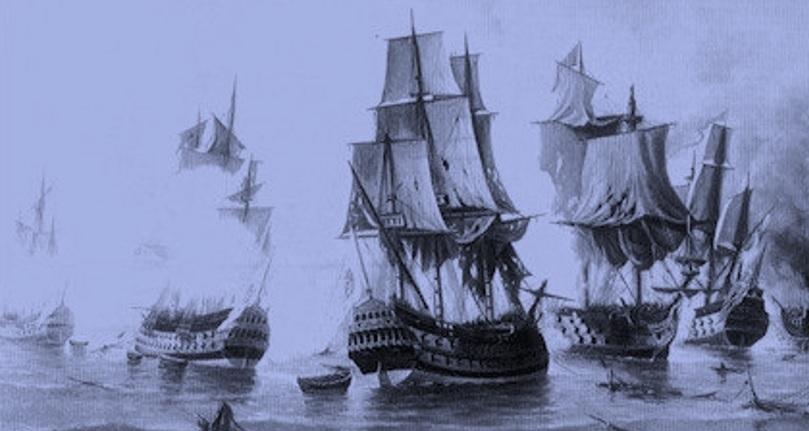
この為、ブルジー マムルーク朝(Burji Mamuluk) (1382~ 1517)スルターン・カンスーフ・ガウリー(Qansawh al-Ghawr) (r.1501-1516) (قنصوه الغوري)は、対抗措置として先ずローマ教王に抗議しました。これが聞き入れられなかったのでスルターン・カンスーフ・ガウリーは海軍遠征部隊を組織しました。最初の艦隊には側近で悪名高い程に残酷なフサイン・クルディー(Husayn al-Kurdi) (حسين الكردي)が指揮官でした。この艦隊は、ポルトガル総督フランシスコ・ダルメイダ(Francisco de Almeida) (c. 1450 ~1510)の艦隊と1509年2月3日にインドのディウ沖(Diu) (ديو)で交戦し、凶暴な海戦で血みどろの敗戦を被りました。
So Burji Mamluk dynasty (1382~ 1517) Sultan Qansawh al-Ghawri (r.1501-1516) (قنصوه الغوري) protested to the Pope as his first countermeasure. This was not heeded and Sultan Qansawh al-Ghawri organized a naval expeditionary force. The first fleet was commanded by his close entourage and notoriously cruel Husayn al-Kurdi (حسين الكردي). This fleet engaged the fleet of Portuguese Governor Francisco de Almeida (c. 1450~1510) off the coast of Diu, India on 3 February 1509, and suffered defeat after the ferocious bloody naval battle.
メッカのシャリフ(Sharif of Mecca):メッカ、メディナと周辺のヒジャーズを統治するメッカのシャリフ朝(شريف مكة)の長Amir (أمير)ででした。 シャリフという用語はアラビア語で「高貴な」、「高貴な」という意味で、預言者ムハンマドの孫であるアル・ハッサン・イブン・アリの子孫を表すために使用されます。
The Sharif of Mecca (شريف مكة): The Amir (أمير) of the Sharif dynasty of Mecca, which ruled over Mecca, Medina and the surrounding Hijaz. The term Sharif means “noble” or “noble” in Arabic and is used to describe the descendants of Al-Hassan ibn Ali, a grandson of the Prophet Muhammad.
Battle of Diu in Feb.1509
フサイン・クルディーは、ジェッダに撤退すると直ぐにこの市の周囲に強固な城壁を作る決定を布告しました。城壁への通路を空ける為にこの町の全ての区画を斟酌せずに早急に取り壊しました。立ち退かされた家の持ち主達からの反対は無慈悲にも流血を持って押さえつけられ、恐れずに抵抗した多くの人々が城壁の中に生きた儘で閉じこめられました。
As soon as Husayn Kurdi withdrew to Jeddah, he decreed the decision to build a strong wall around the city. In order to clear the passage to the ramparts, all sections of this town were quickly demolished without consideration. Opposition from the evicted owners was ruthlessly bloodily suppressed, and many who fearlessly resisted were trapped alive within the city walls.
一方で自軍の艦隊が完全に壊滅させられたのを知り、スルターン・カンスーフ・ガウリーは、スエズで新しい艦隊を建造し、その司令官にライス・スライマーン(Rais Sulayman) (سليمان)ブルジー マムルーク朝海軍提督を任命しました。ライス・スライマーンはジェッダへ赴き、そこのマムルーク人達と合流しました。そしてスライマーン自身が上陸部隊とフサイン・クルディーの艦隊を指揮して、ポルトガルに対する再攻撃を開始する様に命令されました。
On the other hand, knowing that his own fleet was completely destroyed, Sultan Qansawh al-Ghawri built a new fleet at Suez and appointed Rais Sulayman (سليمان) to the Burji Mamluk admiral as the commander of that fleet. Rais Sulayman went to Jeddah to join the Mamluks there. Sulayman himself was ordered to command the landing force and Husayn Kurdi’s fleet to launch another offensive against Portugal.
スライマーンとフサイン・クルディー、ジェッダの防御を予め十分固めて1515年に出発しましたが、ポルトガル前哨基地としてのアデンさえも征服できず、1516年秋にジェッダへ引き上げてきました。フサイン・クルディーが狡猾で残酷な専制君主の様にふるまい始め、ライス・スライマーンとの間の敵意が燃え上がりました。恐らく欲求不満のはけ口としてフサイン・クルディーは一般人に対して忌まわしい残虐行為を行いました。幾人かのジェッダ住民が土牢に押し込められ、はらわたを抜き出されたり、拷問で殺されたりしない日は、ありませんでした。フサイン・クルディーの行く所はどこにでも絞首門が設けられていました。
Sulayman and Husayn Kurdi set out in 1515 with preparing enough defense for Jeddah in advance, but were unable to conquer even the Portuguese outpost of Aden and withdrew to Jeddah in the fall of 1516. Husayn Kurdi began to behave like a cunning and cruel tyrant, and hostility flared up between him and Rais Sulayman. Perhaps as an outlet for frustration, Husayn Kurdi committed abominable atrocities against civilians. Not a day went by that some Jeddah residents were not locked into dungeons and tortured to death. Everywhere Husayn Kurdi went, there were gallows.
オスマン帝国宮廷には、メッカのシャリフ(the Sharif of Mecca)が臣従を示すために息子のアブー・ヌマイイ(Abu Numayy) (r.1525~1583) (أبو نمي)を派遣していました。オスマントルコ第9代皇帝(r.1512~1520)セリム1世(Sultan Selim I) (سليم الأول)は、アブー・ヌマイイ(Abu Numayy)からフサイン・クルディーとそのジェッダでの暴政を聞き、メッカのシャリフ(the Sharif of Mecca)にフサイン・クルディーの殺害に許可書を発行しました。フサイン・クルディーの殺害は、この若いアブー・ヌマイイがメッカに戻って首長(メッカシャリーフ・アブー・ヌマイ二世)となってから実際に実行されました。その一方で東洋交易は喜望峰まわりの航路開設でジェッダ等「アラビア半島」を中継せずに大型帆船で直接、東洋と西洋を結ぶ大航海時代に移行して行きました。
At the Ottoman court, the Sharif of Mecca had been dispatching his son Abu Numayy (r.1525~1583) (أبو نمي) to show his obedience. The ninth Ottoman Emperor (r.1512~1520) Sultan Selim I (سليم الأول) heard from Abu Numayy about Husayn Kurdi and his tyranny in Jeddah, and then he issued a permit to the Sharif of Mecca to put to death Husayn Kurdi. Actually, Husayn Kurdi was killed after the young Abu Numay’i returned to Mecca and ascended to the amir (أمير) of Sharif dynasty of Mecca. On the other hand, Oriental trade shifted to the Age of Exploration, which connected the East and the West directly by large sailing ships with the opening of a sea route around the Cape of Good Hope without relaying the “Arabian Peninsula” such as Jeddah.


キャラック船(Carrack)
タフォレア船(taforea)
キャラック船(Carrack)は15世紀にポルトガル(Portuguese)によって地中海で開発された最初の遠洋航海用の帆船(the first proper ocean going ship)です。3から4本のマストを備え、複層式の船尾楼(aftcastle)、船首楼(forecastle)を有し、高く丸みを帯びた船尾(stern)と船首(stem)に突き出した帆柱状のやりだし(bowsprit)を持っています。前檣(foremast)と主檣(mainmast)に横帆を張り(square-rigged)、後檣(mizzenmast)に大三角帆(縦帆)(lateen-rigged)を張るのが一般的でした。スペイン(Spain)で作られたものはナオ(Nao)と呼ばれていました。
The Carrack was the first proper ocean-going ship developed in the Mediterranean by the Portuguese in the 15th century. It had three to four masts, a double-decker aftcastle, forecastle, and a high, rounded stern and a bowsprit that protruded into the bow. It was common to have square-rigged sails on the foremast and mainmast, and large triangular sails (longitudinal sails) (lateen-rigged) on the mizzenmast. Those carracks made in Spain were called Nao.
1509年のディウの海戦(Battle of Diu)でポルトガル艦隊(Portuguese ships)に、当時の貿易船だった大小5隻のタフォレア船(taforea)が使われていました。
In 1453 During the Battle of Diu in 1509, the Portuguese fleet used five taforeas, large and small, which were trading ships at the time.
 Desert peninsula