30 Early Modern Arabia (after Ottoman Rule)


この章では、近世のアラビア半島を北部、東部、西部および南西部に分けて述べます。これまでに述べて来た前章までの記述と重複する事項も少なくありませんが、前章と重複する記述については、少し詳しく説明しました。
なお、この時代の多くの部族が部族連合と思われますが、部族名に関しては、その多くが発祥した地名や伝統ある部族名が使っています。参考までに、伝統的な部族名は、脚注で可能な限り詳細に分類して説明しています。
This chapter divides the early modern Arabian Peninsula into northern, eastern, western and southwestern parts. There are a few items that overlap with the descriptions up to the previous chapters, but the overlapping descriptions are explained with more details.
It should be noted that many tribes of this era are considered to be tribal confederations. As for tribal names, the place names of origin and traditional tribal names were used in many cases. For reference, the traditional tribal name is described with its classification as much details as possible in the footnotes.
目次(Index)
北部アラビア(タイイ諸族覇権拡大とルワラ族の誕生)
Northern Arabia (Expansion of Tayy tribes and Emergence of Ruwallah tribe)
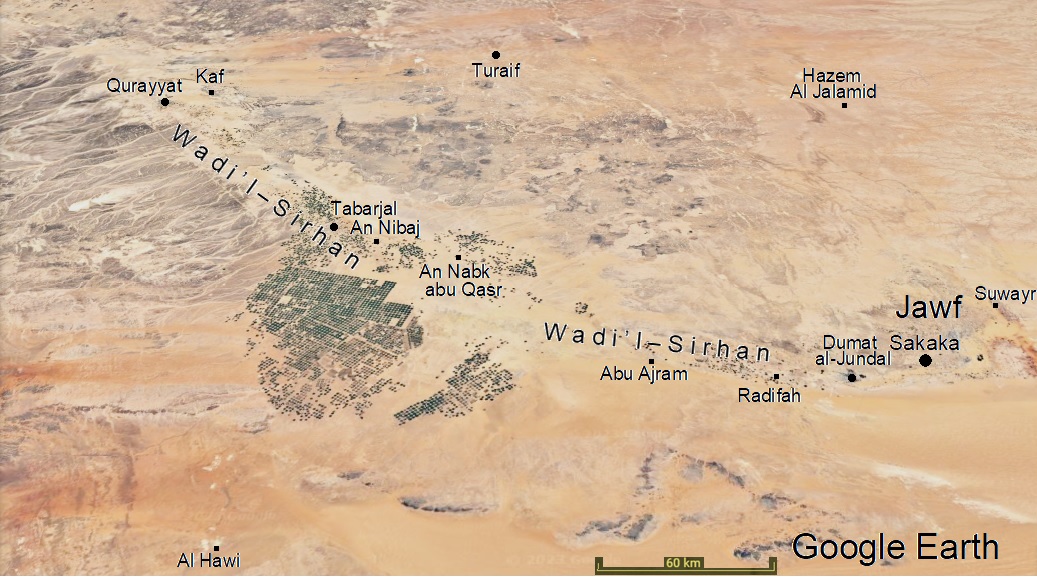
Wadi’l-Sirhan
ジャウフ(ジョウフ)(Jawf) (جوف)等の半島北部は、アッバース朝(Abbasid Caliphate) (750~1258) (الخلافة العباسية)になってから隊商路の目的地がダマスカスに変り、衰退しました。その上に東西交易の中心がアラビア湾から紅海に移り、さらに喜望峰まわりのポルトガルによる航路開拓で、「アラビア半島」が主要交易ルートから外れました。これらのことで半島北部は、発展から遠く取り残され、近代になって西洋の旅行者達が訪れるまでは歴史から忘れ去られていました。なお、タブーク(Tabuk) (تبوك)は、この時代にはオスマン帝国(Ottoman Empire) (1299~1923) (الدولة العثمانية)のヒジャーズ(Hijaz) (حجاز)州の一部と成っていました。
The northern part of the peninsula, such as Jawf (جوف) had declined because the destination of the caravan route changed to Damascus after becoming Abbasid Caliphate (750~1258) (الخلافة العباسية). On top of that, the center of east-west trade shifted from the Arabian Gulf to the Red Sea. Then, Portuguese opened up the new shipping trade route around the Cape of Good Hope, therefore the “Arabian Peninsula” came off from the main trade route. As a result, the northern peninsula was far from development and was forgotten by history until Western travelers visited there in modern times. Tabuk (تبوك) became a part of Hijaz Vilayet (ولايت حجاز) of Ottoman Empire (1299~1923) (الدولة العثمانية) during this period.
カルブ族の衰退とタイイ諸族の覇権
Decline of Kalb Tribe and Hegemony of Tayy Tribes
それでもこの地域でのベドウィン(Bedouin) (بدو)部族の移動や定住は、相当大規模に行われていました。10世紀にはナフード沙漠(Nafud) (النفود الكبير)の覇権は、カルブ族(Kalb) (كلب)からタイイ族(Tayy) (طيء)に移りました。タイイ族の支配する地域は、広がり続け、ジャウフも包含しました。ジャウフは、タイイ族支族のファドル族(Fadl) (فضل)の流れであるアムル族(Amr) (عمرو)に支配され、ジャウフ・ アル・アムル(Jawf Al ‘Amr)と呼ばれていました。アムル族は13世紀以前にジャウフでの生活を手に入れました。アムル族の影響は、カルブ族の衰退の後、半島北部で増大し、ファドル族やその親部族であるタイイ族がシリアから涸れ谷スィルハーン(Wadi’l-Sirhan) (وادي السرحان)とジャウフに広がる地域での覇権を握りました。タイイ族の覇権は、13世紀から15世紀まで続きました。その後もジャウフにおいてはアムル族の覇権が18世紀末まで残っていました。またカルブ族の支族であるスィルハーン族(Sirhan) (سرحان)が18世紀になっても涸れ谷スィルハーン(Wadi’l-Sirhan) (وادي السرحان)を支配していました。この谷は、この部族の名に因んで付けられていましたが、この部族は、後に幾つかの分派を残して北方のジョルダン(ヨルダン)やパレスチナへと移住して行きました。
Neverhad less, the movement and settlement of Bedouin (بدو) tribes in the region was quite large-scale. In the 10th century, the hegemony of the Nafud desert (النفود الكبير) passed from Kalb tribe (كلب) to Tayy tribes (طيء). The territory controlled by Tayy tribes had continued to expand to include Jawf. Jawf was ruled by Amr tribe (عمرو), a branch of Fadl tribe (فضل), belonging to Tayy tribe, and Jawf was called “Jawf Al ‘Amr”. Amr tribe had acquired its living area in Jawf before the 13th century. Amr tribal influence increased in the northern peninsula after the decline of Kalb tribe, and Fadl tribe and its parent tribe, Tayy tribe, seized supremacy over the area stretching from Syria to the Wadi’l-Sirhan (وادي السرحان) and Jawf. The supremacy of Taiyy tribes lasted from the 13th to the 15th century. In Jawf, the hegemony of Amr tribe remained until the end of the 18th century. In the 18th century, Sirhan tribe (سرحان), a branch of Kalb tribe, continued to dominate the Wadi’l-Sirhan (وادي السرحان). This wadi was named after this tribe. Sirhan tribe later migrated north to Jordan and Palestine, after leaving several offshoots behind.
カルブ族(Kalb) (كلب):バヌー・カルブ族(Banu Kalb) (بنو كلب)とも呼ばれ、ヒムヤル・カフターン部族 (Himyar Qahtan Arabs) (حمير قحطان عرب)クダーア族(Quda’a) (قضاعة)支族です。
Kalb (كلب): A branch of Quda’a (قضاعة) tribe of Himyar Qahtan Arabs (حمير قحطان عرب), also known as Banu Kalb (بنو كلب).
スィルハーン族(Sirhan) (سرحان):ヒムヤル・カフターン部族 (Himyar Qahtan Arabs) (حمير قحطان عرب)クダーア族(Quda’a) (قضاعة)支族カルブ族(Kalb) (كلب)の一門。
Sirhan (سرحان): A branch of Kalb (كلب) subtribe of Quda’a (قضاعة) tribe of Himyar Qahtan Arabs (حمير قحطان عرب).
タイイ族系部族(Tayy) (طيء):カフラーン・カフターン部族(Kahlan Qahtan Arabs) (كهلان قحطان عرب)の支族で古代の大部族。
Tayy (طيء): An ancient tribe and a branch of Kahlan Qahtan Arabs (كهلان قحطان عرب).
アムル族(Amr) (عمرو):カフラーン・カフターン部族(Kahlan Qahtan) (كهلان قحطان عرب)タイイ族 (Tayy) (طيء) ファドル支族(Fadl) (فضل)の一門
‘Amr (عمرو): One of Clans of Fadl tribe (فضل) of Tayy (طيء) belonging to Kahlan Qahtan Arabs (كهلان قحطان عرب).
ルワラ族の誕生
Emergence of Ruwallah tribe
同じ頃にカルブ族(Kalb) (كلب)の衰退に伴い、アナザ族(‘Anazah) (عنزة)やガタファーン族(Ghatafan) (غطفان)も涸れ谷スィルハーンやジャウフのカルブ族の土地へと次第に侵入して来ました。一旦、そこに落ち着くと、ガタファーン族の幾つかの支族とアドナーン族(Adnan Arabs) (القبائل العدنانية)系の他の部族は、アナザ族と入り混じり始めました。アナザ族はタイイ族の分派やカルブ族の幾つかの分派とも混じり合い結合し始めていました。このようにして最終的にはアドナーン族分派が優位を占めていましたが、これら三つの部族の結合で、カフターン部族(Qahtan Arabs) (القبائل القحطان)とアドナーン部族の両方の分派から新しい部族が生まれる結果と成りました。
Around the same time, with decline of Kalb tribe, ‘Anazah tribe (عنزة) and Ghatafan tribe (غطفان) also gradually invaded Kalb tribe’s-controlled lands in the Wadi’l-Sirhan and Jawf region. Once settled, several tribes of Ghatafan sub-tribes, some tribes of ‘Adnan Arabs (القبائل العدنانية) lineage started to mix with ‘Anazah tribe.
‘Anazah tribe began to mix and unite with Tayy tribes and several offshoots of Kalb tribe. Thus ‘Adnan Arabs tribes eventually prevailed, but the combination of these three tribes led to result to emerge a new tribe between offshoots of both Qahtan Arabs and ‘Adnan Arabs.
この新しい部族がアナザ支族に分類されるルワラ族(Ruwallah) (لرولة)で、アラビア半島の北部およびシリア沙漠の地域部族同盟(Regional tribal alliance) (التحالف القبلي الإقليمي)でした。第一次サウジ公国(First Saudi State) (1744~1818) (الدولة السعودية الأولى)が1818年に滅んだ後、ルワラ族はこの地域で増加して重要な存在に成り始めました。但し、イスラームを取り込んだ後の時代に、「アラビア半島」の住人が一般的にそうであるようにワッハーブ派(Wahhabi) (وهابية)の征服者の剣が彼等のイスラームを復活させるまで、ルワラ族もドジャン(Djann) (دجان)と呼ばれる地方的な半異教信仰や精霊の崇拝に逆戻りしていました。
This new tribe is Ruwallah tribe (لرولة), classified as ‘Anazah sub-tribe, but it was actually a regional tribal alliance (التحالف القبلي الإقليمي) in the northern Arabian Peninsula and Syrian Desert. After First Saudi State (1744~1818) (الدولة السعودية الأولى) fell in 1818, Ruwallah tribe began to multiply and become an important existence in the region. In the post-Islamic era, Ruwallah tribe had reverted to local semi-pagan beliefs and spirit worship called Djann (دجان), as the inhabitants of the Arabian Peninsula generally had so, until the sword of the conquerors of Wahhabi (وهابية) revived their Islam.
アナザ族同盟:アドナーン部族系譜(Adnan Arab Tribal Confederation) (تحالف قبائل عدنان العربي)の部族同盟の一つラビーア族同盟(تحالف قبائل ربيعة)に含まれるアナザ族同盟(Anazzah Confederation) (تحالف قبائل عنزة)。
Anazzah Tribal Confederation (تحالف قبائل عنزة):A Tribal Confederation belonging to Rabi’ah Trival Confederation (تحالف قبائل ربيعة) of Adnan Tribal Confederation (تحالف قبائل العدنانية).
アナザ族(‘Anazah) (عنزة):ラビーア・アドナーン部族(Rabi’ah Adnan Arabs)の支族。
‘Anazah (عنزة): A tribe of Rabi’ah Adnan Arabs (ربيعة عدنان عرب).
ガタファーン族(Ghatafan) (غطفان):ムダル・アドナーン部族(Mudar Adnan Arab) (مضر عدنان عرب)カイス族(Qais) (قيس)の支族。塹壕の戦い(Battle of the Trench) (627) (غزوة الخندق)に加わった大きなイスラーム以前のアドナーン系部族(Adnan Arab) (عدنان عرب)です。後にムタイル族(Mutayr tribe) (مطير)の核となりました。
Ghatafan (غطفان): A branch of Qais (قيس) of Mudar Adnan Arab (مور عدنان عرب). It is one of the great pre-Islamic tribes of Adnan Arab (عدنان عرب), and joined the Battle of the Trench (627) (غزوة الخندق). It later became the nucleus of Mutayr tribe (مطير).
ムタイル族(Mutayr) (مطير):もともとは、ガタファーン族(Ghatafan) (غطفان)に帰属していましたが、ウタイバ族(‘Utaybah) (عتيبة)とアジュマーン族(Ajman) (عجمان)共にイフワーン3部族(3 Ikhwan tribes) (ثلاث قبائل من الإخوان)と呼ばれ、スンニー・ムスリム族同盟(الإخوان)の中核部族です。
Mutayr (مطير): Originally attributed to Ghatafan (غطفان). Later, together with ‘Utaybah (عتيبة) and Ajman (عجمان), they formed Three Ikhwan tribes (ثلاث قبائل من الإخوان). Three Ikhwan tribes are the core tribes of Sunni Muslim Confederation (الاتحاد السني المسلم).
東アラビア(ジャブリー朝、ポルトガルとオスマン帝国)
Eastern Arabia (Jabrid Kingdom, Portugal and Ottoman Empire)
Eastern Arabia
部族王朝ジャブリー
Tribal Dynasty Jabrid
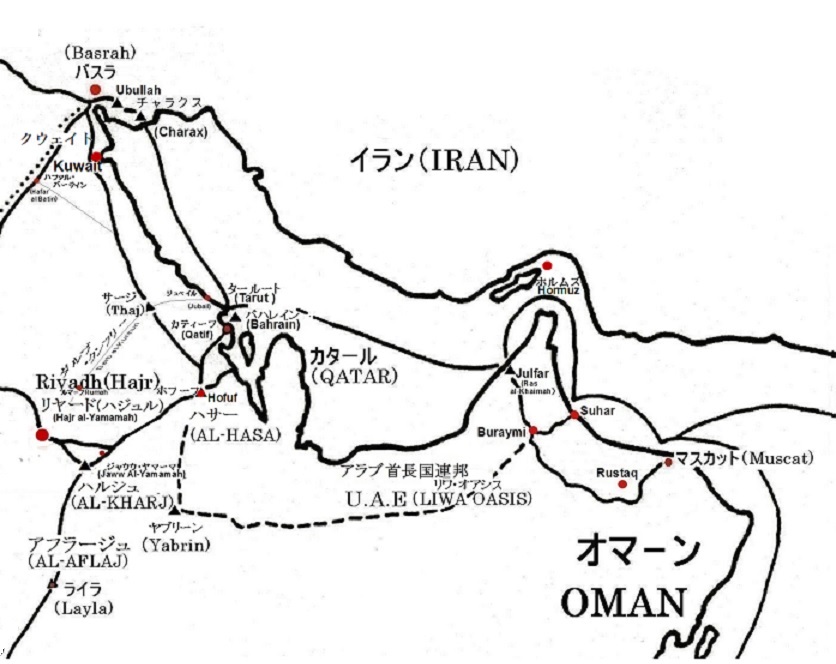
部族王朝ジャブリー(Jabrid Kingdom) (1440~1524) (الدولة الجبرية)は、アーミル・イブン・サウサア族に属し、ハサー・オアシス(Hasa or Ahsa Oasis) (واحة الأحساء)周辺の沙漠の出身でした。ハサーの町を先ず獲得し、そこを統治の中心にしてそれからその支配を海岸線に拡張し始めました。ただ支配するだけとの評判とウラマー(‘Ulama) (علماء)に対するその敬虔と配慮での名声を持って、ジャブリーは急速に沙漠部族である事を超越して定住民の統治家族(アミール(Amir) (أمير))に成りました。ジャブリーの勢力はバハレイン島からオマーンまで、そして内陸へは南部ナジュドのハルジュ(Kharj) (خرج)まで広がりました。
Jabrid Kingdom (1440~1524) (الدولة الجبرية) belongs to ‘Amir ibn Sa’sa’ah tribe (عامر بن صعصعة) and was from the desert surrounding the Hasa Oasis (Ahsa Oasis) (واحة الأحساء). It first acquired the town of Hasa (Ahsa), made it the center of its rule, and then began to extend its control to the coastline. Because of a reputation for merely dominating habitants with having piety and consideration for ‘Ulama (علماء), Jabrid quickly transcended its desert tribe origin to become Amir (أمير) of the settlers. Jabridi’s power extended in coastal region from Bahrain to Oman and as to inland region it extended to Kharj (خرج) in the southern Najd.
アーミル・イブン・サウサア族(‘Amir ibn Sa’sa’ah) (عامر بن صعصعة) :ムダル・アドナーン部族(Mudar Adnan Arab) (مضر عدنان عرب)のカイス・アイラーン族(Qais Ailan) (قيس عيلان)のハワージン族(Hawazin) (هوازن)の一支族です。アーミル・イブン・サウサア族は、アーミル(Amir) (عامرية)やバヌー・アーミル族(Banu ‘Amir) (بنو عامر)とも呼ばれます。
‘Amir ibn Sa’sa’ah (عامر بن صعصعة): A branch of the Hawazin tribe (هوازن) belonging to Qais Ailan tribe (قيس عيلان) of Mudar Adnan Arab (معر عدنان عرب). ‘Amir ibn Sa’sa’ah are also known as ‘Amir (عامرية) or Banu ‘Amir (بنو عامر).
ウラマー(‘Ulama) (علماء): イスラーム(Islam)における実質的な聖職者で、イスラーム政権の基本となる意見を助言する宗教家。
‘Ulama (علماء): ‘Ulama was a de facto clergyman in Islam and advised the basic opinions to an Islamic regime.
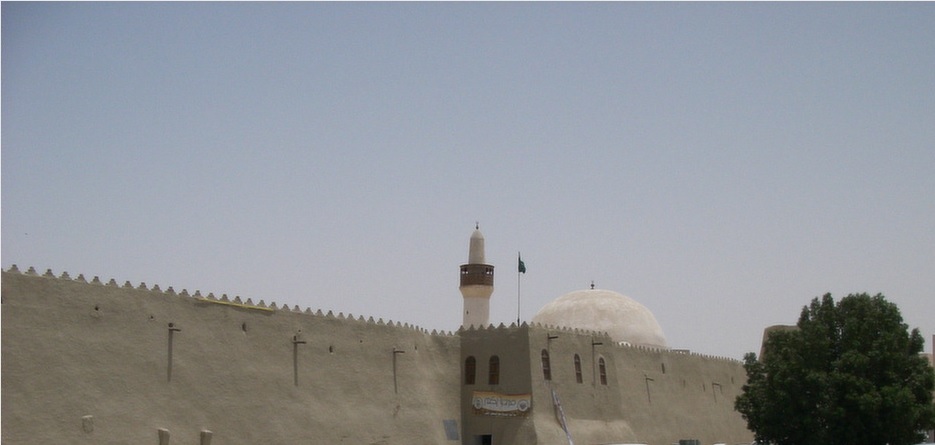
Qasr Ibrahim and Masjid Ibrahim, Al Hasa
ジャブリー朝の最初で一番著名な支配者アジュワード・イブン・ ザミール・ジャブリー(‘Ajwad ibn Zamil al-Jabri) (r.1463~1496) (أجود بن زامل الجبري)は、「アラビア半島」を横断して大規模な巡礼団を送り出しました。最大規模は彼自身の巡礼に付き添った巡礼団で、頑強な3万余人で構成されていました。ホフーフ(フフーフ)(Hofuf) (هفوف)で、今もなお残り、使われている一番古い建物は、ジャブリー 時代の物であり、カスル・イブラーヒーム(Qasr Ibrahim) (قصر إبراهيم)に近いジャブリー・モスク(Jabri Mosque) (مسجد الجبري)です。強い集権支配、半島東部の良好な環境条件およびアラビア湾交易の持続した増加が結びつき独立したハサーに繁栄をもたらしました。
The first and most prominent ruler of Jabrid Kingdom, ‘Ajwad ibn Zamil al-Jabri (r.1463~1496) (أجود بن زامل الجبري), sent out several large pilgrim groups crossing over this Peninsula. The largest was the pilgrim group that accompanied with him on his own pilgrimage, consisting of more than 30,000 sturdy people.
The oldest building, which has still remained today and has been in use in Hofuf (هفوف) from the Jabrid Kingdom era, is Jabri Mosque (مسجد الجبري) near Qasr Ibrahim) (قصر إبراهيم). Strong centralized rule, favorable environmental conditions in the Eastern Peninsula and a sustained increase in trade in the Arabian Gulf had brought prosperity to lead the independence of Hasa (AHSA).
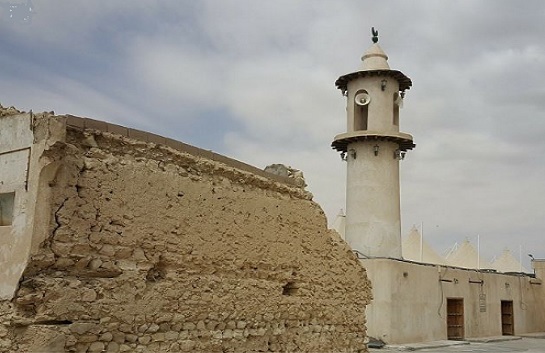
Jabri Mosque, Al Hasa
ポルトガルのインド洋交易支配とアラビア湾侵攻
Portugal’s control of Indian Ocean trade and invasion to the Arabian Gulf
1498年に喜望峰回りの航路を開いたポルトガルは、軍事力で海軍帝国を創設し、インド洋交易のやり方を完全に改めようとしていました。その目的は、印度および極東からヨーロッパへの豊かな交易をアラビア湾や紅海を経由するルートから喜望峰まわりのルートに変える事でした。ポルトガルは、目覚ましく成功し、それまでこの交易を支配していた東地中海のベネチアやイスラームの国々は、この為に打撃を被りました。16世紀にサファビー朝ペルシア(1502~1736) (Safavid Dynasty) (الدولة الصفوية)がポルトガルに対抗する努力をするに連れて、ハサーは、国際紛争の広い舞台に引き込まれて行きました。
Portuguese, who opened a sea route around the Cape of Good Hope in 1498, created its naval empire with military power and sought to completely change the way they traded in the Indian Ocean. Its aim was to change the rich trade from India and Far East to Europe from the route via the Arabian Gulf and Red Sea to the new route around the Cape of Good Hope. Portugal was remarkably successful, and Venetian and Islamic countries of the eastern Mediterranean, which had previously dominated this trade, suffered a blow because of this. As Safavid dynasty (1501~1736) (دودمان صفوی) of Iran made efforts to counter Portuguese in the 16th century, the Hasa (Ahsa) was drawn into the wider arena of international conflict.
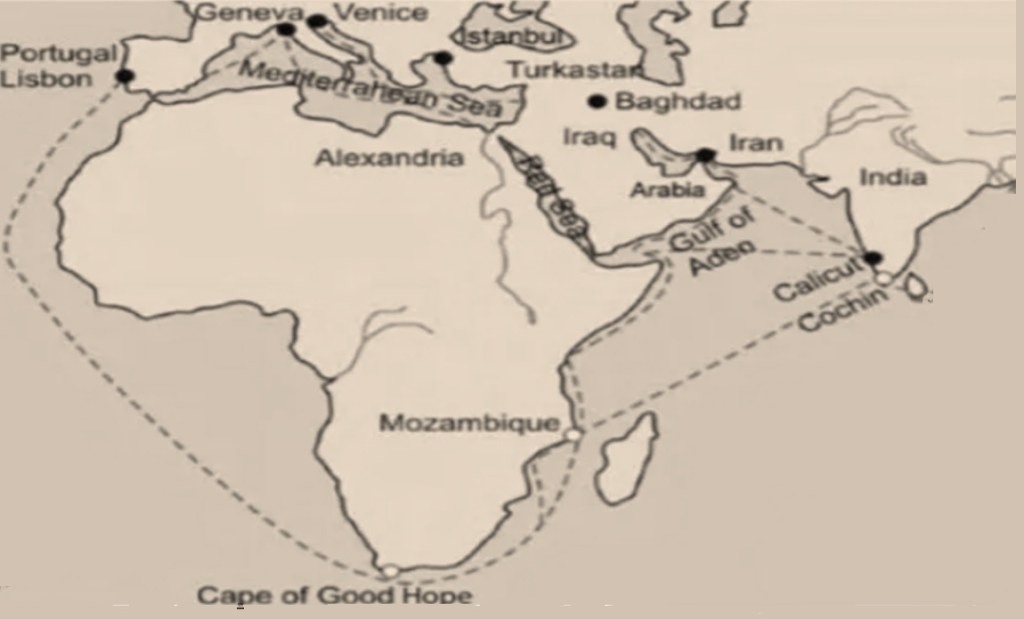
Cape Route
サファヴィー朝(1501~1736) (دودمان صفوی):しばしば現代イランの歴史の始まりと考えられている重要な支配王朝で、火薬帝国の1つでもありました。サファヴィー朝のシャー・イスマイル1世は、ペルシャ帝国の国教としてシーア派イスラーム教(شيعة)の12の宗派を設立し、イスラーム教の歴史の中で最も重要な転換期の1つを作りました。サファヴィー朝はクルド出身のイラン王朝でしたが、それでも大イランの一部に対する支配を確立し、この地域のイランの一体感のある国民性(Nationl dentity)を再主張し、サーサーン朝以来、正式にイランとして知られる国民国家を設立した最初の原住民の王朝になりました。
Safavid dynasty (1501~1736) (دودمان صفوی): It was the significant ruling dynasty which is often considered the beginning of modern Iranian history, as well as one of gunpowder empires. Safavid Shah Isma’il I established Twelver denomination of Shia Islam (شيعة) as the official religion of Persian Empire, that made one of the most important turning points in the history of Islam. Safavid dynasty was an Iranian dynasty of Kurdish origin, nevertheless it established control over parts of Greater Iran and reasserted the Iranian identity of the region, thus becoming First native dynasty since Sasanian Empire to establish a national state officially known as Iran.
ポルトガルは、東アフリカ、半島南部および印度での根拠地を確立し、1515年にもホルムズを攻略していました。続いてポルトガルは、バハレインを占領し、1520年にカティーフを略奪し、ホルムズへの朝貢を拒否していたジャブリー朝最後のバハレイン支配者のムクリン(Muqrin ibn Zamil) (مقرن بن زامل)を補足し、1521年に殺害しました。ジャブリー朝は、衰退し、1524年にバスラ支配者のムンタフィク族(Al-Muntafiq Confederation) (تحالف قبائل المنتفق)首長ラーシド・イブン・ムガーミス(Rashid ibn Mughamis) (راشد بن مغامس)の餌食と成りました。
Portuguese established its strongholds in the East Africa, The Southern Arabian Peninsula and India, and in 1515 captured Kingdom of Hormuz (مملكة هرمز). Portuguese subsequently occupied Bahrain, plundered Qatif in 1520, and captured Muqrin ibn Zamil (مقرن بن زامل) and killed him in 1521. Muqrin ibn Zamil was the last Bahrainian ruler of Jabrid Dynasty and had refused to pay tribute to Kingdom of Hormuz. Then, Jabrid Dynasty declined, and in 1524 it fell prey to Rashid ibn Mughamis (راشد بن مغامس), who was the Basra ruler and Amir of Al-Muntafiq Confederation (تحالف قبائل المنتفق).
ムンタフィク族同盟(Al-Muntafiq Confederation) (تحالف قبائل المنتفق):ウカイル朝(Uqaylid Dynasty) (990~1096) (عقيليون)崩壊後バヌー・ウカイル(Banu Uqayl) (بنو عقيل)族から分離、イラク中央と南部に展開するユーフラテス下流の地域部族同盟(Tribal alliance named after its place of origin) (حالف قبلي سمي على اسم موطنه الأصلي)。
Al-Muntafiq Confederation (تحالف قبائل المنتفق): A regional tribal confederation of the lower Euphrates expanding in the central and southern Iraq, which separated from Banu Uqayl (بنو عقيل) after the collapse of Uqaylid Dynasty (990~1096) (عقيليون).
ムンタフィク一門(Muntafiq) (المنتفق):アーミル・イブン・サウサア族同盟(‘Amir ibn Sa’sa’ah Confederation) (اتحاد عامر بن صعصعة)バヌー・カアブ族(Banu Ka’b or Banu Kaab) (بنو كعب)の一門バヌー・ウカイル族(Banu Uqayl) (بنو عقيل)の分門。
Muntafiq (المنتفق): A sub-clan of Banu Uqayl (بنوعقيل) of Banu Ka’b (Banu Kaab) (بنو كعب) of ’Amir ibn Sa’sa’ah Confederation) (اتحاد عامر بن صعصعة).
ウカイル朝(Uqaylid Dynasty) (990~1096) (عقيليون): バヌー・アーミル部族連盟(‘Banu ‘Amir Confederation) (اتحاد عامر بن صعصعة)傘下のバヌー・カアブ族(Banu Ka’b or Banu Kaab) (بنو كعب)に帰属するバヌー・ウカイル族(Banu Uqayl) (عقيليون)がイラクのモスル(Mosul) (موصل)を首都として築いたシーア派(Shia Islam) (شيعة)王朝です。この王朝は、ジャジーラ(Jazeera) (جزيرة)、シリア北部、イラクのさまざまな地域を支配する幾つかの系列から構成されていました。
Uqaylid Dynasty (990~1096) (عقيليون): It is a Shia Islam (شيعة) dynasty established by Banu Uqayl (عقيليون) belonging to Banu Ka’b (Banu Kaab) (بنو كعب) under Banu ‘Amir Confederation (اتحاد عامر بن صعصعة) with Mosul (موصل) in Iraq as its capital. This dynasty consisted of several branches that ruled over various parts of the Jazeera (جزيرة), northern Syria, and Iraq.
バヌー・ウカイル族(Banu Uqayl) (بنو عقيل):アーミル・イブン・サウサア族同盟(‘Amir ibn Sa’sa’ah Confederation) (اتحاد عامر بن صعصعة)バヌー・カアブ族(Banu Ka’b or Banu Kaab) (بنو كعب)の一門です。
Banu Uqayl (بنوعقيل): A clan of Banu Ka’b (Banu Kaab) (بنو كعب) of ’Amir ibn Sa’sa’ah Confederation) (اتحاد عامر بن صعصعة).
バヌー・ウカイル族(Banu Uqayl) (بنو عقيل):ムダル・アドナーン部族(Mudar Adnan Arabs) (مضرعدنان عرب) カイス・アイラーン族(Qais Ailan) (قيس عيلان)(カイス族(Qais) (قيس))ハワージン族(Hawazin) (هوازن)バヌー・カアブ族(Banu Ka’b or Banu Kaab) (بنو كعب)の一門です。
Banu Uqayl (بنو عقيل): A clan of Banu Ka’b (Banu Kaab) (بنو كعب) of Hawazin (هوازن) of Qais Ailan (قيس عيلان) (Qais (قيس)) of Mudar Adnan Arabs (مضرعدنان عرب).
ハサーをめぐる三竦みの国際紛争
Three-way international dispute over Hasa (Ahsa)
ハサーとバハレインは、事実上、オスマン・トルコ(1299~1922) (Ottoman Empire) (الدولة العثمانية)、イランのサファヴィー朝(Safavid dynast (y) (1502~1736) (صفویان)およびポルトガルによる三竦みの国際紛争に巻き込まれました。新進勢力オスマン・トルコ、、自らの帝国をイラクに広げ、その商業権益をポルトガルから守ろうとしていましたし、新たに出現したイランのサファヴィー朝は、オスマン帝国(オスマン・トルコ)の宗教的競争相手であり、ポルトガルは、その商業目的の追求の為ならば度々残忍な襲撃も行っていました。
In fact, Hasa (Ahsa) and Bahrin were involved in Three-pronged International Conflict among Ottoman Empire (1299~1922) (الدولة العثمانية), Iranian Safavid Dynasty (1502~1736) (صفو یان) and Portuguese. The budding Ottoman Empire wanted to expand its empire into Iraq and protect its commercial interests against Portuguese, the newly emerging Iranian Safavid Dynasty was a religious competitor to Ottoman Empire (Ottoman Turkey), and Portugal often pursued its commercial interests even using atrocious and brutal raids.
1534年から1546年の間にオスマン帝国は、バスラを占領し、バスラと紅海のスエズからポルトガルに対抗してアラビア湾を巡回する海上艦隊を組織しました。1549年にオスマン帝国勢は、ハサーに移り、まずカティーフを占領して内陸に移動しました。砦がウカイルとカティーフに交易を防御する為に建てられました。しかしながらオスマン帝国は、以前のジャブリー領地であったバハレインからもホルムズからもさらにマスカットからもポルトガルを撃退出来ませんでした。
Between 1534 and 1546, Ottoman Empire captured Basra (بصرة) and organized its maritime fleet patrolling the Arabian Gulf from Basra (بصرة) and Red Sea Suez (سويس) as its home port for opposing Portuguese. In 1549 the Ottoman Empire Army (قطيف) moved to Hasa (Ahsa), then captured Qatif first and invaded inland. Forts were built at Uqayr (عقير) and Qatif for protecting its trade route. However, Ottoman Empire couldn’t repel Portugal neither from Bahrain (بحرين)(formerly the Jabrid Territory), Hormuz (هرمز) nor Muscat (مسقط).
オスマン帝国のラハサー州創設
Creation of Ottoman Empire Lahsa Eyalet
オスマン帝国は、1550年に自らがラハサー(Lahsa Eyalet) (إيالة الأحساء)と呼ぶ新しい州を創設し、州都にホフーフ(Hofuf) (هفوف)を選びました。カスル・イブラーヒーム(Qasr Ibrahim) (قصر إبراهيم)は、兵舎と行政府として使われ、その中の偉大なイブラーヒーム・モスク(Masjid Ibrahim) (مسجد إبراهيم)は、その時代の物です。スルターンの精鋭部隊(Sultan’s elite army) (يش سلطان النخبة)のジャニッサリー(Janissary (yeŋiçeri)) (إنكشارية)がこの州に駐屯していました。この大隊は、800余名でしたが、地方の戦士300人を増員していました。要塞の進歩の必要から火器も導入されていました。
Ottoman Empire founded a new Eyalet in Hasa (Ahsa). It was called Lahsa Eyalet (إيالة الأحساء). Hofuf (الهفوف) was chosen its provincial capital. Qasr Ibrahim (قصر إبراهيم) was used as a barracks and administrative branch. The great Masjid Ibrahim (مسجد إبراهيم) in Qasr Ibrahim has been used from that period until today. Janissary (Eniçeri) (إنكشارية) of Sultan’s elite army (ايش سلطان النخبة) was stationed in this Eyalet. This battalion numbered more than 800 men, but added 300 local warriors later. Firearms were also introduced for the modernization of this fortress.
課税の為の基本として全土地登録制が組織され、関税歳入も系統化されました。南のヤブリーン(Yabrin) (يبرين)から北のクウェイトまで政令を行き渡らせるために遊牧民首長も報酬のある官吏として登録されました。オスマン帝国方式のシャリーア法(Shariah) (شريعة)と法廷記録が導入されました。オスマン帝国の公文書が官僚組織、軍隊、経済や裁判制度等のそれ以前の時代には明かされてなかったハサーの暮らしの詳細を明らかにしました。
The all-land registration system was organized as the basis for taxation, and customs revenues were systematized. Nomadic chiefs were also registered as paid officials to spread decrees from Yabrin (يبرين) in the south to Kuwait in the north. The Ottoman style of Shariah (شريعة) and court records were introduced. The Ottoman archives revealed details of Hasa (Ahsa) life that had not been revealed in earlier eras, such as the bureaucracy, army, economy and court system.
16世紀の最後の年までにオスマン帝国は、ポルトガルからアラビア湾および紅海の交易支配をもぎ取るのは出来ませんでした。けれども、オスマン帝国は、ハサーの統合支配には成功しました。オスマン帝国のホルムズ税関の歳入は、ポルトガル権益がアラビア湾交易を完全に妨げては無く、オスマン帝国もアラビア湾に向かう交易ルートからの利益を得ていた事を意味していました。
Until the last year of the 16th century, Ottoman Empire had not been able to wrest trade control from Portugal in the Arabian Gulf and Red Sea. However, Ottoman Empire succeeded in consolidating rule of Hasa (Ahsa). Ottoman Empire’s customs revenues from Hormuz meant that Portuguese interests did not completely impede trade in the Arabian Gulf, and that Ottoman Empire also had benefited from trade routes to the Arabian Gulf.
インド交易でのポルトガル衰退と英蘭の台頭
Portuguese Decline and Rise of Britain as well as Netherlands, in Indian Trade
紀元1600年までにポルトガルの脅威は、衰えつつありました。武力による交易の実施は、「会社の時代」に道を譲りました。イギリス東インド会社(the English East Indian Company)の様なイギリス、オランダおよびフランスの商人協会は、威圧よりも協定によって土着の支配者との商売を模索していました。1622年にイギリスとペルシアのサファヴィー朝 (1502~1736)は、ポルトガルをホルムズ(Hormuz) (هرمز)から駆逐しました。ポルトガルは、アラビア湾での交易を続けられていましたが、真珠と見事なアラビア馬をカティーフの首長から買い取って印度で売っていたとの記録があるだけの限られた範囲でした。1630年から1700年の間のアラビア湾交易ではオランダが圧倒していました。その後はイギリス東インド会社(1600~1874)が覇権を確立しました。
By 1600 AD, Portuguese threat had been waning. The “era carrying out trade by force” gave way to the “era of companies.” English, Dutch, and French merchant associations, such as English East Indian Company (1600~1874), sought to do business with indigenous rulers by agreement rather than coercion. In 1622 the English and Persian Safavid Dynasty (1502~1736) (صفویان) expelled Portugal from Hormuz (هرمز). Afterwards, Portuguese continued to trade in the Arabian Gulf, but only to a limited extent. There are records that Portuguese bought pearls and Arabian horses from Amir of Qatif and sold them in India. Between 1630 and 1700, Dutch dominated the Arabian Gulf trade. After that, English East Indian Company established its hegemony.
ラハサー州の崩壊
Collapse of Lahsa Eyalet
オスマン帝国の勢いは衰退気味であり、1600年以降は主として資金不足のためにハサーに対する支配力は弱まり、地方支配者の再現への道を作ってしまいました。1620年以後はサファヴィー朝にバスラを攻略され、イスタンブールからこの州への直接的財政支援が絶たれてしまいました。1680年にバヌー・ハーリド族(Banu Khalid) (بنو خالد)のフマイド一門(Humayd Clan) (حميد)が要塞に居残っていたオスマン帝国州政府残党を放逐しました。それまではオスマン帝国ラハサー州政府(Lahsa Eyalet) (إيالة الأحساء)は、切り詰めながらも行政を続けていました。
Osman Empire had been in decline. After 1600 it was mainly due to lack of funds, which led to weaken Hasa ( AHSA) control and to pave way for reappearance of local rulers. After 1620, Persian Safavid Dynasty captured Basra (بصرة). It stopped the way for direct financial support from Istanbul (إسطنبول) to this Eyalet. In 1680 Humayd Clan (حميد) of Banu Khalid (بنو خالد) expelled the remnants of Ottoman state government in the fortress. Until then, Ottoman Empire Lahsa Eyalet (إيالة الأحساء) continued to administer, even if truncated expense.
フマイド一門(Humayd Clan) (حميد):アドナーン部族系譜(Adnan tribal genealogy) (علم الأنساب القبلي العدنانية)のバニー・ハーリド族同盟(Banu Khalid Tribal Confederation) (اتحاد القبائل بني خالد)の一門。
Humayd Clan (حميد): A Clan of Banu Khalid Tribal Confederation (اتحاد البائل بني خالد) of Adnan tribal genealogy (علم الأنساب القبلي العدنانية).
バヌー・ハーリド 族(Banu Khalid) (بنو خالد):カフラーン・カフターニ部族(Kahlan Qahtani Arabs) (كهلان قحطان عرب)のタイイ族(Tayy tribe) (طيء)の支族、但し、アドナーン・アラブ(Adnan Arabs) (القبائل العدنانية)と称しており、タイイ族子孫は、一部門で、東アラビアおよび中央アラビアのアラブ部族同盟の中核となった部族。
Banu Khalid (بنو خالد):A branch of Tayy tribe (طيء) belonging to Kahlan Qahtani Arabs (كهلان قحطان عرب). They call themselves one of Adnan Arabs (القبائل العدنانية), and the Taiyy (طيء) descendant was one division, that has become the core of Arab Tribal Confederation (اتحاد القبائل العربية) in the East and Central Arabian Peninsula.
西アラビア(オスマン帝国支配下のジェッダ)
Western Arabia (Jeddah under Ottoman rule)
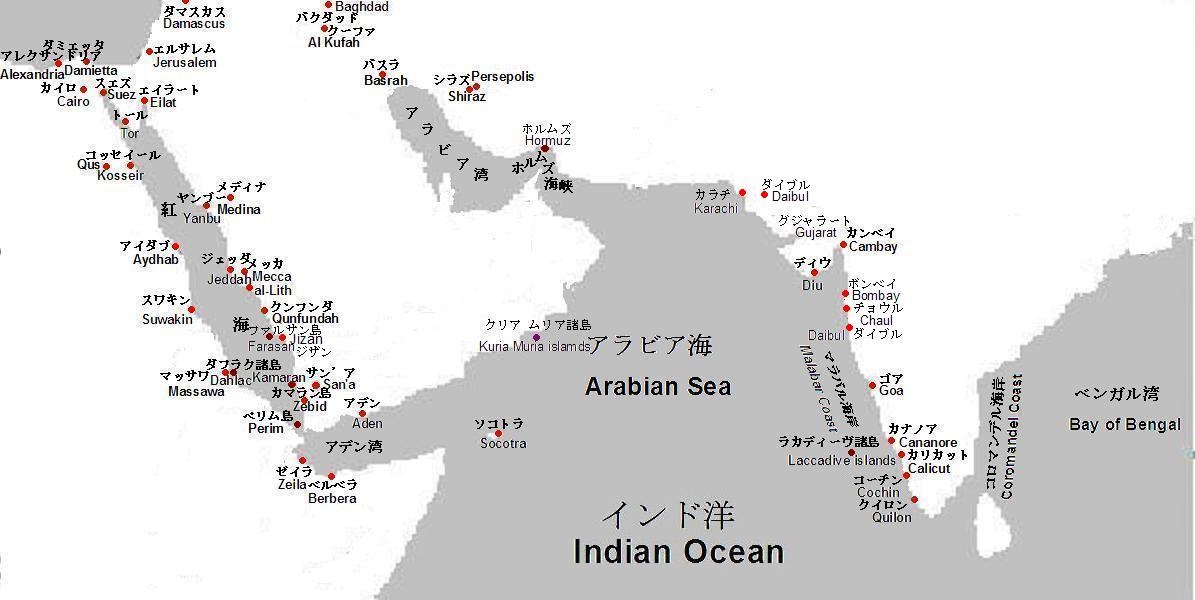
Indian Ocean Trading Route
オスマン帝国の紅海艦隊
Red Sea Fleet of Ottoman Empire
オスマン帝国の領土周辺での海上交通に対するポルトガルの妨害に怒ったスレイマーン1世(Suleiman I) (سليمان اول)は、スライマーン・ハーディム(Sulayman al-Khadim) (سليمان باشا الخادم)に遠征を命じました。スレイマーン大帝はスエズに装備の整った戦争用のガレー船(Galley) (قادس)の艦隊を持っており、その指揮をスライマーン・ハーディム(Sulayman al-Khadim) (سليمان باشا الخادم)に任せていました。スライマーン・ハーディムは、ギリシャ人の宦官でサリーム一世の元奴隷であり、カイロ総督でした。1538年に「ポルトガル艦隊の大半がマラッカの救助活動に従事させられている」と云う好機を告げるニュースがもたらされました。スライマーン・ハーディム提督指揮下の紅海艦隊は、直ちにグジャラート(Gujarat) (غوجارات)に最も近いポルトガルの要塞であるディウ(ディーウ)(Diu) (ديو)を攻略する為に出航しました。しかしながら2ヶ月に及ぶ包囲も砲撃もポルトガルの要塞司令官マスカレンハス(Mascarenhas) (مسقرنهاس)を打ち負かすのに十分ではありませんでした。勇敢な司令官であるマスカレンハスは、救助の艦隊が到着してトルコ海軍の旗艦があわてて紅海に引き返すまで持ちこたえたと言われています。
Suleiman I (سليمان اول) was angered by the Portuguese interference with maritime traffic around the territory of Ottoman Empire and then ordered Sulayman al-Khadim (سليمان باشا الخادم) an expedition. Suleiman I had a well-equipped war Galley (قادس) fleet in Suez. Suleiman I left its commander to Sulayman al-Khadim. Sulayman al-Khadim was a Greek eunuch, a former slave of Suleiman I, and the viceroy of Cairo. In 1538, the news came that the majority of the Portuguese fleet was being engaged in the rescue operation of Malacca. The Red Sea Fleet under Admiral Sulayman al-Khadim immediately set sail to capture Diu (ديو). Diu was the closest Portuguese fortress to Gujarat (غوجارات). However, two months of siege and bombardment were not enough to defeat the Portuguese fortress commander Mascarenhas (مسقرنهاس). Mascarenhas, a brave commander, was said that he held out until the rescue Portuguese fleet arrived and the Turkish navy flagship hurriedly turned back to the Red Sea.
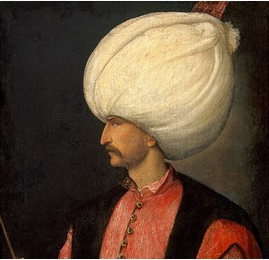
Suleiman the Magnificent
スレイマーン1世(Suleiman I) (سليمان اول):オスマン帝国の第10代皇帝スルターンで第2代カリフ(r.1520~1566)で、歴代のスルターンの中でも最も長く在位しました。スレイマーン1世は、壮麗帝(スレイマーン大帝)(Suleiman the Magnificent) (سليمان الرائع)又は立法帝(Suleiman the Lawgiver) (قانونى سلطان سليمان)ともあだ名されています。
Suleiman I (سليمان اول): The tenth Sultan Empire and second Caliph of Ottoman Empire (r.1520~1566), the longest-reigning sultan. Suleiman I is also nicknamed Suleiman the Magnificent (سليمان الرائع) or Suleiman the Lawgiver (قانونى سلطان سليمان).
スライマーン・ハーディム(Sulayman al-Khadim) (سليمان باشا الخادم):スライマーン大帝がスエズに配備した紅海艦隊提督で元カイロ総督。
Sulayman al-Khadim (سليمان باشا الخادم): The admiral of the Red Sea Fleet deployed to Suez by Sulaiman the Great and the former viceroy of Cairo.
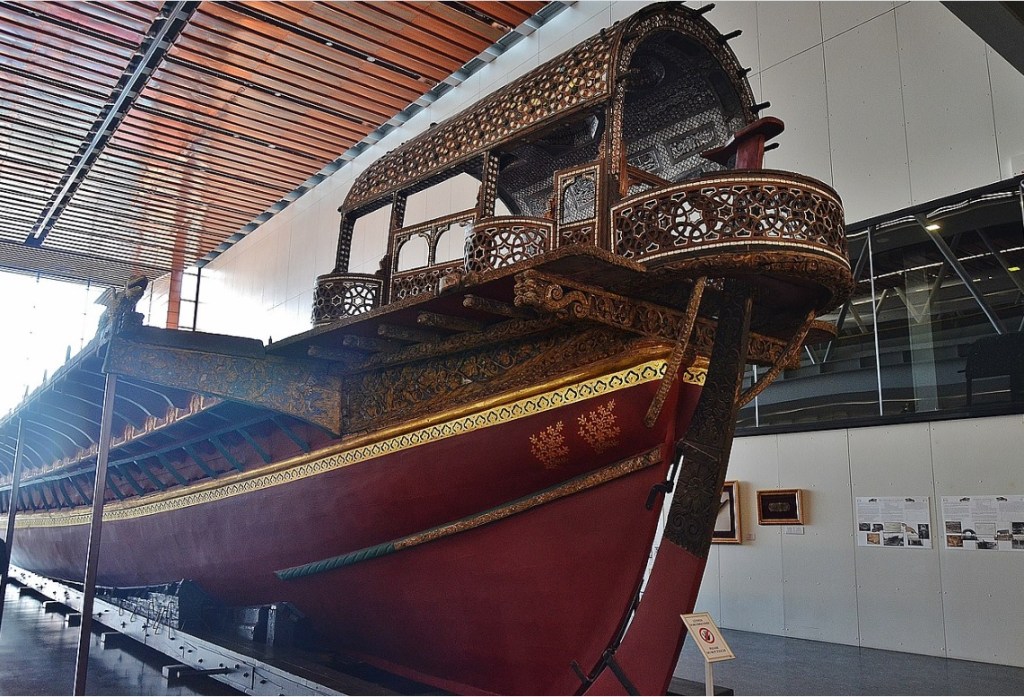
“Tarihi Kadırga” is an Ottoman galley constructed in the late 16th or early 17th century
for the use of Ottoman sultans (Istanbul Naval Museum).
アブー・ヌマイイ首長
Amir Abu Numay (Sharif of Mecca)
この時にジェッダは、アブー・ヌマイイ首長(Abu Numayy) (r.1525~1583) (أبو نمي)によって治められていました。アブー・ヌマイイ首長の協力への見返りに、「もしジェッダの歳入が減じたならば、オスマン・トルコ政府から補助金を授与される」との条項付きでオスマン帝国は、ジェッダの歳入の半分を同首長に譲渡しました。「ポルトガルによって開かれた新しいインドへの航路」や「各港の指揮官の証明無しでのポルトガルの奇襲による艦船への組織的な略奪」にもかかわらず、紅海の交易は、幸運で勇敢な船によって封鎖破りが成功して16世紀の間は続いていました。これらの船は、引き続きエジプトや地中海への商品を小舟に積み替える為にジェッダを訪ていました。
At this time, Jeddah was ruled by Amir Abu Numayy (r.1525~1583) (أبو نمي). In return for Amir Abu Numayy’s cooperation, on the condition that “If Jeddah’s revenue decreases, he will receive a subsidy from the Ottoman Empire government”, Ottoman Empire transferred half of Jeddah’s revenue to Amir Abu Numayy.
Despite “the new passage to India opened by Portugal” and “the systematic looting of ships by surprise Portuguese raids without proof of commanders in each port”, some fortunate and brave ships successfully broke the blockade and continued to visit Jeddah. They transferred trade goods into small boats to send them to Egypt and the Mediterranean. Thus, the trade in the Red Sea had continued during the 16th century
アブー・ヌマイイ首長:29章の「オスマン帝国の圧力とシャリーフの下ナジュド攻撃」に付した脚注を参照して下さい。
Abu Numayy (أبو نمي):See the footnote to “Ottoman Empire pressure and Sharif’s attacks to the lower Najd region” of Chapter 29.
当時の紅海貿易:1560年にローマのバチカン(Vatican)へのポルトガル外交使節は、カイロにいたスパイの報告から大部分は胡椒である450万ポンドの香料が紅海を通ってアレクサンドリア(Alexandria) (الإسكندرية)に毎年搬送されていると述べていました。
Red Sea trade at the time: In 1560 a Portuguese diplomatic mission to Vatican in Rome reported that 4.5 million pounds of incense, mostly pepper, were sent through the Red Sea to Alexandria (الإسكندرية) every year according to their Cairo-based spy.
東西交易への蘭英参入とジェッダの衰退
Dutch and England Entry into East-West Trade and Decline of Jeddah
しかしながら、17世紀に入ると冒険好きなオランダ商人や英国商人が実践の分野に入り込み、価格競争をして最終的にはポルトガル人達の独占を打ち破りました。香料やその他の商品は、その原産地で直接積み込まれ、少し遠回りではありますが、喜望峰回りの航路でムスリムの支配を全く受けずに東インド会社の堂々としたインド貿易船で直接ヨーロッパ市場に運ばれていました。
In 17th century, however, adventurous Dutch and English merchants entered the field of practice, competing on price and eventually breaking the Portuguese’s monopoly. Fragrances and other goods were loaded directly at their place of origin, in spite of a little roundabout, transported directly to European markets by Indian imposing trading ships of East India Companies without any Muslim control on the sea route around the Cape of Good Hope.
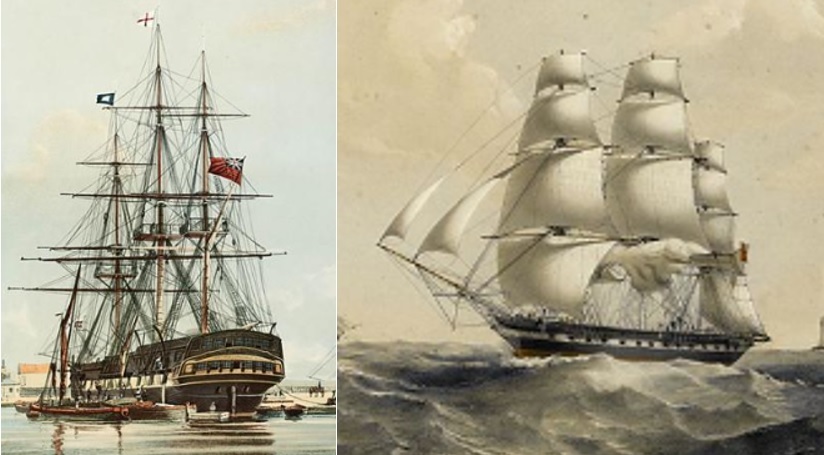
East Indiaman
インディアマン(East Indiaman) :これは、イギリス東インド会社を始め、各国の東インド会社に所属していた貿易船の呼称です。
East Indiaman: It was a general name for any sailing trade ship operating under the East India companies such as an English joint-stock company (later renamed British).
その結果としてジェッダは衰退し、その港の交易量は、ほんの僅かにまで減少してしまいました。半島西部の重苦しいオスマン・トルコの支配は、時折、荒廃や残酷さが証明されているように、その窮境が倍加しました。1631年にイエメンのオスマン・トルコ総督の軍隊がエジプトの向かう途中でメッカに立ち寄りました。この総督は、その破壊的で恐ろしい方法にもかかわらず、イエメン地方の有効な支配の拡大に失敗していました。メッカは、略奪され、その住人は、その兵士の理不尽な残虐さと暴行の被害を受けました。服従しないジェッダ住人は、同じような酷い扱いをこうむり、財産の隠し場所を明かさなかった多くの商人が拷問を受けました。
As a result, Jeddah declined and its trade also went down to a very small extent. The heavy Ottoman rule of the Western Arabian Peninsula were multiplied just like it had been proven with desolation and cruelty sometimes. In 1631, the Ottoman army of Yemen viceroy stopped at Mecca on its way to Egypt. This viceroy, despite his destructive and horrific ways, failed to extend his effective control over Yemen. Mecca was plundered by this army and the inhabitants suffered with the unreasonable cruelty and beatings of its soldiers. Jeddah inhabitants who did not obey were subjected to the same mistreatment, and many merchants who refused to reveal their stashed property were tortured.
オスマン・トルコ総督とシャリーフの二重支配
Dual rule of Ottoman viceroy and Sharif of Mecca
オスマン帝国の行政区画の下でヒジャーズ州(Hejaz Vilayet) (ولاية الحجاز)は、現在のヨルダン南西部の町マアーン(Ma’an) (معان)の南に至るダマスカス州の南境界から現在のライス (Laith) (Lith) (ليث)の南に至るイエメン州(Yemen Vilayet) (ولاية اليمن)の北境界まで広がっていました。ただし、東の境界は不明確で変化する辺境でした。
Under the administrative division of Ottoman Empire, Hejaz Vilayet (ولاية الحجاز) was bordered with the southern boundary of Damascus Vilayet (ولاية ال دمشق). This border was the south of the present-day town of Ma’an (معان) in the Southwestern Jordan. And Hejaz Vilayet extended to the northern boundary of Yemen Vilayet (ولاية اليمن). That border was the south of present-day Laith (Lith) (ليث). However, the eastern boundary was an unclear and changing frontier.
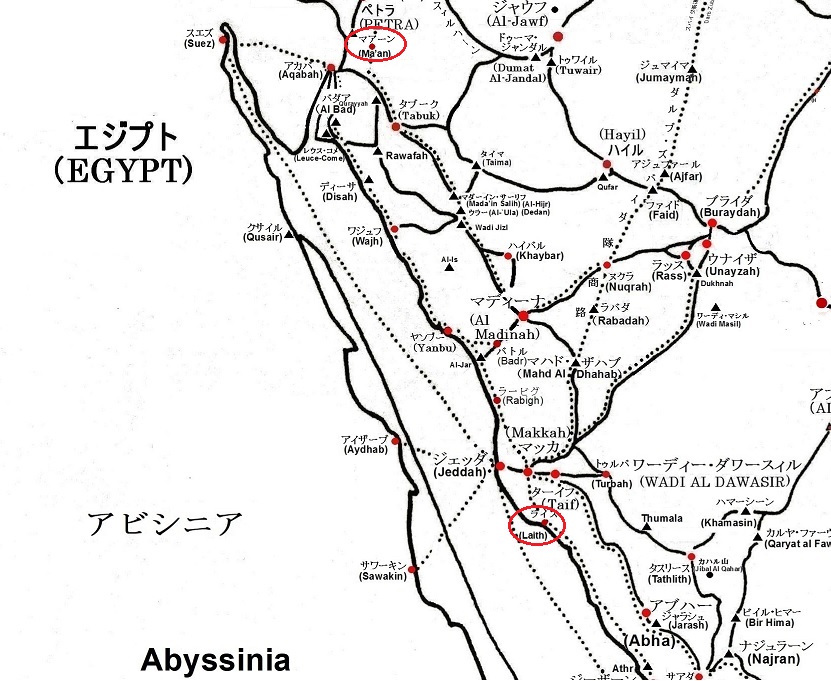
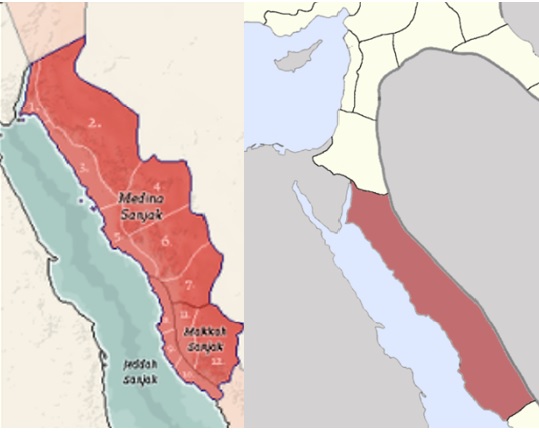
Ma’an – Laith
Hejaz Vilayet
オスマン・トルコ人達は、総督(Vizier) (وزير)をメッカに置き、州知事(Wali) (ولی)をジェッダに置きました。しかしながら、総督等の役目は、主として関税を徴収する為の行政であり、ヒジャーズの支配は、メッカのシャリーフ庁を通じて行っていました。シャリーフは、断続的にトルコの弱体化した時期には、時々は公然と遠く離れた大君主の悪口を言いながら自分達に利を得える事が出来ていました。
Ottoman Empire placed a viceroy (وزير) in Mecca and a provincial governor (Wali) (ولی) in Jeddah. However, the duties of the viceroy and governor were mainly to collect customs duties, and the rule of Hejaz Vilayet was carried out through the Sharif Agency in Mecca. During Turkey’s intermittent weakening period, Sharif were able to benefit themselves while openly speaking ill of distant overlords from time to time.
水資源を殆どもっぱら水槽に溜めた雨水に頼っていたジェッダは、大総督カラ・ムスタファ・パシャ(Kara Mustafa Pasha) (1634~1683) (كارا مصطفى باشا)の恩恵をこうむりました。パシャは、1676年から1683年まで赴任し、この市の東にある井戸からこの貴重な水を運ぶ送水管、新しい隊商宿(Khan) (خان)、新しい公共浴場(ḥammām) (حمّام)およびモスク(回教寺院)(Masjid or Mosque) (مسجد)を整備しました。
Jeddah, which almost exclusively relied on rainwater stored in water tanks, was benefited by the great viceroy Kara Mustafa Pasha (1634~1683) (كارا مصطفى باشا). Pasha was stationed there from 1676 to 1683 and constructed the water pipes carrying this precious water from wells east of the city. He also constructed a new caravanserai (Khan) (خان), a new public bath (ḥammam) (حمّام) and a Masjid (Mosque) (مسجد).
南西アラビア(イエメン州時代)
South West Arabia (Era of Yemen Vilayet)
ラッシー朝(Rassi or Rassids) (893~c.1300) (راسي أو الرشيديون)は、1300年頃に滅亡しましたが、前述のザイド・イマーム政権(Zaidi Imam Government)としては存続していました。ザイド派(Zaidiyyah) (الزيدية)は、シーア派(Shiʿa Islam) (شيعة)で、次の三つの分派に分かれていました。
第一分派のジャールード派(Jarudiyya) (الجارودية)
第二分派のスライマーニーヤ派(Sulaimaniyya) (سليمانية)
第三分派のタビリーヤ派(Tabiriyya) (طبرية)
Rassi Dynasty (Rassids) (893~c.1300) (راسي أو الرشيديون) perished around 1300, but survived as the aforementioned Zaidi Imam Government (الإمامي الزيدي).
Zaidiyyah (الزيدية) was a Shiʿa Islam (شيعة) divided into three sects:
First offshoot: Jarudiyya (الجارودية)
Second offshoot: Sulaimaniyya (سليمانية)
Third offshoot: Tabiriyya (طبرية)
ザイド・イマーム政権の英訳:この政権は、「Imams or Kings of Yemen」とも英訳されています。
Zaidi Imam Government: It was also called Imams or Kings of Yemen (الإمامة الزيدية).
ラッシー朝:28.8章の「ザイド・イマーム政権と半独立の諸王国」に付した脚注を参照してください。
Rassi (Rassids): See the footnote to “Regime of Zayd Imam and Rivalry semi-independent kingdoms” of Chapter 28.8.
第三分派のタビリーヤ派(Tabiriyya) (طبرية): ブトリーヤ派(Butriyya) (بترية)又はサリーヒーヤ派(Salihiyya) (صليحية)とも呼ばれています。
Third offshoot Tabiriyya (طبرية):It was also called as Butriyya (بترية) or Salihiyya (صليحية).
イエメンにおけるザイド・イマーム政権の創建は、第一分派のジャールード派(Jarudiyya (الجارودية)が行いしました。しかしながら、スンナ派(Sunni Islam) (سونني)のハナフィー学派(Hanafi School) (حنفي)およびシャーフィイー学派(Shafi’I School) (شافعية)の影響が大きくなり、実権は、ジャールード派(Jarudiyya) から第二分派のスライマーニーヤ派(スライマーン派)(Sulaimaniyya) (سليمانية)へ移りました。次に第三分派のタビリーヤ派(Tabiriyya) (طبرية)(ブトリーヤ派(Butriyya) (بترية)又はサリーヒーヤ派(Salihiyya) (صليحية))へと移行しました。
Zaidi Imam Government in Yemen was founded by Jarudiyya (الجارودية), the first offshoot of Zaidiyyah (الزيدية). As the influence of Hanafi School (حنفي) and Shafi’I School (شافعية) in Sunni Islam (سوننيي) increased, the real power was transferred from Jarudiyya to Sulaimaniyya (سليمانية), the second offshoot of Zaidiyyah. Then, it moved from Sulaimaniyya to Tabiriyya (طبرية), the third offshoot of Zaidiyyah.
1516年にエジプトのマムルーク朝(Mamluk Sultanate) (1250~1517) (الدولة المملوكية) は、イエメンを属領化しましたが、翌1517年にはそのイエメン総督がオスマン・トルコに降服しました。同年、オスマン・トルコは、イエメンのほぼ全土を制圧してイエメン州(Yemen Vilayet) (ولاية اليمن)を創設しました。
In 1516, Mamluk Sultanate (1250~1517) (الدولة المملوكية) of Egypt made Yemen a dependent territory, but in 1517 its Governor surrendered to Ottoman Empire. In the same year, Ottoman Empire conquered almost all of Yemen and created Yemen Governorate (Yemen Vilayet) (ولاية اليمن).
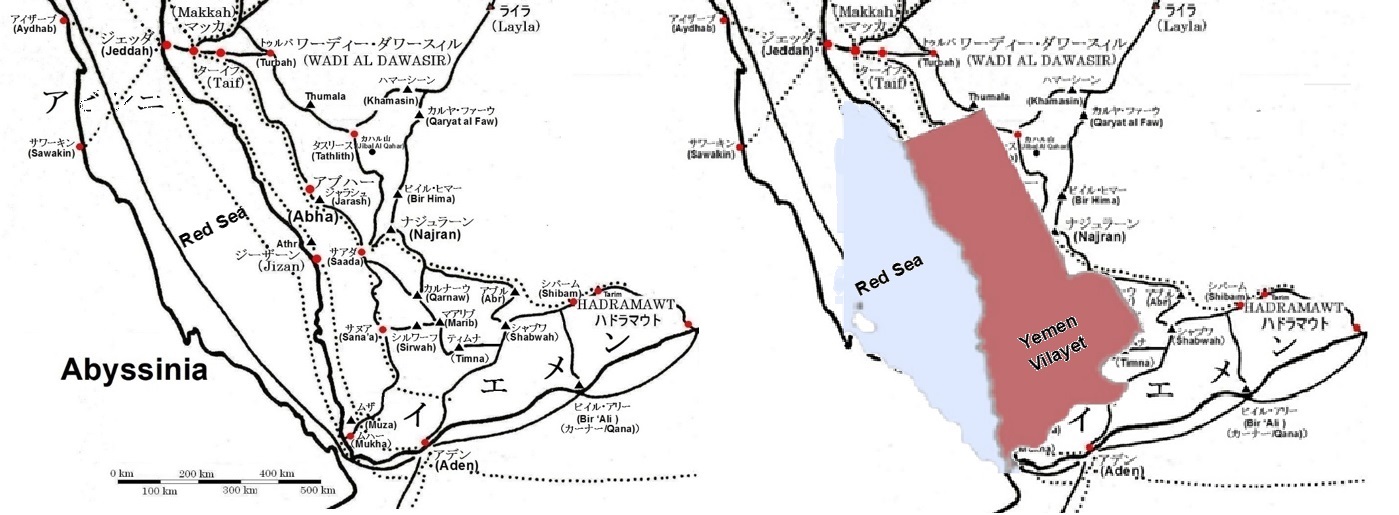
Yemen Vilayet
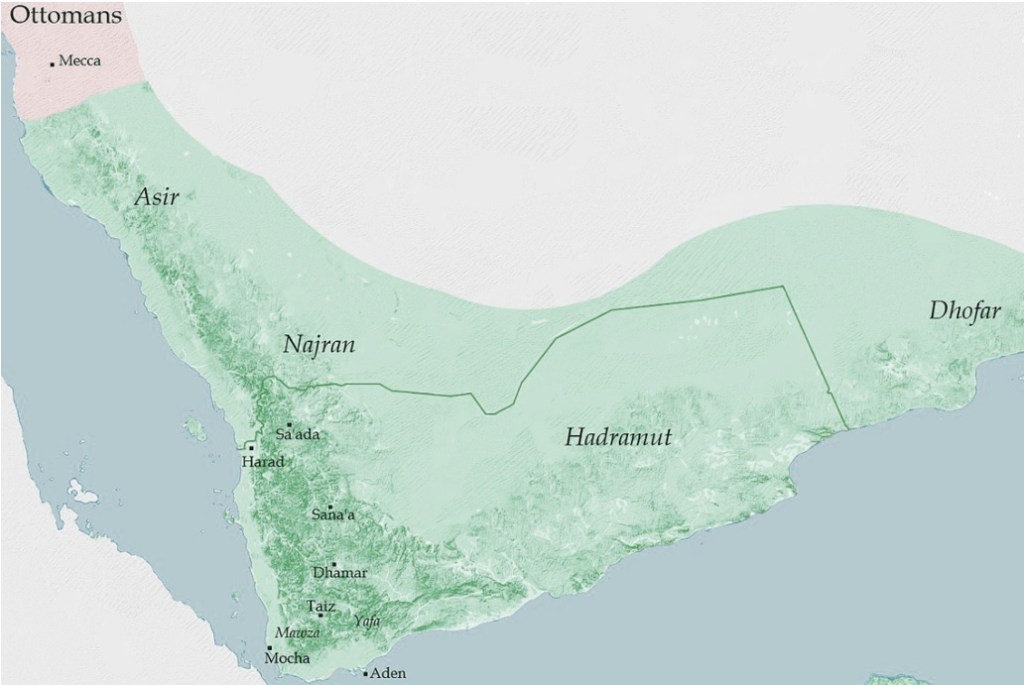
しかしながら、イエメンのイマームで、カーシム大帝(Qasim the Great) (1597~1620) (قاسم العظيم)とも呼ばれたマンスール・カーシム(Al Mansur al-Qasim) (1559~1620) (المنصور القاسم)は、オスマン・トルコの占領からイエメンを解放する闘争を開始し、サヌア(Sana’a) (صنعاء)北西のハジュール(Hajur) (حجور)でザイド・イマーム政権カーシミー朝(Qasimi Dynasty) (1597~1849) (الدولة القاسمية)を開きました。マンスールの没後、息子アル・ムアイヤド・ムハンマド(Al-Mu’ayyad Muhammad) (1582~1644) (المؤيد محمد بن القاسم)が彼の後を継ぎ、1630年頃には、内陸部からオスマン・トルコ勢力を殆ど駆逐しました。アル・ムアイヤド・ムハンマド(Al-Mu’ayyad Muhammad)は、1644年に亡くなりましたが、アル・マンスール・アル=カーシム(Al Mansur al-Qasim)のもう一人の息子であるアル・ムタワッキル・イスマイル(Al-Mutawakkil Isma’il) (c.1610~1676) (المتوكل إسماعيل)に引き継がれ、北のアシールから東のドファールまでイエメン全体を征服しました。1630年以降のオスマン・トルコは、孤立した海岸部だけを19世紀まで支配していましたが、イエメン高地部の殆どはザイド・イマーム政権によって支配されていました。1849年以降カーシミー朝は、混乱に陥りましたが、ザイド・イマーム政権(Zaidi Imam Government)は、その後も紆余曲折(ups and downs)を重ねながら、1962年まで存続しました。
However, Al Mansur al-Qasim (1559~1620) (المنصور القاسم), also known as Qasim the Great (1597~1620) (قاسم العظيم) among Imams of Yemen. Mansur started the struggle to liberate Yemen from Ottoman Empire’s occupation. Mansur established Qasimid Dynasty (1597~1849) (الدولة القاسمية) of Zaidi Imam Government. Qasimid Dynasty located at Hajur (حجور) in the Northwest of Sana’a (صنعاء). After Mansur’s death, his son Al-Mu’ayyad Muhammad (1582~1644) (المؤيد محمد بن القاسم) succeeded him. In around 1630 Mu’ayyad expelled the Ottoman Empire Power from inland. Mu’ayyad died in 1644, then Al-Mutawakkil Isma’il (c.1610~1676) (المتوكل إسماعيل), another son of Al Mansur al-Qasim, succeeded Mu’ayyad. Mutawakkil conquered almost all of Yemen from Asir in north to Dhofar in east. After 1630, Ottoman Empire controlled only isolated coastal areas until the 19th century, while most of the Yemeni Highlands were dominated by Zaidi Imam Government. After 1849, Qasimid Dynasty descended into chaos, but Zaidi Imam Government survived until 1962, with ups and downs.
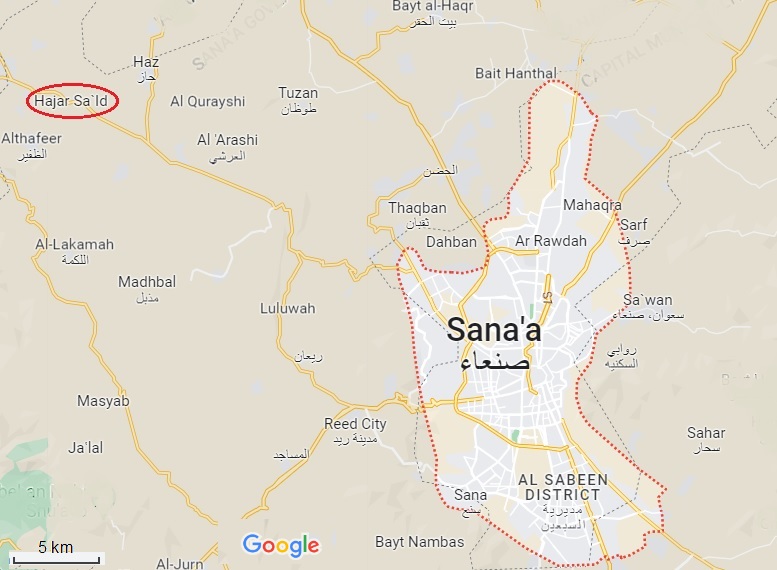
Hajur
Zaidi State under the rule of Al-Mutawakkil Isma’il (1675)
オスマン・トルコは、イエメンのほぼ全土を制圧すると、かねてからナジュラーン(Najran)(نجران)を重要視していたのでナジュラーン地方の指導的部族ヤーム族(Banu Yam or Yam) (يام بنو)と連盟を結びました。しかしながら、17世紀半ばにはカーシミー朝がオスマン・トルコの支配からイエメンを解放したのでヤーム族もその忠誠をイエメンのザイド朝イマームに切り替えました。それからの数百年間のオスマン・トルコの時代にはナジュラーンは、イエメンとアシール(Asir) (عسير)の双方の統治者が論争した国境地帯となり、戦争が国中に広がりましたが、19世紀後半には再びオスマン・トルコに占領されました。
As soon as Ottoman Empire conquered almost all of Yemen, it formed a federation with the local leading tribe Banu Yam (Yam) (يام بنو) in Najran, because Ottoman Empire had put its priority on Najran (نجران) for long time. However, in the mid-17th century, Qasimid Dynasty liberated Yemen from Ottoman Empire’s rule, then Banu Yam tribe transferred its allegiance from Ottoman Empire to Zaidi Imam Government. Over the next few hundred years, during Ottoman Empire’s reign, Najran became a disputed border between the rulers of both Yemen and Asir (عسير). War spread throughout the region, but in the late 19th century, it was again occupied by Ottoman Empire.
バヌー・ヤーム族(Banu Yam) (بنو يام):カフラーン・カフターニ部族(Kahlan Qahtani Arabs) (كهلان قحطان عرب)ハムダーン族(Hamdan) (همدان)の支族。
Banu Yam (بنو يام): A branch of Hamdan tribe (همدان) belonging to Kahlan Qahtani Arabs (كهلان قحطان عرب).

 Desert peninsula