36 Kuwait since Modern Times

目次(Index)
まえがき
Introduction
イスラーム以前のクウェイトは、サーサーン朝(Sassanid Empire) (224~651) (ساسانيون)の支配下にあり、ファイラカ島(Failaka Island) (جزيرة فيلچا)には9世紀までキリスト教(Christians)ネストリウス派(Nestorian)の集落が残っていました。「鎖の戦い(Battle of Chains) (629~633) (معركة ذات السلاسل)」から始まった「イスラーム教徒のペルシア征服(Muslim conquest of Persia) (632–654)」に向かう戦いの中で、クウェイトは、イスラーム帝国(Caliphate) (خِلافة)に組み込まれました。
16世紀にクウェイトはポルトガルの支配下にありましたが、行政的には、バニー・カーリド氏族(Bani Khalid Clan) (بني خالد)に従属するシェイクドム(Sheikhdom) (مشيخة)でした。17世紀末から18世紀初頭頃に、バニー・ウトバ族(Bani Utbah) (بني عتبة)がバニー・カーリド首長国の許可を得て、その傘下でクウェイトに定住しました。サバーハ家(House of Sabah)を指導者の選び、地方的な首長国として歩み始めました。18世紀末にバニー・ウトバ族は、バニー・カーリド氏族の合意を得て、自主独立のクウェイト・シェイクドム(Sheikhdom of Kuwait) (1752~1961) (مشيخة الكويت)を設立しました。それから間もなく、バニー・ウトバ族(Bani Utbah)の支配者家族であるカリファ・ジャラヒマ両家(Khalifa and Jalahima families)がクウェイトを離れたのでサバーハ家(House of Sabah)支配は一層安定しました。サバーハ家(House of Sabah)の支配は、特にバニー・カーリド氏族(Bani Khalid Clan) (بني خالد)の権力が衰退した為、近隣の部族にとっても重大な関心事となっていました。
18世紀にクウェイトは、東西貿易を担う中心的な港町としての地位を確立しました。当時もこの地域を支配していたオスマン帝国の干渉も少なくありませんでしたが、英国と外交関係を結び、最終的には英国の保護国となることで排除することができました。20世紀に入るとバニー・ウトバ族(Bani Utbah)のスンニー派(Sunni Islam) (أهل السنة والجماعة)の家族が貿易・造船・真珠採集からの裕福さと結婚で力を付け支配階級となって来ました。
しかし、20世紀初めには貿易封鎖と世界的経済の不況のためにクウェイトは長距離貿易でその卓越性を失いました。真珠産業も需要の落ち込みと養殖真珠の出現で崩壊しました。第一世界大戦後の旧オスマン帝国領領有権をめぐるクウェイト・ナジュド戦争(Kuwait–Najd War) (الحرب النجدية الكويتية)後のウカイア議定書
(Uqair Protocol)で一応の決着はしてますが、イブン・サウードによる貿易封鎖の継続もさらなる経済的打撃でした。ほとんどのクウェイトが困窮状態に陥っていました。もう一方のイラクとの領有権問題は、イラク・クウェイト再統一運動を招き、サッダーム・フセイン(Saddam Hussein) (صدام حسين)によるクウェイト侵攻の遠因ともなっています。
救いは1937年に発見された石油でした。それまで貿易に目を向ける商人をサバーハ家(House of Sabah) (آل صباح)が守ることによって得ていた歳入は、それを脱却して石油収入で急激に増加しました。1946年から1982年の間に、クウェイトは、石油収入とそのリベラルな雰囲気によって推進され、「黄金時代」と呼ばれる繁栄を経験しました。主要な公共事業プログラムにより、クウェイト人は、近代的な生活水準を享受することができました。
1961年6月、クウェイトは、英国の保護領の終了とともに独立し、アラビア湾で憲法と議会を設立した最初のアラブ諸国でした。1960年代と1970年代には、クウェイトは、言論の自由も保証され、この地域で最も先進国でした。
1976年8月に首長の政策に対する議会の反対の高まりに応えて首長は政治的および市民的権利(報道の自由と立法府の解散)と議会自体に関する憲法の4つの条項を停止しました。1980年代初頭の大きな経済危機もあって、社会不穏と経済危機が深まりました。イラン・イラク戦争中(Iran–Iraq War) (1980~1988)における戦費貸付の棒引き要求、テロ行為や民主化運動も重なりました。イラクへの債務免除拒否、領土問題再燃、石油生産割当等の諸問題が湾岸戦争(Gulf War) (1990~1991) (حرب الخليج الثانية)へと導きました。
イラクにクウェイト全土が占領された後、サバーハ家は、いち早く、サウジアラビアのターイフに避難した為、国民の不満は戦後も残りました。アメリカ主導の連合のクウェイト奪回と国際協力の恩恵もあり、湾岸戦争余波としての大規模な油流出や油田火災も1991年末までには治まりました。1990年代半ば頃からは、植生も回復し始めています。1992年初頭、クウェイトでは多くの報道規制が解除され、1992年10月の議会選挙が実施されると、国会は、議会が解散している間に公布されたすべてのアミール(Amir)法令を検討する憲法上の権利を行使しました。イラク侵攻(2003 invasion of Iraq) (2003 غزو العراق)によってサッダーム・フセイン政権が打倒され、イラクからの脅威は、排除されました。一時は、イスラーム国(IS)問題がありましたが、大きな影響は受けずに済んでいます。これにはクウェイトの一部が資金提供してISび協力した為だったとの指摘もあります。
2006年以降、クウェイトは、政治汚職スキャンダルが重なり、慢性的な政治的行き詰まりと長年にわたる内閣改造と解散に苦しんでいます。これは、クウェイトへの投資と経済改革を著しく妨げ、国の経済を石油に大きく依存させています。世界経済フォーラム(World Economic Forum)によると、クウェイトは最も経済的に開発が遅れている湾岸諸国です。クウェイトは、インフラストラクチャがGCC地域全体で最も弱い国となっています。その一方で、2010年にシェイク・サバーハ・アル=アハメド(Sheikh Sabah Al-Ahmad Al-Jaber Al-Sabah)が発表したクウェイト・ビジョン2035 (Kuwait Vision 2035)の実現は、着々と進められています。
Pre-Islamic Kuwait was under the rule of the Sassanid Empire (224~651) (ساسانيون). Failaka Island (جزيرة فيلچا) was home to a settlement of Nestorian Christians until the 9th century. During “the battle to the Muslim conquest of Persia (632–654)”, which began with “the Battle of Chains (629~633) (معركة ذات السلاسل)”, Kuwait was incorporated in the Islamic Caliphate (الخلافة الإسلامية).
In the 16th century, Kuwait was under Portuguese rule, but administratively it was a Sheikhdom (مشيخة) subordinate to Bani Khalid Clan (بني خالد). Around the end of the 17th and early 18th centuries, Bani Utbah (بني عتبة) settled in Kuwait with the permission of Bani Khalid Emirate (إمارة بني خالد). And Bani Utbah lived under the rule of this Emirate. Bani Utbah, with the agreement of Bani Khalid Emirate, established the independent Sheikhdom of Kuwait (1752~1961) (مشيخة الكويت). Shortly thereafter, Khalifa and Jalahima, who belonged to the ruling families of Bani Utbah, left Kuwait, House of Sabah rule became more stable. The House of Sabah was also of great concern to neighboring tribes, especially under the circumstance as the power of Bani Khalid Clan (بني خالد) declined.
In the 18th century, Kuwait established itself as a central port city for the east-west trade. There were some of interferences from the Ottoman Empire, who had still controlled the region at that time. They were able to eliminate by establishing diplomatic relations with Britain and eventually becoming to a British protectorate. In the 20th century, the Sunni Islam families (أهل السنة والجماعة) of Bani Utbah had become a ruling class by their own reinforcement due to marrying with each other and getting wealth from trade, shipbuilding, and pearl industry. However, in the early 20th century, Kuwait lost its prominence in long-distance trade due to trade blockades and the global economic recession. The pearl industry also collapsed with a drop in demand and the advent of cultured pearls. Although Uqair Protocol after Kuwait–Najd War (الحرب النجدية الكويتية) over the former Ottoman sovereignty after World War I had been settled their border for the time being, the trade blockade by Ibn Saud had still continued. It was also a further economic blow. Therefore, most Kuwaiti people were in dire straits. On the hand, the territorial dispute also with Iraq led to the Iraqi-Kuwait reunification movement and was a distant cause of the invasion of Kuwait by Saddam Hussein (صدام حسين).
The salvation was oil discovery in 1937. The revenues previously had been gotten by the House of Sabah (آل صباح) came from protecting merchants who looked to trade. Its revenues rose sharply in oil income. Between 1946 and 1982, Kuwait experienced a prosperity called the “Golden Age,” driven by oil revenues and its liberal atmosphere. Major public works programs had allowed Kuwaitis to enjoy a modern standard of living.
In June 1961, Kuwait became independent with the end of the British protectorate and was the first Arab country to establish a constitution and parliament in the Arabian Gulf. In the 1960s and 1970s, Kuwait was the most developed country in the region, with freedom of speech also guaranteed.
In response to growing opposition in Congress to the policies of the Amir in August 1976 Amir suspended four articles of the constitution concerning political and civil rights (freedom of the press and the dissolution of the legislature) and the parliament itself. Partly due to the major economic crisis of the early 1980s, social unrest and economic crisis deepened. Iraqi demand forgiving its war loans In the Iran–Iraq War (1980~1988), terrorist acts, and pro-democracy movements also overlapped on them.
Refusal to forgive Iraqi loans, renewed territorial disputes, oil production quotas, and other issues led to Gulf War (1990~1991) (حرب الخليج الثانية).
After Iraq occupied all of Kuwait, the House of Sabah was one of the first to take refuge in Taif (طائف), Saudi Arabia. For this reason, public dissatisfaction with the House of Sabah remained after the war. Thanks in part to the U.S.-led coalition’s recapture of Kuwait and international cooperation, the massive oil spills and fires in the aftermath of the Gulf War subsided by the end of 1991. Since the mid-1990s, vegetation has also begun to recover.
In early 1992, many press restrictions were lifted in Kuwait, and when the October 1992 parliamentary elections were held, the National Assembly exercised its constitutional right to consider all Amir decrees promulgated while the parliament was dissolved. The 2003 invasion of Iraq (2003 غزو العراق) overthrew the regime of Saddam Hussein and eliminated the threat from Iraq. At one point, there was the Islamic State (IS) problem, but it was not greatly affected. Some source had pointed out that this was because some of Kuwaitis funded and cooperated with IS.
Since 2006, Kuwait has suffered from a chronic political impasse and years of cabinet reshuffles and dissolutions, with a series of political corruption scandals. This has severely hampered investment and economic reforms in Kuwait, making the country’s economy heavily dependent on oil. According to the World Economic Forum, Kuwait is the most economically underdeveloped Gulf country. Kuwait has become the weakest country in the entire GCC region in terms of infrastructure. On the other hand, the realization of Kuwait Vision 2035 announced by Sheikh Sabah Al-Ahmad Al-Jaber Al-Sabah in 2010 has steadily been progressed.
イスラーム時代初期から後期
Early to late Islamic period
節索引(Section Index)
| 鎖の戦い | Battle of Chains |
| カズマ市 | Kazma city |
| 初期から後期のイスラーム集落 | Early to late Islamic settlements |
| クリスチャン・ネストリウス派 | Christian Nestorian |
鎖の戦い
Battle of Chains
西暦636年、サーサーン朝(Sassanid Empire) (224~651) (ساسانيون)と正統カリフ朝(Rashidun Caliphate) (632~661) (الخلافة الراشدة)の間の「鎖の戦い(Battle of Chains) (629~633) (معركة ذات السلاسل)」がカズマ(Kazma) (كاظمة)近くのクウェイトで戦われました。当時、クウェイトは、サーサーン朝の支配下にありました。鎖の戦い(Battle of Chains) (معركة ذات السلاسل)は、イスラーム教徒軍がその国境を拡大しようとした正統カリフリフ朝の最初の戦いでした。
In 636AD, the Battle of Chains (629~633) (معركة) between Sassanid Empire (224~651) (ساسانيون) and Rashidun Caliphate (632~661) (الخلافة الراشدة) was fought near Kazma (كاظمة) in Kuwait. At that time, Kuwait was under the control of the Sassanid Empire. The Battle of Chains (معركة ذات السلاسل) was the first battle of Rashidun Caliphate when Muslim forces attempted to expand its borders.
カズマ市
Kazma city
クウェイト湾にあったカズマ市(Kazma)は、イラク(Iraq) (العراق)からヒジャーズ(Hejaz) (الحجاز)に向かう途中の巡礼者の貿易港および休憩所として機能し、イスラーム時代初期に使用されていました。
クウェイト湾は肥沃な地域として知られていました。カズマ市(Kazma)は、都がイラクのヒーラ(Al-Hirah) (الحيرة)にあったラフミード朝(Lakhmid Kingdom) (c.300~602) (اللخميون)によって支配されていましたが、西暦636年の正統カリフ朝(Rashidun Caliphate)の勝利によって、その支配下に入りました。アラブ人の最も偉大な古典詩人の一人として認められているアル=ファラズダク(Al-Farazdaq) (641~728/730) (الفرزدق)は、カズマの生まれでした。
Kazma (كاظمة), located in the Gulf of Kuwait, served as a trading port and resting place for pilgrims on their way from Iraq (العراق) to Hejaz (الحجاز), and was used in early Islamic times.
The Gulf of Kuwait was known as a fertile region. Kazma was ruled by the Lakhmid Kingdom (c.300~602) (اللخميون), whose capital was located in Al-Hirah (الحيرة) in Iraq, but in 636 AD with the victory of Rashidun Caliphate, it came under its control. Al-Farazdaq (641~728/730) (الفرزدق), recognized as one of the greatest Arab classical poets, was born in Kazma.
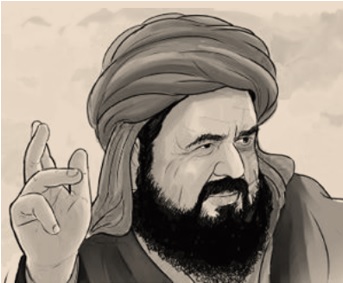
Al-Farazdaq
初期から後期のイスラーム集落
Early to late Islamic settlements
初期から後期のイスラーム集落には、スビヤ(Subiya) (الصبية)、アッカズ(Akkaz) (عكاز)、ファイラカ島のカライブ・アル=ダシュト(Kharaib al-Dasht) (خريب الدشت)、ウム・アル=アイシュ(Umm al-Aish) (أم العيش)、アル=ラウダタイン(Al-Rawdatain) (الروضتين)、アル=クスール(Al Qusur) (القصور)、ウム・アン=ナミル(Umm an Namil) (أم النمل)、ミスカン(Miskan Island) (جزيرة مسكان)、およびワディ・アル=バーティン(Wadi al-Batin) (وادي الباطن)のクウェイト側にありました。ブビヤン(Bubiyan Island) (جزيرة بوبيان)には初期のイスラーム時代の人間が居住していた跡が残されています。
Early to late Islamic settlements include Subiya (الصبية), Akkaz (عكاز), Kharaib al-Dasht (خريب الدشت) on Failaka Island, Umm al-Aish (أم العيش), Al-Rawdatain (الروضتين), Al Qusur (القصور), Umm an Namil (أم النمل), Miskan Island (جزيرة مسكان), and Kuwait side of Wadi al-Batin (وادي الباطن). An early Islamic human habitation remains in Bubiyan Island (جزيرة بوبيان).
クリスチャン・ネストリウス派
Christian Nestorian
キリスト教(Christians) (مسيحيون)のネストリウス派(Nestorian) (نسطورية)の集落が5世紀から9世紀までクウェイト湾(Kuwait Bay)のファイラカ島(Failaka Island) (جزيرة فيلچا)で栄えていましました。5~6世紀頃にはすでにいくつかの農場、村、2つの大きな教会がありました。この古い島の伝統は、共同体がキリスト教の神秘家と隠者の周りに育ったことを示しています。クウェイトの一部はローマ帝国の下に置かれたため、ビザンチン時代(330/395~1453) (الإمبراطورية البيزنطية)のネストリウス派教会の遺跡がアッカズ(Akkaz)とアル=クスール(Al Qusur)に残されていました。
The settlement of Nestorian (نسطورية) of Christians (مسيحيون) flourished on Failaka Island (جزيرة فيلچا) in Kuwait Bay from the 5th to the 9th century. Around the 5th~6th century there had been already several farms, villages and two large churches. This old island tradition shows that the community grew up around Christian mystics and hermits. Since part of Kuwait was under the Roman Empire, the remains of the Nestorian (نسطورية) church in the Byzantine period (330/395~1453) (الإمبراطورية الب يزنطية) were located in Akkaz and Al Qusur.
クウェイトの創設
Founding of Kuwait
節索引(Section Index)
バニー・カーリド族支配からバニー・ウトバ族支配へ
From Bani Khalid Clan control to Bani Utbah Clan control
1521年、クウェイトは、ポルトガルの支配下にあり、16世紀後半にはポルトガル人が防御的な集落を建設していました。1613年、クウェイト市は、主に漁師が住む漁村で、行政的には、バニー・カーリド氏族(Bani Khalid Clan) (بني خالد)の地元のシェイク(Sheikh) (شيخ)によって支配されたシェイクドム(Sheikhdom) (مشيخة)でした。1682年または1716年に、 バニー・ウトバ(Bani Utbah) (بني عتبة)は、バニー・カーリド氏族(Bani Khalid Clan)のアハサー首長(the Emir of al-Hasa)サアデューン・ビン・ムハンマド(Sa’dun bin Muhammad) (r.1691~1722) (سعدون بن محمد)の許可を得て、クウェイト市に定住しました。1718年にバニー・ウトバ(Bani Utbah)の各家族長(the head of each family)が集まり、サバーハ家(House of Sabah)のサバーハI世・ビン・ジャービル・アル=サバーハ(Sabah I bin Jaber) (r.1752~1762) (صباح الأول بن جابر الصباح)が首長に選ばれました。当時は、まだ漁師が住んでおり、主にバニー・カーリド氏族(Bani Khalid Clan)の管理下にある漁村のシェイク(Sheikh)として機能していました。
In 1521, Kuwait was under Portuguese rule, and by the late 16th century the Portuguese were building defensive settlements. In 1613, the city of Kuwait was a fishing village inhabited mainly by fishermen, administratively Sheikhdom (مشيخة), ruled by the local Sheikh (شيخ) under the rule of Bani Khalid Clan (بني خالد). In 1682 or 1716, Bani Utbah (بني عتبة) settled in the city of Kuwait, getting the permission of Sa’dun bin Muhammad (r.1691~1722) (سعدون بن محمد), who was the Emir of al-Hasa of Bani Khalid Clan. In 1718, the head of each family of Bani Utbah met and Sabah I bin Jaber (r.1752~1762) of the House of Sabah was elected as the chief. At that time, it was still inhabited by fishermen and he functioned as the local Sheikh of this fishing villages, under the control of Bani Khalid Clan.
バニー・カーリド族(Bani Khalid) (بنو خالد)
Banu Khalid branch (قبيلة الفرعية بني خالد)
カフラーン・カフターン部族(Kahlan Qahtan Arabs) (كهلان قحطان عرب)のタイイ族(Tayy) (طيء)の支族
A branch belonging to Tayy Tribe (قبيلة طيء ) of Kahlan Qahtan Arabs (كهلان قحطان عرب).
バニー・ウトバ族(Bani Utbah) (بني عتبة)
Bani Utbah (بني عتبة)
ムダル・アドナーン部族(Mudar Adnan Arab) (مضر عدنان عرب) バニー・スライム・ビン・マンスール族(Bani Sulaim bin Mansoor) (بني سليم بن منصور)のカファーフ一門
A Branch of Khafaf (خفاف) clan of Bani Sulaim bin Mansoor(بني سليم بن منصور) belonging to Mudar Adnan Arab (مضر عدنان عرب)
クウェイト・シェイクドムの創設
Inauguration of Sheikhdom of Kuwait
1752年、クウェート首長(Amir of Kuwait)とアハサー首長(Amir of al-Hasa)との間の合意により、アハサー首長はサバーハI世・ビン・ジャービル・アル=サバーハ(Sabah I bin Jaber)のクウェートに対する独立統治を認め、その代わりにクウェートは同盟を結んだり、アハサーの敵を支援したり、干渉したりしないという合意が得られた後、クウェートは独立し、クウェイト・シェイクドム(Sheikhdom of Kuwait) (1752~1961) (مشيخة الكويت)が創設されました。サバーハ家(House of Sabah)の支配は、特にバニー・カーリド氏族(Bani Khalid Clan) (بني خالد)の権力が衰退し、バニー・ウトバ(Bani Utbah)の連続した結婚同盟の結果としてクウェイトの支配力を強め、近隣の部族にとっても重大な関心事となっていました。
In 1752, an agreement with the Amir of al-Hasa granted Sabah I bin Jaber’s independent rule over Kuwait as the Amir of Kuwait, in return Kuwait did commit not to form an alliance with the enemies of al-Hasa, and also not to support or interfere with them. Kuwait became independent and the Sheikhdom of Kuwait (1752~1961) (مشيخة الكويت) was founded. The House of Sabah was also of great concern to neighboring tribes, especially under the circumstance as the power of Bani Khalid Clan (بني خالد) declined. And also, they concerned about Bani Utbah’s increasing dominance as a result of its reinforcement due to the successive marriage alliances each other family.
アブドゥッラーI世の即位
Accession of Abdullah I to Throne
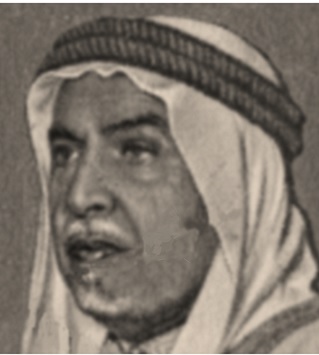
Sabah I bin Jaber
1762年(1776年との説もあります。)、サバーハI世(Sabah I)が亡くなり、末っ子のアブドゥッラーI世・ビン・サバーハ・ビン・ジャービル(Abdullah I Al-Sabah) (1762~1814) (عبد الله بن صباح بن جابر الصباح)に引き継がれました。アブドゥッラーI世(Abdullah I)の長い支配(1762~1814)の終わりまでに、サバーハ家(House of Sabah)の支配は安全であり、クウェイトの政治的階層は十分に確立され、商人は、シェイク(Sheikh) (شيخ)からの直接の命令に従いました。19世紀までに、支配的なサバーハ家(House of Sabah)は、沙漠のシェイク(Sheikh)よりもはるかに強力になっただけでなく、アブドゥッラーI世は、息子の後継者に指名することもできました。この影響は、内部だけでなく、サバーハ家(House of Sabah)が外交を行うことを可能にしました。1775年には英国東インド会社(British East India Compan)と良好な関係を築きました。
In 1762 (There is also a theory that it is 1776), Sabah I died and was succeeded by his youngest son, Abdullah I Al-Sabah (1762~1814) (عبد الله بن صباح بن جابر الصباح). By the end of Abdullah I’s long rule (1762~1814), the House of Sabah rule was safe and secure. The political hierarchy of Kuwait was well established, and merchants obeyed direct orders from Sheikh (شيخ). By the 19th century, the ruling House of Sabah did become much more powerful than merely the Sheikh of the Desert. Abdullah I was also able to name his son as his successor. This allowed the House of Sabah to conduct diplomacy, as well as internal affairs. In 1775 it established good relations with the British East India Company.
カリファ・ジャラヒマ両家の離脱
Secession of Khalifa and Jarahima families from Kuwait
サバーハI世(Sabah I)の死の直前に、アル=カリファ(al-Khalifa) (آل خليفة)と、その直後にアル=ジャラヒマ(al-Jalahima) (الجلاهمة)がクウェイトを離れ、カタールのズバラ(Zubara) (الزبارة)に向かいました。国内では、アル・カリファ(al-Khalifa)とアル=ジャラヒマ(al-Jalahima)は、共に権力のトップ候補の一つでした。彼らの移住は、サバーハ家(House of Sabah)を議論の余地のない支配下に置きました。
Shortly before Sabah I’s death, Al-Khalifa (آل خليفة) and shortly thereafter Al-Jalahima (الجلاهمة) left Kuwait for Zubara (الزبارة) in Qatar. Domestically, the both of Al-Khalifa and Al-Jalahima had been among the top contenders for power. Their migration brought the House of Sabah put Kuwait under indisputable control.
初期の成長
Early growth
節索引(Section Index)
主要な商業の中心的港町(1775~1779)
A major commercial hub-port (1775~1779)
18世紀、クウェイトは、急速にインド、マスカット、バグダッド、アラビア間の商品の輸送の主要な商業の中心的港町になりました。1700年代半ばまでに、クウェイトはすでにアラビア湾からアレッポ(Aleppo) (حلب)への主要な貿易ルートとしての地位を確立していました。1775年から1779年のペルシャ(Zand dynasty of Persia) (1751~1794) (دودمان زندیان)によるバスラ包囲戦(Siege of Basra)の間、イラクの商人はクウェイトに避難していました。彼らは、クウェイトの造船と貿易活動の拡大に貢献したので、海上商取引は、さらに活況を呈して、クウェイトは、一層発展しました。
In the 18th century, Kuwait rapidly became a major commercial hub-port for the transportation of goods between India, Muscat, Baghdad and Arabia. By the mid-1700s, Kuwait had already established itself as a major trade route from the Arabian Gulf to Aleppo (حلب). During the Siege of Basra by Zand dynasty of Persia (1751~1794) (دودمان زندیان) from 1775 to 1779, Iraqi merchants were evacuated to Kuwait. They contributed to the expansion of Kuwait’s shipbuilding and trading activities, therefore Kuwaiti maritime commerce became more booming and Kuwait became more developed.
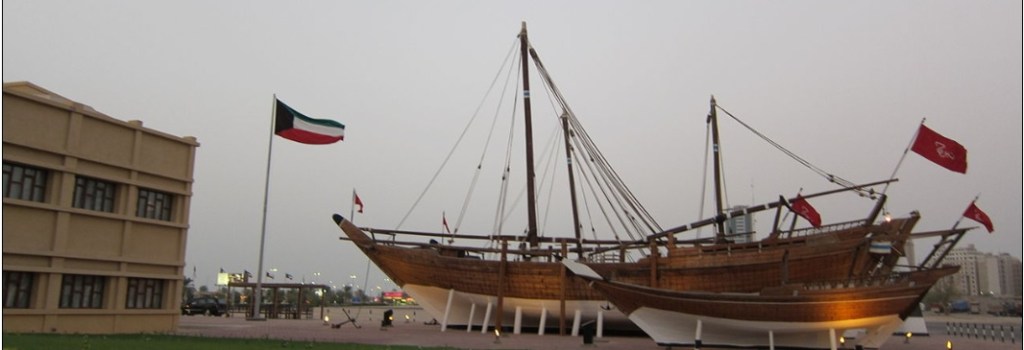
クウェイト市の海洋博物館。商人の港としてのクウェイトの創設を示しています。
Marine Museum in Kuwait City. Showing the development of Kuwait as a sea port for merchants.
交易路のクウェイトへの迂回
Trade route diversion to Kuwait
1775年から1779年の間に、バグダッド、アレッポ、スミルナ(Smyrna)、コンスタンティノープルとのインドの交易路はクウェイトを通過するために迂回するようになりました。東インド会社も1792年にはクウェイトを利用する様になり、東インド会社は、クウェイト、インド、アフリカの東海岸の間の海路を確保しました。ペルシャ人が1779年にバスラ(Basra) (بصرة)から撤退した後、クウェイトはバスラから離れて貿易を引き付け続けました。
Between 1775 and 1779, Indian trade routes with Baghdad, Aleppo, Smyrna and Constantinople diverted to pass through Kuwait. The East India Company also took advantage of Kuwait in 1792, securing a sea route between Kuwait, India and the east coast of Africa. After the Persians withdrew from Basra (بصرة) in 1779, Kuwait continued to attract trade away from Basra.
アラビア湾地域の造船の中心地
A center of shipbuilding in Arabian gulf region
18世紀後半、クウェイトは、オスマン帝国(Ottoman Empire) (1299~1923) (الدولة العثمانية)の迫害から逃れたバスラの商人の避難所としても機能し、アラビア湾地域の造船の中心地でもあり、クウェイト人船員の能力がアラビア湾での名声を築いていました。19世紀にはアラビア馬が尊重され、クウェイトからの帆船で出荷されるアラビア馬は、インドだけでも年間平均800頭に及んでいました。
In the late 18th century, Kuwait also served as a refuge for Basra (بصرة) merchants fleeing persecution by the Ottoman Empire (1299-1923) (الدولة العثمانية), and was also a center of shipbuilding in the Arabian Gulf region. Sailors’ proficiency was building their reputation in the Arabian Gulf. In the 19th century, Arabian horses were revered and an average of 800 horses were exported annually from Kuwait by sailing boats to India alone.
アラビア湾のマルセイユ(1895~1915)
Marseille of Arabian Gulf (1895~1915)
クウェイトは、宗教的に寛容であったこともあり、住人は、アラブ人、ペルシャ人、アフリカ人、ユダヤ人、アルメニア人など、国際的で民族的に多様でした。特にムバーラク(Mubarak Al-Sabah) (r.1896~1915) (مبارك الصباح)の治世中は、経済的活力が多種多様な人々を魅了したため、「クウェイトは、アラビア湾のマルセイユ」と呼ばれていました。
Kuwait was religiously tolerant, and its inhabitants were cosmopolitan and ethnically diverse, including Arabs, Persians, Africans, Jews and Armenians. Especially during the reign of Mubarak Al-Sabah (r.1896~1915) (مبارك الصباح), Kuwait was called the “Marseille of the Arabian Gulf” because of its economic dynamism that attracted a wide variety of people.
クウェート国家確立への道
Establishing Kuwait as a state
節索引(Section Index)
ムハンマド・ビン・サバーハの暗殺(1871~1896)
Assassination of Muhammad Bin Sabah (1871~1896)
クウェイトは政権的にはオスマン帝国のバスラ(Basra)から統治されていましたが、クウェイト人は伝統的にやや中程度の自治権を維持していました。1870年代、オスマン帝国の当局者は、クウェイトでの家族の競争が混乱を引き起こしていた1871年の軍事介入により、アラビア湾での存在を再主張していました。オスマン帝国は、破産し、1881年にヨーロッパの銀行がオスマン帝国の予算を管理したとき、クウェイトとアラビア半島からの追加収入が必要でした。イラクの知事であるミドハト・パシャ(Midhat Pasha) (1822~1883) (مدحت باشا)は、クウェイトがオスマン帝国の支配に服従することを要求しました。サバーハ家(House of Sabah)は、英国外務省(British Foreign Office)との外交同盟を結ぼうとしました。しかし、アブドゥッラーII世(Abdullah II Al-Sabah) (r.1866~1892) (عبد الله الثاني الصباح)の下で、クウェイトは一般的な親オスマン帝国の外交政策を追求し、正式にオスマン帝国州知事(Ottoman provincial governor)の称号を獲得しました。しかし、オスマン帝国とのこの関係は、オスマン帝国がクウェイトの法律と選択または支配者に干渉する結果になりました。1896年5月、シェイク・ムハンマド・アル=サバーハ(Sheikh Muhammad Al-Sabah) (r.1892~1896) (الشيخ محمد بن صباح الصباح)は、1897年初頭にオスマン帝国のスルターンによってクウェイトのカイマカム(qaimmaqam)(州の副知事(provincial sub-governo))として認められた異母兄弟のムバーラク(Sheik Mubarak Al-Sabah) (r.1896~1915) (الشيخ مبارك بن صباح الصباح)によって暗殺されました。
Although Kuwait was administratively ruled from the Ottoman Basra, Kuwaitis traditionally maintained a somewhat moderate degree of autonomy. In the 1870s, Ottoman officials were reasserting their presence in the Arabian Gulf with a military intervention in 1871 when family rivalries in Kuwait were causing chaos. The Ottomans needed additional income from Kuwait and the Arabian Peninsula when they went bankrupt and in 1881 European banks took control of the Ottoman budget. Midhat Pasha (1822~1883) (مدحت باشا), the governor of Iraq, demanded that Kuwait submit to Ottoman rule. The House of Sabah attempted to enter into a diplomatic alliance with the British Foreign Office. However, under Abdullah II Al-Sabah (r.1866~1892) (عبد الله الثاني الصباح), Kuwait pursued a general pro-Ottoman foreign policy and officially earned the title of Ottoman provincial governor. However, this relationship with the Ottomans resulted in the Ottomans interfering with Kuwait’s laws and choices or rulers. In May 1896, Sheikh Muhammad Al-Sabah (r.1892~1896) (الشيخ محمد بن صباح الصباح) was assassinated by his half-brother Sheik Mubarak Al-Sabah (r.1896~1915) (الشيخ مبارك بن صباح الصباح), who was appointed to a qaimmaqam of Kuwait (Lieutenant Governor of the province) by the Ottoman Sultan in early 1897.
ムバーラク大王(1896~1915)
ムバーラク(Sheik Mubarak Al-Sabah)が殺人によって王位を奪ったことで、兄のかつての同盟国オスマン帝国は、彼の支配に対する脅威となりました。7月、ムバーラク(Mubarak)は英国軍にクウェイト沿岸に沿って砲艦を配備するよう要請しました。英国は、同盟に対するムバーラク(Mubarak)の願望を、この地域におけるドイツの影響力に対抗する機会と見て、同意しました。これは、オスマン帝国が英国が彼らの帝国への干渉をやめることを要求した第一次クウェイト危機(First Kuwaiti Crisis)として知られているものにつながりました。結局、オスマン帝国は、戦争になるのを避けて、撤退しました。
With Sheik Mubarak Al-Sabah usurping the throne by murder, his brother’s former ally Ottomans became a threat to his rule. In July, Mubarak requested British troops to deploy gunboats along the Kuwait coast. Britain agreed, seeing Mubarak’s desire for an alliance as an opportunity to counter German influence in the region. This led to what was known as the First Kuwaiti Crisis, in which the Ottomans demanded that Britain stop interfering in their empire. In the end, the Ottomans withdrew, avoiding going to war.
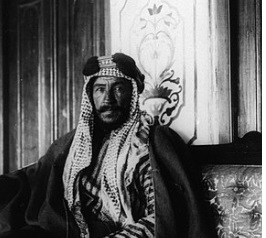
Mubarak the Great
Sheik Mubarak Al-Sabah (r.1896~1915) (الشيخ مبارك بن صباح الصباح)
1899年1月、ムバーラク(Mubarak)は、英国との協定に署名し、クウェイトは、英国政府の同意なしに領土を割譲したり、外国勢力の代理人や代表者を受け入れたりしないことを約束しました。本質的に、この政策は、英国にクウェイトの外交政策の支配権を与えました。その見返りに、この条約では、英国がクウェイトの国家安全保障に対する責任を持ち、英国は、支配家族に年間15,000インドルピー(1,500ポンド)の補助金を与えることに同意しました。
In January 1899, Mubarak signed an agreement with Great Britain, in which Kuwait promised not to cede territory or accept agents or representatives of foreign powers without the consent of the British government. In essence, this policy gave Britain control of Kuwait’s foreign policy. In return, the treaty gives the United Kingdom responsibility for Kuwait’s national security. Britain agreed to give the ruling family a subsidy of INR 15,000 (£1,500) per year.
1911年、ムバーラク(Mubarak)は増税しました。この為、3人の裕福なビジネスマン、イブラヒーム・アル=ムダフ(Ibrahim Al-Mudhaf) (1852~1928) (إبراهيم المضف)、ヘラール・アル=ムタイリー(Helal Al-Mutairi) (1855~1938) (هلال فجحان المطيري)、シャムラーン・アリー・ビン・サイフ・アル=ルーミー (Shamlan Ali bin Saif Al-Roumi) (شملان علي بن سيف الرومي)(フセイン・アリー・ビン・サイフ・アル=ルーミ(Hussain Ali bin Saif Al-Roumi) (حسن علي بن سيف الرومي)の兄弟)は、バハレインを主要な貿易拠点にすることでムバーラク(Mubarak)に対する抗議を主導し、クウェイト経済に悪影響を及ぼしました。ムバーラク(Mubarak)は、バハレインに行き、増税について謝罪し、3人のビジネスマンは、クウェイトに戻りました。
In 1911, Mubarak raised taxes. For this reason, three wealthy businessmen, Ibrahim Al-Mudhaf (1852~1928) (إبراهيم المضف) and Helal Al-Mutairi (1855~1938) (هلال فجحان المطيري),Shamlan Ali bin Saif Al-Roumi (شملان علي بن سيف الرومي) (a brother of Hussain Ali bin Saif Al-Roumi (حسن علي بن سيف الرومي)) led protests against Mubarak by making Bahrain a major trading hub, which negatively affected Kuwaiti’s economy. Mubarak went to Bahrain and apologized for the tax increase, and the three businessmen returned to Kuwait.
1915年、ムバーラク(Mubarak)大王が亡くなり、息子のジャーベルII世アル=サバーハ(Jaber II Al-Sabah) (r.1915~1917) ( جابر المبارك الصباح)に引き継がれ、1917年初頭に亡くなるまで1年余り統治しました。彼の兄弟シェイク・サーリム・アル=ムバーラク・アル=サバーハ(Sheikh Salim Al-Mubarak Al-Sabah) (r.1917~1921) (الشيخ سالم المبارك الصباح)が彼の後を継ぎました。
In 1915, Mubarak the Great died and was succeeded by his son Jaber II Al-Sabah (r.1915~1917) (جابر المبارك الصباح), who ruled for just over a year until his death in early 1917. His brother Sheikh Salim Al-Mubarak Al-Sabah (1917~1921) (الشيخ سالم المبارك الصباح) succeeded him.
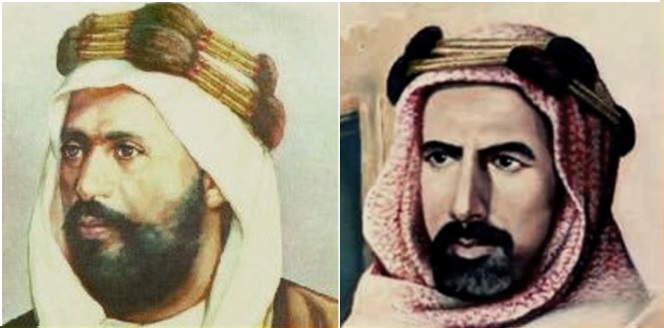
Jaber II Al-Mubarak Al-Sabah & Salim Al-Mubarak Al-Sabah
(r.1915~1917) & (r.1917~1921)
アングロオスマン条約(1913)
Anglo-Ottoman Convention (1913)
1913年のアングロオスマン条約(Anglo-Ottoman Convention)で、英国はクウェイトをオスマン帝国の自治カザ(an autonomous kaza)として定義することでオスマン帝国に同意し、クウェイトのシェイク(Sheikh) (شيخ)は独立した指導者ではなく、オスマン帝国政府のカイマカム(qaimmaqam) (provincial sub-governor)であると定義しました。
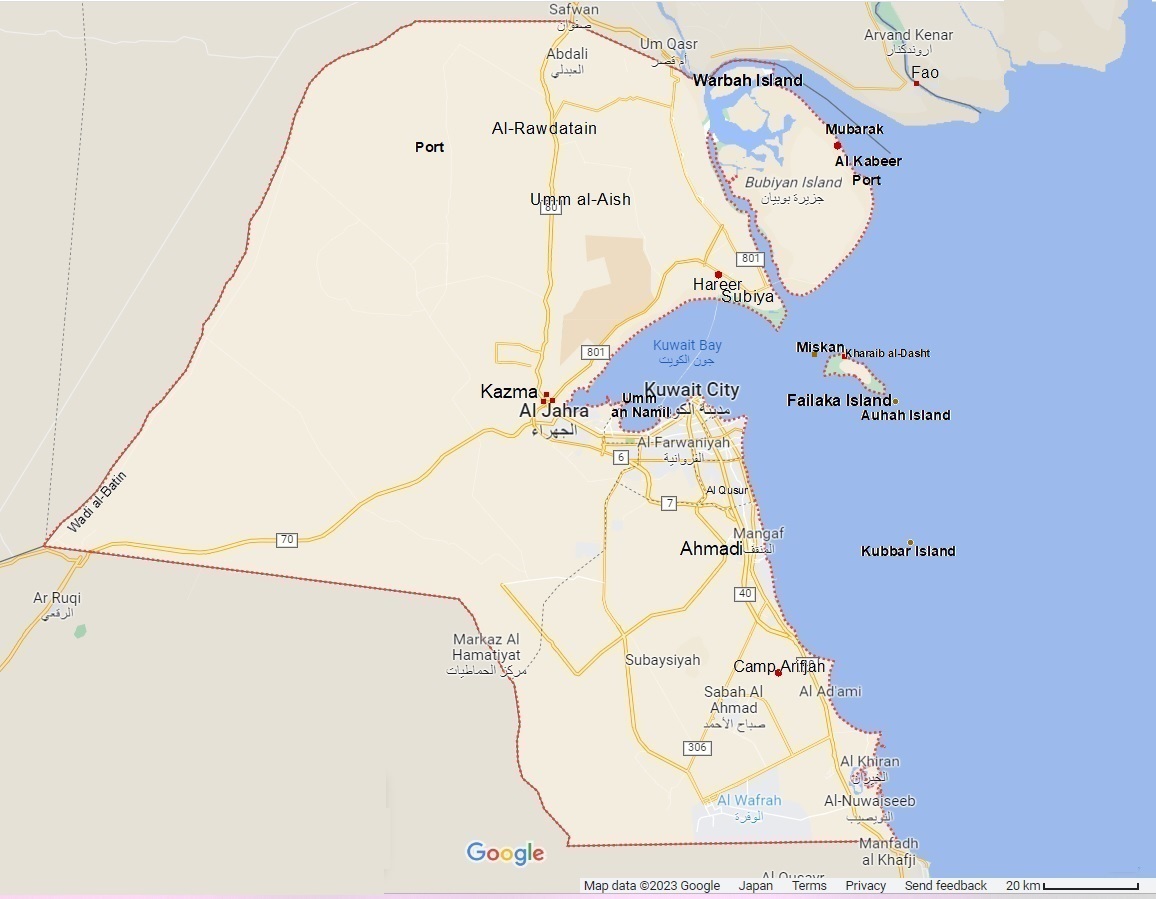
条約は、シェイク・ムバーラク(Sheikh Mubarak)が首都から半径80kmに及ぶ地域に対する権限を持っていると裁定しました。この地域は赤い丸でマークされ、アウハ島(Auhah Island) (عوهة)、ブビヤーン島(Bubiyan Island) (جزيرة بوبيان)、フェイラカー島(Failaka Island) (جزيرة فيلكا)、クバー島(Kubbar Island) (جزيرة كبر)、ワルバ島(Warbah Island) (جزيرة وربة)が含まれていました。緑の円は、半径100kmに及ぶ地域を指定し、その中でカイマカム(qaimmaqam)は、先住民から賛辞と税金を徴収する権限を与えられました。
In 1913 at the Anglo-Ottoman Convention, the British agreed with the Ottoman Empire by defining Kuwait as an autonomous kaza of the Ottoman Empire, and that Sheikh (شيخ) of Kuwait was not an independent leader, but rather a member of the Ottoman government. It was defined as qaimmaqam (provincial sub-governor).
The treaty ruled that Sheikh Mubarak had authority over an area extending an 80 km radius from the capital. This area is marked with a red circle, including Auhah Island (عوهة), Bubiyan Island (جزيرة بوبيان), Failaka Island (جزيرة فيلكا), Kubbar Island (جزيرة كبر) , Warbah Island (جزيرة وربة) . The green circle designates an area extending a radius of 100 km, in which the qaimmaqam was empowered to collect tribute and taxes from the indigenous people.
シェイク・カザールがクウェイトの王位を断る(1920)
Sheikh Khaz’al turns down the throne of Kuwait (1920)
パーシー・コックス(Sir Percy Cox)は、クウェイトでの国境衝突について知らされたとき、カザール(Khazʽal)がサバーハ家(House of Sabah)よりも賢明な支配者であることを知って、彼または彼の相続人の1人にクウェイトの王位を提供するモハマラー(Mohammerah) (المحمرة)(コッラムシャフル(Khorramshahr) (خرَمشَهر)の旧名)のシェイク・カザール・イブン・ジャビール(Sheikh Khazʽal Ibn Jabir) (لشيخ خزعل بن جابر)に手紙を送りました。しかしながら、サバーハ家(House of Sabah)を自分の家族と見なしていたカザールは、「クウェイトの王位からムバーラク(Mubarak)を辞任させることを期待されても、私とムバーラク(Mubarak)が一つの魂であり、一つの家であり私がこれを受け入れることが出来ない。」と王位継承を辞退しました。
Sir Percy Cox, when informed of the border clash in Kuwait, knowing that Khazʽal was a wiser ruler than the House of Sabah, offered the Kuwaiti throne to him or one of his heirs. Sir Percy Cox sent a letter to Sheikh Khazʽal Ibn Jabir (لشيخ خزعل بن جابر) (former name of Khorramshahr (خرَمشَهر)). However, Khazʽal, who considered the House of Sabah his family, declined to succeed to the throne, saying “Even if the Kuwaiti throne expects Mubarak to resign, I and Mubarak are one soul, one house, and I cannot accept this.”
クウェイトのエリート階級確立(1900~1940)
Establishment of Elite class in Kuwait (1900~1940)
20世紀の最初の数十年で、クウェイトではエリート階級が確立されました。彼らは、長く定住した都会のスンニー派(Sunni Islam) (أهل السنة والجماعة)の家族であり、その大部分は元の30のバニー・ウトバ(Bani Utbah)の家族からの子孫であると主張し、結婚によってお互いに結びついた、経済的利益を共有した裕福な貿易家族でした。中でも、最も裕福な家族は、長距離商取引、造船、真珠採取から富を獲得した貿易商人であり、国際的なエリートでありました。その多くは、インド、アフリカ、ヨーロッパを広く旅行し、その子息も海外で教育を受けさせていました。アル=ガニム(Al Ghanim) (الغانم)とアル=ハマド(Al Hamad) (الحمد)の商人家族は、1940年代以前に数百万の価値があると推定されていました。(Kuwaiti dinarの通貨価値は、当時の0.7米ドル相当でした。)
In the first decades of the 20th century an elite class had been established in Kuwait. They claim to be long-settled urban Sunni Islam (أهل السنة والجماعة) families, most of whom descended from the original 30 Bani Utbah families, they were wealthy trading families who shared economic interests, bound together by marriage. Among the richest families were traders and international elites who earned their wealth from long-distance commerce, shipbuilding and pearl fishing. Many of them traveled extensively in India, Africa and Europe, and sent their sons to study abroad. The merchant families of Al Ghanim (الغانم) and Al Hamad (الحمد) were presumed to have the value of the millions before the 1940s. (Kuwaiti dinar was worth about US dollar 0.7 at the time).
クウェイトの王朝君主(1938)
Kuwait’s dynastic monarchy(1938)
サバーハ家(House of Sabah)は、1938年にクウェイトの王朝君主(Kuwait’s dynastic monarchy)になりました。サバーハ家(House of Sabah)は、1890年の商人達との合意に基づき、「商人達の家族が貿易に焦点を合わせたのに対して、「サバーハ家(House of Sabah)は、クウェイトを壁で囲った都市にして、その内部で保護を提供しました。」
The House of Sabah became Kuwait’s dynastic monarchy in 1938. Based on an agreement with the merchants in 1890, the House of Sabah made Kuwait a walled city and provided protection within it, whereas the merchants’ families focused on trade.
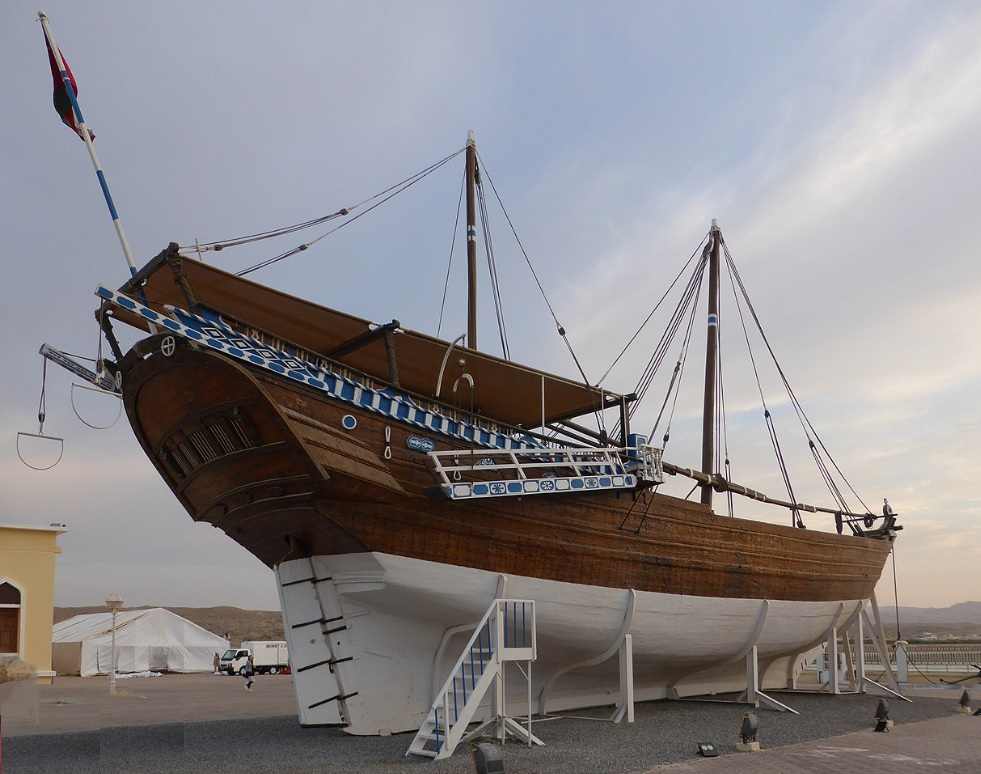
ファテ・アル=ハイル(Fateh Al-Khayr)は、1938年に建てられクウェイトの博物館船です。
Fateh Al-Khayr is a museum ship built in 1938n Kuwait.
第一次世界大戦とその余波
World War I and its aftermath
第一次世界大戦(1914~1918)は、クウェイトの政治、社会、経済、地域を超えたネットワークの要素を混乱させました。
World War I (1914~1918) disrupted the elements of Kuwait’s political, social, economic and regional network.
節索引(Section Index)
| メソポタミアキャンペーン(1914) | Mesopotamian Campaign (1914) |
| クウェイト軍の対オスマン帝国軍参戦 | Kuwait’s participation in the war against the Ottoman Empire |
| クウェイト・ナジュド戦争(1919~1921) | Kuwait–Najd War (1919~1921) |
メソポタミアキャンペーン(1914)
Mesopotamian Campaign (1914)
1914年11月6日、英国の攻撃行動は、シャット・アル=アラブ(Shatt al-Arab) (شط العرب)がアラビア湾と出会う地点にあるイラクのファーオ(Fao) (ٱلْفَاو)にある古い砦への海軍砲撃から始まりました。ファオ上陸作戦(Fao Landing)では、アーサー・バレット中将(Lieutenant General Arthur Barrett)が率いる第6(プーナ)師団(6th (Poona) Division)とパーシー・コックス卿(Sir Percy Cox)を政治将校とする英国領インド遠征軍D (British Indian Expeditionary Force D) (IEF D)が、350人のオスマン帝国軍と4門の銃に反撃されました。激しい交戦の後、砦は、制圧されました。11月中旬までに、プーナ師団(Poona Division)は完全に上陸し、バスラ市に向かって進軍し始めました。
On November 6, 1914, British offensive action began with naval bombardment of an old fort at Fao (ٱلْفَاو) in Iraq, at the point where Shatt al-Arab (شط العرب) met the Arabian Gulf. In the Fao Landing Operation, the 6th (Poona) Division, led by Lieutenant General Arthur Barrett, and the British Indian Expeditionary Force D (IEF D) with Sir Percy Cox as political officer were counterattacked by 350 Ottoman troops and four guns. After heavy engagement, the fort was overrun. By mid-November, the Poona Division had fully landed and began to march towards the city of Basra.
クウェイト軍の対オスマン帝国軍参戦
Kuwait’s participation in the war against the Ottoman Empire
同じ月、クウェイトの支配者であるシェイク・ムバーラク・アル=サバ(Sheikh Mubarak Al-Sabah) (r.1896~1915) (الشيخ مبارك بن صباح الصباح)(ムバーラク大王)は、ウム・カスル(Umm Qasr) (أم قصر)、サフワン(Safwan) (صفوان)、ブビヤーン(Bubiyan Island) (جزيرة بوبيان)、バスラ(Basra) (بصرة)でオスマン帝国軍を攻撃するために軍隊を派遣することにより、連合国の戦争努力に貢献しました。引き換えに、英国政府はクウェイトを「英国の保護下にある独立政府」として認めました。ムバーラク(Mubarak)の攻撃の正確な規模と性質についての詳細は、不明ですが、オスマン帝国軍は数週間後にそれらの位置から撤退しました。ムバーラク(Mubarak)は、すぐにオスマン帝国のシンボルをクウェイトの旗から削除し、アラビア文字で書かれた「クウェイト」に置き換えました。バグダッド鉄道(Baghdad railway)の完成を妨害することへのムバーラク(Mubarak)の参加とそれまでの功績は、英国がオスマン帝国とドイツの増援を防ぐことによってアラビア湾を守るのに役立ちました。
In the same month, Sheikh Mubarak Al-Sabah (r.1896~1915) (الشيخ مبارك بن صباح الصباح) (Mubarak the Great) contributed to the Allied war effort for attack the Ottoman army by sending troops to Umm Qasr (أم قصر), Safwan (صفوان), Bubiyan Island (جزيرة بوبيان) and Basra (بصرة) . In exchange, the British government recognized Kuwait as an “independent government under British protection.” Details about the exact scale and nature of Mubarak’s offensive are unknown, but Ottoman troops withdrew from those positions a few weeks later. Mubarak soon removed the Ottoman symbol from the Kuwait flag and replaced it with “Kuwait” written in Arabic script. Mubarak’s participation in sabotaging the completion of the Baghdad Railway and his previous exploits helped Britain defend the Arabian Gulf by preventing Ottoman and German reinforcements.
クウェイト・ナジュド戦争(1919~1921)
Kuwait–Najd War (1919~1921)
クウェイト・ナジュド戦争(Kuwait–Najd War) (1919~1921) (الحرب النجدية الكويتية)は、オスマン帝国が敗北し、英国がアングロ・オスマン条約(Anglo-Ottoman Convention)を無効にした第一次世界大戦の余波で勃発しました。オスマン帝国の崩壊によって残された権力の空白は、クウェイト(Kuwait) (كويت)とナジュド(Najd) (نجد) (イフワーン族(Ikhwan) (إخوان))の間の紛争を先鋭化させました。戦争は1919年から20年を通して散発的な国境衝突をもたらしました。
Kuwait–Najd War (1919~1921) (الحرب النجدية الكويتية) broke out in the aftermath of World War I, when the Ottoman Empire was defeated and Britain annulled the Anglo-Ottoman Convention. The power vacuum left by the collapse of the Ottoman Empire sharpened the conflict between Kuwait (كويت) and Najd (نجد) Ikhwan (إخوان). The war resulted in sporadic border clashes throughout 1919-20.
1913年、リヤドのアブドゥルアジズ・アル・サウード首長(Emir Abdulaziz Al-Saud) (1902~1932) (أمير عبد العزيز آل سعود)は、ハサー(Ahsa) (أحساء)のサンジャク(Sanjak of Hasa) (سنجق أحساء)をオスマン帝国(Ottoman Empire) (1299~1923) (الدولة العثمانية)から取得しましたが、1913年の英国・オスマン帝国条約(Anglo-Ottoman Convention of 1913)によって決められていたクウェイト(Kuwait) (كويت)市から約200キロメートルまでの南のマニファ(Manifah) (منيفة)まで延長されていたクウェイトの国境を承認しませんでした。
1920年、クウェイト南部に拠点を築こうとするイフワーン族(Ikhwan) (إخوان)の試みがハムドの戦い(Battle of Hamdh) (معركة حمض)につながり、2,000人のイフワーン戦闘員(Ikhwan fighters)と100人のクウェイト騎兵(Kuwaiti cavalrymen)と200人のクウェイト歩兵(Kuwaiti infantrymen)が6日間戦い、双方に多大な死傷者を出しました。その結果イフワーン軍の勝利となり、クウェイトが攻め込まれ、赤い城(Kuwait Red Fort) (القصر الأحمر)周辺のジャフラの戦い(Battle of Jahra) (معركة الجهراء)になりました。ファイサル・アル・ドゥワイシュ(Faisal al-Duwaish) (d.1931) (فيصل الدويش)率いる3~4千人のイフワーン軍が、クウィイト軍1500人が守るアル・ジャフラ(Al-Jahra) (الجهراء)の赤い砦(Kuwait Red Fort)を包囲攻撃し、砦は、陥落しかかっていました。地元の商人階級はサリム(Salim Al-Mubarak Al-Sabah) (1917~1921) (سالم المبارك الصباح)を英国軍に助けを求めるよう説得し、英国軍は飛行機と軍艦3隻で現れ、イフワーン軍の攻撃を終わらせましたが、結果は、クウィイト軍の敗北でした。
Amir Abdulaziz Al-Saud (1902~1932) (أمير عبد العزيز آل سعود) obtained the Sanjak Hasa (سنجق أحساء) of Ahsa (أحساء) from the Ottoman Empire (1299 ~1923) (الدولة العثمانية). However, Amir Abdulaziz Al-Saud did not admit the Kuwaiti border. The Kuwaiti border had been extended to the south of Manifah (منيفة) about 200 kilometers from the Kuwaiti city according to the Anglo-Ottoman Convention of 1913 (كويت).
In 1920, Ikhwan (إخوان) attempted to establish a base in southern Kuwait. It derived the Battle of Hamdh (معركة حمض). In this battle, 2,000 Ikhwan fighters fight with 100 Kuwaiti cavalrymen and 200 Kuwaiti infantrymen for six days, inflicting heavy casualties on both sides. The result was a victory for the Ikhwan army, which led to the Battle of Jahra (معركة الجهراء) around Kuwait Red Fort (القصر الأحمر). A 3~4,000 strong Ikhwan army led by Faisal al-Duwaish (d.1931) (فيصل الدويش) besieged the Kuwait Red Fort at Al-Jahra (الجهراء), guarded by 1500 Kuwaiti troops, and the fort became on the verge of falling. The local merchant class persuaded Salim Al-Mubarak Al-Sabah (1917~1921) (سالم المبارك الصباح) to ask the British for help. The British showed up with planes and three warships, ending the Ikhwan attack, but the result was the defeat of the Kuwaiti army.
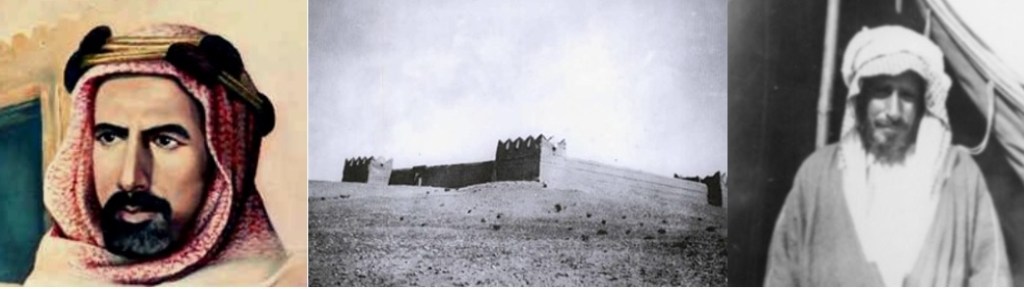
Salim Al-Mubarak Al-Sabah Kuwit Red Fort Faisal al-Duwaish
20世紀初頭の経済不振
Economic slump in early 20th century
節索引(Section Index)
地域経済的重要性の低下
Declining regional economic importance
20世紀初頭、クウェイトは地域経済的重要性が大幅に低下し、主に多くの貿易封鎖と世界経済の不況のためにクウェイトは長距離貿易でその卓越性を失いました。その上、第一次世界大戦中、クウェイトの支配者がオスマン帝国を支持したため、大英帝国はクウェイトに対して貿易封鎖を課した為、クウェイトの経済に大きな損害を被りました。
In the early 20th century, Kuwait’s regional economic importance declined significantly, with Kuwait losing its prominence in long-distance trade, largely due to numerous trade blockades and a global economic downturn. What’s more, during World War I, the British Empire imposed a trade blockade against Kuwait as Kuwait’s rulers supported the Ottoman Empire, which took a toll on Kuwait’s economy.
大恐慌
Great Depression
大恐慌(Great Depression) (1929~1939)は、1920年代後半からインドとアフリカからの商品に対するヨーロッパの需要の減少し、仲介商で成り立っていたクウェイトの経済に大きな打撃を与えました。国際貿易の減少により、クウェイト船によるインドへの金の密輸が増加し、それによって金持ちになった商人も一部にはいました。
The Great Depression (1929-1939), beginning in the late 1920s, decimated European demand for goods from India and Africa, devastating Kuwait’s economy, which was based on intermediaries. Declining international trade led to an increase in gold smuggling into India by Kuwaiti ships, making some merchants wealthy.
クウェイトの真珠産業の崩壊
Collapse of Kuwait’s pearl industry
クウェイトの真珠産業は、最盛期には、世界の高級品市場をリードし、ヨーロッパのエリートの贅沢真珠のニーズを満たすために750〜800隻の船を定期的に送り出していた程の規模でしたが、経済恐慌の間、真珠のような贅沢品はほとんど需要が無く、その上に日本の養殖真珠の発明が重なり、クウェイトの真珠産業は、崩壊してしまいました。
At its peak, Kuwait’s pearl industry was such a size that it led the global luxury market and regularly sent out 750 to 800 ships to meet the luxury pearl needs of the European elite. During the economic depression, luxury goods such as pearls were declined in their demand. The invention of Japan cultured pearls combined additionally with that, and the Kuwaiti pearl industry was completely collapsed.
イブン・サウードによる厳しい貿易封鎖
Severe Trade Blockade by Ibn Saud
1919年から1920年のクウェイト・ナジュド戦争(Kuwait–Najd War) (الحرب النجدية الكويتية)に続いて、イブン・サウードは1923年から1937年までクウェイトに対して厳しい貿易封鎖を課しました。クウェイトに対するサウジアラビアの経済的および軍事的攻撃の目的は、クウェイトの領土をできるだけ多く併合することでした。1922年のウカイル会議(Uqair conference) (معاهدة العقير)で、クウェイトとナジュドの境界が設定されましたが、クウェイトは、ウカイル会議(Uqair conference)に参加できず、その結果に従うしかありませんでした。ウカイル会議の後もクウェイトは依然としてサウジアラビアの経済封鎖と断続的なサウジアラビアの襲撃にさらされていました。
Following the Kuwait–Najd War of 1919–1920 (الحرب النجدية الكويتية), Ibn Saud imposed a severe trade blockade against Kuwait from 1923 to 1937. The purpose of the Saudi economic and military offensive on Kuwait was to annex as much of Kuwait’s territory as possible. At the Uqair Conference (معاهدة العقير) of 1922, the boundary between Kuwait and Najd was decided among the participants, but Kuwait could not participate in the Uqair conference and had no choice but to follow its outcome. Even after the Uqair conference, Kuwait was still exposed to Saudi economic blockades and intermittent Saudi attacks.
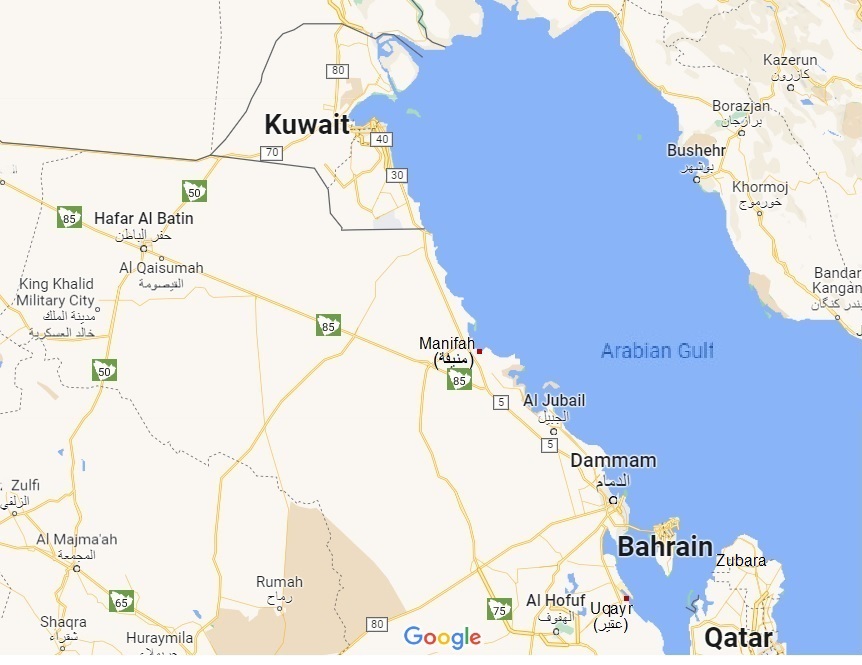
Manifah (منيفة) - Uqayr(عقير)
石油発見前の状況
Situation before Oil Discovery
真珠の貿易が減少し続けている海路と、サウジアラビアによる陸路の封鎖で貧困は、より深刻になり、一部の商人家族は、経済的困窮のために1930年代初頭にクウェイトを去りました。1937年に石油が発見されたとき、クウェイトの住民のほとんどが貧困状態にありました。
商人達は、石油発見前のクウェイトでは、最も経済力を持っており、サバーハ家(House of Sabah) (آل صباح)の支配の歳入は、商人達の財政力に依存してきました。この為、1930年代に入るまで統治のための施策は、制限されたままでした。石油発見と石油時代の始まりは、サバーハ家(House of Sabah)を商人の富への経済的依存から解放しました。
Poverty became more acute with the continued decline in pearl trade by sea and the Saudi blockade of land routes, and some merchant families left Kuwait in the early 1930s due to economic hardship. When oil was discovered in 1937, most of Kuwait’s inhabitants were in poverty.
The merchants were the most economically powerful in Kuwait before the discovery of oil, and the revenues of the House of Sabah (آل صباح) depended on the financial power of the merchants. For this reason, measures for governance remained limited until the 1930s. Oil discoveries and the beginning of the oil age freed the House of Sabah from the economic dependence of merchants on wealth.
イラクとの国境問題
Border dispute with Iraq
節索引(Section Index)
ウカイア議定書
Uqair Protocol
部族の襲撃に応えて、バグダッドの英国高等弁務官、パーシー・コックスは、イラク、クウェイト、ナジュド(Najd) (نجد)の間の境界を定義した1922年のウカイア議定書を課しました。この議定書により、1923年にイラクのアラビア湾への出入りは、主に湿地と沼沢地の海岸線の58kmに制限されました。これはイラクが海軍大国になることを困難にする為、イラク国王ファイサルI世(Faisal I) (r.1921~1933) (فيصل الأول) (英国がイラクの傀儡王(a puppet king)として設置した。)は、計画に同意しませんでした。しかし、彼の国は、英国の委任統治下にあったので、彼はその問題についてほとんど発言権がありませんでした。イラクとクウェイトは、8月に正式に国境を批准し、その後1932年にこの国境は、双方で再確認されました。
In response to tribal raids, the British High Commissioner in Baghdad, Sir Percy Cox, imposed the 1922 Uqair Protocol, which defined the boundaries between Iraq (عراق), Kuwait (كويت) and Najd (نجد). This protocol limited Iraq’s entry and exit to the Arabian Gulf in 1923 to 58 km, mainly of swampy and swampy coastline. This made it difficult for Iraq to become a naval power, so King Faisal I (r.1921~1933) (فيصل الأول) ,who was Installed by the British as a puppet king of Iraq, did not agree with the plan. But since his country was under the British Mandate, he had little said in the matter. Iraq and Kuwait formally ratified their borders in August, and this border was subsequently reaffirmed by both sides in 1932.
イラクの屈辱の象徴
A symbol of Iraqi humiliation
ファイサルI世(Faisal I)のクウェイトへのイラク鉄道と湾岸の港湾施設を建設しようとする試みは、英国によって拒否されました。これらおよび他の同様の英国の植民地政策により、クウェイトは、イラクのアラブ民族運動の焦点となり、英国の手によるイラクの屈辱の象徴となりました。
Faisal I’s attempt to build an Iraqi railway to Kuwait and a port facility on the Gulf was rejected by the British. With these and other similar British colonial policies, Kuwait became the focal point of the Arab national movement in Iraq and a symbol of Iraqi humiliation at the hands of Britain.
クウェイトの北の国境の基礎
Basis for Kuwait’s northern border
1913年、クウェイトは、イラクとは別の国として認められ、アングロ・オスマン条約の草案でオスマン帝国の宗主権の下で自治権を与えられましたが、これは、第一次世界大戦の勃発前に署名されませんでした。国境は、1923年に英国のイラク高等弁務官によって送られた覚書によって再検討され、クウェイトの北の国境の基礎となりました。
In 1913, Kuwait was recognized as a separate country from Iraq and granted autonomy under Ottoman suzerainty in the draft Anglo-Ottoman Treaty. It was not signed before the outbreak of World War I. The border was revisited by a memorandum sent by the British High Commissioner to Iraq in 1923 and became the basis for Kuwait’s northern border.
イラク・クウェイト再統一運動(1930~1939)
Iraq and Kuwait reunification movement (1930~1939)
1930年代を通じて、クウェイトの人々は、英国が課したクウェイトのイラクからの分離に反対しました。1930年代に、クウェイトでイラクとの国の再統一を求める大衆運動が出現しました。この運動は、この地域での英国の影響力に反対したクウェイトの若者によって設立された1938年に自由クウェイト運動に合体しました。運動は、クウェイトとイラクの再統一を支援することを要求する請願書をイラク政府に提出しました。運動が武装反乱に変わることを恐れて、サバーハ家(House of Sabah)は、自由クウェイト運動(Free Kuwaiti Movement)とその政治的要求を代表する立法評議会(a legislative council)の設立に同意しました。1938年の評議会の最初の会議は、クウェイトとイラクの再統一を要求する全会一致の決議をもたらしました。
Throughout the 1930s, the people of Kuwait opposed the British-imposed separation of Kuwait from Iraq. In the 1930s, a mass movement emerged in Kuwait calling for the reunification of the country with Iraq. The movement coalesced into the Free Kuwait Movement in 1938, founded by Kuwaiti youth who opposed British influence in the region. The movement submitted a petition to the Iraqi government demanding support for the reunification of Kuwait and Iraq. Fearing that the movement would turn into an armed rebellion, the House of Sabah agreed to the establishment of a legislative council to represent the Free Kuwaiti movement and its political demands. The first meeting of the council in 1938 resulted in a unanimous resolution calling for the reunification of Kuwait and Iraq.
再統一運動支持者による武装反乱
Armed rebellion by reunification movement supporters
1939年3月、クウェイトで運動の支持者によって武装反乱が勃発し、クウェイトとイラクを強制的に再統一しようとしました。英国人の支援を受けて、サバーハ家(House of Sabah)は、反乱を速やかに鎮圧し、運動の多くの支持者を投獄しました。イラク王のガージー(Ghazi ibn Faisal) (r.1933~1939) (غازي ابن فيصل)は、囚人を釈放し、サバーハ家(House of Sabah)が自由クウェイト運動のメンバーに対する抑圧的な政策を終了することを公に要求しました。
In March 1939, an armed rebellion broke out in Kuwait by supporters of the movement, attempting to forcibly reunify Kuwait and Iraq. With the support of the British, the House of Sabah swiftly put down the rebellion and imprisoned many supporters of the movement. Iraqi King Ghazi ibn Faisal (r.1933~1939) (غازي ابن فيصل) publicly demanded that the prisoners be released and that the House of Sabah end its repressive policies against members of the Free Kuwait movement.
独立と初期の国家建設
Independence and early state-building
節索引(Section Index)
クウェイト黄金時代
Golden age of Kuwait
1946年から1982年の間に、クウェイトは、石油とそのリベラルな雰囲気によって推進され、「黄金時代」と呼ばれる繁栄を経験しました。1950年、主要な公共事業プログラムにより、クウェイト人は、近代的な生活水準を享受することができました。1952年までに、クウェイトは、アラビア湾で最大の石油輸出国になりました。この大規模な成長は、特にパレスチナ、エジプト、インドから多くの外国人労働者を引き付けました。
Between 1946 and 1982, Kuwait experienced prosperity known as the “Golden Age,” driven by oil and its liberal atmosphere. In 1950, a major public works program allowed Kuwaitis to enjoy a modern standard of living. By 1952, the country had become the largest oil exporter in the Arabian Gulf. This massive growth attracted many foreign workers, especially from Palestine, Egypt, and India.
クウェイトの独立
Kuwait independence
1961年6月、クウェイトは、英国の保護領の終了とともに独立し、シェイク・アブドゥッラー・サリム・=アルサバーハ(Sheikh Abdullah Al-Salim Al-Sabah) (r.1950~1961) (الشيخ عبد الله الثالث السالم الصباح)は、首長(Amir) (أمير)になりました。新しく起草された憲法の条件の下で、クウェイトは1963年に最初の議会選挙を開催しました。クウェイトは、アラビア湾で憲法と議会を設立した最初のアラブ諸国でした。
In June 1961, Kuwait became independent with the end of the British protectorate, and Sheikh Abdullah Al-Salim Al-Sabah (r.1950~1961) (الشيخ عبد الله الثالث السالم الصباح) became Amir) (أمير). Under the terms of the newly drafted constitution, Kuwait held its first parliamentary elections in 1963. Kuwait was the first Arab country to establish a constitution and parliament in the Arabian Gulf.
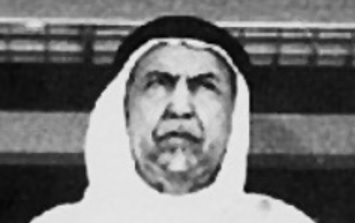
Sheikh Abdullah Al-Salim Al-Sabah (r.1950~1961)
ヴァンテージ作戦危機
Operation Vantage crisis
クウェイトは、1961年に正式に独立を獲得しましたが、イラクは、当初、クウェイトがイラクの一部であると主張して国の独立を認めることを拒否しました。しかし、イラクは、後に英国とアラブ連盟がクウェイトの独立を支持した力を示した後、この主張を一時的に後退しました。イラク政府がクウェイトに侵攻すると脅迫したので、1961年7月から短期間ではありましたが、ヴァンテージ作戦(Operation Vantage) (عملية فانتاج)危機に発展しました。イラクのクウェイト侵攻の可能性に対抗する国際的なアラブ軍を結成するというアラブ連盟の計画に続いて、侵略が最終的に回避されたため、ヴァンテージ作戦(Operation Vantage)の結果、アラブ連盟は、クウェイトの国境警備を引き継ぎ、英国軍は10月19日までに軍隊を撤退させました。イラクのアブド・アル・カリム・カシーム(Abd al-Karim Qasim) (r.1958~1963) (عبد الكريم قاسم)首相は、1963年にクーデターで殺害されました、イラクは、クウェイトの独立を認め、軍事的脅威は減少したと認識されましたが、英国は、状況を監視し続け、1971年までクウェイトを保護するために軍隊を利用できるように保持していました。当時、クウェイトに対するイラクの軍事行動はありませんでした。これは、不安定なままであったイラク内の政治的および軍事的状況に起因していました。
Kuwait formally gained independence in 1961, but Iraq initially refused to recognize the country’s independence, claiming that Kuwait was part of Iraq. However, Iraq later temporarily backed down from this claim after Britain and the Arab League showed their strength in favor of Kuwaiti independence. As the Iraqi government threatened to invade Kuwait, Operation Vantage (عملية فانتاج) crisis developed in a short-period, albeit from July 1961. Following the Arab League’s plan to form an international Arab army to counter a possible Iraqi invasion of Kuwait, the invasion was finally averted, so as a result of Operation Vantage, the Arab League took over border security in Kuwait, and British forces withdrew their troops by 19 October. Iraqi Prime Minister Abd al-Karim Qasim (r.1958~1963) (عبد الكريم قاسم) was killed in a coup d’état in 1963. Although recognizing Kuwait’s independence and recognizing that the military threat had diminished, Britain continued to monitor the situation and kept troops available to protect Kuwait until 1971. There was no Iraqi military action against Kuwait at that time. This was due to the political and military situation within Iraq, which remained unstable.
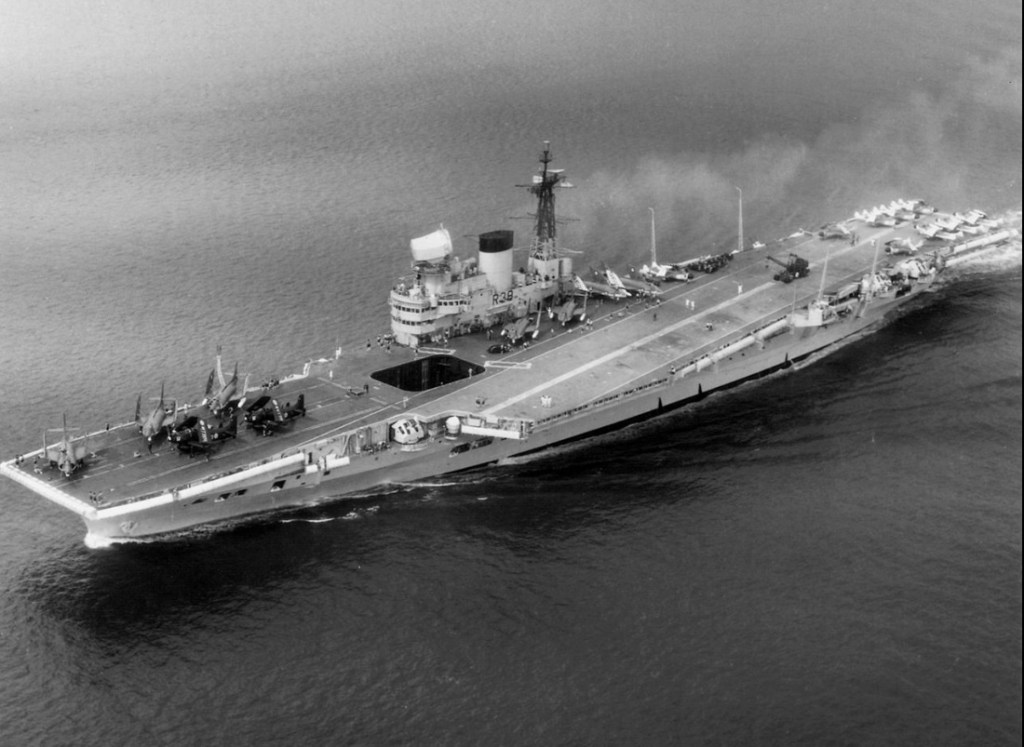
HMS ビクトリアス 1961年7月にヴァンテージ作戦に参加
HMS Victorious taking part in Operation Vantage in July 1961
サーミタ国境危機(1973)
Samita border skirmish (1973)
イラクとクウェイトの間の友好条約は、1963年に署名され、それによってイラクは、1932年のクウェイトの国境を認めました。しかし、クウェイト・イラク国境では、 1973年3月20日にイラク軍部隊がサーミタ(Samita)を占領し、「1973年のサーミタ国境危機(1973 Samita border skirmish) (ادثة الصامتة)」とも呼ばれる国際危機を引き起こしました。(サーミタ(Samita)とはイラクとのクウェート国境にある北部国境監視所を指しています。)
The Treaty of Friendship between Iraq and Kuwait was signed in 1963, whereby Iraq recognized the border of Kuwait in 1972. However, on the Kuwaiti-Iraqi border, Iraqi troops occupied Samita on March 20, 1973, causing an international crisis also known as the “1973 Samita border skirmish (ادثة الصامتة)”. (Samita refers to the northern border observation post on the Kuwaiti border with Iraq.)
パレスチナ過激派日本大使館占領
Japanese Embassy occupied by Palestinian Militants
1974年2月6日、パレスチナの過激派がクウェイトの日本大使館を占領し、大使と他の10人を人質に取りました。過激派の動機は、ラジュ事件(Laju incident) (Jan. 31, 1974)として知られているシンガポールのフェリー(a Singaporean ferry)で人質をとっていた日本赤軍(Japanese Red Army)のメンバーとパレスチナの過激派(Popular Front for the Liberation of Palestine)を支援することでした。最終的に、人質は、解放され、ゲリラは、アデン(Aden) (عدن)への飛行を許可されました。シェイク・サバーハ・アル=サリム・アル=サバーハ(Sheikh Sabah Al-Salim Al-Sabah) (r.1965~1977) (الشيخ صباح السالم الصباح)が率いる、サバーハ家(House of Sabah) (آل صباح)の支配家族がパレスチナの抵抗運動に資金を提供していた為、パレスチナのゲリラがクウェイトを攻撃したのは、これが初めてでした。クウェイトは、過去にパレスチナの飛行機ハイジャックの定期的な終点であり、安全であると考えていました。
On February 6, 1974, Palestinian militants occupied the Japan Embassy in Kuwait and took the ambassador and 10 others hostage. The extremists’ motives were to support members of the Japanese Red Army and the Popular Front for the Liberation of Palestine, who were taking hostages in a Singaporean ferry, known as Laju incident (Jan. 31, 1974). Eventually, the hostages were released and the guerrillas were allowed to fly to Aden (عدن). The ruling family of the House of Sabah (آل صباح) led by Sheikh Sabah Al-Salim Al-Sabah (r.1965~1977) (الشيخ صباح السالم الصباح) had funded them, so this was the first time Palestinian guerrillas attacked Kuwait. Kuwait was a regular terminus for Palestinian plane hijackings in the past and considered safe.
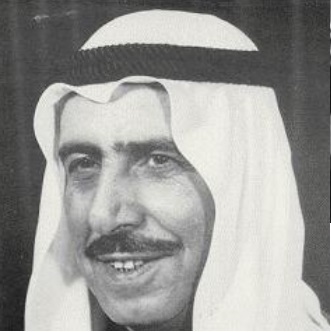
Sheikh Sabah Al-Salim Al-Sabah (r.1965~1977)
1960年代と1970年代に地域最先進国
Most developed reginal state in 1960s and 1970s
クウェイトは、石油輸出から収入を多様化した最初の中東の国であり、世界初のソブリンウェルスファンド(Sovereign wealth fund)としてクウェイト投資庁(Kuwait Investment Authority) (الهيئة العامة للإستثمار)を設立しました。1970年代以降、クウェイトは、人間開発指数(Human Development Index)ですべてのアラブ諸国の中で最も高いスコアを獲得し、そして1966年に設立されたクウェイト大学(Kuwait University) (جامعة الكويت)は、近隣諸国からの学生を引き付けました。クウェイトの演劇産業は、アラブ世界で有名でした。この様に、1960年代と1970年代には、クウェイトは、この地域で最も先進国でした。
Kuwait was the first Middle Eastern country to diversify its income from oil exports and established the Kuwait Investment Authority (الهيئة العامة للإستثمار) as the world’s first Sovereign Wealth Fund. Since the 1970s, Kuwait has received the highest score of all Arab countries in the Human Development Index, and Kuwait University (جامعة الكويت), founded in 1966, attracted students from neighboring countries. Kuwait’s theatrical industry was famous in the Arab world. Thus, in the 1960s and 1970s, Kuwait was the most developed country in the region.
世界で最も自由な報道規制享受
Enjoy the world’s freest press regulation
当時、クウェイトの報道機関は、世界で最も自由な報道機関の1つと言われていました。クウェイトは、アラブ地域における文学ルネッサンス(literary renaissanc)のパイオニアでもありました。1958年、 アル=アラビ雑誌(Al Arabi magazine) (مجلة العربي)が最初に発行され、雑誌はアラブ世界で最も人気のある雑誌になりました。さらに、クウェイトは、この地域の作家やジャーナリストの天国となり、イラクの詩人アフメド・マタール(Ahmed Matar) (b.1954) (أحمد مطر) のように多くが、意見や信念を恐れずに発信できる強力な表現の自由を保障いている法律のためにクウェイトに移りました。この法律は、この地域の他のどの国の法律よりも自由でした。
At that time, the Kuwaiti press was said to be one of the freest presses in the world. Kuwait was also a pioneer of Literary Renaissanc in the Arab region. In 1958, Al Arabi magazine (مجلة العربي) was first published, making the magazine the most popular magazine in the Arab world. In addition, Kuwait became a haven for writers and journalists in the region. Many, such as the Iraqi poet Ahmed Matar (b.1954) (أحمد مطر), moved to Kuwait because of the strong freedom of expression laws that allowed them to express their opinions and beliefs without fear. This law was more liberal than the laws of any other country in the region.
リベラルな西洋的態度(1960s~1970s)
Liberal western attitudes (1960s~1970s)
クウェイト社会は、1960年代から1970年代にかけてリベラルで西洋の態度を受け入れた。 ほとんどのクウェイト人女性は、1960年代と1970年代にヒジャーブ(hijab) (حجاب)を着用しませんでした。 クウェイト大学では、ヒジャーブよりもミニスカートが一般的でした。石油とクウェイトの社会構造は、密接に関連していました。この地域の権威によると、そのような構造は、「悪質な反動的な性格」を持つ「新しい奴隷制」の一形態に似ていました。海外投資のための石油から生み出された資本の90%は、18家族の手に集中していました。マニュアルと管理職のかなりの部分は、主に外国人、主に市民権を拒否されたパレスチナ人でした。消費エネルギーを抑えた先進的な空調と地元のスタイルや装飾を織り込む試みを進めながら、新しい自由主義経済を反映した新しい建築プロジェクトの開発に大規模な投資が行われました。
Kuwaiti society embraced liberal and Western attitudes in the 1960s and 1970s. Most Kuwaiti women did not wear hijab (حجاب) in the 1960s and 1970s。 At Kuwait College, miniskirts were more common than hijabs. The social structure of oil and Kuwait was closely related. According to the authorities of the region, such a structure resembled a form of “new slavery” with a “vicious reactionary character.” 90% of the capital generated from oil for foreign investment was concentrated in the hands of 18 families. A significant portion of the manuals and administrative positions were mainly foreigners, mainly Palestinians denied citizenship. Significant investments were made in the development of new architectural projects reflecting the new liberal economy, while advancing passive cooling and attempts to weave local styles and decorations.
社会不穏と経済危機(1980年代)
Social unrest and economic crisis (1980s)
節索引(Section Index)
4つの憲法条項停止
Suspending 4 constitutional clauses
1976年8月、首長の政策に対する議会の反対の高まりに応えて、首長は政治的および市民的権利(報道の自由と立法府の解散)と議会自体に関する憲法の4つの条項を停止しました。しかしながら、1980年に、一時停止された憲法の条項は国会とともに復活しました。1982年、政府は、16の憲法改正案を提出し、とりわけ、首長が戒厳令を長期間宣言することを可能にし、立法府の規模と任期の長さの両方を延ばす内容になりました。1983年5月、提案は数ヶ月の議論の後、正式に取り下げられましたが、憲法改正の問題は、国会と宮殿の両方で議論の懸案としてとして続きました。
In August 1976, in response to growing parliamentary opposition to the chief’s policies, the emir suspended four articles of the constitution concerning political and civil rights (freedom of the press and the dissolution of the legislature) and the parliament itself. However, in 1980, the suspended provisions of the Constitution were reinstated along with the National Assembly. In 1982, the government introduced 16 constitutional amendments, which, among other things, allowed the chief to declare martial law for a long time, extending both the size of the legislature and the length of its term. In May 1983, the proposal was formally withdrawn after months of debate, but the issue of constitutional amendment continued as a pending issue in both the National Assembly and the Palace.
スーク・アル=マナク株式市場の暴落と石油価格の下落
Souk Al-Manakh Stock Market Crash and Falling Oil Prices
1980年代初頭、クウェイトはスーク・アル=マナク(Souk Al-Manakh) (سوق المناخ)株式市場の暴落と石油価格の下落の後、大きな経済危機を経験しました。
In the early 1980s, Kuwait experienced a major economic crisis after the Souk Al-Manakh (سوق المناخ) stock market crash and the fall in oil prices.
1980年代初頭の大きな経済危機
Great Economic Crisis in the early 1980s
1970 年代の巨額の石油収入により、クウェイトで多くの個人が自由に使える多額の資金を残しました。 これらの資金は、1970 年代半ばに公的株式市場で投機ブームを引き起こし、1977 年に小規模な暴落で最高潮に達しました。この暴落に対する政府の対応は、影響を受けた投資家を救済し、より厳格な規制を導入することでした。この反応として最もリスクを回避しない投機家を違法な代替市場に駆り立て、公的株式市場と並行してスーク・アル=マナク(Souk Al-Manakh) (سوق المناخ)が出現しました。先日付小切手を使用した株式取引は、規制のない巨大な信用拡大を生み出しました。ところが1982年8月に不渡りの先日付の小切手が出現したことがきっかけで、信用不安が一気に広まり、スーク・アル=マナク(Souk Al-Manakh) (سوق المناخ)の大暴落となりました。約6,000人の投資家からの無価値な未払い小切手の価値は940億米ドル相当に達し、暴落による負債により、クウェートの銀行は1行(National Bank of Kuwait) (بنك الكويت الوطني)を除いて実質的に債務超過となり、中央銀行の支援によってのみ維持される状態に追い込まれました。このことが当時進行中のイラン・イラク戦争(Iran–Iraq Wa) (1980~1988) (حرب الخليج الأولى)による石油収入の減少と相まって湾岸地域全体を不況に追い込む原因となりました。
Huge oil revenues in the 1970s left many individuals with large sums of money at their disposal in Kuwait. These funds sparked a speculative boom in the public stock market in the mid-1970s and culminated in a minor crash in 1977. The government’s response to the crash was to bail out affected investors and introduce stricter regulations. The reaction was to drive the least risk-averse speculators into illegal alternative markets, and the Souk al Manakh (سوق المناخ) emerged alongside the public stock market. Stock trading using postdated checks has created a huge unregulated credit expansion. However, the appearance of dishonored postdated checks in August 1982 led to a sudden spread of credit uncertainty and led to the spread of the Souk al Manakh (سوق المناخ).It was a big crash. The value of worthless unpaid checks from about 6,000 investors reached the equivalent of US$94 billion, and the debt from the crash forced Kuwaiti banks to become virtually insolvent with all but one bank (National Bank of Kuwait) (بنك الكويت الوطني), maintained only with the support of the Central Bank. This, combined with the decline in oil revenues caused by the ongoing Iran–Iraq War (1980~1988) (حرب الخليج الأولى), caused the entire Gulf region to go into recession.
イラン・イラク戦争(1980~1988)
Iran–Iraq War (1980~1988)
イラン・イラク戦争(Iran–Iraq War) (1980~1988) (حرب الخليج الأولى)中、クウェイトは、イラクを支援しました。1980年代を通じて、1983年のクウェイト爆撃(1983 Kuwait bombings)、数機のクウェイト航空の飛行機のハイジャック(Hijacking of several Kuwait Airways planes)、1985年の首長ジャーベル(Sheikh Jaber al-Ahmad Al-Sabah) (r.1977~2006) (الشيخ جابر الأحمد الجابر الصباح)の暗殺未遂(Attempted Assassination of Emir Jaber in 1985)など、クウェイトでいくつかのテロ攻撃がありました。クウェイトは、1960年代と1970年代から1980年代初頭までの科学技術の地域ハブ(a regional hub)でした、科学研究部門はテロ攻撃のために著しく影響を受けて後退しました。
During the Iran–Iraq War (1980~1988) (حرب الخليج الأولى), Kuwait supported Iraq. Throughout the 1980s, there had been several terrorist attacks in Kuwait, such as the 1983 Kuwait bombings, Hijacking of several Kuwait Airways planes, and attempting assassin of Sheikh Jaber al-Ahmad Al-Sabah (r.1977~2006) (الشيخ جابر الأحمد الجابر الصباح) in 1985, etc.
Kuwait was a regional hub of science and technology in the 1960s and 1970s and early 1980s, but the scientific research sectors were significantly affected and regressed due to those terrorist attacks.
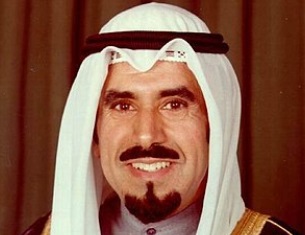
Sheikh Jaber al-Ahmad Al-Sabah (r.1977~2006)
憲法運動
Constitutional Movement
1986年、憲法は、国会とともに再び停止されました。前回の停止と同様に、この動きに対する大衆の反対が浮上した。確かに、1989~1990年の民主化運動は、憲法生活への復帰の要求からその名として憲法運動とされました。
In 1986, the constitution was suspended again, along with the National Assembly. As with the previous suspension, popular opposition to this move emerged. Certainly, the democratization movement of 1989~1990 was named the Constitutional Movement because of the demand for a return to constitutional life.
 Desert peninsula