37 Qatar since Modern Time Part 2


イギリスの保護領
British protectorate
(1916~1971)
節索引(Section Index)
不安定なイギリスの保護領
Precarious British protectorate
オスマン帝国(Ottoman Empire)は、1913年にカタールの主権を正式に放棄し、1916年に新しい統治者アブドゥッラー・ビン・ジャーシム・ムハンマド・アール・サーニー(Abdullah bin Jassim bin Mohammed Al Thani) (r.1913~1949) (عبد الله بن جاسم آل ثاني) がイギリスと条約を結び、休戦国(1820~1971)(إمارات الساحل المتصالح)の下に置かれました。これは、カタールが、外部の脅威からの英国の軍事的保護と引き換えに、領土を割譲する権限やその他の問題などの外交における自治権を放棄したことを意味しました。条約には、奴隷制(slavery) (عبودية)、海賊行為(piracy) (قرصنة)、および武器密売(arms trafficking) (اتجارغيرمشروعبالأسلحة)を抑制する規定もありましたが、英国はこれらの規定の施行に厳格ではありませんでした。
Ottoman Empire formally renounced its sovereignty over Qatar in 1913 and in 1916 a new ruler, Abdullah bin Jassim bin Mohammed Al Thani (r.1913~1949) (عبد الله بن جاسم آل ثاني) signed a treaty with the United Kingdom and placed Qatar under the Trucial States (1820~1971) (إمارات الساحل المتصالح). This meant that Qatar had relinquished its autonomy in foreign affairs, such as the authority to cede territory and other issues, in exchange for British military protection from external threats. The treaty also had provisions to restrain slavery (عبودية), piracy (قرصنة), and arms trafficking (اتجارغيرمشروعبالأسلحة), but the UK was not strict in enforcing these provisions.

1908年のアル=ワクラ砦(Al Wakrah Fort in 1908)
今日のアル=ワクラ砦(Al Wakrah Fort, Today)
カタールがイギリスの保護下に置かれたにもかかわらず、アブドゥッラー・ビン・ジャーシム(Abdullah bin Jassim)の立場は不安定でした。反抗的な部族は貢物納入を拒否していました。不満を抱いた家族は彼に陰謀を企てていました。そして彼は、バハレイン(Bahrain)とワッハーブ派(Wahhabi) (الوهابية)の意図に対して自分が脆弱であると感じました。アール・サーニー家(House of Al Thani)は、商人の君主(prince)であり、貿易、特に真珠交易に依存しており、自分達の為の戦いは、主にバニー・ハージル族(Bani Hajer)の様な他の部族に頼っていました。しかし、バニー・ハージル族(Bani Hajer)は、ナジュド(Najd)とアハサー(Al-Hasa)のアミール(Amir)であるイブン・サウード(Ibn Saud)に忠誠を誓っていました。アブドゥッラー・ビン・ジャーシム(Abdullah bin Jassim)が強力な軍事支援、武器、融資を何度も要請したにもかかわらず、英国は、内陸問題に関与することに消極的でした。これは、この地域での石油利権をめぐる競争が激化した1930年代に変化しました。
Despite the fact that Qatar came under British protection, Abdullah bin Jassim’s position was precarious. The rebellious tribes were refusing to pay tribute. The disgruntled members of House of Al-Thani conspired against him. And he felt vulnerable to the intentions of Bahrain and Wahhabi (الوهابية). The House of Al Thani was a merchant prince who depended on trade, especially the pearl trade, and relied mainly on other tribes such as Bani Hajer to fight for themselves. However, Bani Hajer had sworn allegiance to Ibn Saud, Amir of Najd and al-Hasa. Despite Abdullah bin Jassim’s repeated requests for strong military support, arms and loans, Britain was reluctant to get involved in inland affairs. This changed in the 1930s, when competition for oil concessions in the region intensified.
石油利権と試掘井
Oil concession and wild cats
石油をめぐる争いは、地域の領土紛争の利害関係を高め、領土国境を確立する必要性を意味しました。最初の動きは、1922年にウカイル(Uqair) (عقير)での境界会議で、探鉱者のフランク・ホームズ少佐(Major Frank Holmes) (1874~1947)がイブン・サウード(Ibn Saud)と話し合っていた石油利権にカタールを含めようとしたときに起こりました。英国代表のパーシー・コックス卿(Sir Percy Cox)は、策略を見抜き、カタール半島と本土を隔てる線を地図上に引きました。
The dispute over oil meant the need to increase the stakes of territorial disputes in the region and establish territorial borders. The first move occurred in 1922 at a boundary conference in Uqair (عقير) when prospector Major Frank Holmes (1874~1947) tried to include Qatar in the oil concessions he was discussing with Ibn Saud. Sir Percy Cox, representing Great Britain, saw through the ruse and drew a line on the map separating the Qatar Peninsula from the mainland.
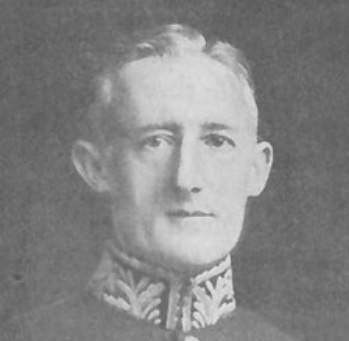
英国中東行政官パーシー・コックス卿
(Sir Percy Cox, Middle East British administrator)
最初の石油調査は、アングロ・ペルシャ石油会社(Anglo-Persian Oil Company) (شركة النفط الأنجلو-إيرانية)(後の英国石油会社(British Petroleum Company))と契約した地質学者であるジョージ・マーティン・リーズ(George Martin Lees)の指導の下で1926年に行われましたが、石油は見つかりませんでした。
The first oil survey was conducted by George Martin Less, a geologist contracted with the Anglo-Persian Oil Company (شركة النفط الأنجلو-إيرانية) (later British Petroleum Company). It took place in 1926 under the leadership of Lees, but no oil was found.
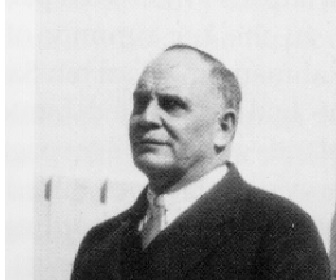
フランク・ホームズ少佐(Major Frank Holmes)
石油問題は、バハレイン(Bahrain)での石油が掘り当てられた後、1933年に再び注目されました。リーズ(Lees)は、そのような事実に基づいて、カタールは、再び調査されるべきであるとすでに指摘していました。1935年5月17日の長い交渉の後、アブドゥッラー・ビン・ジャーシム(Abdullah bin Jassim)は、調印時に40万ルピー、年間15万ルピーのロイヤルティ(royalties)支払いと引き換えに、アングロ・ペルシャ石油会社(Anglo-Persian Oil Company)の代表者(Anglo-Persian representatives)と75年間の利権協定(concession agreement)に署名しました。協定の一環として、英国は以前の条約よりも具体的な支援の約束をしました。石油会社は、1928年7月31日にレッドライン協定(Red Line Agreement)に基づく義務を果たすために、IPC(イラク石油会社(Iraq Petroleum Company) (شركة نفط العراق))の子会社のカタール石油開発株式会社(Petroleum Development (Qatar) Ltd.)に利権を譲渡しました。
The oil problem came to the attention again in 1933 after oil was hit at Bahrain. Lees had already pointed out that on the basis of such facts, Qatar should be investigated again. After lengthy negotiations on May 17, 1935, Abdullah bin Jassim agreed that in exchange for a royalty payment of 400,000 rupees at the time of signing, and annual150,000 rupees. He signed a 75-year concession agreement with Anglo-Persian representatives on this condition. As part of the agreement, Britain made more specific promises of assistance than previous treaties. The Anglo-Persian Oil Company transferred this concession to Petroleum Development (Qatar) Ltd., a subsidiary of IPC (Iraq Petroleum Company) (شركة نفط العراق) to fulfill its obligations under the Red Line Agreement on July 31, 1928.
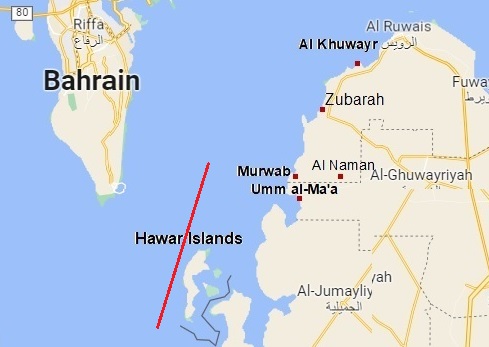
ハワール諸島西のレッド・ライン(Red Line on Western Water of Hawar Islands)

ドゥカーン(Dukhan)
最初の油井の掘削は1938年10月にドゥカーン(Dukhan) (دخان)で始まり、1年以上の後に井戸は、上部ジュラ石灰岩層(Upper Jurassic Limestone) (حجر الكلس الجوراسي المتأخر)の油を掘り当てました。バハレイン(Bahrain)の出油成功とは異なり、これは3年前に発見されたサウジアラビアのダンマーム (Dammam) (دمّام)での出油状況と似ていました。
The drilling of the first oil well began in October 1938 at Dukhan (دخان), and more than a year later the well hit oil from Upper Jurassic Limestone (حجر الكلس الجوراسي المتأخر). Unlike Bahrain’s successful oil production pattern, this was similar to the oil production pattern at Dammam (دمّام), Saudi Arabia, which was discovered three years ago.
第二次困窮時代と後継問題
Second poverty and succession issues
1942年から1947年にかけて、第二次世界大戦(1939~1945)とその余波により石油生産は、中止されていました。戦争による食糧供給の混乱は、1920年代の真珠貿易の崩壊から始まり、1930年代初頭の大恐慌(1929~1939)とバハレイン(Bahrain)の禁輸措置の開始で悪化したカタールの経済的困難の期間によって長引かせられてました。以前の窮乏の時代と同様に、家族や部族全員がアラビア湾の他の地域に移動し、多くのカタールの村を捨てたままに放置されました。
From 1942 to 1947, oil production was discontinued due to World War II (1939~1945) and its aftermath. The disruption of food supply due to the war began with the collapse of the pearl trade in the 1920s and was prolonged by the Great Depression (1929~1939) of the early 1930s and a period of economic hardship in Qatar exacerbated by the start of the Bahrain embargo. As in previous times of poverty, entire families and tribes moved to other parts of the Arabian Gulf, leaving many Qatari villages deserted.
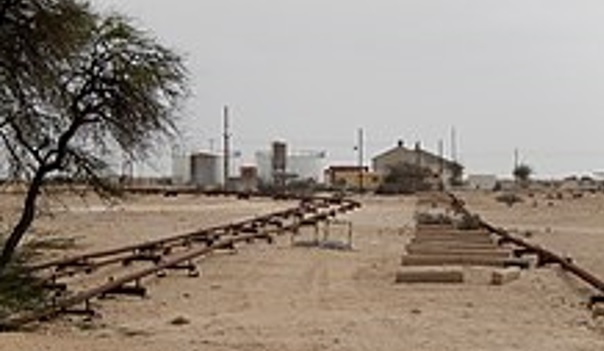
カタール北西部の古い石油生産施設 (Old oil production facilities in North-west Qatar)
アブドゥッラー・ビン・ジャーシム(Abdullah bin Jassim)は、借金をし、彼の引退に備えて、彼の愛する次男、ハマド・ビン・アブドゥッラー・アール・サーニー(Hamad bin Abdullah Al Than) (1896~1948) (حمد بن عبد الله آل ثاني)を後継者に育てました。しかし、1948年のハマド・ビン・アブドゥッラー(Hamad bin Abdullah)の死去により、主な候補者は、アブドゥッラー・ビン・ジャーシム(Abdullah bin Jassim)の長男アリー・ビン・アブドゥッラー・アール・サーニー(Ali bin Abdullah Al Thani) (r.1949~1960)(علي بن عبد الله آل ثاني)とハマド・ビン・アブドゥッラー(Hamad bin Abdullah)の10代の息子カリーファ・ビン・ハマド・アール・サーニー(Khalifa bin Hamad Al Thani) (r.1972~1995)(خليفة بن حمد آل ثاني)でした。
Abdullah bin Jassim borrowed money and, in preparation for his retirement, raised his beloved second son, Hamad bin Abdullah Al Than) (1896~1948) (حمد بن عبد الله آل ثاني) as his successor. However, due to the death of Hamad bin Abdullah in 1948, the main candidate was either Ali bin Abdullah Al Thani (r.1949~1960), the eldest son of Abdullah bin Jassim (علي بن عبد الله آل ثاني) or Hamad bin Abdullah’s teenage son Khalifa bin Hamad Al Thani (r.1972~1995)(خليفة بن حمد آل ثاني).
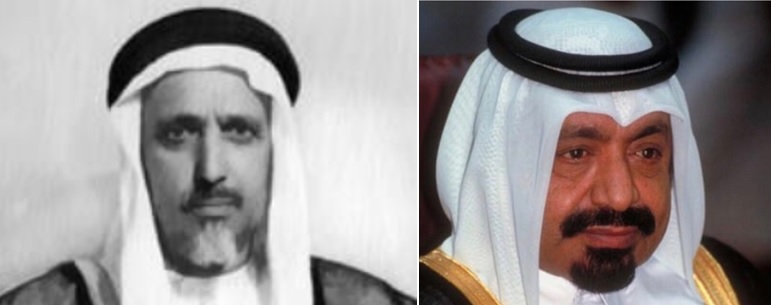
アリー・ビン・アブドゥッラー(Ali bin Abdullah Al Thani)
カリーファ・ビン・ハマド(Khalifa bin Hamad Al Thani)
ハワール諸島帰属問題
Hawar islands attribution issue
バハレイン(Bahrain)は、1936年に両国を含む島々のグループに対する支配を主張しました。最大の島は、バハレイン(Bahrain)人が小さな軍事駐屯地を設営していたカタールの西海岸沖に位置するハワール諸島(Hawar Islands) (جزر حوار)でした。英国は、主にバハレイン(Bahrain)のシャイフ(Shaykh) (الشيخ)の個人的な英国顧問が英国当局に馴染みのある法的な方法で自分達の主張を表現できたため、アブドゥッラー・ビン・ジャーシム(Abdullah bin Jassim)の異議に対するハレイン(Bahrain)の主張を英国は、受け入れました。
1937年、バハレイン(Bahrain)は、アル=ヌアイム(Al Nuaim) (النعيم)族(a bedouin tribe)を巻き込んだ紛争の後、荒廃した町ズバーラ(Zubarah)の領有を再び主張しました。アブドゥッラー・ビン・ジャーシム(Abdullah bin Jassim)は、大規模で重武装した部隊を派遣し、アル=ヌアイム(Al Nuaim)を打倒することに成功しました。バハレイン(Bahrain)のイギリス人政治家はカタールの主張を支持し、バハレイン(Bahrain)の支配者ハマド・イブン・イーサ・アール・カリーファ(Hamad ibn Isa Al Khalifa) (r.1932~1942) (حمد بن عيسى بن علي آل خليفة)に軍事介入をしないよう警告しました。ズバーラ(Zubarah)の喪失に憤慨したハマド・イブン・イーサ(Hamad ibn Isa)は、貿易とカタールへの旅行に破滅的な禁輸措置を施行しました。
Bahrin asserted control over a group of islands, including both countries, in 1936. The largest island was Hawar Islands (جزر حوار), located off the west coast of Qatar, where Bahrain had set up a small military garrison. The UK accepted Bahrain’s claim to Abdullah bin Jassim’s objection, mainly because Amir’s personal British adviser to Bahrain was able to express their claims in a legal manner familiar to the British authorities.
In 1937, Bahrain reclaimed possession of the devastated town of Zubarah after a conflict involving the Al Nuaim (النعيم (a bedouin tribe). Abdullah bin Jassim sent a large and heavily armed force and successfully overthrew Al Nuaim. British politicians in Bahrain supported Qatar’s claims and warned Bahrain ruler Hamad ibn Isa al Khalifa (r.1932~1942) (حمد بن عيسى بن علي آل خليفة) against military intervention. Outraged by the loss of Zubarah, Hamad ibn Isa enforced a ruinous embargo on trade and travel to Qatar.
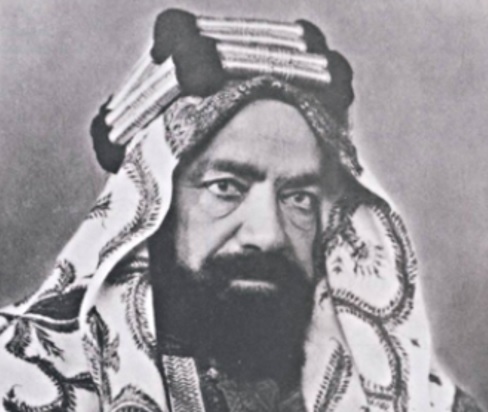
シャイフ・ハマド・イブン・イーサ・アール・カリーファ
(Shaykh Hamad ibn Isa Al Khalifa)
石油収入による国の安定
State stability with oil income
石油の輸出と沖合石油利権の支払いは1949年に始まり、それがカタールの転換期(turning point)となりました。石油利権からの歳入は経済と社会を劇的に変え、国内紛争や外交関係の焦点にもなりました。これは、アブドゥッラー・ビン・ジャーシム(Abdullah bin Jassim)の親戚の何人かが、手当の増加を受け取らなければ、武装反乱を起こすと、脅かしていたこともに明らかになりました。年を取り、心配もしたアブドゥッラー・ビン・ジャーシム(Abdullah bin Jassim)は、イギリス人に目を向けました。1949年にアリー・ビン・アブドゥッラー(Ali bin Abdullah)を統治者として承認して支援する約束と引き換えに、彼は退位し、カタールでの英国の公式駐在に同意しました。
Oil exports and payments offshore oil concessions began in 1949, which became Qatar’s turning point. Revenues from oil concessions dramatically changed the economy and society, and also became the focus of internal conflicts and diplomatic relations. It was also revealed that some of Abdullah bin Jassim’s relatives had threatened to start an armed rebellion if they do not receive an increase in allowances. Growing old and worried, Abdullah bin Jassim turned his eyes to the British. In exchange for a promise to recognize and support Ali bin Abdullah as ruler in 1949, he abdicated and agreed to the official British presence in Qatar.
英国の指導の下で、1950年代には政府の構造と公共サービスの発展を目撃しました。アリー・ビン・アブドゥッラー(Ali bin Abdullah)は、当初、彼の家族を中心としていた権力を、主に部外者が配置され、運営する生まれて間もない官僚機構と共有することに消極的でした。アリー・ビン・アブドゥッラー(Ali bin Abdullah)の財政難が深刻化し、ストライキ中の石油労働者と横暴な首長達を制御出来なくなった為、彼は英国の圧力に屈しました。最初の公式予算は1953年にイギリスの顧問によって作成されました。1954年までに、42名の英国人のカタール政府職員がいました。
Under British leadership, the 1950s witnessed the development of government structures and public services. Ali bin Abdullah, initially reluctant to share the power centered on his family with a fledgling bureaucracy staffed and run primarily by outsiders. As Ali bin Abdullah’s financial difficulties worsened and he lost control both of the striking oil workers and domineering chiefs, he succumbed to British pressure. The first official budget was drawn up by British advisers in 1953. By 1954, there were 42 British Qatari government employees.
抗議と改革
Protests and reforms
1950年代には、イギリス人と支配者家族に対する多くの抗議が発生しました。最大の抗議の1つは1956年に行われました。2,000人の参加者が集まり、そのほとんどはアラブ民族主義者や不満のある石油労働者と同盟を結んだ高位のカタール人でした。1956年8月に行われた別の抗議行動では、参加者はエジプトの旗を振って反植民地主義のスローガンを唱えました。1956年10月、抗議者たちはブルドーザーでパイプラインを破壊することによってアラビア湾のパイプラインによる石油輸送を妨害しようとしました。これらは、1949年にイギリスによって設立されたイギリスが運営する警察の発展への主要な推進力(impetuses)でした。デモにより、アリー・ビン・アブドゥッラー(Ali bin Abdullah)は警察に彼の個人的な権限と支援を与えるようになりました。これは、それまで彼が家臣とベドウィン戦闘員(Bedouin fighters) (مقاتلو نمنالبدو)へ依存して来たことに対して大きく矛盾していました。
The 1950s saw many protests against the British and the ruling family. One of the biggest protests took place in 1956. 2,000 participants gathered, most of them high-ranking Qatari allied with Arab nationalists and disgruntled oil workers. In another protest in August 1956, participants waved Egyptian flags and chanted anti-colonial slogans. In October 1956, protesters tried to disrupt oil transportation by pipelines in the Arabian Gulf by destroying pipelines with bulldozers. These were the main impetuses to the development of British-run police established by the British in 1949. The demonstrations prompted Ali bin Abdullah to give the police his personal authority and support. This was largely contradictory to his reliance on his vassals and Bedouin fighters (مقاتلو نمنالبدو).
公共サービスは、1950年代にゆっくりと整って来ました。最初の電話交換機は1953年にそ、最初の海水淡水化プラントは1954年に、最初の発電所は1957年に使える様になりました。この時期には、埠頭、税関倉庫、滑走路、警察本部も建設されました。1950年代には、他国では貴族に相当するシャイフ達(Shaykhs) (المشايخ)の中の150人成人男性が政府から手当を受けていました。シャイフ達(Shaykhs) (المشايخ)には、また、土地と政府の地位も与えられました。これは、石油収入が増加する限り、シャイフ達(Shaykhs) (المشايخ)をなだめさせました。しかし、1950年代後半に収入が減少したとき、アリー・ビン・アブドゥッラー (Ali bin Abdullah)は、収入の減少によるシャイフ達(Shaykhs) (المشايخ)の不満を宥めきれませんでした。不満は、スイスでの彼の居住、贅沢な支出、パキスタンでの狩猟旅行などに向けられ、さらにアール・サーニー(House of Thani) (آل ثاني)に属していないカタール人で、特に政権の大物から除外された人々や、より多くの特権を望んでいたアール・サーニー(House of Thani)の他の支族の間で煽られました。年功序列とアミール(Amir) (أمير)への血統の近さが手当の大きさを決めていました。
Public services slowly began to emerge in the 1950s. The first telephone exchange was put into service in 1953, the first desalination plant in 1954, and the first power plant in 1957. During this period, a wharf, customs warehouse, runway and police headquarters were also built. In the 1950s, 150 adult men among the Shaykhs (المشايخ), the aristocratic equivalent in other countries, received government allowances. Shaykhs (المشايخ) were also given land and government status. This appeased the Shaykhs (المشايخ) as long as oil revenues increased. However, when income declined in the late 1950s, Ali bin Abdullah could not appease the Shaykhs (المشايخ) dissatisfaction with declining income. Discontent was directed at his residency in Switzerland, extravagant spending, hunting trips in Pakistan, etc., as well as Qatari who did not belong to the House of Thani (آل ثاني), especially those excluded from the regime’s tycoons, it was fueled among other tribes of the House of Thani, who wanted more privileges. Seniority and lineage proximity to the Amir (أمير) determined the size of the allowance.
家族の圧力と健康状態の悪さに屈して、アリー・ビン・アブドゥッラー(Ali bin Abdullah)は1960年に退位しました。1948年に相続人となったカリーファ・ビン・ ハマド(Khalifa bin Hamad)に権力を譲る代わりに、息子のアフマド・ビン・アリー(Ahmad bin Ali) (r.1960~1972) (أحمد بن علي آل ثاني)を統治者にしました。
Succumbing to family pressure and poor health, Ali bin Abdullah abdicated in 1960. In exchange for relinquishing power to his heir Khalifa bin Hamad in 1948, he made his son Ahmad bin Ali (r.1960~1972) (أحمد بن علي آل ثاني) the ruler.
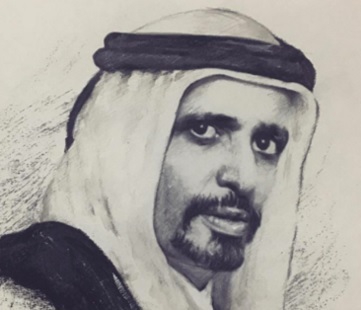
アフマド・ビン・アリー(Ahmad bin Ali)
それにもかかわらず、カリーファ・ビン・ハマド(Khalifa bin Hamad)は、主にアフマド・ビン・アリー(Ahmad bin Ali)が国外で多くの時間を過ごしたため、相続人の見かけの副統治者としてかなりの権力を獲得しました。彼の最初の行動の1つは、開発プロジェクトと社会サービスを犠牲にしてシャイフ達(Shaykhs) (المشايخ)への資金を増やすことでした。手当に加えて、成人男性のアール・サーニー(House of Thani)は、政府の地位を与えられました。このことは、とりわけ石油労働者、下級アル・サーニ、反体制派首長、および一部の主要政府高官らがすでに持っていた体制への憤りの感情をさらに強めました。これらの個人は、シャイフ(Shaykh) (الشيخ)・アフマド・ビン・アリー(Ahmad bin Ali)の甥の一人が抗議者を射殺したことを受けて、1963年4月19日に国民統一戦線(National Unity Front) (April~May, 1963) (أمام الوحدة قطر الوطني)を結成しました。サウジアラビアの君主が1963年4月20日に支配者の宮殿にいた間、建物の前でデモが起こりました。警察がデモ参加者に発砲して3人を殺害したため、国民統一戦線は4月21日にゼネストを組織するよう国民を促しました。ストライキは約2週間続き、ほとんどの公共サービスが影響を受けました。
Nevertheless, Khalifa bin Hamad gained considerable power as the apparent vice-ruler of the heirs, mainly because Ahmad bin Ali spent a lot of time outside the country. One of his first actions was to increase funding for Shaykhs (المشايخ) at the expense of development projects and social services. In addition to allowances, adult male of House of Thani was given government status. This intensified the resentment already held by oil workers, lower-level members of House of Thani, dissident chiefs, and some key government officials. These individuals organized National Unity Front (April~May, 1963) (أمام الوحدة قطر الوطني)on April 19, 1963, in response to the shooting of protesters by one of Amir Ahmad bin Ali ‘s nephews. While the Saudi monarch was in the palace of the ruler on April 20, 1963, a demonstration broke out in front of the building. After police opened fire on demonstrators, killing three people, National Unity Front urged the public to organize a general strike on April 21. The strike lasted about two weeks and most public services were affected.
このグループはその週に声明を発表し、支配家族の権限を減らすために政府に対する35の要求一覧を掲載しました。それには石油労働者の保護、労働組合の承認、市民の投票権と指導権のアラブ化等が含まれていました。アフマド・ビン・アリー(Ahmad bin Ali)は、これらの要求のほとんどを拒否し、5月初旬に裁判なしで最も有力な国民統一戦線のメンバーと共感者50人を逮捕し拘留するために行動しました。政府はまた、この動きに対応していくつかの改革を開始しました。これには、貧しい農民への土地とローンの提供、カタール市民の優先雇用政策の制定、および市議会の選挙が含まれていました。
The group issued a statement in that week, listing 35 demands to the government to reduce the powers of the ruling family. These included the protection of oil workers, the recognition of labor unions, the admission of citizens’ voting right and the Arabization of leadership rights. Ahmad bin Ali refused most of these requests and acted in early May to arrest and detain 50 of its most influential National Unity Front members and sympathizers without trial. The government had also initiated several reforms in response to this move. This included providing land and loans to poor farmers, enacting a preferential employment policy for Qatari citizens, and elections to the city council.
社会基盤、外国人労働力雇用、官僚機構は、主にカリーファ・ビン・ハマド(Khalifa bin Hamad)の指導の下で、1960年代に発展し続けました。カタールの経済基盤を多様化する初期の試みもいくつかあり、特にセメント工場、国営漁業会社、小規模農業の設立がありました。官報(official gazette)は、1961年に最初に発行され、1962年に国籍法が導入されました。この時期には内閣は存在しませんでしたが、イギリスとエジプトの顧問は、農務省や労働社会省などの多くの政府部門の設立を支援しました。
Social infrastructure, foreign labor employment, and bureaucracy are mainly responsible for Khalifa bin Hamad. Under his leadership, they had continued to develop in the 1960s. There were also some early attempts to diversify Qatar’s economic base, notably the establishment of cement plants, state-owned fishing companies, and small-scale agricultures. The official gazette was first issued in 1961, and in 1962 the Nationality Law was introduced. Although no cabinet existed during this period, British and Egyptian advisers helped establish many government departments, such as the Ministry of Agriculture and the Ministry of Labor and Society.
9つの首長国連邦
Federation of nine Emirates
1968年、英国は、次の3年間でスエズ(Suez) (سويس)の東にある軍事的コミットメント(カタールとの有効なものを含む)を撤回する計画を発表しました。アラビア湾の首長国(Arabian Gulf Sheikdoms) (مشيخات الخليج العربي)は、脆弱で規模が小さいため、バハレイン(Bahrain) (بحرين)、カタール(Qatar) (قطر)、休戦海岸(Trucial Coast) (1820~1971) (الساحل المتصالح)の支配者は、イギリスの撤退後に連邦(federation)を結成することを考えました。連邦は1968年2月に最初に提案され、アブダビ(Abu Dhabi) (أبوظبي)とドバイ(Dubai) (دبي)の支配者が連立(coalition)を形成する意向を発表し、他の湾岸諸国に参加を呼びかけました。その月の後半、バハレイン(Bahrain) (بحرين)、カタール(Qatar) (قطر)、休戦海岸(Trucial Coast) (ساحلمتصالح)の支配者が出席した首脳会議で、カタール政府は、9人の支配者で構成される高等評議会によって統治されるアラブ首長国連邦(Federation of Arab Emirates) (اتحاد الإمارات العربية)の結成を提案しました。この提案は受け入れられ、組合宣言(declaration of union)が承認されました。しかし、首都の場所、憲法の起草、省庁の分配などの問題について、統治者の間でいくつかの意見の相違がありました。
In 1968, the United Kingdom announced its plan to execute military commitments east of Suez (سويس) (including with Qatar) over the next three years and then to withdraw. Arabian Gulf Sheikdoms (مشيخات الخليج العربي) were so fragile and small in scale that the rulers of Bahrain (بحرين), Qatar (قطر) and Trucial Coast (1820~1971) (الساحل المتصالح) considered forming a federation after the British withdrawal. A federation was first proposed in February 1968, when the rulers of Abu Dhabi (أبوظبي) and Dubai (دبي) announced their intention to form a coalition and invited other Gulf states to join. Later that month, at a summit attended by the rulers of Bahrain (بحرين), Qatar (قطر) and Trucial Coast (ساحلمتصالح), the Qatari government announced that a Federation of Arab Emirates (اتحاد الإمارات العربية) will be govern by a high council of nine rulers. This proposal was accepted and a declaration of Federation was approved. However, there were some disagreements among the rulers on such issues as location of capital, drafting of constitution and distribution of ministries.

提案されたアラブ首長国連邦(United Arab Emirates)の連邦
The proposed federation of Arab emirates
カリーファ・ビン・ハマド(Khalifa bin Hamad) (r.1972~1995) (خليفة بن حمد آل ثاني)が1968年7月に臨時連邦評議会(Temporary Federal Council)議長に選出され、多数の省庁が設立されたにもかかわらず、統治者は複数の問題で分裂したままでした。最初の提案の直後に2つの対立するブロックが浮上し、カタールとドバイは、バハレイン(Bahrain)とアブダビの傾向に反対するために連携しました。バハレイン(Bahrain)は、アブダビの支援を受けて、指導的役割を引き受け、イランとの長年の領土紛争に対する政治的影響力を獲得しようとして、組合における他の支配者の役割を疎外する努力をしました。最後の会議は1969年10月に開催され、ザイード・アール・ナヒヤーン(Zayed Al Nahyan) (r.1971~2004) (زايد بن سلطان آل نهيان)とカリーファ・ビン・ハマド(Khalifa bin Hamad)がそれぞれ連邦(federation)の初代大統領と首相に選出されました。会議中、副大統領の地位、連邦の防衛、憲法が必要かどうかなど、多くの問題について膠着状態がありました。会議の直後、アブダビの政治エージェントは、セッションの結果に対する英国政府の関心を明らかにし、カタールとラアス・アル=ハイマ(Ras al-Khaimah) (رأس الخيمة)に、内政への外国の干渉の認識をめぐって連邦(federation)から撤退するよう促した。その結果、サウジアラビア、クウェート、英国が議論を再活性化するための努力にもかかわらず、連盟(federation)は、解散しました。
Khalifa bin Hamad (r.1972~1995) (خليفة بن حمد آل ثاني) was elected chair of a temporary federal council in July 1968, and despite establishment of numerous ministries, the rulers remained divided on multiple issues. Two opposing blocs emerged shortly after an initial proposal, with Qatar and Dubai working together to counter a trend both of Bahrain and Abu Dhabi. Bahrain, with Abu Dhabi’s support , took on a leadership role and made efforts to alienate other rulers’ roles in federation in an attempt to gain political influence over long-standing territorial dispute with Iran. Last conference was held in October 1969 and elected Zayed Al Nahyan (r.1971~2004) (زايد بن سلطان آل نهيان) as its president and Khalifa bin Hamad as its prime minister respectively in this federation. During this meeting, there were stalemates on many issues, including position of vice president, defense of federation, and whether Its constitution was necessary. Shortly after this conference, political agents in Abu Dhabi clarified British government’s interest in outcomes of each session and urged Qatar and Ras al-Khaimah (رأس الخيمة) to withdraw from this federation over recognition of foreign interference in internal affairs. As a result, this federation was dissolved, despite efforts of Saudi Arabia, Kuwait and British to reinvigorate such discussions.
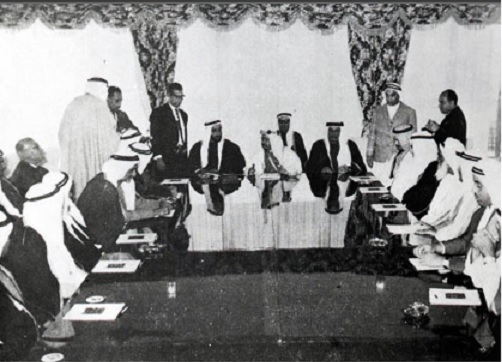
1968年にアブダビで開催された首長国連邦に関する最初の会議
The first conference on the Federation of Emirates, held in Abu Dhabi, 1968
その後、アフマド・ビン・アリー(Ahmad bin Ali)は、1970年4月に暫定憲法を公布し、カタールをシャリーア(شريعة)を基本法とする独立したアラブ・イスラーム国家と宣言しました。カリーファ・ビン・ハマド(Khalifa bin Hamad)は5月に首相に任命されました。最初の閣僚評議会(Council of Ministers) (مجلس الوزراء)は1970年1月1日に宣誓し、その10人のメンバーのうち7人がアール・サーニー家(House of Al Thani)でした。
Ahmad bin Ali then promulgated an interim constitution in April 1970, declaring Qatar an independent Arab Islamic state with Sharia (شريعة) as its basic law. Khalifa bin Hamad was appointed prime minister in May. The first council of ministers (مجلس الوزراء) was sworn in on January 1, 1970. Seven of its ten members were selected from House of Al Thani.
カタールの独立
Qatar Independence
(1971~2013)
節索引(Section Index)

カタール初の大学(カタール大学(جامعة قطر)は、1973年に開校しました。
Qatar’s first university, Qatar University (جامعة قطر), opened in 1973.
アミール解任
Amir sacking
カタールは1971年9月1日に独立を宣言し、9月3日に独立国家になりました。アフマド・ビン・アリー(Ahmad bin Ali)がドーハ(Doha) の宮殿からではなく、スイスの別荘から正式な発表をしたとき、多くのカタール人は指導者を変える時が来たと確信していました。1972年2月22日、カリーファ・ビン・ハマド(Khalifa bin Hamad)は、イラン(Iran) (إيران)で狩猟旅行中だったアフマド・ビン・アリー(Ahmad bin Ali)を解任しました。カリーファ・ビン・ハマド(Khalifa bin Hamad)は、アール・サーニー家(House of Al Thani)と英国の暗黙の支援を受け、サウジアラビアの政治的、財政的、軍事的支援も受けていました。
Qatar declared its independence on September 1, 1971, and became an independent state on September 3. When Ahmad bin Ali made the official announcement not from Doha’s palace, but from his villa in Switzerland, many Qatari were convinced that it was time to change the leader. On February 22, 1972, Khalifa bin Hamad sacked Ahmad bin Ali, who was on a hunting trip in Iran (إيران). Khalifa bin Hamad had the implicit support of the House of Al Thani and Britain, as well as the political, financial, and military support of Saudi Arabia.
首長カリーファ・ビン・ハマドの治政
Rule of Amir Khalifa bin Hamad
前任者の政策とは対照的に、カリーファ・ビン・ハマド(Khalifa bin Hamad)は、アール・サーニー家(House of Al Thani)の家族手当を削減し、住宅、健康、教育、年金などの社会プログラムへの支出を増やしました。さらに、彼は、多くの政府の要職を近親者で埋めました。1993年、カリーファ・ビン・ハマド(Khalifa bin Hamad)は、首長(Amir) (أمير)のままでしたが、彼の息子で後継者である国防大臣ハマド・ビン・カリーファ(Hamad bin Khalifa Al Thani) (r.1995~2013) (حمد بن خليفة آل ثاني)が政庁の日常業務の多くを引き継いでいました。二人は重要なすべての問題について互いに相談していました。
In contrast to the policies of his predecessors, Khalifa bin Hamad cut family benefits of the House of Al Thani and increased spending on social programs such as housing, health, education, and pensions. In addition, he filled many government positions with his close relatives. In 1993, Minister of Defense Hamad bin Khalifa Al Thani (r.1995~2013) (حمد بن خليفة آل ثاني), who was Khalifa bin Hamad ‘s son and successor, took over many of the day-to-day operations of the government, however Khalifa bin Hamad remained Amir (أمير). The two were consulting each other on all important issues.

ハマド・ビン・カリーファ(Hamad bin Khalifa Al Thani)
1991年、カタールは湾岸戦争(Gulf War) (August 2,1990 ~January 17, 1991) (حرب الخليج الثانية)、特にカフジの戦い(Battle of Khafji) (January 29~February 1, 1991)(معركة الخفجي)で重要な役割を果たし、カタールの戦車が町の通りを進撃し、イラク軍(Iraqi Army troops) (القوات البرية العراقية)と交戦していたサウジアラビア国家警備隊(Saudi Arabian National Guard) (وحدات الوحرس الوطني السعودي)に火力支援を提供しました。 カタールは、カナダからの連合軍(coalition troops)が戦闘空中哨戒 (Combat air patrol) (CAP)任務で航空機を発進するための空軍基地として自国の領土を使用することを許可し、また、米国とフランスの空軍がその領土で活動することを許可しました。
In 1991, Qatar played an important role in the Gulf War (August 2,1990 ~January 17, 1991) (حرب الخليج الثانية), especially the Battle of Khafji (January 29~February 1, 1991) (معركة الخفجي), where Qatari tanks advanced through the streets of the town , provided fire support to the Saudi Arabian National Guard (وحدات الوحرسس الوطني البرية العراقية) which was engaged with the Iraqi Army troops (القوات الوات السعودي).
Qatar allowed coalition troops from Canada to use its territory as an air base to launch aircraft on Combat Air Patrol (CAP) missions, and also allowed U.S. and French air forces to operate on its territory.
副首長による無血クーデター
Bloodless coup by vice Amir
1995年6月27日、副首長(Vice Amir) (نائب أمير)のシャイフ(Shaykh)・ハマド・ビン・カリーファ(Hamad bin Khalifa)は、無血クーデターで父親のカリーファ・ビン・ハマド(Khalifa bin Hamad)を退位させました。反クーデターの試みが1996年にありましたが、失敗しました。首長(Amir) と彼の父親は、現在和解していますが、反クーデターの支持者の中には刑務所に残っている人もいます。首長(Amir) は、カタールが民主主義に向かって動く意向を発表し、予想される議会選挙の前兆として、よりリベラルな報道と地方選挙を許可しました。新憲法は2003年4月に国民投票で承認され、2005年6月に発効しました。経済的、社会的、民主的な改革がそれ以後の数年にわたって行われました。2003年、シェイカ・アフメド・アル・マフムード(Sheikha Ahmed al-Mahmoud) (r.2003~2009) (شيخة المحمود)は、教育大臣として内閣に任命された最初の女性でした。
On June 27, 1995, Vice Amir (نائب أمير) Shaykh Hamad bin Khalifa deposed his father, Khalifa bin Hamad, in a bloodless coup. There was an anti-coup attempt in 1996, but it failed. Amir and his father are now reconciled, but some anti-coup supporters remain in prison. Amir announced Qatar’s intention to move towards democracy, allowing more liberal coverage and local elections, as a precursor to expected parliamentary elections. The new constitution was approved in a referendum in April 2003 and entered into force in June 2005. Economic, social, and democratic reforms took place over the following years. In 2003, Sheikha Ahmed al-Mahmoud (r.2003~2009) (شيخة المحمود) was the first woman to be appointed to the Cabinet as Minister of Education.
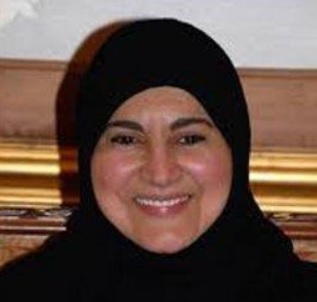
シェイカ・アフメド・アル・マフムード
(Sheikha Ahmed al-Mahmoud)
首長ハマド・ビン・カリーファの治政
Rule of Amir Hamad bin Khalifa
カタールとバハレイン(Bahrain)は、20世紀半ば以来、ハワール諸島(Hawar Islands) (جزر حوار)の所有権をめぐって紛争を起こしてきました。2001年、国際司法裁判所(International Court of Justice)は、バハレイン(Bahrain)にハワール諸島に対する主権を与え、カタールの主権を紛争中の小さな島々とカタール本土のズバーラ(Zubarah)地域に割り当てました。裁判中、カタールは、問題の領土に対する主権の主張を立証するために、82の偽造文書を裁判所に提供しました。これらの主張は、バハレイン(Bahrain)が偽造を発見した後、後の段階で取り下げられました。
Qatar and Bahrain have had a dispute over ownership of the Hawar Islands (جزر حوار) since the mid-20th century. In 2001, the International Court of Justice granted Bahrain sovereignty over the Hawar Islands, assigning Qatari sovereignty to the small disputed islands and the Zubarah region of mainland Qatar. During the trial, Qatar provided the court with 82 forged documents to substantiate its sovereignty claim to the territory in question. These claims were dropped at a later stage after Bahrain discovered the forgery.
2003年、カタールは米国中央軍司令部(US Central Command headquarters)として機能し、イラク侵攻(Invasion of Iraq) (March 20~May01, 2003) (غزو العراق)の主要な戦闘機発進地の1つでした。
In 2003, Qatar served as the US Central Command headquarters and was one of the main fighter launch sites for the Invasion of Iraq (March 20~May01, 2003) (غزو العراق).
2005年3月、ドーハ・プレイヤーズ劇場(Doha Players Theatre)で自爆テロ(Suicide attack) (عملية انتحارية)が英国人教師を殺害し、これまでテロ行為を経験したことのない国に衝撃を与えました。爆撃は、「アラビア半島のアル=カーイダ(Al-Qaeda in the Arabian Peninsula) (القاعدة في جزيرة العرب)」との関係を疑われていたカタールのエジプト人居住者であるオマール・アフメド・アブドゥッラー・アリー(Omar Ahmed Abdullah Ali) (عمر احمد عبدالله علي)によって実行されました。
In March 2005, a suicide attack (عملية انتحارية), which killed a British teacher at the Doha Players Theatre, shocked this country that had never experienced terrorism before. The bombing was carried out by Omar Ahmed Abdullah Ali (عمر احمد عبدالله علي), who was suspected the relation with Al-Qaeda in the Arabian Peninsula (القاعدة في جزيرة العرب).
LNG販売から得られる収益を管理する手段として、カタール投資庁(Qatar Investment Authority) (جهاز قطر للاستثمار)が2005年に設立されました。
Qatar Investment Authority (جهاز قطر للاستثمار) was established in 2005 to manage revenues from LNG sales.
カタール国家ビジョン2030
Qatar National Vision 2030
2008年、政府は、カタールの長期的な発展のための枠組みを提供し、脅威と解決策を特定するカタール国家ビジョン2030 (Qatar National Vision 2030) (رؤية قطر الوطنية 2030)を立ち上げました。
In 2008, Qatar government launched Qatar National Vision 2030 (رؤية قطر الوطنية 2030), which provides a framework for Qatar’s long-term development and identifies threats with their solutions.

カタール国家ビジョン2030 (Qatar National Vision 2030)
カタール国家ビジョン2030は、カタール政府の開発計画総局(QNV 2030) (General Secretariat for Development Planning) (أمانة العامة للتخطيط التنموي، قطر)によって2008年10月に策定された開発計画です。QNV 2030の目標は、2030年までに「カタールを持続可能な開発を達成できる先進社会に変える」ことです。計画の開発目標は、経済、社会、人間、環境開発の4つの中心的な柱に分かれています。政府は、強力な官僚的枠組みを開発し、人間開発報告書に提示された課題に対処するための戦略を実施することにより、開発目標の達成を目指しています。
Qatar National Vision 2030 (QNV 2030) is a development plan formulated in October 2008 by the Qatar Government’s General Secretariat for Development Planning (أمانة العامة للتخطيط التنموي، قطر). The goal of QNV 2030 is to “transform Qatar into a developed society capable of achieving sustainable development” by 2030. The development goals of the plan are divided into four central pillars: economic, social, human and environmental development. The government aims to achieve its development goals by developing a strong bureaucratic framework and implementing strategies to address the challenges presented in the Human Development Report.
QNV 2030は、課題と解決策の各セットを、「4つの柱」として知られる次の4つの開発カテゴリ(経済、社会、人間、環境)のいずれかに分割します。さらに教育振興(Educational development)にも力点が置かれています。
QNV 2030 divides each set of challenges and solutions into one of four development categories known as the “Four Pillars (economic, social, human and environmental)” Emphasis is also placed educational development.
経済発展
QNV 2030の経済開発戦略は、国民経済の効率的な管理を確保し、天然資源管理に対して責任あるアプローチを取り、知識集約型経済の発展に取り組むことで構成されています。カタールの大規模な外国人駐在(large expatriate population)は、非国民への依存を生み出すため、経済発展の障害と見なされています。
Economic development
The economic development strategy of QNV 2030 consists of ensuring the efficient management of the national economy, taking a responsible approach to natural resource management, and working on the development of a knowledge-based economy. Qatar’s large expatriate population is seen as an obstacle to economic development because it creates dependence on non-nationals.
社会開発
カタールは、イスラーム哲学と人道的価値観の採用を奨励することにより、国家規模で社会開発を達成することを目指しています。政府はまた、コミュニティの感覚を生み出すための社会的プログラムを実施しています。政府がとった他のイニシアチブには、身体活動としてのスポーツの促進、国の文化遺産の育成、家族の結束の促進が含まれます。急速な人口増加は、カタールのインフラが高まる需要を満たすのに十分なほど開発されていないため、社会開発への脅威と見なされています。
Social Development
Qatar aims to achieve social development on a national scale by encouraging the adoption of Islamic philosophy and humanitarian values. The government also implements social programs to create a sense of community. Other initiatives taken by the government include promoting sports as a physical activity, fostering the country’s cultural heritage, and promoting family cohesion. Rapid population growth is seen as a threat to social development as Qatar’s infrastructure is not developed enough to meet the growing demand.
シンガポールの報道機関であるワールドフォリオ(Worldfolio)の記事によると、カタールは2030年のビジョンの一環として重要なインフラ開発を開始し、完了しました。開発には、新しい鉄道路線、真新しい国際空港と港、最先端の高速道路、新しいホテル、その他の旅行と訪問者のアメニティが含まれていました。さらに、この開発には、41の無制限の連絡ゲートと年間3,000万人の乗客を収容できる空港ターミナルが含まれていました。空港の年間旅客数は、新しいドーハ(Doha) メトロへの接続の建設や新しいチェックインデスク、ラウンジ、レストラン、搭乗ゲートの追加など、いくつかの拡張により旅客ターミナルが拡張された後、2020年までに乗客を収容能力は、年間5,300万人に増加しました。
According to an article by Singaporean news outlet World folio, Qatar had initiated and completed critical infrastructure development as part of its vision for 2030. The development included new rail lines, a brand-new international airport and port, state-of-the-art highways, new hotels and other travel and visitor amenities. In addition, the development included 41 unlimited access gates and an airport terminal capable of accommodating 30 million passengers per year. The airport’s annual passenger capacity increased to 53 million per year by 2020, after several expansions of the passenger terminal, including the construction of a connection to the new Doha metro and the addition of new check-in desks, lounges, restaurants and boarding gates.
国際レベルでは、国はより強力な二国間関係を築き、地域政治においてより積極的な役割を果たすことを目指しています。
At the international level, the country seeks to develop stronger bilateral relations and play a more active role in regional politics.
人間開発
健康で有能な国家労働力を育成するために、QNV 2030は人間開発を優先しています。教育と医療の改善、国民の文化的意識向上と雇用機会の増加は、ビジョンの人間開発戦略の基礎です。この点で、若者の人口に大きな重点が置かれています。カタールの労働力への加入率の低さは、人間開発への主要な課題として概説されています。
Human Development
In order to cultivate a healthy and competent national workforce, QNV 2030 prioritizes human development. Improving education and healthcare, increasing national cultural awareness and job opportunities are the cornerstones of Vision’s human development strategy. In this regard, great emphasis is placed on the youth population. Qatar’s low workforce participation rate is outlined as a major challenge to human development.
環境開発
さらに、経済的および社会的成長を維持することは、カタールの将来の世代のための環境保全を最前線に置く総合的な環境ビジョンなしには不可能です。 カタール国家ビジョン 2030 は、カタールが開発ニーズと陸、海、空を問わず自然環境の保護とのバランスをとれるよう導くことを目的としています。 そのため、QNV 2030 には、カタールの環境遺産の保護者として機能する効果的な法的枠組みと環境機関の確立に重点が置かれています。 QNV 2030 はまた、子供たちと国の将来の世代のために国の環境を保護する上での自分たちの役割に対する国民の意識を高めることの重要性も強調しています。
Environmental development
Sustaining economic and social growth, moreover, is impossible without a holistic environmental vision that places environmental preservation for Qatar’s future generations at the forefront. The Qatar National Vision 2030 aims to direct Qatar towards a balance between developmental needs and the protection of its natural environment, whether land, sea or air. As such, the QNV 2030 includes an emphasis on establishing an effective legal framework and the environmental institutions that can serve as the guardians of Qatar’s environmental heritage. The QNV 2030 also emphasizes the importance of increasing citizens’ awareness of their role in protecting the country’s environment for their children and the nation’s future generations.
2010年、カタールは2022 FIFAワールドカップの開催権を獲得し、中東で最初にトーナメントの開催国に選ばれました。この授与により、2010年代に国内でのさらなる投資と開発が増加しました。
In 2010, Qatar won the right to host the 2022 FIFA World Cup, becoming the first Middle East country to host the tournament. This award led to an increase in further investment and development in the country in the 2010s.
アラブの春と軍事的関与
Arab spring & military involvements
カタールは、アラブの春(Arab spring) (الربيع العربي)と総称されるアラブ世界でのデモ(demonstrations)、抗議(protests)、内戦(civil wars)の革命的な波(revolutionary wave)で一定の役割を果たしました。調停者としての伝統的な外交的役割から転換したカタールは、中東と北アフリカの幾つかの過渡状態や激動する国々を支援するために動きました。
Qatar played a role in revolutionary waves of demonstrations, protests and civil wars in Arab world, collectively known as Arab Spring (الربيع العربي). Shifting from its traditional diplomatic role as mediator, Qatar moved to support several transitional and turbulent countries in Middle east and North Africa.

カタール国外でのアラブの春 Arab spring (Out of Qatar)
アラブの春の最初の数ヶ月の間に、最も広範な報道網を持つ国営放送アル=ジャジーラ(Al Jazeera) (قناة الجزيرة)は、アラブの支持を集め、抗議とデモを支援して、脚本(scenario)を形作るのを助けました。カタールは、2011年のリビア内戦(Libyan Civil War) (Feburuary 15~October 23, 2011) (الحرب الأهلية الليبية 2011)を支援するために数百人の地上部隊を派遣しました。 軍隊は主に軍事顧問であり、報道機関によっては、「傭兵(mercenaries)」と呼ばれることもありました。カタールは、また、他のいくつかの連合メンバー(coalition members)と一緒に空中キャンペーン(aerial campaign)に参加しました。
During the first months of Arab spring, State-run broadcaster Al Jazeera (قناة الجزيرة), which has the most extensive news network, rallied Arab supports, supported protests and demonstrations, and helped to shape scenarios. Qatar sent hundreds of ground troops to support Libyan civil war (February 15~October 23, 2011) (الحرب الأهلية الليبية 2011). They were mainly military advisers, sometimes referred to as “mercenaries” by a press. Qatar also participated in Aerial campaign along with several other coalition nations.
カタールは、2011年春に始まったシリア内戦(Syrian Civil War) (2011~Present) (الحرب الأهلية السورية)で積極的な役割を果たしてきました。2012年、カタールは、反政府勢力に武装と資金の提供を開始すると発表しました。さらに、カタールは、内戦の最初の2年間でシリアの反乱に「30億ドルも」資金を提供したと報告されています。
Qatar had played an active role in Syrian civil war (2011~present) (الحرب الأهلية السورية), which began in Spring of 2011. In 2012, Qatar announced that Qatar begin to supply arms to Syrian rebels and also to make financing to them. In addition, Qatar reportedly financed Syrian insurgencies “as much as US$ 3 billion” in First two years of Syrian civil war.
首長の退位と継承
Abdication and succession of Amir
2013年6月、シャイフ(Shaykh) (الشيخ)・ハマド・ビン・カリーファ(Hamad bin Khalifa) (r.1995~2013) (حمد بن خليفة)は、首長(Amir) (أمير) を辞任し、四男で跡継ぎのシャイフ(Shaykh) (الشيخ)・タミーム・ビン・ハマド・アール・サーニー(Tamim bin Hamad Al Thani) (r.2013~present) (تميم بن حمد آل ثاني)へ平穏に譲位しました。
In June 2013, Shaykh (الشيخ) Hamad bin Khalifa (r.1995~2013) (حمد بن خليفة) resigned Amir (أمير) and inherited by his fourth son. His fourth son was his heir apparent Shaykh (الشيخ) Tamim bin Hamad Al Thani (r.2013~present) (تميم بن حمد آل ثاني). This abdication conducted smoothly and peacefully.

タミーム・ビン・ハマド(Tamim bin Hamad)
タミーム・ビン・ハマド首長の治政
Rule of Amir Tamim bin Hamad
(2013~present)
節索引(Section Index)
第8代目カタール首長
Eighth Amir of Qatar
シャイフ(Shaykh)・タミーム・ビン・ハマド(Tamim bin Hamad)は、Qatar第8代目首長と成りました。新首長は、初めての組閣に首長家アール・サーニー(Al Thani) (آل ثاني)以外の人材カーリド・ムハンマド・アル=アティヤ(Khalid bin Mohammad Al Attiyah) (b.1967) (خالد بن محمد العطية)を外務大臣(後に国防大臣)として登用し、またカタールの三人目の女性閣僚フッサ・アル=ジャービル(Hessa Al Jaber) (حصة الجابر)を情報通信技術大臣(Minister of Information and Communications Technology) (r.2013~2016)に任命しました。
Shaykh Tamim bin Hamad became the eighth Amir of Qatar. New Amir appointed Khalid bin Mohammad Al Attiyah (b.1967) (خالد بن محمد العطية) as Minister of Foreign Affairs (later Minister of Defense). He was the first cabinet member selected other than the House of Al Thani (آل ثانيي). Amir also appointed Hessa Al Jaber (حصة الجابر), the third female minister of Qatar, as Minister of Information and Communications Technology (r.2013~2016).
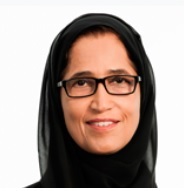
Hessa Al Jaber (حصة الجابر)
2013年に最初の全国立法選挙を実施するカタールの計画を発表しました。2013年後半に開催される予定でしたが、実際には2021年10月まで延期されました。
In 2013 Qatar’s plans was announced to hold the first all-national legislative elections. It was supposed to take place in late 2013, but was actually postponed until October 2021.
2021年8月、権限は限られていますが、カタール諮問議会(Consultative Assembly of Qatar) (Shura Council) (مجلس الشورى القطري)に対して史上初の立法選挙を実施する法令を発布ました。
In August 2021, it issued a decree to hold the first-ever legislative elections against the Consultative Assembly of Qatar (Shura Council) (مجلس الشورى القطري), albeit with limited powers.
タミーム・ビン・ハマド(Tamim bin Hamad)首長は、2022年のワールドカップの開催も念頭に入れ、高度な医療と教育の制度確立、国の基盤整備の拡張など、市民の国内福祉の改善を優先しました。また、首都周辺の道路を拡張し、新しい地下鉄システムを開発し、新しい空港の建設を完了しました。2022年にワールドカップは、成功裏に閉幕しました。ただ、その余波として、施設建設中での外国人労働者に対する人権問題や不正さらの欧州議会の副議長を含む幹部に対する収賄等、国際社会に対する説明責任が残っているとされています。
With the hosting of the 2022 World Cup in mind, Amir Tamim bin Hamad prioritized improving the domestic welfare of citizens, such as establishing advanced medical and education systems and expanding the country’s infrastructure development. Qatar also expanded the roads around the capital, developed a new metro system, and completed the construction of a new airport. 2022 World cup had ended successfully. However, as its aftermath, it is said that accountability to international community remains, such as human rights issues regarding foreign workers during Construction of facilities and bribery issues of executives, including Vice-President of the European parliament.
アラブの春と外交危機
Arab spring and Diplomatic crises
アラブの春(Arab spring)中、タミーム・ビン・ハマド(Tamim bin Hamad)首長は、国内では国家食糧安全保障計画に協力する企業が販売する食料品の価格を引き下げる指令を制定すると約束し、社会手当や年金の増額も検討を始めさせました。一方、国外では、特に2011年のバハレイン(Bahrain)蜂起中のカタールとその役割の増大は、サウジアラビア、隣接するアラブ首長国連邦(United Arab Emirates) (UAE)、およびバハレイン(Bahrain)との長年の緊張を悪化させました。2014年3月、進行中の中東紛争における派閥や政党への資金提供へのカタールの関与の疑いに抗議して、サウジアラビア、UAE、バハレイン(Bahrain)はカタール大使を呼び戻しました。3か国は、合意に達した後、その年の11月に大使を返還しました。 これが2021年まで続いた外交危機(2014~2021) (الأزمة الدبلوماسية مع قطر)の始まりでした。
During the Arab spring, Amir, Tamim bin Hamad, promised to enact a directive to reduce the prices of food sold by companies cooperating with the National Food Security Plan, and began considering increasing social benefits and pensions. Meanwhile, outside the country, Qatar and its growing role, especially during the 2011 Bahrain uprising, exacerbated long-standing tensions with Saudi Arabia, neighboring United Arab Emirates (UAE), and Bahrain. In March 2014, Saudi Arabia, the UAE and Bahrain recalled the Qatari ambassador in protest of Qatar’s alleged involvement in funding factions and political parties in the ongoing Middle East conflict. The three countries returned their ambassadors in November of that year after reaching an agreement. This was the beginning of the diplomatic crises (2014~2021) (الأزمة الدبلوماسية مع قطر), which lasted until 2021.
サイバー犯罪新法
New cybercrime law
2014年、シャイフ(Shaykh)・タミーム・ビン・ハマド(Tamim bin Hamad)首長は、新たなサイバー犯罪法を施行しました。これは同地域の首長家アール・サーニー(Al Thani) (آل ثاني)に対するオンラインでの侮辱を犯罪とする湾岸諸国間の合意の一環と言われています。サイバー犯罪法はデジタル素材だけでなく「偽ニュース」の拡散や攻撃的な内容の出版を扇動、援助、促進することも違法としました。しかし、この法律は、アムネスティ・インターナショナル(Amnesty International)等にカタールの反対意見を黙らせることを権威主義政権が意図していると批判されています。
In 2014, Amir Tamim bin Hamad implemented a new cybercrime law. This is said to be part of an agreement between Gulf states to criminalize online insults to the House of Al Thani (آل ثاني) in the region. Cybercrime act made it illegal to incite, assist or facilitate spread of “fake news” or publication of offensive content, as well as digital material. However, this law had been criticized as an authoritarian regime intended to silence Qatari dissent by Amnesty international and others.
サウジ主導のイエメン介入
Saudi-led intervention in Yemen
2015年以降、カタールは、ハウシー派(Houthi movement) (حوثيون)およびアラブの春の蜂起(Arab spring uprising) (انتفاضة الربيع العربي)の余波で退陣した前大統領(r.1990~2012)アリー・アブドゥッラー・サレハ(Ali Abdullah Saleh) (علي عبد الله صالح)に忠誠を誓っている部隊に対するサウジアラビア主導のイエメン介入(Saudi Arabian-led intervention in Yemen) (2015 ~present) (التدخل العسكري في اليمن)に参加しました。
Since 2015, Qatar had participated in the Saudi Arabian-led intervention in Yemen (2015 ~present) (التدخل السعكري في اليمن). This intervention was against the Houthi movement (حوثيون), and the force that was loyal to the former President. The former President (r.1990~2012) was Ali Abdullah Saleh (علي عبد الله صالح), who had been stepping down in the aftermath of the Arab spring uprising (انتفانة الربيع العربي).
カルテットによる空、陸、海の国境閉鎖
Air, land and sea border closures by Quartet
2017年6月5日、総称してカルテット(Quartet)と呼ばれるサウジアラビア、アラブ首長国連邦(United Arab Emirates)、バハレイン(Bahrain)、エジプトの四カ国が率いる多くの国がカタールとの関係を断ち切り、カタールとの空、陸、海の国境を閉鎖するなど、いくつかの懲罰的措置を制定しました。サウジアラビアはまた、イエメンで進行中の戦争へのカタールの関与を打ち切りました。カルテット(Quartet)は、カタールと地域の「テロリストグループ」との関係をほのめかすことによって、彼らの行動を正当化した。これにより、カタールはトルコやイランとの経済的・軍事的結びつきを強めてきました。
Saudi Arabia, United Arab Emirates, Bahrain and Egypt are collectively known as Quartet. On June 5, 2017, a number of countries led by theses four Nations had enacted several punitive measures for Qatar, including severing ties and closing air, land and sea borders. Saudi Arabia also broke off Qatar’s involvement in the ongoing war in Yemen. Quartet justified their actions by alluding Qatar’s ties to regional “terrorist groups.” This had strengthened Qatar’s economic and military ties with Turkey and Iran, as their results.
スーク・ワキフ(Souq Waqif) (وق واقف)にあったイラストは、2017年から2018 年のカタール外交危機におけるカタールの抵抗の象徴でした。

A illustration at Souq Waqif (وق واقف) was a symbol of Qatari resistance during the 2017–18 Qatar diplomatic crisis.
これらの空、陸、海の国境閉鎖措置は、タミーム・ビン・ハマド(Tamim bin Hamad)首長がサウジアラビアの招待で2021年1月5日にアルーラー(Al Ula) (العلا)で開催されたGCC首脳会議(GCC Summit)にタミーム・ビン・ハマド(Tamim bin Hamad)首長が出席することに成り、その前日に解除されています。国交も回復しました。
These air, land and sea border closures were lifted on the day before Sheikh Tamim bin Hamad attended the GCC summit at Al Ula (العلا) on January 5, 2021 at the invitation of Saudi Arabia. Diplomatic relations had also been restored on the previous day.
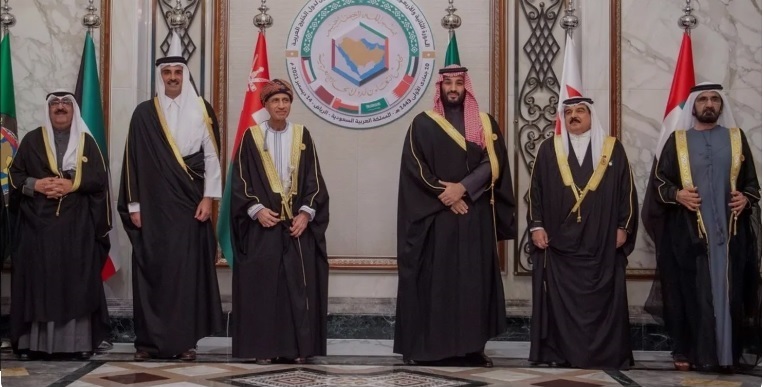
GCC summit at Al Ula (العلا) on January 5, 2021
アラブ連盟との関係
Relationship with Arab League
2023年5月19日にジェッダ(Jeddah) (جدة)で開催されたアラブ連盟(Arab League) (امعة الدول العربية)のサミットには2011年の資格停止処以来、初めてシリア大統領(Syrian president) (r.2000~present)のバシャール・アル=アサド(Bashar al-Assad) (بشار الأسد)が招待された為、シリア反政府勢力を援助しているタミーム・ビン・ハマド(Tamim bin Hamad)首長は、不快感を示して、途中退場しました。但し、アラブ連盟(Arab League)にシリアを復帰させ再統一しようという動きにまでは、積極的に反対までは、していません。
Arab league (امعة الدول العربية) summit was hold at Jeddah (جدة) on May 19, 2023. Saudi Arabia invited Syrian president (r.2000~present) Bashar al-Assad (بشار الأسد). It was Syria first participation to the Arab league summit since its suspension in 2011.
Sheikh Tamim bin Hamad, who had been assisting Syrian rebels, showed displeasure and left the event of this summit. However, he did not actively oppose the move to unify Syria back into Arab league.

Arab summit at Jeddah on May 19, 2023 on Al Jazeera
2023年3月10日に、中国の仲介で話し合いを続けていたサウジアラビアは、イランとの国交回復を発表し、その後、両国関係は大使館の相互開設など急速に改善しています。これはQatarにとっても好ましいことです。
On March 10, 2023, Saudi Arabia, which had been in talks mediated by China, announced the restoration of diplomatic relations with Iran, and since then, relations between the two countries had improved rapidly, including the mutual opening of embassies. This was also good for Qatar.
一方、アブラハム合意(Abraham Accords)によってイスラエルと国交を回復したアラブ首長国連邦(UAE)やバハレイン(Bahrain)に続いて、サウジアラビアがイスラエルとの国交を回復するとの動きがあります。カタールは、ハマース(Hamas) (حركة حماس)に資金援助を行っており、ハマース(Hamas)対するイスラエル側の相当な譲歩が無ければ、考慮することは無さそうです。
On the other hand, following the United Arab Emirates (UAE) and Bahrain, which restored diplomatic relations with Israel through the Abraham Accords, there might be moves also for Saudi Arabia to restore diplomatic relations with Israel. Qatar has been providing financial support to Hamas (حركة حماس) and would not consider it unless there are considerable Israeli concessions to Hamas.
 Desert peninsula