42 純粋のアラブ族



ページ内目次(In-page table of contents)
| B.1 | 古代イエメン4部族 | 4 Ancient Yemeni Tribes |
| B.1.1 | マイーン族 | Minaean |
| ditto | マイーン王国 | Ma’in |
| B.1.2 | シバ族 | Sabaeans |
| ditto | シバ王国 | Sheba (Saba’) |
| B.1.3 | ハドラマウト族 | Hadramites |
| ditto | ハドラマウト王国 | Kingdom of Hadhramaut |
| B.1.4 | カタバーン族 | Qatabanians |
| ditto | カタバーン王朝 | Qataban Kingdom |
| B.2 | ヒムヤル族 | Himyarites or Himyar |
| ditto | ヒムヤル王国 | Himyarite Kingdom |
| B.2.1 | クダーア族 | Quda’a |
| B.2.1.a | カルブ族 | Kalb |
| ditto | バヌー・カルブ族 | Banu Kalb |
| B.2.1.a.1 | シルハーン族 | al-Sirhan |
| B.2.1.b | ハルブ族 | Harb |
| B.2.1.c | バヌー・ラビーア・ビン・サアド族 | Banu Ar Rabi’ah ibn Saad |
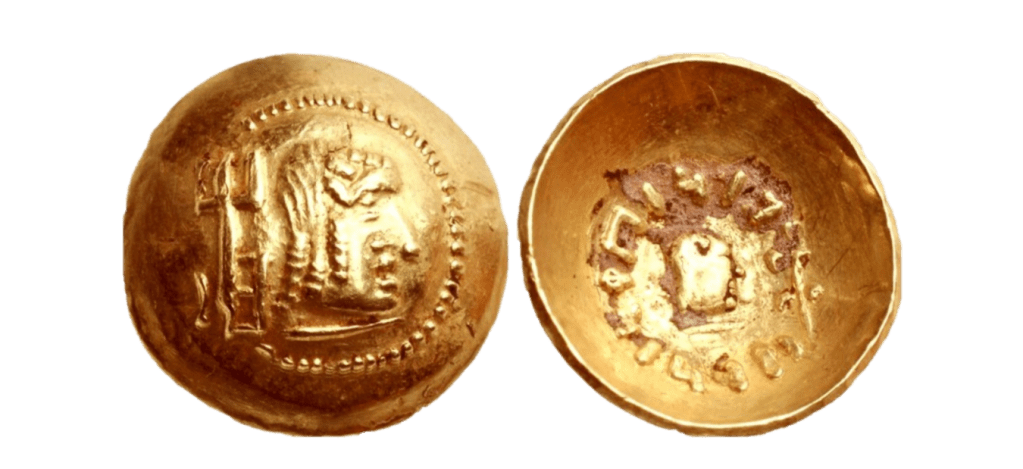
Himyarite Gold Unit
カフターン部族(Qahtan Arabs) (العرب قحطان)は、純粋のアラブ(Pure Arabs) (العرب العاربة)やカフターニ部族(Qahtanite) (قحطانيون)とも呼ばれます。カフターン部族(Qahtan Arabs)は、南セム族系譜南方系アラブ人であり、ノア(Noah) (نوح)の息子セム(Shem) (سام)の子孫ヨクタン(Joktan) (يقطان)(カフターン(Qahtan) (قحطان))の子孫です。カフターン部族(Qahtan Arabs)は、半島南部では一般的住人でとりわけイエメンおよびオマーンの一部に多い部族です。一定の地域に定住し生活基盤を持った農民であり、かつては南アラビアの古代農業文明(紀元前2300年~紀元前800年)を作り出しました。カフターン(Qahtan)は24人の息子をもうけました。カフターン部族(Qahtan Arabs)は、基本的にはカフターン(Qahtan)の24人の息子の子孫ですが、その中で優れていたのはサヌア(Sana’a) (صنعاء)(アザアル(A’zaal))とハドラマウト(Hadramaut) (حضرموت)でした。もう1人の息子は、ヤアルブ(Ya’rub) (يعرب)といい、ヤアルブ(Ya’rub)の息子ヤシュジュブ(Yashjub) (يشجب)がサバ(Saba) (سبأ)(アブド・シャムス(Abd Shams) (عبد شمس))の父親でした。すべてのイエメン部族は、その祖先を辿るとサバに行き着くと考えられています。サバの2人の息子によって、カフターン部族(Qahtan Arabs)は、ヒムヤル族(Himyar Tribe) (قبيلة حمير)とカフラーン族(Kahlan Tribe) (قبيلة كهلان)にさらに分けられるとされていますが、ここでは古代イエメン4部族(4 Ancient Yemeni Tribes) (أربع قبائل يمنية قديمة)とその他のカフターン部族(Miscellaneous Qahtan) (متفرقات قحطان)を含めて4つの部族に分類しています。
Qahtan Arabs (العرب قحطان) is also known as Pure Arabs (العرب العاربة) or Qahtanite (قحطانيون). Qahtan Arabs is a Southern Arab of South Semitic lineage, descended from Qahtan (قحطان) (Joktan (يقطان)) descendant of Shem (سام), son of Noah (نوح). Qahtan Arabs are a common inhabitant in Southern Arabian Peninsula, especially in parts of Yemen and Oman. They were farmers who have settled in a certain area and had a livelihood, and once created ancient agricultural civilization of South Arabia (2300 BC ~ 800 BC). Qahtan had 24 sons. Qahtan Arabs were basically descendants of Qahtan’s 24 sons, of which Sana’a (صنعاء) (A’zaal) and Hadramaut (حضرموت) were outstanding. Another son was Ya’rub (يعرب), and Ya’rub’s son Yashjub (يشجب) was father of Saba (سبأ) (Abd Shams (عبد شمس). It is believed that all Yemeni tribes end up in Saba if they trace their ancestry. In addition to descendants of two sons of Saba, here two others are added and divided into four tribes. Other two are 4 Ancient Yemeni Tribes and Miscellaneous Qahtan.

カフターン部族の系譜 (Family tree of Qahtanites)
B.1 古代イエメン4部族
B.1 4 Ancient Yemeni Tribes
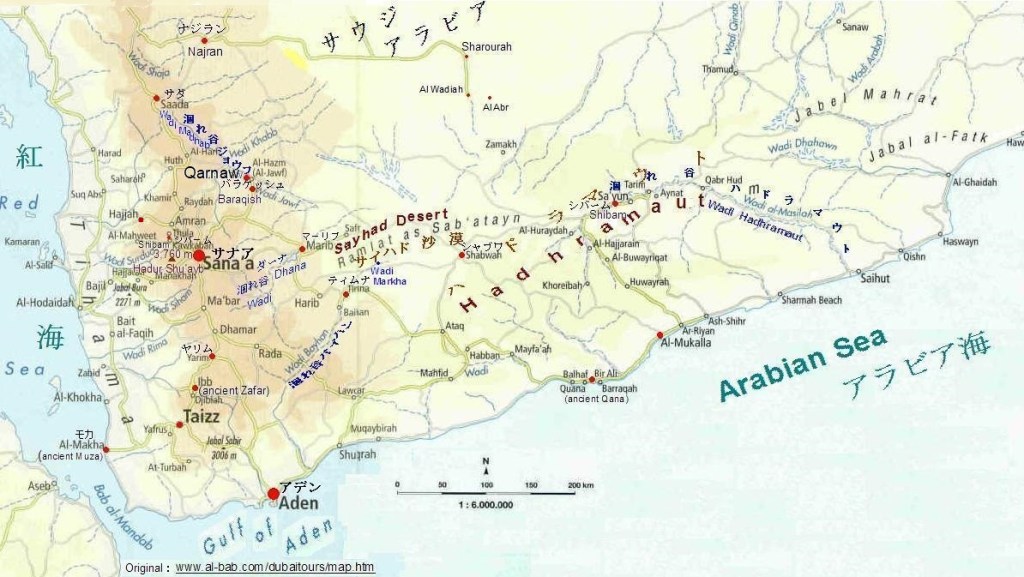
古代イエメン4部族(4 Ancient Yemeni Tribes) (أربع قبائل يمنية قديمة)とはセム族系カフターン部族(Qahtan Arabs) (العرب قحطان)のマイーン族(Minaean) (المعينيون)、シバ族(Sabaeans) (السبأيون)(サバ族)、ハドラマウト族(Hadramites) (حضرموت)およびカタバーン族(Qatabanians) (قتبانية)です。紀元前1千年期にこれら4部族はサイハド文明(Sayhad Civilization) (حضارة صيهد)を支えそれぞれ古代イエメンに地方王国を形成していました。マイーン王国(Ma’in Kingdom) (مملكة معين)は、北西で涸れ谷ジャウフ(Wadi al Jawf) (وادي الجوف)の中に、シバ王国(Sheba Kingdom) (مملكة سبأ)は、その南東に、カタバーン王国(Qataban Kingdom) (مملكة قتبان)は、シバ王国(Sheba Kingdom)の南東に、ハドラマウト王国(Hadhramaut Kingdom) (مملكة حضرموت)は、その東に位置していました。これらの王国群のあるアラビア半島南部は、ギリシアでは「恵まれたアラビア」を意味する「アラビアの幸福(Arabia Eudaimon)」と呼ばれ、そしてラテン(古代ローマ人)では「幸福なアラビア(Happy Arabia)」を意味する「アラビア・フェリクス(Arabia Felix)」と呼ばれていました。その富の源泉は、この地方で産する乳香(frankincense)、没薬(ミルラ)(myrrh)、桂皮(cassia)、肉桂皮(シナモン)(cinnamon)およびラブダナム(ladanum)でした。
4 Ancient Yemeni Tribes (أربع قبائل يمنية قديمة) were Minaean (المعينيون), Sabaeans (السبأيون), Hadramites (حضرموت) and Qatabanians ( قتبانية). They belonged Semitic Qahtan Arabs (العرب قحطان). During first millennium BC, these four tribes supported Sayhad Civilization (حضارة صيهد), each forming a local kingdom in ancient Yemen. Ma’in Kingdom (مملكة معين) located in Wadi al Jawf (وادي الجوف) in North-western Yemen. Sheba Kingdom (مملكة سبأ) located at Southeast of Ma’in Kingdom. Qataban Kingdom (مملكة قتبان) was located at Southeast of Sheba Kingdom, and Hadhramaut Kingdom (مملكة حضرموت) located at East of Qataban Kingdom. Southern Arabian Peninsula, where these kingdoms located, was called “Arabia Eudaimon”, meaning “Blessed Arabia”, by Greece. It was also called “Arabia Felix”, meaning “Happy Arabia” in Latin (ancient Romans). Sources of wealth were frankincense, myrrh, cassia, cinnamon and ladanum. They were the products from this region.
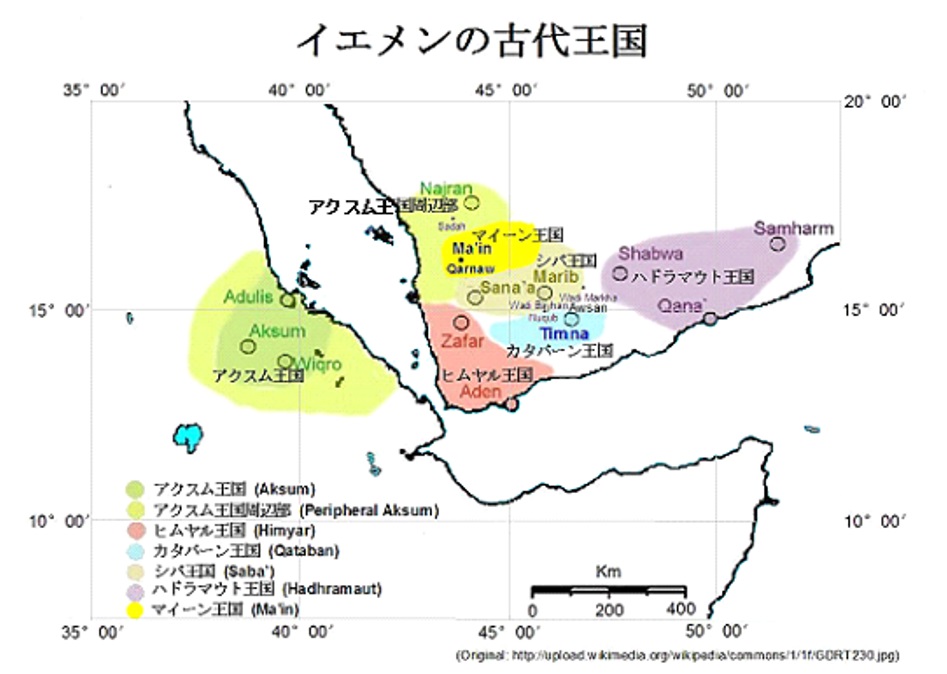
古代イエメンの地方王国(Local Kingdom in Ancient Yemen)
ラブダナム(labdanum):ラブダナム(labdanum)は、午時葵属(cistus or rockrose)の種から得られる粘着性のある茶色の樹脂です。 歴史的には漢方薬に使用されており、現在でも一部の香水や香味付け葡萄酒(vermouth)の製造に使用されています。
Labdanum is a sticky brown resin obtained from rockrose seeds. Historically used in herbal medicine, it is still used today to make some perfumes and vermouth.
B.1.1 マイーン族
B.1.1 Minaean
マイーン族(Minaean) (المعينيون)は、イエメン北西の涸れ谷ジャウフ(Wadi al Jawf) (وادي الجوف)の中にその東端で、サイハド沙漠 (Sayhad Desert) (صحراء سيهد) と呼ばれている沙漠回廊の西の端にあるカルナーウ(Qarnaw) (قرناو)を首都としてマイーン王国(Ma’in Kingdom) (مملكة معين)を紀元前8世紀に築いていました。マイーンの碑文は、遠く離れたアラビア北西部のウラー(Al-`Ula) (العلا)やエジプトのデロス島(Island of Delos) (جزيرة ديلوس)でも発見されています。紀元前2世紀後半にマイーン王国(Ma’in Kingdom)は、シバ王国(Sheba Kingdom)に敗れて紀元前1世紀頃に滅びました。そしてマイーン語(Minaean language) (اللغة المعينية)も西暦100年頃に絶えしまいました。
Minaean (المعينيون) constructed Qarnaw (قرناو) as its capital in 8th century BC. Qarnaw located at Eastern end of Wadi al Jawf (وادي الجوف), which was Western end of a desert corridor called Sayhad Desert (صحراء سيهد) in Northwest Yemen.
Myne inscriptions have also been found as far away as Al-‘Ula (العلا) in Northwestern Arabia and Island of Delos (جزيرة ديلوس) in Egypt. In late 2nd century BC Ma’in Kingdom lost to Sheba Kingdom and perished around in 1st century BC. Minaean language (اللغة المعينية) also was extinguished around 100 AD, as well.
カルナーウ(Qarnaw)
サイハド沙漠 (Sayhad Desert:現在ではサイハド沙漠 (Sayhad Desert) (صحراء سيهد)よりもラムラト・ サバアタイン(Ramlat al-Sab’atayn) (رملة السبعتين)と云う呼び方の方が一般的です。
Sayhad Desert: Nowadays, it is more commonly called Ramlat al-Sab’atayn (رملة السبعتين) than Sayhad Desert (صحراء سيهد).
カルナーウ(Qarnaw):カルナーウ(Qarnaw) (قرناو)は、イエメン北西の涸れ谷ジャウフ(Wadi al Jawf) (وادي الجوف)東端で、サイハド沙漠(Sayhad Desert) (صحراء سيهد)西の端に位置する古代都市跡です。
Qarnaw: Qarnaw (قرناو) is an ancient city site located in northwest Yemen, at eastern end of Wadi al Jawf (وادي الجوف) and western end of Sayhad Desert (صحراء سيهد).
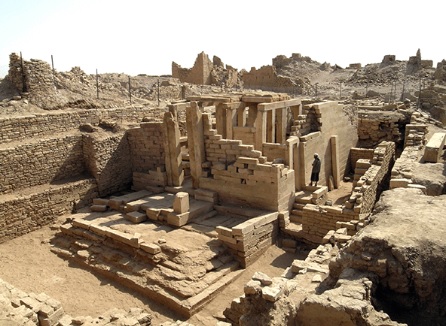
Temple of Nakraḥ, Baraqish
B.1.2 シバ族
B.1.2 Sabaeans
シバ族(Sabaeans) (السبأيون)は、イエメン南西部のアシール(Asir) (عسير)にマアリブ(Ma’rib) (مأرب)を首都としてシバ王国(Sheba Kingdom) (مملكة سبأ)を紀元前8世紀に築きました。紀元1世紀には航海術の進歩によって海のシルククロードの一つでもあった「乳香の道(Frankincense Route) (طريق اللبان)」の交易経路が陸上から紅海経由の海上輸送へと移った事でシバ王国(Sheba Kingdom)の繁栄に陰りが見え始めました。3世紀のローマ世界の経済不振や西暦313年のローマ帝国のキリスト教改宗による乳香(Frankincense) (لبان)、没薬(Myrrh) (مر)等香料需要の落ち込みによって交易量は、大きく減少しました。交易収入の減少に加えてヒムヤル王国(Himyarite Kingdom) (مملكة الحمير)、アクスム王国(Kingdom of Aksum)、ハドラマウト王国(Hadhramaut Kingdom)等の外敵の攻撃も加わり、王国は衰退の一途をたどっていきました。
Sabaeans (السبأيون) founded Sheba Kingdom (مملكة سبأ) in 8th century BC with Ma’rib (مأررب) as its capital in Asir (عسيرر) in southwestern Yemen. In 1st century AD, advances in navigation shifted Frankincense Route (طريق اللبان), which was one of Maritime Silk Road, from land to sea transport via Red Sea, then prosperity of Sheba Kingdom began to fade. Due to economic slump of Roman world in 3rd century and decline in demand for fragrances such as Frankincense (لبان) and Myrrh (مر) due to conversion of Roman Empire to Christianity in 313 AD, volume of trade decreased significantly. In addition to decline in trade revenues, attacks by foreign enemies, such as Himyarite Kingdom (مملكة الحمير), Kingdom of Aksum, and Hadhramaut Kingdom, Sheba Kingdom had further continued to decline.

古代シバ王国(Ancient Kingdom of Sheba)
シバ族(Sabaeans)の終焉は、「ヒムヤル国(Himyarite Kingdom)によって紀元前25年に征服され、西暦115年頃にはマアリブ・ダム(Marib Dam) (سد مأرب)の所有権も奪われて西暦275年に滅亡した」とされています。マアリブ・ダム(Marib Dam)は、紀元前700年に建設され、101平方キロメートルの土地を灌漑して千年以上に渡って農業基盤をなしていました。「西暦525年にアビシニア(Abyssinia) (أبي سينية)のアクスム王国(Kingdom of Aksum) (مملكة أكسوم)がヒムヤル王国(Himyarite Kingdom)を打ち破ったので、シバ王国(Sheba Kingdom)は、復活した」とも云います。しかしながらマアリブ・ダム(Marib Dam)を補修・修復する経済力は、そのシバ王国(Sheba Kingdom)にはもはやありませんでした。マアリブ・ダム(Marib Dam)の維持管理はおろそかになり、570年にダム(Dam)がついに崩壊しました。
End of Sabaeans was marked by “Conquest by Himyarite Kingdom in 25 BC, and Possession of Marib Dam (سد مأرب) was also usurped in around 115 CE. And, Sabaeans perished in 275 AD.” Marib Dam was built in 700 BC and irrigated 101 square kilometers of land to form agriculture basis for more than a thousand years. “In 525 AD, Kingdom of Aksum (مملكة أكسوم) of Abyssinia (أبي سينية) defeated Himyarite Kingdom, therefore Sheba Kingdom was able to revive.” However, financial power to repair and restore Marib Dam was no longer capable for Sheba Kingdom. Marib Dam’s maintenance was neglected, then in 570 Dam finally collapsed.
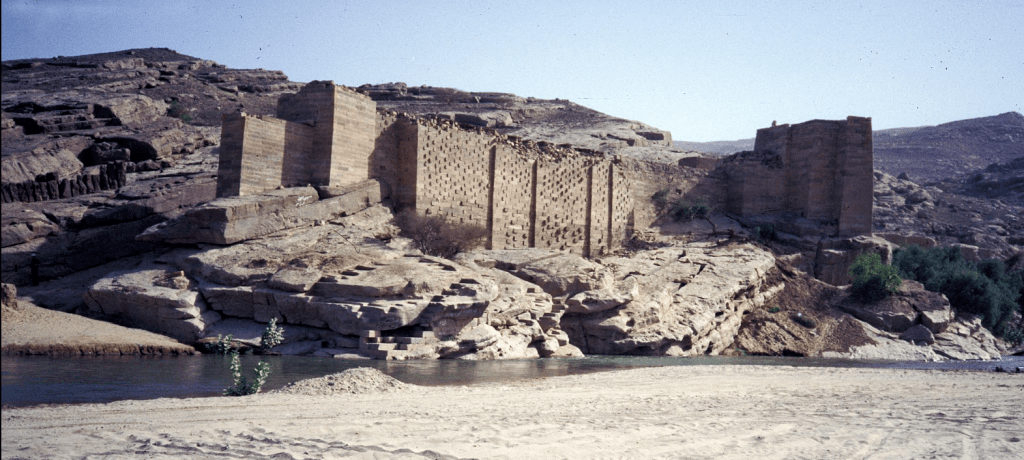
古代マアリブ・ダムの遺跡(Ancient Dam of Ma’rib)
アラブの伝説によると「ノア(Noah) (نوح)の長男でセム族(Semites) (سام ساميون)の祖先であるセム(Shem) (سام)がマアリブ(Marib)にシバ王国(Sheba Kingdom)(サバ王国(Saba Kingdom) )を創建した」と云います。紀元前10世紀にソロモン大王(King Solomon) (لملك سليمان)と会見したと云われるシバの女王(Queen of Sheba) (لكة سبأ)は、アビシニア(Abyssinia)ではマケダ(Makada)、イスラームの伝説ではビルキス(Belqis) (بلقيس)、ローマの歴史家ヨセフス(Josephus)にはニカウラ(Nicaula)と呼ばれていますが、実在した人物かどうかについても疑問を持つ学者も少なくありません。又、「シバ王国(Sheba Kingdom)は、アフリカのアビシニア(Abyssinia)にあった」と云う説にも説得力があります。シバ族(Sabaeans)は、シバ(Sheba)(サバSaba)の子孫と云う事では異論は無いようですが、シバ(Sheba)については「ノア(Noah)の曾孫ラーマ(Raamah or Rama)の息子シバ(Sheba)である」との説と「カフターン(Qahtan)の息子シバ(Sheba)である」あるいは「カフターンの孫ヤアルブ(Yashjub)の息子シバ(Sheba)である」等の異なった記述があります。
According to an Arab legend, Shem (سام), eldest son of Noah (نوح) and ancestor of Semites (سام ساميون), founded Sheba Kingdom (Saba Kingdom) in Marib. Queen of Sheba (لكة سبأ) is said to have met King Solomon (لملك سليمان) in 10th century BC. Queen of Sheba is called Makada in Abyssinia, Belqis (بلقيس) in Islamic legends, and Nicaula by Roman historian Josephus. Many scholars also question whether she was a real existed person. A theory that “Sheba Kingdom was located in Abyssinia of Africa” is also convincing. Sabaeans do not seem to dispute being descendants of Sheba (Saba). However, Sheba is described as “Sheba, son of Noah’s great-grandson Raamah (Rama)” and “Sheba, son of Qahtan” or “son of Qahtan’s grandson Yashjub.” Likely, there are different descriptions each other.
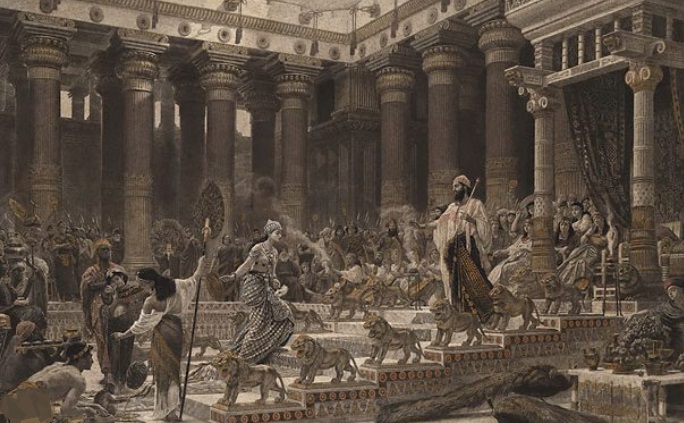
シバの女王がソロモン王を訪問(ニューサウスウェールズ州政府)
Visit of Queen of Sheba to King Solomon (NSW Government)
B.1.3 ハドラマウト族
B.1.3 Hadramites
ハドラマウト(Hadramaut) (حضرموت)は、イエメンの古代都市国家群の在った涸れ谷(Wadi) (وادي)の名前でもあり、ギリシア語の要塞化が語源で隊商路の要塞化された水場のある宿場(inn) (خان)を意味します。近代のキャラバンサライ(caravanserai)は、将にこれに相当します。
Hadramaut (حضرموت) is also name of Wadi (وادي), where one of Yemen’s ancient city-states was located, and is derived from Greek word fortification, meaning inn (خان) with fortified waterholes in caravan routes. A modern caravanserai is equivalent to it as general.
カフターン(Qahtan)(ヨクタン(Joktan))の息子ハドラマウト(Hadramaut)の子孫ハドラマウト族(Hadramites)は、紀元前8世紀頃にはハドラマウト王国(Hadhramaut Kingdom)を築いていた様です。最初のハイドラマウト碑文(Hadramaut Inscription) (نقش حضرموت)は、その頃からあらわれています。紀元前7世紀初期のカラビル・ワタール(Karab’il Watar) (كربئيل وتر)(シバ王(King Sheba) (ملك سبأ))の古いシバ碑文(Sheba Inscription) (نقش سبأ)にはハイドラマウト王(King Hadramaut) (ملك حضرموت)ヤダイル(Yada`’il)が盟友として記述されているそうです。(なお、別の碑文にはヤダイル(Yada’il Dharih I) (يدع إل ذريح الأول)は、カラビル・ワタール(Karab’il Watar)の後継者としての記載があるようなので、この確認は、近い将来明らかになるでしょう。)しかしながらマイーン人(Minaean)が紀元前4世紀に隊商路を支配した時にハドラマウト王国(Hadhramaut Kingdom)は、おそらく商業上の利害からマイーン王国(Ma’in Kingdom)の同盟国の1つになっていました。その後にハドラマウト王国(Hadhramaut Kingdom)は独立しました。1世紀末に向けて勢力を伸ばしていたヒムヤル王国(Himyarite Kingdom)の侵略を受けましたが、その攻撃を撃退しました。ハドラマウト王国(Hadhramaut Kingdom)は2世紀の後半にカタバーン王国(Qataban Kingdom)を属領化し、その領土は、最大と成りました。
Hadramites, descendants of Hadramaut, son of Qahtan (Joktan), seem to have established Hadhramaut Kingdom around 8th century BC. First Hadhramaut Kingdom Inscription (نقش حضرموت) appeared from that time. Old Sheba Inscription (نقش سبأ) for Karab’il Watar (كربئيل وتر) of King Sheba (ملك سبأ) in early 7th century BC described that King Hadramaut (ملك حضرموت) Yada’il seems an ally of King Sheba. (Note that another inscription mentions that Yada’il Dharih I (يدع إل ذريح الأول) was successor of Karab’il Watar. It is not clear which is right, but this confirmation will be revealed in near future.) However, when Minaean took control of caravan roots in 4th century BC, Hadhramaut Kingdom became one of Ma’in Kingdom’s allies, probably out of commercial interests. Later Hadhramaut Kingdom became independent. Toward end 1st century, it was invaded by growing Himyarite Kingdom, but was able to repel its attack. Hadhramaut Kingdom made Qataban Kingdom to its dependency in second half of 2nd century, and its territory became the largest.
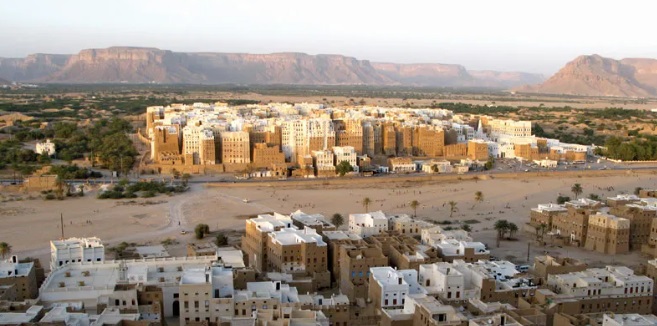
ハドラマウト(Hadramaut)
この時代にハドラマウト王国(Hadhramaut Kingdom)は、ヒムヤル王国(Himyarite Kingdom)およびシバ王国と戦争をしていました。シバ王国(Sheba Kingdom)のシャイルム・アウタール王(King Sha`irum Awtar) (شعرم أوتر)は、225年にその首都シャブワ(Shabwah) (شبوة)を占領しました。この時代にアクスム王国(Kingdom of Aksum)は、南アラビアに介入し始めました。アクスム王(King Aksum)ガダーラート(Gadarat) (غدارات)は、その息子の指揮下に西岸からヒムヤル王国(Himyarite Kingdom)の首都ザファール(Zafar) (ظفار)を占領する為に軍を派遣し、同様にシバ王国(Sheba Kingdom)の同盟国としてのハドラマウト王国(Hadhramaut Kingdom)に対しても南岸から軍を派遣しました。結局、ハドラマウト王国(Hadhramaut Kingdom)は、西暦300年頃に南アラビア王国群を併合しつつあった初代ヒムヤル国王(King Himyarite)シャンマル・ヤリアシュ(Shammar Yahri’sh) (شمر يرعش)によって征服されました。
During this period, Hadhramaut Kingdom was at war with Himyarite Kingdom and Sheba Kingdom. King Sha’irum Awtar (شعرم أوتر) of Sheba Kingdom captured Hadramites’ capital, Shabwah (شبوة), in 225. It was during this period that Kingdom of Aksum began to intervene in South Arabia. Gadarat of King Aksum (غدارات) sent an army, under his son’s command, to capture Zafar (ظفار), capital of Himyarite Kingdom, from Western coast. He also sent another army to Hadhramaut ,which was an ally of Sheba Kingdom, from Southern coast. Eventually, Hadhramaut Kingdom was conquered by Shammar Yahri’sh (شمر يرعش), First King Himyarite, who was annexing Southern Arabian kingdoms around 300 AD.
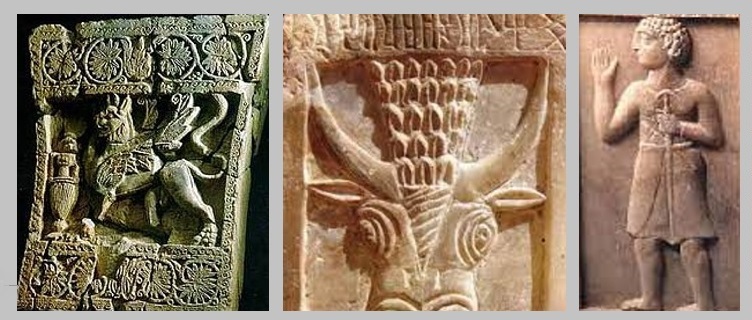
ハドラマウト王国の古代彫刻(Ancient Sculptures of Hadhramaut Kingdom)
B.1.4 カタバーン族
B.1.4 Qatabanians
カタバーン族(Qatabanians) (قتبانية)は、紀元前4世紀に涸れ谷バイハーン(Wadi Baihan) (وادي بيحان)を中心としてカタバーン王国(Qataban Kingdom) (مملكة قتبان)を築きました。この王国は、紀元前1,000年紀後半における最も代表的南アラビア古代王国の1つでした。他の南アラビアの王国と同じ様に祭壇で炊かれる乳香乳香(frankincense)と没薬(ミルラ)(myrrh)の交易で大きな富を得ていました。カタバーン王国(Qataban Kingdom)の首都は、ティムナ(Timna) (تمنة)であり、ハドラマウト王国(Hadhramaut Kingdom)、シバ王国(Sheba Kingdom)およびマイーン王国(Ma’in Kingdom)等、他の南アラビア古代王国を通る交易路に位置していました。カタバーン王国(Qataban Kingdom)の守護神(月の神(Moon-God))は、叔父を意味するアンム(Amm)であった為、その民は、自らアンムの子供達と名乗っていました。カタバーン語(Qatabanian)は、カタバーン人(Qatabaniansが用いたシバ語(Sabaean)でした。この王国は、2世紀の後半にはハドラマウト王国(Hadhramaut Kingdom)によって属領化されてしまいました。
Qatabanians (قتبانية) founded Qataban Kingdom (مملكة قتبان) around Wadi Baihan (وادي بيحان) in 4th century BC. This kingdom was one of the most representative ancient South Arabian kingdoms in late first millennium BC. Like other South Arabian kingdoms, they gained great wealth from trade of frankincense and myrrh, which were burn on altars. Qataban Kingdom’s capital was Timna (تمنة). Timna was located on trade route through other ancient Southern Arabian kingdoms, such as Hadhramaut Kingdom, Sheba Kingdom and Ma’in Kingdom. Moon-God of Qataban Kingdom was Amm, meaning uncle, so its people called themselves Amm’s children. Qatabanian language was Sabaean language used by Qatabanians. This kingdom became to a dependent of Hadhramaut Kingdom in 2nd half of 2nd century.
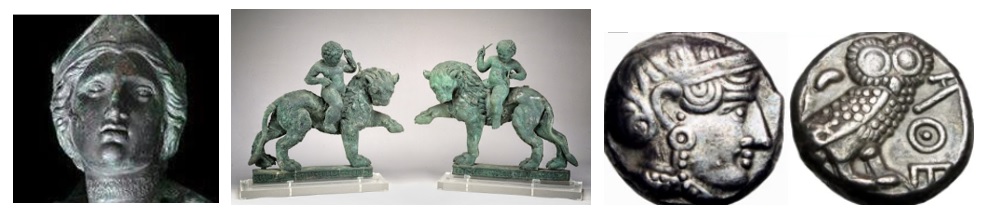
カタバーン王国(Qataban Kingdom)
B.2 ヒムヤル族
B.2 Himyar
ヒムヤル族(Himyar Tribe) (قبيلة حمير)((Himyarites) (حمير))は、アラビア西南部およびアフリカ対岸にいた古代人です。高度な文明を持ち、セム族に属するエチオピア語に近いアラビア方言を話していました。現在でもアラビア南部にその子孫が残っています。ヒムヤル(Himyar) (حمير)は、シバ族(Sabaeans) (السبأيون)の始祖シバ(Sheba)(サバ(Saba))(سبأ)の2人の息子の1人です。カフターン部族(Qahtan Arabs) (العرب قحطان)を2分するヒムヤル(Himyar)の子孫は、紀元前110年頃に古代南アラビアの王国の1つであるヒムヤル王国(Himyarite Kingdom) (مملكة الحمير)を建国しました。
Himyar Tribe (قبيلة حمير) were ancient people from Southwestern Arabia and its opposite shore in Africa. It is also known as Himyarites (حمير). It had an advanced civilization and spoke an Arabic dialect close to Ethiopian, which belonged to Semitic language. Even today, its descendants remain in Southern Arabia. Himyar (حمير) was one of two sons of Sheba (سبأ), founder of Sabaeans Tribe (السبأيون). Descendants of Himyar, who split Qahtan Arabs (العرب قحطان) in two, founded Himyarite Kingdom (مملكة الحمير) around 110 BC.

ヒムヤル王国の 首都 「ザファール」(Himyarite Kingdom’s Capital “Zafar“)
ヒムヤル王国(Himyarite Kingdom)は、紀元前25年にシバ王国(Sheba Kingdom) (مملكة سبأ)を倒し、西暦50年にはカタバーン王国(Qataban Kingdom) (مملكة قتبان)、西暦100年にはハドラマウト王国(Hadhramaut Kingdom) (مملكة حضرموت)を倒しました。この王国は、政治的にはシバ王国(Sheba Kingdom) (مملكة سبأ)同様に盛衰を繰り返していましたが、西暦280年頃に覇権が固まって西暦525年までアラビア南西部で栄えました。その財政は、農業と漁業で支えられ、その富は乳香と没薬の外国交易で得られていました。この王国は、長年に渡り東アフリカとローマ帝国(Roman Empire) (27 BC~AD 395)等の地中海世界を結ぶ中継貿易の主要な役割も担っていました。アフリカ交易では象牙が主要交易品であり、ヒムヤル族(Himyar)の交易船は東アフリカ海岸を航行し、東アフリカの港も支配していました。
This kingdom is also one of Ancient South Arabian kingdoms. Himyarite Kingdom overthrew Sheba Kingdom (مملكة سبأ) in 25 BC. It subsequently defeated Qataban Kingdom (مملكة قتبان) in 50 AD, and Hadhramaut Kingdom (مملكة حضرموت) in 100 AD. Politically, Himyarite Kingdom went on and off like Sheba Kingdom (مملكة سبأ), but its hegemony was consolidated around 280 AD. It then flourished in Southwestern Arabia until 525 AD. Its finances were supported by agriculture and fishing, and its wealth was derived from foreign trade in frankincense and myrrh. For many years, this kingdom also played a major role in transit trade between East Africa and Mediterranean world, such as Roman Empire (27 BC~AD 395). Ivory was main trade commodity in African trade, and Himyar Tribe’s trading ships sailed along East African coast and also controlled East African ports.
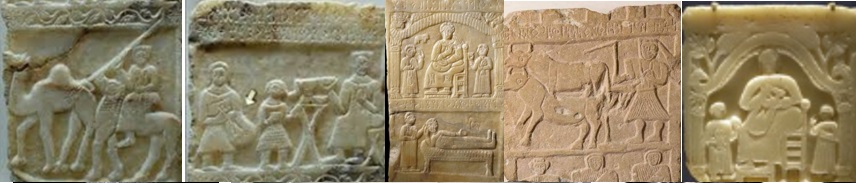
ヒムヤル王国(Himyarite Kingdom)
最後の支配者ユースフ・ズー・ヌワース王(Yousuf Dhu Nuwas) (517~525) (يوسف ذو نواس)がユダヤ教に改宗し、同王統治下のヒムヤル王国(Himyarite)内に居住していたエチオピアのアクスム派キリスト教徒(Aksumite Christians) (مسيحيو أكسوميت)へ戦いを挑みました。この戦いは、「ナジュラーンの虐殺 (Massacre of Najran) (AD 523) (مذبحة نجران)」として有名であり、同王は、更に他のエチオピア人やヒムヤル人(Himyarites)のキリスト教徒をザファール(Zafar) (ظفار)(現在のイブ(Ibb) (إب))でも虐殺しました。ユスティヌス1世 (Justin I) (r.518~527)は、この出来事をエチオピアのアクスム王国(Kingdom of Aksum) (Axum, c.100 ~c.940) (مملكة أكسوم)のカーリブ王(King Kaleb) (r.514~542) (الملك كالب)に通報し、対応を要求しました。西暦525年頃にカーリブ王(King Kaleb)は、ヒムヤル王国(Himyarite Kingdom)に侵入し、ユダヤ教徒のズー・ヌワース王(King Dhu Nuwas)を打倒しました。この最初の勝利は、アクスム王国(Kingdom of Aksum)の将軍アブラハ(Abrahah al-Ashram) (d.570) (أبرهة الحبشي)に奪われましたが、アブラハ(Abraha or Abrahah)はヒムヤル王国(Himyarite Kingdom)へのアクスム王国(Kingdom of Aksum)の宗主権を認めたので、その支配は、西暦570年まで続いていました。
Its last ruler, Yousuf Dhu Nuwas (517~525) (يوسف ذو نواس), converted to Judaism. He then fought against Ethiopian Aksumite Christians (مسيحيو أكسوميت), who lived in Himyarite kingdom under his rule. This battle is known as Massacre of Najran (AD 523) (مذبحة نجران). He also massacred other Ethiopians and Himyarites Christians in Zafar (ظفار) (now Ibb (إب)). Justin I (r.518~527) described this event to King Kaleb (r.514~542) (الملك كالب) of Kingdom of Aksum (c.100 ~c.940) (مملكة أكسوم) in Ethiopia, and requested a response. Around 525 AD, King Kaleb invaded Himyarite Kingdom and overthrew Jewish King Dhu Nuwas. This first victory was taken by Abrahah al-Ashram (d.570) (أبرهة الحبشي). He was one of generals of Kingdom of Aksum. Nevertheless, since Abraha (Abrahah) recognized suzerainty of Kingdom of Aksum to Himyarite Kingdom, its rule lasted until 570 AD.
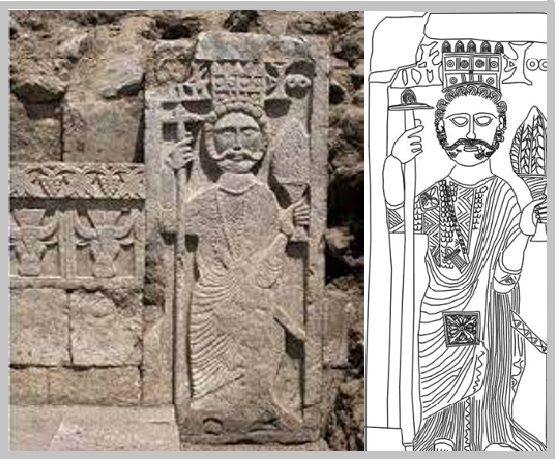
ユースフ・ズー・ヌワース王(Yousuf Dhu Nuwas)
B.2.1 クダーア族
B.2.1 Quda’a Tribe
クダーア族(Quda’a) (قضاعة)は、カフターン部族(Qahtan Arabs)ヒムヤル族(Himyar Tribe)の支族であり、カルブ族(Kalb) (كلب)やハルブ族(Harb) (حرب)をその一門に持っています。北西アラビアやシリアに強力な部族同盟を作りましたが、クダーア族(Quda’a) の詳細は余りわかってはいません。キリスト教徒なので、ヒムヤル族のユダヤ化に伴い、南アラビアから北西アラビアに移住したと思われます。
Quda’a Tribe (قضاعة) is a branch of Himyar Tribe of Qahtan Arabs, with Kalb Tribe (كلب) and Harb Tribe (حرب) in its own family. They had established strong tribal alliances in Northwestern Arabia and Syria, but details of Quda’a Tribe are not well known. Since Quda’a Tribe was Christians, it is thought to have migrated from Southern Arabia to Northwestern Arabia as Himyar tribe became Judaized.
B.2.1.a カルブ族
B.2.1.a Kalb Tribe
カルブ族(Kalb) (كلب)は、ヒムヤル族(Himyar Tribe)の支族クダーア族(Quda’a)の一門です。キリスト教を信仰しており、イスラームの台頭期にはドゥーマ・ジャンダル(Dumat al-Jundal ) (دومة الجندل)とその周辺のみならず遠く北西アラビアのタブーク(Tabuk) (تبوك)にもその覇権を広げていました。イスラームの台頭期にヒムヤル族(Himyar Tribe)は、カルブ族(Kalb)を支配する為にキンダ族(Kindah) (كندة)出身のウハイディル・イブン・アブドゥルマリク(al-Ukhaidir bin ‘Abd al-Malik) (الأخيضر بن عبد الملك)をドゥーマ・ジャンダル(Dumat al-Jundal )の王として任命し、ドゥーマ・ジャンダル(Dumat al-Jundal )は、その支配の下にありました。
Kalb Tribe (كلب) is a branch of Quda’a Tribe, which is a branch of Himyar Tribe. It believed in Christianity. During rise of Islam, it extended its hegemony not only to Dumat al-Jundal (دومة الجندل) and its surroundings, but also to Tabuk (تبوك) in faraway Northwestern Arabia. During rise of Islam, Himyar Tribe appointed al-Ukhaidir bin ‘Abd al-Malik (الأخيضر بن عبد الملك) as king of Dumat al-Jundal. Because of this, Dumat al-Jundal was under rule of Al-Ukhaidir who was from Kindah Tribe (كندة).

カルブ族の最も古い住居地は、アラビア北西部のドゥーマ・ジャンダル周辺でした 。
Kalb’s oldest-known dwelling areas were around Dumat al-Jandal in Northwestern Arabia.
ウハイディル(al-Ukhaidir)は、現在の南イラクのヒーラ(Hirah) (حيرة)地方のドゥーマ(Dumat) (دومة)と呼ばれる町に兄弟と住んでいました。ウハイディル(al-Ukhaidir)と兄弟達は、沙漠にカルブ族(Kalb)の叔父を訪ねるのが常でした。その旅行に使ったコースの一つで、石造りの僅かな壁だけが残る荒廃し見捨てられた町に行き着きました。アラブは、石をジャンダル(Jundal) (جندل)と呼びます。伝説によれば兄弟達は、そこに町を築き、オリーブを植えました。自分達のヒーラ(Hirah)での町の名であるドゥーマ(Dumat)とたくさんの石に因んでドゥーマ・ジャンダル(Dumat al-Jundal )と名付け、定住しました。
Al-Ukhaidir lived with his brother in a town called Dumat (دومة) in Hirah (حيرة), region of present-day southern Iraq. Al-Ukhaidir and his brothers used to visit Kalb Tribe’s uncle in desert. One of routes they took on their journey led them to a ruined and abandoned town with only a few s24tone walls remaining. Arabs call stone Jundal (جندل). According to legend, this brother built a town there and planted olives. They named it Dumat al-Jundal, after their town in Hirah, Dumat and many stones, and they settled there.
ウハイディル(al-Ukhaidir)は当時の大勢力であったビザンチン帝国(Byzantine Empire) (330 or 395~1453) (الإمبراطورية البيزنطية)やサーサーン朝ペルシア(Sasanian Empire) (224~651) (الإمبراطورية الساسانية)と連携を保っていました。ムスリム軍指揮官ハーリド・イブン・ワリード(Khalid ibn al-Walid) (c.592~642) (خالد بن الوليد)が西暦633年にドゥーマ・ジャンダル(Dumat al-Jundal )を攻撃していた時にウハイディル(al-Ukhaidir)は、ビザンチン帝国(Byzantine Empire)側の一勢力として ビザンチン帝国(Byzantine Empire)との国境地帯における部族が盟主としたガッサーン朝(Ghassanids) (غساسنة)と同盟し、その王ジャバラ・イブン・アイハム(Jabalah ibn-al-Aiham) (جبلة بن الأيهم)やその首長ジューディー・イブン・ラビーア(Judiyy bin Rabi’a) (جودي بن ربيعة)と密接な協力関係を持っていました。ウハイディル(al-Ukhaidir)は、ビザンチン帝(Byzantine Emperor)ヘラクレイオス(Heraclius) (610~641)を主君として受け入れていたので予言者ムハンマド(Prophet Muhammad) (النبي محمد)のドゥーマ・ジャンダル(Dumat al-Jundal )への最初の遠征は、ローマ帝国(Roman Empire) (27 BC~AD 395) (الإمبراطورية الرومانية)への攻撃を意味していました。ウハイディル(al-Ukhaidir)は、ヒジュラ暦(تقويم هجري) (Hijri calendar) 12年(西暦633年)に回教徒指揮者(Muslim conductor) (موصل مسلم)ハーリド・イブン・ワリード(Khalid ibn al-Walid)に征服されました。ハーリド・イブン・ワリードは、「アッラーの剣(Sword of God) (سيف الله)」と呼ばれた有名な武将です。
Byzantine Empire (330 or 395~1453) (الإمبراطورية البيزنطية) and Sasanian Empire (224~651) (الإمبراطورية الساسانية) were major powers at that time. Al-Ukhaidir maintained ties with both Byzantine and Sasanian Empires. Khalid ibn al-Walid (c.592~642) (خالد بن الوليد) of Muslim conductor (موصل مسلم) attacked Dumat al-Jundal in 633 AD. At this time al-Ukhaidir was allied with Ghassanids (غساسنة). Ghassanids were leaders of tribes living in Byzantine Empire’s Border. These tribes were part of Byzantine Empire’s Military Power. Al-Ukhaidir had a close relationship with their king, Jabalah ibn-al-Aiham (جبلة بن الأيهم) and their chieftain Judiyy bin Rabi’a) (جودي بن ربيعة). Al-Ukhaidir had accepted Heraclius (610~641), Byzantine Emperor, as his lord. Thus, Prophet Muhammad’s (النبي محمد) premier expedition to Dumat al-Jundal meant an attack on Roman Empire (27 BC~AD 395) (الإمبراطورية الرومانية). Al-Ukhaidir was conquered by Muslim conductor (موصل مسلم) Khalid ibn al-Walid in Hijri calendar 12 (633 AD). Khalid ibn al-Walid was well-known warlord who was called “Sword of God (سيف الله)”.

ハーリド・イブン・ワリード(Khalid ibn al-Walid)
B.2.1.a.1 シルハーン族
B.2.1.a.1 Sirhan
10世紀にはナフード沙漠(An Nafud Al Kabir) (النفود الكبير)の覇権は、カルブ族(Kalb) (كلب)からタイイ族 (Tayy) (طيء)に渡りました。涸れ谷シルハーン(Wadi’l-Sirhan) (وادي السرحان)とジャウフ(Jawf or Jouf) (جوف)に広がる地域でのタイイ族(Tayy)の覇権は、13世紀から15世紀まで続きました。その後もジャウフ(Jawf or Jouf)ではタイイ族(Tayy)支族のファドル族(Fadl) (فضل)の流れであるアムル族(‘Amr) (عمرو)の覇権が18世紀まで続いていました。その一方で、カルブ族(Kalb)の支族シルハーン族(Sirhan) (السرحان)は、18世紀まで涸れ谷シルハーン(Wadi’l-Sirhan)を支配していました。その後にシルハーン族(Sirhan)は、幾つかの分派を残して北方のヨルダンやパレスチナへと移住して行きました。
In 10th century, supremacy of An Nafud Al Kabir (النفود الكبير) passed from Kalb Tribe (كلب) to Tayy Tribe (طيء). Tayy Tribe’s hegemony in areas of Wadi’l-Sirhan (وادي السرحان) and Jawf (Jouf) (جوف) lasted from 13th to 15th centuries. In Jawf (Jouf), supremacy of ‘Amr Tribe (عمرو), a branch of Fadl Tribe (فضل) of Tayy Tribe, continued until 18th century. On other hand, Sirhan Tribe (السرحان) belonging to Kalb Tribe had been dominating its supremacy in Wadi’l-Sirhan until 18th century. Afterwards leaving several offshoots there, Sirhan Tribe moved north to Jordan and Palestine.

涸れ谷シルハーン(Wadi’l-Sirhan)
B.2.1.b. ハルブ族
B.2.1.b Harb Tribe
ハルブ族(Harb) (حرب)の系譜は、カフターン部族(Qahtan Arabs)ヒムヤル族(Himyar Tribe) クダーア族(Quda’a)に属し、ハルブ族(Harb)の始祖は、ハルブ・イブン・サアド・イブン・サアド・イブン・ハウラン・イブン・アムル・イブン・クダーア・イブン・ヒムヤル・カフターン(ヨクタン)(Harb ibn Saad ibn Saad ibn Khawlan ibn Amr ibn Qadha’ah ibn Himyar ibn Qahtan) (حرب بن سعد بن سعد بن خولان بن عمرو بن قضاعة بن حمير بن قحطان)です。カフターン部族(Qahtan Arabs)が同族であるバヌー・ラビーア・ビン・サアド族(Banu Ar Rabi’ah ibn Saad) (بنو الربيعة بن سعد)との何回かの戦いの後のヒジュラ暦(Hijri calendar) 131年(西暦749年)頃にアラビア半島南部から水と土地も求めてヒジャーズ(Hijaz) (حجاز)に移住したのに伴い、ハルブ族(Harb)も同時代のヒジュラ暦(Hijri calendar) 2世紀頃(西暦8世紀頃)からヒジャーズ(Hijaz)へ移住し始めました。
Lineage of Harb Tribe (حرب) belongs to Quda’a Tribe, a branch of Himyar Tribe of Qahtan Arabs. Ancestor of Harb Tribe was Harb ibn Saad ibn Saad ibn Khawlan ibn Amr ibn Qadha’ah ibn Himyar ibn Qahtan (حرب بن سعد بن سعد بن خولان بن عمرو بن قضاعة بن حمير بن قحطان). Qahtan Arabs fought several battles with his cognate Banu Ar Rabi’ah ibn Saad Tribe (بنو الربيعة بن سعد). Qahtan Arabs later migrated to Hijaz (حجاز) from Southern Arabian Peninsula around 131 of Hijri calendar (749 AD) in search of water and land. Along with this, Harb Tribe also began to migrate to Hijaz from around 2nd century of Hijri calendar (8th century AD).
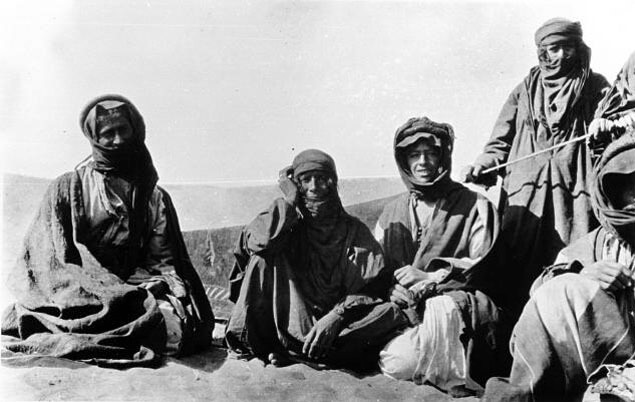
ハルブ族(Harb Tribe)
B.2.1.c バヌー・ラビーア・ビン・サアド族
B.2.1.c Banu Ar Rabi’ah ibn Saad Tribe
バヌー・ラビーア・ビン・サアド族(Banu Ar Rabi’ah ibn Saad) (بنو الربيعة بن سعد)については詳しいことは分かりません。8世紀前半に親族のカフターン部族(Qahtan Arabs)と何度か争い、カフターン部族(Qahtan Arabs)がヒジャーズ(Hijaz)に移住する要因となりました。
Banu Ar Rabi’ah ibn Saad Tribe (بنو الربيعة بن سعد) is not known in details. In first half of 8th century, it had several conflicts with Qahtan Arabs from whom it originated, 24these conflicts contributed to migration of Qahtan Arabs to Hijaz.
 Desert peninsula