48-1 支配体制その2


アラビア半島七カ国の支配体制
Governing system of Seven countries on Arabian Peninsula
小目次 (Subindex)
前書き
Preface
アラビア半島の七カ国それぞれの現状を概観しましたところで、各国の政治体制をここに紹介します。各国の政治体制は、イエメン以外は、基本的に絶対君主制です。イエメンでさえ内戦の混乱により事実上の独裁政治体制を採用しました。ここでの説明は主に各国の憲法に相当すると言われる基本法に基づいています。イエメンには基本法がないため、その統治機関として基本法ではなく大統領指導会議制度を説明しました。
絶対君主制の下では、政治体制としての基本法はいつでも統治者によって変更または廃止される可能性があることに留意してください。
After reviewing current situation each of Seven countries of Arabian Peninsula, Political systems of each country are presented here. They are fundamentally Absolute Monarchy System except Yemen. Even Yemen adopted an de fact autocratic political system because of its civil war confusion. Those explanations here are mainly based on a Basic Law, which is said to be equivalent of a constitution for each country. As Yemen does not have a Basic Law, System of Presidential Leadership Council is explained as its governing body instead of a Basic Law.
Please remind that Basic Law as Political System, can be changed or abolished by a ruler under Absolute Monarchy System in any time.
サウジアラビアの政治体制
Political System of Saudi Arabia

項目 (Items)
| 統治 | Governance |
| 国家の権威 | Authorities of State |
| 司法権 | Judicial Authority |
| 行政権 | Executive Authority |
| 規制当局 | Regulatory Authority |
統治
Governance
君主制は統治のための政治体制です。国王は、建国者アブドゥルアズィーズ・ビン・アブドゥルラフマン・アル・サウード(Abdulrahman Al Saud) (1875~1953) (عبد العزيز بن عبد الرحمن آل سعود),の息子 達とその子孫の中から選ばれます。
皇太子は、職務に専念し、国王から委任されたその他の職務を遂行します。国民は国王に忠誠の誓い(pledge of allegiance) (bay’a) (بيعة)をし、困難なときも安穏なときも忠誠を誓います。
政府は、「全能の神の書(Book of God) (كتاب الله تعالى)」と「預言者のスンナ(Sunna of Prophet) (سنة رسوله)」から権威を得ており、これらがこの法律と王国の他の法律の最終的な参照元です。統治は、イスラーム法シャリーア(Islamic Sharia) (الشريعة الإسلامية)に従った正義、協議(shura) (الشورى)、平等に基づいています。
Monarchy is ruling system. King shall be from amongst sons of Founder Abdulaziz bin Abdulrahman Al Saud (1875~1953) (عبد العزيز بن عبد الرحمن آل سعود), and their descendants.
Crown Prince shall devote himself exclusively to his duties and shall perform any other duties delegated to him by King. Citizens shall give pledge of allegiance (bay’a) (بيعة) to King, professing loyalty in times of hardship and ease.
Government derives its authority from Book of God (كتاب الله تعالى) and Sunna of Prophet (سنة رسوله), which are ultimate sources of reference for this law and other laws of Kingdom. Governance is based on justice, Shura (الشورى) and equality according to Islamic Sharia (الشريعة الإسلامية).
国家の権威
Authorities of State
国家の権威は、司法権、行政権、規制権から成ります。国王は、これらの権威の最終的な裁定者です。
サウジアラビア王国におけるファトワ(発令) fatwas (الإفتاء)の源泉(参照元)は、全能の神の書 (كتاب الله تعالى) とその使徒である預言者の慣行や範例(スンナ(Sunna of Prophet (سنة رسوله))です。
Authorities of State consist of Judicial Authority, Executive Authority and Regulatory Authority. King is ultimate arbiter for these Authorities.
Source of fatwas (الإفتاء) in Kingdom of Saudi Arabia is Book of God Almighty (كتاب الله تعالى) and Sunnah of his Messenger (سنة رسوله).
司法権
Judicial Authority
司法は独立した機関であり、裁判官の判決に対する権限はイスラーム法(Islamic Sharia) (الشريعة الإسلامية).の権限以外にはありません。
訴訟権は王国の国民と居住者に平等に保証されており、制度はそのために必要な手続きを規定しています。裁判所は、コーラン(クルアーン)(Qur’an) (الكتاب)とスンナ(Sunnah) (السنة),に示されている事項、およびコーランとスンナに反しない国王の規則に従って、提起された事件にイスラーム法の規定を適用します。裁判所は、すべての紛争と犯罪を裁定する管轄権を有しています。
国王またはその代理人は、司法判決の実施に責任を負います。制度は、最高司法評議会の構成とその管轄権、および裁判所とその管轄権の配置を規定しています。裁判官は、最高司法評議会の提案に基づいて、国王の命令により任命され、解任されます。
この制度は苦情処理委員会の配置とその権限を規定しています。この制度は調査と検察当局の関係を規定しています。
国王はイスラームの規定に従って合法的に国家の政策を実施し、イスラーム法、規則、王国の一般政策の適用、王国の保護と防衛を監督します。
Judiciary is an independent authority, and there is no authority over judges in their rulings other than authority of Islamic Sharia (الشريعة الإسلامية).
Right to litigation is guaranteed equally to citizens and residents of Kingdom, and system specifies necessary procedures for that. Courts apply provisions of Islamic Sharia to cases brought before them, in accordance with what is indicated by Qur’an (الكتاب) and Sunnah (السنة), and regulations issued by King that do not conflict with Qur’an and Sunnah. Courts have jurisdiction to decide all disputes and crimes.
King or his representative is responsible for implementing judicial rulings. System stipulates Composition of Supreme Judicial Council and its jurisdictions, as well as arrangement of courts and their jurisdictions. Judges are appointed and their service is terminated by royal order, based on a proposal from Supreme Judicial Council.
System specifies arrangement of Board of Grievances and its powers. System stipulates relationship between Investigation and Public Prosecution Authority.
King shall conduct nation’s policy in a legitimate manner in accordance with provisions of Islam, and shall supervise application of Islamic law, regulations, and general policy of Kingdom, and protection and defense of Kingdom.
行政権
Executive Authority
国王は、首相であり、その職務遂行は閣僚会議 (Council of Ministers) (مجلس الوزراء)のメンバーの支援を受けます。内閣制度は、内政および外政、政府機関の組織、およびそれらの調整に関する閣僚会議の権限を定め、また、満たすべき条件も定めています。大臣、権限、彼らに責任を負わせる方法、および彼らのすべての業務。閣僚会議の制度と権限は、この制度に従って改正されます。
国王は、首相の代理および閣僚会議(Council of Ministers) (مجلس الوزراء)のメンバーである大臣を任命し、国王の命令により解任します。副首相および閣僚会議のメンバーである大臣は、イスラーム法、規則、および国家の一般的な政策の実施について国王に対して共同責任を負います。
国王は、大臣、副大臣、上級大臣の階級にある者を任命し、勅令により解任します。大臣および独立部門の長は、首相に対し、自分が率いる省庁および部門について責任を負います。
国王はすべての軍隊の最高司令官であり、将校を任命し、解任する権限を持ちます。国王は、非常事態、総動員、戦争などを宣言します。王国の安全、領土の統一、国民の安全と利益を脅かす、または国家機関の職務遂行を妨げる危険が生じた場合、国王は、この危険に確実に対処するために迅速な措置を講じることができます。国王がこれらの措置を継続すべきと判断する場合、国王はそれらに関して必要な法的措置を講じられます。
国王は、国王および国家元首を受け入れ、国に国王の代表を任命し、国王への国王の代表の信任を受け入れます。
国王は、国王の命令により、皇太子に一部の権限を委任する権利を持っています。国王が国外へ旅行する場合、国王は皇太子に国政を統括し、国民の利益を守るよう命じる勅令を発令します。
King is Prime Minister, and he is assisted in performing his duties by members of Council of Ministers (مجلس الوزراء). Cabinet system sets out powers of Council with regard to internal and external affairs, organization of government agencies, and coordination between them, and it also sets out conditions that must be met. Ministers, powers, method of holding them accountable, and all their affairs. System and powers of Council of Ministers shall be amended in accordance with this system.
King appoints deputies of Prime Minister and ministers who are members of Council of Ministers (مجلس الوزراء) and relieves them by royal order. Deputy Prime Ministers and ministers who are members of Council of Ministers are jointly responsible before King for implementation of Islamic law, regulations, and general policy of state.
King appoints those at rank of ministers and deputy ministers, and those at excellent rank, and relieves them of positions by royal decree. Ministers and heads of independent departments are considered responsible before Prime Minister for ministries and departments they head.
King is Supreme Commander of all military forces, and he is one who appoints officers and terminates their services. King declares a state of emergency, general mobilization, and war, etc. If a danger arises that threatens safety of Kingdom, unity of its lands, security and interests of its people, or hinders state institutions from performing their duties, he may take prompt measures to ensure confronting this danger. If King deems that these measures should continue, he shall take necessary legal measures regarding them.
King receives kings and heads of states, appoints his representatives to states, and accepts accreditation of states’ representatives to him.
King has right to delegate some powers to Crown Prince by royal order. In event that he travels outside Kingdom, King issues a royal order deputizing Crown Prince to manage affairs of state and take care of interests people.
規制当局
Regulatory Authority
規制当局は、イスラーム法シャリーアの規定に従って、国政における利益の達成や腐敗の排除に関する規則や規制を定める責任を負い、この制度と閣僚評議会(Council of Ministers) (مجلس الوزراء)およびシューラ評議会(Shura Council) (مجلس الشورى)の規定に従って権限を行使します。
シューラ評議会が設立され、その規則でその設立方法、権限の行使方法、メンバーの選出が規定されます。国王はシューラ評議会を解散し、再結成する権利を有します。国王はシューラ評議会と閣僚評議会を合同会議に招集することができ、適切と思われる人物をこの会議に招集して適切と思われる事項について議論することができます。
シュラ評議会(Shura Council) (مجلس الشورى)は、マジリス・アシュラ(Majlis ash-Shura) (مجلس الشورى السعودي)またはサウジアラビア諮問議会(Consultative Assembly of Saudi Arabia)とも呼ばれ、サウジアラビアの正式な諮問機関です。これは、サウジアラビアにとって重要な問題について国王に助言する審議議会です。国王と内閣に法案を提案し、それを承認して可決させる権限があります。
シュラ評議会は、150 名の議員で構成され、全員が国王によって任命され、「学者、知識、専門知識、専門家の中から」選ばれます。2013 年以降、女性の割合を最低 20% に設定した後、議会には 150 名の議員のうち 30 名が女性議員になりました。
規則は官報で公表され、別の日付が規定されていない限り、公表日から有効となります。
Regulatory authority is responsible for setting rules and regulations for what achieves interest or eliminates corruption in affairs of state, in accordance with rules of Islamic Sharia, and it exercises its powers in accordance with this system and regulations of Council of Ministers (مجلس الوزراء) and Shura Council (مجلس الشورى).
A Shura Council shall be established, and its bylaws shall specify method of its formation, manner in which it shall exercise its powers, and selection of its members. King has right to dissolve e Shura Council and reconstitute it. King may call Shura Council and Council of Ministers to a joint meeting, and he may invite whomever he deems appropriate to attend this meeting to discuss any matters he deems appropriate.
Shura Council (مجلس الشورى) also known as Majlis ash-Shura (مجلس الشورى السعودي) or Consultative Assembly of Saudi Arabia is formal advisory body of Saudi Arabia. It is a deliberative assembly that advises King on issues that are important to Saudi Arabia. It has the power to propose laws to King and his cabinet to prove it and pass it.
It has 150 members, all appointed by King and chosen “from amongst scholars, those of knowledge, expertise and specialists”. Since 2013, Assembly has included 30 female members out of total of 150 members, after a 20 percent minimum quota for women was imposed.
Regulations shall be published in Official Gazette, and shall be effective from date of their publication, unless another date is stipulated.
アラブ首長国連邦の政治体制
Political System of United Arab Emirates

項目 (Items)
大統領選挙制立憲君主制の絶対君主国連邦
Presidential elective constitutional monarchy of federation of absolute monarchies
アラブ首長国連邦(UAE)は、アブダビ首長国(Emirates of Abu Dhabi) (أبو ظبي)、アジュマーン首長国(Ajman) (عجمان)、ドバイ首長国(Dubai) (دبي)、フジャイラ首長国(Fujairah) (الفجيرة)、ラス・アル・ハイマ首長国(Ras al-Khaimah) (رأس الخيمة)、シャルジャ首長国(Sharjah) (الشارقة)、ウンム・アル・カイワイン首長国(Umm al-Quwain) (أم القيوين)の7つの君主国から構成された連邦国家です。
各首長国は独裁的な部族の首長によって率いられています。全体としては、連邦制の大統領選挙制立憲君主制、つまり絶対君主制の連邦制を採用しています。
United Arab Emirates (UAE) is a federation of seven constituent monarchies, Emirates of Abu Dhabi (أبو ظبي), Ajman (عجمان) , Dubai (دبي), Fujairah (الفجيرة), Ras al-Khaimah (رأس الخيمة), Sharjah (الشارقة), and Umm al-Quwain (أم القيوين).
Each of them is led by an autocratic tribal Amir. As a whole it is taken system of a federal presidential elective constitutional monarchy, that is a federation of absolute monarchies.
連邦最高評議会
Federal Supreme Council
連邦最高評議会 (Federal Supreme Council) (المجلس الأعلى للاتحاد)は、 7 人の各首長国の統治者で構成されます。
連邦最高評議会は大統領と副大統領を選出し、閣僚評議会(Council of Ministers) (مجلس وزراء)、連邦国民評議会(Federal National Council) (المجلس الوطني الاتحادي)、連邦最高裁判所(Federal Supreme Court) (المحكمة الاتحادية العليا)も組織します。
(大統領と副大統領は5年ごとに最高評議会によって選出されます。非公式ではありますが、大統領職は事実上アブダビのアール・ナヒヤーン一族(Al Nahyan clan) (آل نهيان)の世襲制であり、首相職は事実上アル・マクトゥーム一族(Al Maktoum clan) (آل مكتوم)の世襲制です。)
Seven rulers comprise Federal Supreme Council (المجلس الأعلى للاتحاد).
Federal Supreme Council elects a president and a vice-president and also organizes Council of Ministers (مجلس وزراء), Federal National Council (المجلس الوطني الاتحادي) and Federal Supreme Court (المحكمة الاتحادية العليا).
(President and vice-president are elected by Supreme Council every five years. Although unofficial, Presidency is de facto hereditary to Al Nahyan clan (آل نهيان) of Abu Dhabi and Prime minister post de facto is hereditary to Al Maktoum clan (آل مكتوم).)
閣僚評議会
Council of Ministers
閣僚評議会(Council of Ministers) (مجلس وزراء)は、 22 名の閣僚で構成される合議制で、協議によって大統領が選んだ首相が議長を務めます。閣僚評議会は アラブ首長国連邦(UAE) の行政府です。UAE の憲法および連邦法に基づき、UAE のすべての内政および外交問題を管理します。内閣は議長(UAE 首相)と 2 名の副首相および大臣で構成されます。
Council of Ministers (مجلس وزراء) is a collegial consisting of 22 members and is also headed by Prime minister, who is chosen by President with consultation. Council of Ministers is UAE’s executive authority. It manages UAE’s all internal and foreign affairs under UAE’s constitutional and federal laws. Cabinet consists of chairman (UAE’s prime minister) and two deputies and ministers.
連邦国民評議会
Federal National Council
連邦国民評議会(Federal National Council) (المجلس الوطني الاتحادي)は、 40 人の議員で構成される国民議会で、議員の一部は首長国の統治者によって任命され、一部は選挙で選ばれる諮問機関です。20 人の議員は、選挙人団を通じて投票権を持つ首長国国民の 33% によって間接的に選出され、他の 20 人は、各首長国の統治者によって任命されます。
この評議会は UAE の主な諮問機関であり、立法と監督の両方の役割を担っていますが、権限は諮問のみです。とはいえ、統治者が庶民、商人、エリートなど、国民と公開討論を行うのは、この地域の長い伝統となっています。
多くの場合、この討論会は、各首長国の統治者と上級家族によって開催されます。この公開マジリス(majlis) (مجلس)、つまり協議は定期的に開催されます。しかし、統治者は、必要に応じて一般の人々が懸念を向けることができるエミール(emir) (أمير),またはワリー (ولي) を任命することもできます。
この人物の多くは、部族だけでなく統治者からも信頼されている部族の指導者です。
Federal National Council (المجلس الوطني الاتحادي) is a 40-member National Assembly, which is a consultative body whose members are partially appointed by emirate rulers and partially elected. Twenty members are indirectly elected by hand-picked 33% of Emirati citizens who have voting rights through an electoral college, while other twenty are appointed by a ruler of each emirate.
This council is UAE’s main consultative body and has both a legislative and supervisory role but it is only advisory powers. Nevertheless, it has long been regional tradition for rulers to hold open discussions with their people, be they common, merchants or elite.
Often, this forum is held by each emirate ruler as well as senior family members. This open majlis (مجلس), or consultation, is held periodically; however, a ruler may also appoint an emir (أمير), or wali (ولي), to whom concerns may be directed by general population when necessary.
This individual is often considered a leading tribal figure whose trust is placed by his tribe as well as his ruler.
連邦最高裁判所
Federal Supreme Court
連邦最高裁判所(Federal Supreme Court) (المحكمة الاتحادية العليا)は、独立した司法機関です。憲法上完全に独立した機関であり、連邦最高裁判所と第一審裁判所が含まれます。
連邦最高評議会は、大統領を長とする 5 人の裁判官を連邦最高裁判所に任命します。裁判官は、連邦法が合憲かどうかを決定し、首長国間の紛争を調停する責任があります。また、閣僚や連邦高官が関与する事件を審理する権限も持っています。
世俗法が適用されますが、その立法の基礎はシャリーア(Sharia) (الشريعة الإسلامية)(イスラーム法)であり、マリキ学派(Maliki school) (المذهب المالكي)を含む4つの学派のうち3つが関与していますが、ハンバリー学派(Hanbali school) (المذهب الحنبلي)とシャーフィイー学派(Shafi’i school) (المذهب الشافعي)も関与しています。
Federal Supreme Court (المحكمة الاتحادية العليا) is an independent judiciary. It is a constitutionally completely independent body and includes Federal Supreme Court and Courts of First Instance.
Federal Supreme Council appoints five judges headed by a president to Federal Supreme Court. Judges are responsible for deciding if federal laws are constitutional, mediating between inter-emirate disputes. It also possesses its authority to try cases involving cabinet and senior federal officials.
Although secular law is applied, its basis of legislation is Sharia (الشريعة الإسلامية) (Islamic Law) and involves three of four schools including Maliki school (المذهب المالكي), but also Hanbali school (المذهب الحنبلي) and Shafi’i school (المذهب الشافعي).
連邦政府の権限
Responsibilities of Federal Authority
連邦政府の権限の下、外交、安全保障と防衛、国籍と移民問題、教育、公衆衛生、通貨、郵便、電話およびその他の通信サービス、航空交通管制、航空機のライセンス、労使関係、銀行業務、領海の画定、犯罪者の引き渡しなどの責任を負っています。
Under federal authority, responsibilities include foreign affairs, security and defense, nationality and immigration issues, education, public health, currency, postal, telephone and other communications services, air traffic control, licensing of aircraft, labour relations, banking, delimitation of territorial waters and extradition of criminals.
各首長国の権限
Each emirate’s power exercise and jurisdiction
各首長国は、連邦に割り当てられていないすべての権限を行使し、連邦の排他的管轄権に割り当てられていないすべての事項について管轄権を持ちます。
Each emirate exercises all powers not assigned to Federation and has jurisdiction in all matters not assigned to exclusive federation jurisdiction.
イエメンの政治体制
Political System of Yemen
項目 (Items)
臨時停戦と大統領指導評議会
Temporary truce & Presidential Leadership Council (PLC)
2022年4月、国連は、フーシ派(Houthis) (حوثيون)とサウジアラビア主導の連合軍の間で一時停戦を仲介し、大規模な戦闘の長期にわたる休止させ、国境を越えた攻撃の停止させることができました。
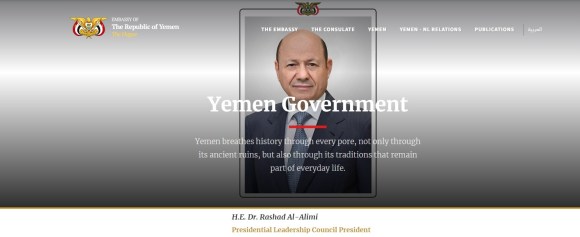
ハーディー大統領(Abdrabbuh Mansur Hadi) (r. 2012~2022) (عبدربه منصور هادي)と副大統領は辞任し、代わりにイエメン大統領と副大統領の行政権を持つ8人からなる大統領指導評議会(Presidential Leadership Council) (مجلس القيادة الرئاسي)が就任しました。
この停戦は、正式には2022年10月に失効していますが、両陣営は、2024年4月末まで大規模な直接衝突を控えてきています。
In April 2022, United Nation brokered a temporary truce between Houthis (حوثيون) and Saudi-led coalition that resulted in an extended pause of large-scale fighting and cessation of cross-border attacks.
President Abdrabbuh Mansur Hadi (r. 2012~2022) (عبدربه منصور هادي) and his vice-president resigned and were replaced by an eight-person Presidential Leadership Council (مجلس القيادة الرئاسي) with Executive powers of Yemen president and vice president.
Although this truce formally expired in October 2022, those parties nonetheless refrained from large-scale, direct conflict through end of April 2024.
大統領指導評議会議長の権限
Powers of PLC Chairman
大統領指導評議会(PLC)議長は、以下の権限と権限をもっています。
(1) 最高軍司令官。
(2) 国内外での共和国代表。
(3) 州知事、治安局長、最高裁判所判事、中央銀行総裁の任命。(但し、首相との協議および大統領指導評議会の合意が必要です。)
(4) 下院による批准を必要としない協定の批准。(但し、閣僚会議の承認は、必要です。)
(5) 法律に従って外交使節団を設置し、大使を任命および召喚すること。
(6) 必要の応じて随時、閣僚会議を招集し、大統領指導評議会議長との合同会議を開催すること。
(7) 憲法および法律に従う非常事態および総動員令の宣言。(但し、大統領指導評議会議議員の3分の2以上の反対があった場合には、この宣言を行う事は、出来ません。)
Chairman of Presidential Leadership Council (PLC) shall have following powers and competences;
(1) Supreme Command of Armed Forces.
(2) Representing Republic at home and abroad.
(3) Appointing provincial governors, security directors, Supreme Court judges, and Governor of Central Bank, after consultation with prime minister, provided that names are agreed upon with members of presidential leadership council
(4) Ratifying agreements that do not need to be ratified by House of Representatives after approval of Council of Ministers.
(5) Establishing diplomatic missions and appointing and summoning ambassadors in accordance with law.
(6) Inviting Council of Ministers to a joint meeting with Chairman of Presidential Leadership Council whenever need arises.
(7) Declaring a state of emergency and general mobilization in accordance with Constitution and law, unless Presidential Leadership Council, by a two-thirds majority, decides not to declare.
大統領指導評議会の代表者8名
Eight persons of PLC
大統領指導評議会の代表者8名は、すでに事実上の国家を形成しているフーシ派を除き、すでに事実上の軍閥となっているイエメンの各地方政府の代表者です。この8名については、以下に紹介します。
Eight persons of President Leadership Council represent are each representative of Yemeni regional governments, which had already become de facto warlords, except Houthis who has already formed a de facto nation. These eight persons are as follows;

| ラシャード・アル=アリーミー(Rashad Muhammad al-Alimi) (b.1954) (رشاد محمد العليمي) アブド・ラッボ・マンスール・ハーディー大統領(President Abdrabbuh Mansur Hadi) (r.2012~2022) (عبدربه منصور هادي)の元顧問です。 | Rashad Muhammad al-Alimi (رشاد محمد العليمي) A former adviser to President Abdrabbuh Mansur Hadi (r.2012~2022) (عبدربه منصور هادي) |
| アイダルース・アル=ズバイディー(b.1967) (Aidarus al-Zoubaidi) (عيدروس الزبيدي) 南部暫定評議会の現大統領兼司令官、そしてイエメン南部運動の事実上の指導者です。 | Aidarus al-Zoubaidi (عيدروس الزبيدي) Current president and commander of Southern Transitional Council and de facto leader of Southern Movement in Yemen |
| ターリク・ムハンマド・サーレハ(Tareq Mohammed Saleh) (b.1970) (طارق محمد عبد الله صالح) イエメン軍司令官で故アリー・アブドラ・サーレハ大統領(late President Ali Abdullah Saleh) (r.1990.~2012) (علي عبدالله صالح)の甥です。ティハーマ抵抗運動および南部運動の巨人旅団と緊密に連携していたイエメン民族抵抗運動の指導者でもあります。 | Tareq Mohammed Saleh (b.1970) (طارق محمد عبد الله صالح) a Yemeni military commander and a nephew of late President Ali Abdullah Saleh (r.1990.~2012) (علي عبدالله صالح). He is leader of Yemeni National Resistance (المقاومة الوطنية اليمنية). It is closely allied with Tihamah Resistance and Southern Movement’s Giants Brigades. |
| スルターン・ビン・アリー・アル=アラーダSultan Ali Al-Arada (b. 1959) (سلطان بن علي العرادة) マーリブ県知事(Governor of Marib Governorate) (محافظة مأرب).。 彼は、部族および軍の著名な人物の一人であり、イエメン改革会議(Al-Islah party) (للإصلاح)の党員です。 | Sultan Ali Al-Arada (b. 1959) (سلطان بن علي العرادة) Governor of Marib Governorate (محافظة مأرب). He is one of prominent tribal and military figures and is a member of Al-Islah party (للإصلاح). |
| アブドッラー・アル=アリミー・バーワジール(Abdullah al-Alimi Bawazeer) (b1979) (عبد الله العليمي باوزير) ハディ大統領(President Abdrabbuh Mansur Hadi) (r.2012~2022) (عبدربه منصور هادي)の側近の一人。 彼は、イエメン改革会議(Al-Islah party9 (للإصلاح)の党員です。 | Abdullah al-Alimi Bawazeer (b1979) (عبد الله العليمي باوزير) One of inner circle of President Abdrabbuh Mansur Hadi (r.2012~2022) (عبدربه منصور هادي). He is a member of Al-Islah party (للإصلاح). |
| アブドッラフマーン・アル=マフラミ(Abd Al-Rahman Al-Mahrami) (b.1980) (عبدالرحمن المحرمي) 彼は、アブー=ザラアAbu Zaraa’a (أبو زرع)として知られ、イエメンのサラフィー(Salafi)派指導者(السلفية)です。彼は、アラブ首長国連邦が支援するイエメン親政府民兵組織で、単に巨大旅団(Giants Brigades) (قوات العمالقة),として知られる南部旅団(Southern Brigades) (الوية العمالقة الجنوبية)の司令官でもあります。 | Abd Al-Rahman Al-Mahrami (b.1980) (عبدالرحمن المحرمي) He is known as Abu Zaraa’a (أبو زرع) and is a Yemeni Salafi leader (السلفية). He is Commander of UAE-backed Southern Brigades (الوية العمالقة الجنوبية), simply known as Giants Brigades (قوات العمالقة), a pro-government Yemeni militia. |
| オスマーン・フセイン・メガリー (Othman Hussein Megali) (b.1970) (عثمان حسين فايد مجلي) フーシ派の主要拠点であるサアダ県(Sa’dah Governorate) (صعدة محافظة)の議員で部族指導者の一人。 | Othman Hussein Megali (b.1970) (عثمان حسين فايد مجلي) A lawmaker and one of tribal leaders in Sa’dah Governorate (صعدة محافظة), Main stronghold of Houthis (حوثيون). |
| Faraj Salmin al-Bahsani (b. 1955) (فرج سالمين البحسني) 政治家で、イエメン軍(Yemeni armed forces) (القوات المسلحة اليمنية).の軍司令官。 彼はハドラマウト県(Hadramaut Governorate) (محافظ محافظة حضرموت الأسبق)の元知事であり、この州で活動する第二軍区(Second military region) (قائد المنطقة العسكرية الثانية سابقا)の元司令官です。 彼は、2023年5月に南部暫定評議会(Southern Transitional Council) (نائپ رئيس المجلس الانتقالي الجنوبي)の副議長に任命されています。 | Faraj Salmin al-Bahsani (b. 1955) (فرج سالمين البحسني) A politician and military commander in Yemeni armed forces (القوات المسلحة اليمنية). He is former Governor of Hadramaut Governorate (محافظ محافظة حضرموت الأسبق) and former commander of Second military region (قائد المنطقة العسكرية الثانية سابقا) that operates in the province. He was appointed as Vice-chairman of Southern Transitional Council (نائپ رئيس المجلس الانتقالي الجنوبي) in May 2023. |
(注)イスラー (للإصلاح)
Note: Al-Islah (للإصلاح)
イスラー (للإصلاح)とはイエメン改革会議 (التجمع اليمني للإصلاح) の略称で、アリー・サーレハの祝福を受けて 1990 年に設立されたイエメンのスンニー派イスラーム主義運動です。
イスラー基本法の第一条は、イスラームを「イスラームの原則と教えに基づいて生活のあらゆる側面の改革を求める大衆的な政治団体」と定義しています。
イスラーは、政党というよりも、部族と宗教のゆるやかな連合体です。
その起源は、米ソ冷戦時代にマルクス主義国家民主戦線と戦うためにサウジアラビアの支援を受けたムスリム同胞団傘下の民兵組織「イスラム戦線」にあります。
1990年のイエメン統一後も、イスラー党はサウジアラビアからの多大な資金援助を受けてきました。
Yemeni Congregation for Reform (التجمع اليمني للإصلاح) is a Yemeni Sunni Islamist movement established in 1990 with Ali Saleh’s blessing.
First article of Islah basic law defines it as “a popular political organization that seeks reform of all aspects of life on basis of Islamic principles and teachings”.
Islah is more of a loose coalition of tribal and religious elements than a political party.
Its origins are in Islamic Front, a Muslim Brotherhood affiliated militia supported by Saudi Arabia to combat the Marxist National Democratic Front during Cold War.
Even after unification of Yemen in 1990 Islah Party has been supported with considerable financial backing from Saudi Arabia.
大統領指導評議会(PLC)の傘下の組織
Organizations under PLC
協議和解委員会(Consultation and Reconciliation Commission) (هيئة التشاور والمصالحة)、法務チーム(Legal Team) (الفريق القانوني)、経済グループ(Economic Group) (الفريق الاقتصادي)が大統領指導評議会(PLC) の傘下に新たに設立されまsita
が、従来の代議院(下院)(مجلسي النواب) とシューラ評議会(上院) (الشورى) も存続しています。
Consultation and Reconciliation Commission (هيئة التشاور والمصالحة), Legal Team (الفريق القانوني), and Economic Group (الفريق الاقتصادي) will be newly formed under Presidential Leadership Council (PLC), while previous Council of Representatives (مجلسي النواب) and Shura Council (الشورى) will remain as well.
協議和解委員会 (CRC)
Consultation and Reconciliation Commission (CRC)
(a) CRC はさまざまな構成をまとめ、PLC を支援し、PLC の取り組みを強化し、すべての勢力間の戦闘と紛争を停止し、イエメン共和国全体で安全と安定を実現する平和を達成するために国防軍を統合および結集する取り組みを行うために設立されました。
(b) 同委員会は、さまざまな国防軍と構成のビジョンと目標を統合し、国家機関の回復とイエメンのアラブ インキュベーター(中小企業の起業支援組織)への帰属の強化に貢献するために活動します。
(c) 委員会は 50 名のメンバーで構成されますが、PLC 議長は 100 名を超えない範囲で追加メンバーを任命できます。
(a) CRC brings together various components and is established to support PLC and to work to unify and gather national forces in order to enhance PLC efforts and to create appropriate conditions for cessation of fighting and conflicts between all forces and to reach peace that achieves security and stability throughout Republic of Yemen.
(b) Commission works to unify visions and objectives of various national forces and components, thus contributing to restoration of State institutions and consolidation of Yemen’s belonging to its Arab incubator.
(c) Commission shall consist of fifty members however PLC chairman can appoint additional members within not exceeding hundred member.
法務チーム
Legal Team
PLC の業務を規定する規則を起草するために、各国の有能な専門家からなる法務チームが結成されます。法務チームは、PLC 議長の要請に応じて、立法および憲法に関する事項に関する助言意見を PLC に提出します。
A legal team of competent national competencies shall be formed to draft rules governing PLC’s work. Legal team may submit its advisory opinion on legislative and constitutional matters to PLC at PLC Chairman’s request.
経済グループ
Economic Group
経済グループは、政府の改革を支援し、助言を提供します。
経済グループは、政府機関の有効性、透明性、誠実性の向上、経済課題の研究、持続可能な開発の基盤の構築、経済開発に必要な計画の策定、経済成長のための促進政策を提案し、国家収入の増加、徴収の効率化、経済基盤の多様化に取り組みます。そのほかに、経済、開発、金融、通貨分野の緊急改革に関して政府および中央銀行に助言します。
このチームは、イエメン共和国の経済および公的財政問題に関する意見と研究を PLC に提出します。
Economic Group shall support government reforms and provide advice.
Economic Group advice to government and Central Bank with regard to urgent reforms in economic, developmental, financial and monetary fields, in addition to working to enhance effectiveness, transparency and integrity in government agencies, studying economic challenges, working to lay foundations for sustainable development, drawing up necessary plans for economic development, offering incentive solutions for economic growth, working to increase state revenues, raising efficiency of collection, and diversifying economic base.
This team presents its opinion and studies to PLC on economic and public financial issues of Republic of Yemen.
オマーンの政治体制
Political System of Oman

項目 (Items)
| 父権主義的な国家概念 | A paternalistic concept of state |
| 統治体制 | Ruling system |
| 国家政策の指針となる原則 | Principles Guiding State Policy |
| スルターン(国家元首) | Sultan (Head of State) |
| 政府 | Government |
| 議会 | Parliament |
| 司法制度 | Judicial system |
父権主義的な国家概念
A paternalistic concept of state
オマーン・スルターン国は、完全な主権を持つアラブ系イスラーム独立国家で、首都は、マスカット(Muscat) (مسقط)に置かれています。
国教はイスラーム教で、イスラーム法(شريعة الإسلامية)が立法の基礎となっています。国語はアラビア語です。
2021年1月の統治者就任1周年に、オマーン国王(Sultan of Oman) (r.2020~) (سلطان عمان) ハイサム・ビン・タリク・アール・サイード(Haitham bin Tariq Al Said) (b.1955 ) (هَيْثَم بْن طَارِق آل سَعِيد)は、既存の基本法を廃止し、旧い基本法と実質的に同様の新しい基本法を公布しました。
新しい法律は、国王を指導者とする父権主義的な国家概念を肯定しています。スルターンは、法律を公布し、批准し、命令への服従を要求する権限を保持しています。新しい基本法の重要な追加事項は、皇太子の設置と男子長子相続の制度化でした
Sultanate of Oman is an Arab Islamic independent state with full sovereignty, and Muscat (مسقط) is its capital.
Religion of the state is Islam, and Islamic Sharia (شريعة الإسلامية) is basis of legislation. Official language of state is Arabic language.
On his first anniversary as ruler in January 2021, Sultan of Oman (r.2020~) (سلطان عمان) Haitham bin Tariq Al Said (b.1955 ) (هَيْثَم بْن طَارِق آل سَعِيد) abrogated existing Basic Law and promulgated a new one, which is substantially similar to previous version.
New law affirms a paternalistic concept of state, with Sultan as its guide. Sultan has authority to promulgate and ratify laws and demand obedience to his orders. Significant addition of new law pertains to establishment of crown prince and institutionalization of male primogeniture.
統治体制
Ruling system
統治体制 (Ruling system) (نظام الحكم)は、スルターンが掌握し、スルターンの地位は、トゥルキー・ビン・サイード・ビン・スルターン(Turki bin Said bin Sultan) (b.1832) (تركي بن سعيد بن سلطان).の男性の子孫を通じて世襲されます。
トゥルキー・ビン・サイードは、マスカット・オマーン国(Sultanate of Muscat and Oman) (1856~1970) (سلطنة مسقط وعمان)のスルターン(Sultan )(r.1871~1888) (سلطان)であり、サイイド(Sayyid)(سيد)サイード・ビン・スルターン(Sa’id bin Sultan( (b.1791) (سعيد بن سلطان)の5番目の息子です。サイード・ビン・スルターンはオマーン帝国(Omani Empire) (1696~1856) (سلطان الإمبراطورية العمانيةのスルターン(Sultan) (r.1804~1856) (سلطان))です。
人物を皇太子に任命するには王室の命令が発せられる。皇太子はスルターンの前で宣誓を行う。スルターンが権限を行使できない一時的な理由がある場合、皇太子が代わりに行使します。
スルターンの権力が21歳未満の人物に継承された場合、スルターンの権力は、スルターンによって任命された摂政評議会(Council of Regency) (مجلس الوصاية)によって行使されます。
スルターンが死去する前に摂政評議会を任命しない場合は、王室評議会(Royal Family Council) (مجلس العائلة المالكة)が摂政評議会を任命します。
王室は、王室評議会と呼ばれる評議会をも他成ればならないが、その構成、統治、責任、および構成員の優先順位は、スルターンの命令により定さられます。
スルターンは、その権限を行使する前に、マジリス・オマーン会議(Majlis Oman) (مجلس عمان)において、王室評議会(Royal Family Council) (مجلس العائلة المالكة)、閣僚評議会(Council of Ministers) (مجلس الوزراء)および最高司法評議会(Supreme Judicial Council) (مجلس الأعلى للقضاء)の構成員の面前で、次の宣誓を行わなければなりません。
「私はアッラー全能の神(Allah Almighty) (الله العظيم)に誓い、国家の基本法と法律(Basic Statute of State and laws) (النظام الأساسي للدولة والقوانين)を尊重し、国民の利益と自由を完全に保護し、国の独立と領土の一体性を維持することを誓います。」
国家は、正義、協議(shura) (شورى)、平等を基礎として統治されます。国民は、公共の問題に参加する権利を有します。
Ruling system (نظام الحكم) is Sultan, hereditary through male descendants of Turki bin Said bin Sultan (b.1832) (تركي بن سعيد بن سلطان).
Turki bin Said was Sultan (r.1871~1888) (سلطان) of Sultanate of Muscat and Oman (1856~1970) (سلطنة مسقط وعمان), and 5th son of Sayyid (سيد) Sa’id bin Sultan (b.1791) (سعيد بن سلطان). Sa’id bin Sultan was Sultan (r.1804~1856) (سلطان) of Omani Empire (1696~1856) (سلطان الإمبراطورية العمانية).
A royal order shall be issued to appoint person as crown prince. Crown prince shall take his oath before Sultan. In an event of a temporary cause that prevents Sultan from exercising his authorities, Crown prince shall take his place.
If Sultan’s thorn is passed to a person under age of twenty-one, Sultan’s powers shall be exercised by Council of Regency (مجلس الوصاية) appointed by Sultan.
If Sultan does not appoint Council of Regency prior to his death, Royal Family Council (مجلس العائلة المالكة) shall appoint Council of Regency.
Royal family shall have a council named “Royal Family Council” whose formation, governance, responsibilities, and precedence of membership shall be specified by royal order.
Sultan shall, prior to exercising his authorities, take following oath in a session before Majlis Oman (مجلس عمان) and in presence of members of Royal Family Council (مجلس العائلة المالكة), Council of Ministers (مجلس الوزراء), and Supreme Judicial Council (مجلس الأعلى للقضاء).
“I swear by Allah Almighty (الله العظيم) to respect Basic Statute of State and laws (النظام الأساسي للدولة والقوانين), to fully protect interests and freedoms of citizens, and to preserve independence of country and its territorial integrity.”
State is ruled on basis of justice, shura (شورى), and equality. Citizens have right to participate in public affairs.
国家政策の指針となる原則
Principles Guiding State Policy
(政治原則)
国家の政治原則は、独立と主権の維持、すべての州および国民との協力関係の強化と友好関係の確認、健全な協議の柱(shura pillars)の確立と健全な行政体制の確立を旨とします。
(経済原則)
国家の経済原則は、経済活動の自由の保証、天然資源の保護と活用、必要な設備を備えた投資の奨励、貯蓄の奨励、公共財産の不可侵性の維持、私有財産の保護、イスラーム法(Islamic Sharia)による相続の保証、財産の一般的な没収の禁止、社会正義に基づく税金と賦課金の導入から成ります。
(社会原則)
国家の社会原則は、正義、平等、相互扶助と慈悲、愛国心、結束、安定、統合、社会保障、連帯、医療、環境とその生態系均衡保護、労働権、譲渡不可能な慈善寄付 (awqaf) (أوقاف)または慈善事業基金供出(waqf) (وقف)) などから構成されます。
(文化原則)
国家の文化原則は、教育、文盲との闘い、自治、自由、国家遺産の保護などから構成されます。
(安全保障原則)
国家の安全保障原則は、平和と安全から構成されます。これらのために、国家は軍隊、公安機関、およびその他の部隊を設立します。
(公的権利と義務)
生命と尊厳はすべての人間の権利であり、国家はそれらを尊重し保護することに尽力します。
(Political Principles)
Political principles of state consist of Preserving independence and sovereignty, Strengthening ties of cooperation and affirming bonds of friendship with all states and nations, Laying down sound shura pillars and Establishing a sound administrative system.
(Economic Principles)
Economic principles of state consist of Guaranteeing freedom of economic activity, Preserving & Exploiting Natural wealth and its resources, Encouraging investment with necessary facilities, Encouraging saving, Keeping public property inviolable, Protecting private property, Guaranteeing inheritance governed by Islamic Sharia, Prohibiting general confiscation of property, Basing taxes and dues on social justice.
(Social Principles)
Social principles of state consist of Justice, Equality, Mutual support and Compassion, Patriotism, Cohesion, Stability, Consolidation, Social security, Solidarity, Healthcare, Protecting environment and its ecological balance, working right, Inalienable charitable endowment (awqaf (أوقاف) or waqf (وقف)), etc.
(Cultural Principles)
Cultural principles of state consist of Education, Combating illiteracy, Autonomy, Freedom, National heritage protection, etc.
(Security Principles)
Security principles of state consist of Peace and Safety. For them, state establishes Armed forces, Public security agencies, and any other forces.
(Public Rights and Duties)
Life and dignity are a right for every human, and state shall be committed to respecting and protecting them.
スルターン(国家元首)
Sultan (Head of State)
スルターン (Sultan) (سلطان) は、国家元首であり、最高代表者であり、最高司令官です。スルターンは、国家統一の象徴であり、国家の用心深い守護者であり保護者です。
スルターンは、国の独立と領土保全を維持し、国家を脅かすあらゆる危険に対抗するために迅速な措置を講じます。
スルターンは、閣僚会議、専門会議(Specialised councils) (مجالس المتخصصة)を自ら主宰するか、それらを主宰する人物を任命します。
スルターンは国家の行政機構の設立および廃止を行います。
スルターンは副首相、大臣、上級裁判官およびそれらと同等の者を任命し、あるいは解職します。
スルターンは非常事態、総動員、戦争、および調停を宣言します。
スルターンは、」法律を批准および公布し、国際条約および協定に署名します。
Sultan (سلطان) is head of state, its most supreme representative, and its supreme commander. He is symbol of national unity and vigilant guardian and protector of state.
Sultan shall preserve independence of country and its territorial integrity, and take prompt measures to counter any danger threatening state
Sultan shall preside over Council of Ministers, Specialised councils (مجالس المتخصصة) or appointing a person to preside over them.
Sultan shall establish regulating, and abolishing units of administrative apparatus of state.
Sultan shall Appoint deputy prime ministers, ministers, senior judges and their equivalent, and relieving them of their office.
Sultan shall declare a state of emergency, general mobilisation, war, and conciliation.
Sultan shall ratify and promulgating laws, sign international treaties and agreements.
政府
Government
(閣僚会議)
閣僚会議(Council of Ministers) (مجلس الوزراء)は、国家の公共政策を実施することを委ねられた機関であり、特に以下のことを行います。
国家の関心事に関する勧告をスルターンに提出します。
国民の利益を保護し、国民に必要なサービスが利用可能であることを保証します。
総合的な開発の一般的な目的と方針、および必要な手順を決定します。
管轄当局が作成した開発計画を議論します。
省庁による提案を議論します。
国家の行政機関の機能を監視します。
法律、勅令、規則、決定、条約、協定、裁判所の判決などの一般的な実施を監視します。
首相は会議の会議を主宰する。
(専門評議会)
専門評議会(Specialised councils) (مجالس المتخصصة)は、設立され、その権限は定義され、その構成員は、勅令によって任命され、閣僚会議に従属します。
(地方行政)
国の行政区分と地方行政(Local Administration) (إدارة المحلية)との作業の仕組みは、勅令によって統制されます。市町村議会(Municipal councils) (مجالس البلدية)は、規制され、その権限は、法律に従って規定されます。
(政府業績の監視と監査)
スルターンに従属する委員会が設立され、大臣およびそれと同等の者、次官およびそれと同等の者、公的機関および施設の取締役会の議長および構成員、および国家行政機構のその他の部局、ならびにそれらの総裁または執行長の業績を監視および評価する責任を負います。委員会の設立、その作業機構、およびその他の権限は、スルターンの命令によって決定されます。
「国家財務および行政監査機関(Administrative Audit Institution) (جهاز الرقابة المالية والإدارية للدولة)”」という機関が、スルターンの配下に設立されます。
この機関は、法律で定められた方法で、国家およびその他の公的法人の行政機関部局の財務および行政の監視を担当します。
この機関は、年次報告書の写しを閣僚会議(Council of Ministers) (مجلس الوزراء)、諮問議会(下院)(Consultative Council, lower house) (Majlis al-Shura (مجلس الشورى)および国家評議会(上院)(Council of State, upper house) (Majlis al-Dawla (مجلس الدولة العماني)に送付します。
(Council of Ministers)
Council of Ministers (مجلس الوزراء) is body entrusted with implementing public policies of state, and it shall, in particular, undertake followings;
Submitting recommendations to Sultan on matters of concern to state.
Safeguarding interests of citizens and guaranteeing availability of necessary services to them.
Determining general objectives and policies for comprehensive development, and necessary procedures.
Debating development plans prepared by competent authorities.
Debating proposals by ministries.
Overseeing functioning of administrative apparatus of state.
Overseeing generally implementation of laws, royal decrees, regulations, decisions, treaties, agreements, and court judgments, etc.
Prime Minister shall preside over sessions of council.
(Specialised Councils)
Specialised councils (مجالس المتخصصة) are established, their authorities are defined, and their members are appointed by royal decrees, and they shall be subordinate to Council of Ministers.
(Local Administration)
Administrative divisions of state and work mechanisms of Local Administration (إدارة المحلية) shall be governed by royal decrees. Municipal councils (مجالس البلدية) shall be regulated and their competences shall be specified in accordance with law.
(Monitoring and Audit of Government Performance)
A committee shall be established, subordinate to Sultan, responsible for monitoring and evaluating performance of ministers and their equivalent, undersecretaries and their equivalent, chairmen and members of boards of directors of public authorities and establishments and other units of administrative apparatus of state, as well as their presidents or executive presidents. formation of committee, its work system, and its other competences shall be determined by royal order.
An institution named “State Financial and Administrative Audit Institution (جهاز الرقابة المالية والإدارية للدولة)” shall be established subordinate to Sultan.
It shall be responsible for financial and administrative monitoring of units of administrative apparatus of state and other public legal persons in manner prescribed by law.
This institution shall send a copy of its annual report to Council of Ministers (مجلس الوزراء), Majlis Al-Dawla (مجلس الدولة), and Majlis Al-Shura (مجلس الشورى).
議会
Parliament
(オマーン評議会)
オマーンは、スルタンが統治する絶対君主制を維持しています。選挙で選出される政治代表者の範囲はごくわずかです。オマーンには政党も議会もありませんが、二院制の代表機関が政府に助言を行っています。
オマーン議会(Majlis Oman) (مجلس عمان) は、二院制の議会で、諮問議会(下院)(Consultative Council, lower house) (Majlis al-Shura (مجلس الشورى)および国家評議会(上院)(Council of State, upper house) (Majlis al-Dawla (مجلس الدولة العماني)の議員で構成されています。オマーン議会は、オマーンの主要議会とみなされています。スルターンの一般的な政策の策定においてオマーン議会は、政府を支援します。
(諮問評議会)
オマーンの諮問評議会(Consultative Council) (Majlis al-Shura) (مجلس الشورى),の下院の90人の議員は、21歳以上のオマーン人(女性と男性)によって4年ごとに選出されます。国の各県(wilayats) (ولايات)には、少なくとも1つの代表議席が割り当てられています。人口3万人以上の県には2議席が割り当てられています。
諮問議会は、国民と政府省庁の間の情報の伝達役として機能します。それは権限を与えられています。通信や住宅などのサービス省庁が作成した経済・社会法案の草案を審査し、勧告を行います。外交、防衛、安全保障、財政の分野では権限があいません。
諮問評議会(Consultative Council) (Majlis al-Shura)の選挙は、2019年10月に実施され、投票率は、49%で、2015年の57%、2011年の76%から低下しました。
政党は禁止されており、無所属の候補者は、選挙委員会の事前承認を得る必要があります。637人の候補者のうち40人が女性で、そのうち2人が議席を獲得しました。
直近の総選挙は2023年10月に実施され、登録有権者の65.88%が参加しました。全体として、選挙には積極的な参加があり、多様な候補者が諮問評議会議員の地位を争いましたが、女性候補者で議席を獲得できた者は、いませんでした。
(国家評議会)
国家評議会((Council of State) (Majlis al-Dawla (مجلس الدولة العماني) はオマーン評議会の上院であり、17 人の女性を含む 86 人の任命された評議員で構成されています。国家評議会は、政府による全体的な開発戦略の実施を支援し、オマーン社会の根を深くし、成果を維持し、国家の基本法の原則を確認することに貢献します。
(政党と選挙)
オマーンは政党を認めておらず、諮問議会の選挙権を拡大した選挙のみを実施しています。以前は影響力のあった野党運動であるオマーン解放人民戦線は現在活動していません。
(行政区分)
行政上、人口の多い地域は 59 の地区(県) (wilayats (ولايات)) に分割され、地元の紛争の解決、税金の徴収、平和の維持を担当する知事 (walis (ولاة)) が管轄しています。ほとんどの県は、小さいですが、例外は州全体を占めるドファールの県です。ドファールの知事は閣僚級の地位を持つ重要な政府要人であり、他の知事、は内務省の指導の下で県政を運営しています。
(Council of Oman)
Oman remains an absolute monarchy in which sultan reigns and rules. Extent to which political representatives are selected via elections is minimal. Sultanate of Oman has neither political parties nor legislature, although bicameral representative bodies provide government with advice.
Majlis Oman (مجلس عمان) is a bicameral parliament, made up of members of State Council (Majlis al-Dawla) and Consultation Council (Majlis al-Shura). It is considered to be Main Parliament in Oman. It assists government in drawing up general policies of Sultanate of Oman.
(Consultative Council)
90 members of Oman’s Consultative Council (Majlis al-Shura (مجلس الشورى), lower house, are elected every four years by Omanis (women and men) over age of 21. Each of country’s wilayats (ولايات) has at least one representative seat allocated to them. Wilayats with a population of 30,000 or more are assigned two seats.
Consultative Assembly serves as a conduit of information between people and government ministries. It is empowered to review drafts of economic and social legislation prepared by service ministries, such as communications and housing, and provide recommendations. It has no authority in areas of foreign affairs, defense, security, and finances.
Majlis al-Shura elections took place in October 2019, with a 49% turnout, down from 57% in 2015 and 76% in 2011.
Parties are prohibited, and independent candidates require prior approval by an election committee to run. Out of 637 candidates, 40 were women, of whom two won a seat.
Latest general elections took place in October 2023 with participating 65.88% of registered voters. Overall, election saw active participation and a diverse set of candidates vying for positions in Shura Council however no female candidate succeeded to get her seat.
(Council of State)
Council of State (Majlis al-Dawla (مجلس الدولة العماني)) is upper house of Council of Oman and has 86 appointed members including 17 women. Council of State shall assist Government to implement overall development strategy and shall contribute in deepening roots of Omani society, maintaining achievements and ascertaining principles of basic law of state.
(Political parties and elections)
Oman does not allow political parties and only holds elections with expanding suffrage for a consultative assembly. Previously influential opposition movement, Popular Front for Liberation of Oman, is dormant today.
(Administrative divisions)
Administratively, populated regions are divided into 59 districts (wilayats (ولايات)), presided over by governors (walis (ولاة)) responsible for settling local disputes, collecting taxes, and maintaining peace. Most wilayats are small; an exception is Wilayat of Dhofar, which comprises whole province. Wali of Dhofar is an important government figure, holding cabinet rank, while other walis operate under guidance of Ministry of Interior.
司法制度
Judicial system
(司法権)
司法権(Judicial authority) (سلطة القضائية)は、独立しています。司法権は、さまざまな種類と階層の裁判所によって行使され、その判決は法律に従って下されます。
裁判官の判決には、法律以外の権限はありません。裁判官は、法律で指定された場合を除き解任できず、いかなる団体も訴訟や司法問題に介入することは許可されていません。このような介入は、罰せられるべき犯罪です。
判決は、スルターンの名で下され、執行されます。
司法には、裁判所と支援機関の適切な機能を監督する最高評議会(a supreme council) (مجلس أعلى)があります。
軍事司法(Military judiciary) (قضاء العسكري)は、軍隊および治安部隊のメンバーが犯したすべての軍事犯罪を裁定する独占的な管轄権を持つ独立した司法機関です。
(検察)
検察 (Public Prosecution) (الادعاء العام) は、司法機関の一部です。社会の名において公訴を起こし、司法執行の業務を監督し、刑法の施行、犯罪者の起訴、判決の執行を確実にします。
(発令(Fatwa) (فتوى)および立法機関)
法律は、国家およびその他の公的法人の行政機関の省庁部局に法的意見を提供し、法律、規則、決定の草案を作成および審査する発令(Fatwa) (فتوى)および立法機関 (جهة الفتوى والتشريع) の権限を規定します。
法律は、司法機関に対して国家の行政機関およびその他の公的法人の代表者となるための仕組みを規定するものとする。
(弁護)
弁護(محاماة)は、司法権とともに、正義と法の支配の実現、および弁護権の保証に貢献する自由な職業である。弁護士は、良心と法律の規定のみに従って、独立して弁護活動を行うものとする。
(Judicial Authority)
Judicial authority (سلطة القضائية) is independent. It shall be exercised by courts in their various types and hierarchies, and its judgments shall be rendered in accordance with law.
There shall be no power over judges in their ruling except for law. They shall be irremovable except in cases specified by law, and it is not permitted for any entity to interfere in lawsuits or in affairs of justice. Such interference shall be a crime punishable.
Judgments are rendered and executed in Sultan’ name.
Judiciary shall have a supreme council (مجلس أعلى) that oversees proper functioning of courts and support bodies.
Military judiciary (قضاء العسكري) is an independent judicial body with exclusive jurisdiction to rule on all military crimes committed by members of armed forces and security forces..
(Public Prosecution)
Public Prosecution (الادعاء العام) is part of judicial authority. It shall undertake public prosecution in name of society, oversee affairs of judicial enforcement, and ensure implementation of penal laws, prosecution of offenders, and execution of judgments.
(Fatwa (فتوى) and Legislation Body)
Law shall specify competences of Fatwa and Legislation Body (جهة الفتوى والتشريع) that provides legal opinions to units of administrative apparatus of state and other public legal persons and that prepares and reviews draft laws, regulations, and decisions.
Law shall prescribe mechanism for representing units of administrative apparatus of state and other public legal persons before judicial bodies.
(Advocacy)
Advocacy (محاماة) is a free profession that contributes, along with judicial authority, to achieving justice and rule of law, and guaranteeing right to defense. A lawyer shall practise advocacy independently, subject only to his conscience and provisions of law.
カタールの政治体制
Political System of Qatar

項目 (Items)
| 半立憲的世襲君主制 | A semi-constitutional hereditary monarchy |
| 近代的な福祉国家 | A modern welfare state |
| イスラーム法と民法の組み合わせ | Combination of Islamic law & civil law |
| カタールの憲法 | Qatar’s Constitution |
| カタールの司法権 | Judicial authority in Qatar |
半立憲的世襲君主制
A semi-constitutional hereditary monarchy
カタール国(State of Qatar) (دولة قطر)の政治体制は、独裁的に運営される半立憲的世襲君主制です。国家元首は、アル・サーニー家(House of Al Thani) (آل ثاني)の一族であるアミール(Amir) (أمير)で、カタールのほぼすべての行政権と立法権を握り、司法権も掌握しています。アミールは首相 (政府の長) と内閣を任命します。
Political system of State of Qatar (دولة قطر) is a semi-constitutional hereditary monarchy running in an autocratic manner. Its state head is Amir (أمير) who is a family member House of Al Thani (آل ثاني) and holds nearly all executive and legislative authority, as well as controlling judiciary Qatar. He appoints his prime minister (head of government) and cabinet.
近代的な福祉国家
A modern welfare state
政治的には、カタールは伝統的な社会から近代的な福祉国家へと進化しています。政府機関は、社会的および経済的要件を満たすために設立されました。
カタールのユニークさは、独裁体制の下で1996年後半に設立されたカタールを拠点とするアルジャジーラテレビチャンネル(Al Jazeera television channel)などの報道機関の自由を認めていることです。アルジャジーラは、アラブ諸国における検閲のないニュースソースの例として広く認識されています。
政治体制は、ここでは引き続き法制度として説明されます。
Politically, Qatar is evolving from a traditional society into a modern welfare state. Government departments have been established to meet social and economic requirements.
Qatar’s uniqueness is allowing media freedom such as Qatar-based Al Jazeera television channel, which was founded late 1996, under its autocratic system. It is widely regarded as an example of an uncensored source of news in Arab countries.
Political System will continue to be explained here as Legal system.
イスラーム法と民法の組み合わせ
Combination of Islamic law & civil law
カタールは、イスラーム法(Islamic law) (Sharia (الشريعة الإسلامية)と民法(civil law) (Qanun (قانون)の要素を組み合わせた特異な法制度を持っています。カタールの法制度は、2003年に採択され、2005年に発効した憲法に基づいています。憲法は、カタールを立憲君主制とし、首長を国家元首、首相を政府の長と定めています。憲法はまた、司法の独立、権力の分立、法の支配、人権と自由の保護を保証しています。
カタールの法制度の主な特徴と特性は、「カタールの憲法」、「カタールの司法権」、「カタールの法律」、「カタールの立法成立過程」、「カタールの法制度の二重性」、「カタールのシャリーア法」などの各サブセクションで述べます。
Qatar has a unique legal system that combines elements of Islamic law (Sharia) (الشريعة الإسلامية) and civil law (Qanun (قانون)). Qatar’s legal system is based on its constitution, which was adopted in 2003 and came into force in 2005. Constitution establishes Qatar as a constitutional monarchy, with Emir as head of state and Prime Minister as head of government. Constitution also guarantees independence of judiciary, separation of powers, rule of law, and protection of human rights and freedoms.
Main features and characteristics of Qatar’s legal system will be explored in each subsection such as “Qatar’s constitution”, “Judicial authority in Qatar”, “ Laws in Qatar”, “Process of law-making in Qatar”, “Qatar’s duality of legal system” and “Sharia law in Qatar”.
カタールの憲法
Qatar’s Constitution
カタールはシャリーア法の原則に従う立憲君主制国家です。現在のカタール憲法は2003年に国民投票で採択され、2005年に発効しました。
憲法は、国家の基本構造と機能、国民の権利と義務、行政、立法、司法の各部門の権力分立を定めています。
カタール憲法(دستور قطر)は150条から成り、6つの部分に分かれています。各部分には、カタール憲法の主な特徴と規定が次のように示されています。
第1部:国家と社会の基本構造
憲法は、カタールが独立した主権を持つアラブ国家であり、イスラム教が国教であり、立法の主な根拠であると宣言しています。
第 2 部: 統治者一族
憲法では、カタールの統治者一族は「アル サーニー家(House of Al Thani) (آل ثاني)”,」であり、首長(Amir)、国家元首であり、軍の最高司令官である定められています。憲法ではまた、首長の継承と後継者の任命に関する条件と手順も規定されています。
第 3 部: 政治体制
憲法では、行政府として閣僚会議(Council of Ministers) (مجلس الوزراء القطري)、立法府としてシューラ評議会(Shura Council) (مجلس الشورى القطري)、司法府として独立した司法機関を持つ半民主的な政治体制を確立しています。憲法ではまた、首相および大臣の任命と解任、シューラ評議会の解散、法令の発布、および非常事態の宣言を行う権限が首長に与えられています。
第 4 部: 国民の権利と義務
憲法は、平等、尊厳、個人の自由、プライバシー、表現、結社、教育、健康、労働、社会保障などの国民の権利と自由を保証しています。憲法はまた、憲法、法律、公共秩序、国家統一、国家の象徴を尊重する義務などの国民の義務を課しています。
第 5 部: 一般的規定
憲法は、国旗、国歌、国の通貨、公用語、資本、会計年度、国家予算など、国家の運営に関する一般的規定を定めています。
第 6 部: 憲法の改正
憲法は、憲法改正の仕組みを規定しており、これにはシューラ評議会の 3 分の 2 の承認と首長の批准が必要です。
カタール憲法は、国の最高法であり、法制度の基礎です。カタール人の価値観と願望、カタールの指導者のビジョンを反映しています。カタール国家ビジョン2030(رؤية قطر الوطنية ٢٠٣٠)の目標である人間開発、社会開発、経済開発、環境開発の達成を目指しています。
Qatar is a constitutional monarchy that follows principles of Sharia law. Current constitution of Qatar was adopted by a popular referendum in 2003 and came into force in 2005.
Constitution defines basic structure and functions of state, rights and duties of citizens, and separation of powers among executive, legislative, and judicial branches.
Constitution of Qatar (دستور قطر) consists of 150 articles, divided into six parts. Each part shows some of main features and provisions of constitution of Qatar as follows;
Part One: State and Basic Structure of Society
Constitution declares that Qatar is an independent and sovereign Arab state, and that Islam is state religion and main source of legislation.
Part Two: Ruling Family
Constitution affirms that ruling family of Qatar is “House of Al Thani (آل ثاني)”, and that Emir is head of state and commander-in-chief of armed forces. Constitution also stipulates conditions and procedures for succession of Emir and appointment of Heir Apparent.
Part Three: System of Government
Constitution establishes a semi-democratic system of government, with a Council of Ministers (مجلس الوزراء القطري) as executive branch, a Shura Council (مجلس الشورى القطري) as legislative branch, and an independent judiciary as judicial branch. Constitution also grants Emir power to appoint and dismiss Prime Minister and ministers, to dissolve Shura Council, to issue decrees, and to declare a state of emergency.
Part Four: Rights and Duties of Citizens
Constitution guarantees rights and freedoms of citizens, such as right to equality, dignity, personal liberty, privacy, expression, association, education, health, work, and social security. Constitution also imposes duties of citizens, such as duty to respect Constitution, Law, Public order, National unity, and National symbols.
Part Five: General Provisions
Constitution provides general provisions for administration of state, such as national flag, national anthem, national currency, official language, capital, fiscal year, and state budget.
Part Six: Amendment of Constitution
Constitution specifies mechanism for amendment of constitution, which requires approval of two-thirds of Shura Council and ratification of Emir.
Constitution of Qatar is supreme law of land and basis of legal system. It reflects values and aspirations of Qatari people and vision of Qatari leadership. It aims to achieve goals of Qatar National Vision 2030 (رؤية قطر الوطنية ٢٠٣٠), which are human development, social development, economic development, and environmental development.
カタールの司法権
Judicial authority in Qatar
カタールは、シャリーア法廷、民事裁判所、特別裁判所の 3 種類の裁判所からなる複雑で階層的な司法制度を有しています。各裁判所には、独自の管轄権、構造、手続きがあります。
(シャリーア法廷)
シャリーア法廷は、結婚、離婚、相続、親権、後見などの身分問題にイスラーム法(Sharia) (شريعة)を適用する裁判所です。
シャリーア法廷は、シャリーア第一審裁判所とシャリーア控訴裁判所の 2 つのレベルに分かれています。
シャリーア第一審裁判所には、スンニー派法廷 (غرفة السنية) とシーア派法廷 (غرفة الشيعية) の 2 つの法廷があり、カタールのイスラーム教の 2 つの主要宗派に対応しています。
シャリーア控訴裁判所には、スンニー派法廷とシーア派法廷の両方からの上訴を審理する 1 つの法廷があります。シャリーア法廷は、カタールの最高司法機関である最高司法評議会(Supreme Judiciary Council) (مجلس الأعلى للقضاء في قطر)によって監督されています。
(民事裁判所)
民事裁判所は、契約、財産、不法行為、知的財産などの民事および商業問題に民法 (Qanun) (قانون) を適用する裁判所です。
民事裁判所は、民事第一審裁判所と民事控訴裁判所の 2 つのレベルに分かれています。
民事第一審裁判所には、民事巡回裁判所、商事巡回裁判所、労働巡回裁判所、行政巡回裁判所の 4 つの巡回裁判所があります。
民事控訴裁判所には、民事第一審裁判所のすべての巡回裁判所からの上訴を審理する巡回裁判所が 1 つあります。民事裁判所も最高司法評議会によって監督されています。
(特別裁判所)
特別裁判所は、シャリーア法廷または民事裁判所で扱われない特定の問題に対して、特定の限定的な管轄権を持つ裁判所です。特別裁判所には以下のものがあります。
破毀院(Court of Cassation) (محكمة النقض)
破毀院は、カタールの最高裁判所で、シャリーア控訴裁判所および民事控訴裁判所からの法律問題に関する控訴を審理します。
破毀院には下級裁判所の判決を支持、破棄、または修正する権限があります。
破毀院は首長によって任命された長官と 8 人の裁判官で構成されています。
憲法裁判所(Constitutional Court) (محكمة دستورية)
憲法裁判所は、法律、法令、規則、および国際条約の合憲性を審査する独占的な管轄権を持つ裁判所です。
憲法裁判所は裁判所の管轄権または憲法の解釈に関する紛争を解決することもできます。
憲法裁判所は首長によって任命された長官と 6 人の裁判官で構成されています。
カタール国際裁判所および紛争解決センター (Qatar International Court and Dispute Resolution Centre) (محكمة قطر الدولية ومركز تسوية المنازعات) (QICDRC)
QICDRCは、独自の法的および規制的枠組みの下で運営される特別経済区であるカタール金融センター(Qatar Financial Centre) (مركز قطر المالي) (QFC)から生じる民事および商業上の紛争を審理する管轄権を持つ特別裁判所です。
QICDRCは、仲裁や調停などの代替紛争解決サービスも提供しています。
QICDRCは、首長によって著名な国際法学者の中から任命された長官と数名の裁判官で構成されています。
QFC規制裁判所(QFC Regulatory Tribunal)
QFC規制裁判所は、QFC 規制当局または QFC 税務当局による決定に対する控訴を審理する管轄権を持つ特別裁判所です。
QFC 規制裁判所は、法、財務、税務の分野の有能な専門家の中から首長によって任命される議長と数名の委員で構成されています。
Qatar has a complex and hierarchical judicial system that consists of three types of courts: Sharia courts, civil courts, and special courts. Each type of court has its own jurisdiction, structure, and procedures.
(Sharia Courts)
Sharia courts are courts that apply Islamic law (Sharia (شريعة)) to personal status matters, such as marriage, divorce, inheritance, custody, and guardianship.
Sharia courts are divided into two levels: Sharia Court of First Instance and Sharia Court of Appeal.
Sharia Court of First Instance has two chambers: Sunni Chamber (غرفة السنية) and Shia Chamber (غرفة الشيعية), which cater to two main sects of Islam in Qatar.
Sharia Court of Appeal has one chamber that hears appeals from both Sunni and Shia chambers. Sharia courts are supervised by Supreme Judiciary Council (مجلس الأعلى للقضاء في قطر), which is highest judicial authority in Qatar.
(Civil Courts)
Civil courts are courts that apply civil law (Qanun (قانون)) to civil and commercial matters, such as contracts, property, torts, and intellectual property. Civil courts are also divided into two levels.
Civil Court of First Instance and Civil Court of Appeal.
Civil Court of First Instance has four circuits: Civil Circuit, Commercial Circuit, Labor Circuit, and Administrative Circuit.
Civil Court of Appeal has one circuit that hears appeals from all circuits of Civil Court of First Instance. Civil courts are also supervised by Supreme Judiciary Council.
(Special Courts)
Special courts are courts that have a specific and limited jurisdiction over certain matters that are not covered by Sharia or civil courts. Special courts include:
Court of Cassation (محكمة النقض)
Court of Cassation is highest court in Qatar that hears appeals on points of law from Sharia Court of Appeal and Civil Court of Appeal.
Court of Cassation has power to uphold, reverse, or amend decisions of lower courts.
Court of Cassation consists of a president and eight judges, who are appointed by the Emir.
Constitutional Court (محكمة دستورية)
Constitutional Court is court that has exclusive jurisdiction to review constitutionality of laws, decrees, regulations, and international treaties. Constitutional Court can also settle disputes over jurisdiction of courts or interpretation of constitution.
Constitutional Court consists of a president and six judges, who are appointed by Emir.
Qatar International Court and Dispute Resolution Centre (محكمة قطر الدولية ومركز تسوية المنازعات) (QICDRC)
QICDRC is a special court that has jurisdiction to hear civil and commercial disputes arising from Qatar Financial Centre (مركز قطر المالي) (QFC), which is a special economic zone that operates under its own legal and regulatory framework.
QICDRC also provides alternative dispute resolution services, such as arbitration and mediation.
QICDRC consists of a president and several judges, who are appointed by Emir from among distinguished international jurists.
QFC Regulatory Tribunal
QFC Regulatory Tribunal is a special tribunal that has the jurisdiction to hear appeals against decisions made by QFC Regulatory Authority or QFC Tax Authority.
QFC Regulatory Tribunal consists of a president and several members, who are appointed by Emir from among qualified experts in fields of law, finance, and taxation.
クウェイトの政治体制
Political System of Kuwait

項目 (Items)
独裁政治体制の首長国
An emirate with an autocratic political system
クウェイトの政治は、独裁政治体制の首長国としてサバーハ家(House of Sabah) (آل صباح)によって統治されています。
クウェイトのアミールはサバーハ家の世襲君主です。アミールは首相、司法、警察、金融機関のメンバーを任命します。その中でも、首相は常にサバーハ家の一員です。
Politics of Kuwait is ruled by House of Sabah (آل صباح) as an emirate with an autocratic political system.
Amir of Kuwait, who is a hereditary monarch from House of Sabah. Amir appoints Prime minister, as well as members of judicial, police and financial institutions. Among them, Prime minister is always a member of House of Sabah.
自由主義的市民権と政治的権利
Liberal civic and political rights
湾岸地域の他の独裁国家とは対照的に、クウェイトの政治はより自由主義的で、国民はより実質的な市民権と政治的権利を持っています。
クウェイト人は選挙で投票し、役人を批判し、定期的に抗議活動を組織します。名目上は選出された議会がありますが、政府と頻繁に衝突し、その都度、現職のアミールによって解散されています。
In contrast to other autocracies in Gulf region, Kuwaiti politics is more liberal, as citizens have more substantial civic and political rights.
Kuwaitis vote in elections, criticize officials, and regularly organize protests. There is nominally elected parliament that frequently clashes with government and subsequently been dissolved by incumbent Amir.
クウェイト憲法でのアミールの権限
Amir’s Powers under Kuwaiti Constitution
クウェイト憲法は 1962 年に批准され公布され、議会制の要素を持っています。
アミールは国家元首であり、その権限はこの憲法に記載されています。
アミールは首相を任命し、首相は閣僚を選任できます。
アミールはクウェイト国会を解散し、法律を制定し、クウェイト国会に再度審議のために法律を差し戻すことができます。
アミールは軍司令官も任命します。
クウェイト憲法によれば、アミールの自身は、不可侵です。
Kuwait Constitution was ratified and promulgated in 1962 and has elements of parliamentary system of government.
Amir is head of state, whose powers are listed in this constitution.
Amir appoints Prime minister, who can choose his cabinet of ministers.
Amir can dissolve Kuwaiti national assembly, enact laws, return laws to Kuwaiti national assembly for discussion again.
Amir also appoints military commanders. According to Kuwaiti Constitution, Amir’s self is inviolable.
クウェイトの司法
Judiciary of Kuwait
クウェイトの司法は政府から独立しておらず、アミールがすべての裁判官を任命し、多くの裁判官は、エジプト出身の外国人です。
クウェイトの各行政区には簡易裁判所(交通裁判所や行政裁判所のように1つ以上の部署で構成される第一審裁判所とも呼ばれる)がある。
次に控訴裁判所、破毀院、そして最後に憲法を解釈し、法律の合憲性に関する紛争を扱う憲法裁判所がある。クウェイトには民法制度がある
Judiciary of Kuwait is not independent from government, Amir appoints all judges and many judges are foreign nationals from Egypt.
In each administrative district of Kuwait, there is a Summary Court (also called Courts of First Instance which are composed of one or more divisions, like a Traffic Court or an Administrative Court).
Then there is Court of Appeals. Cassation Court, and lastly – Constitutional Court which interprets constitution and deals with disputes related to Constitutionality of laws. Kuwait has a civil law legal system.
クウェイトの国会
National Assembly of Kuwait
国会は理論的にはクウェイトの主要な立法府である。国会は理論的には政府大臣を解任する権限を持つ。
国会は最大50人の議員で構成できる。 50 人の議員は理論上は国民投票で選出され、任期は 4 年です。内閣のメンバーも議員として議会に出席します。
National Assembly is theoretically Main legislative branch in Kuwait. National Assembly theoretically has power to remove government ministers from their post.
National Assembly can have up to 50 members. Fifty deputies are theoretically elected by popular vote to serve four-year terms. Members of the cabinet also sit in Parliament as its deputies.
バハレインの政治体制
Political System of Bahrain
項目 (Items)
立憲君主制の枠組み
A framework of a constitutional monarchy
バハレイン王国 (Kingdom of Bahrain) (مملكة البحرين)
の政治は2002年以来、バハレイン国王によって政府が任命される立憲君主制の枠組みの中で行われています。
2001年2月14日と15 日に行われた国民投票は、国政選挙とバハレインの立憲君主制への移行への道を開き、国の正式名称を「バハレイン国 (State of Bahrain) (1971~2002) (دولة البحرين)」から「バハレイン王国(Kingdom of Bahrain) (2002~) (مملكة البحرين)」に変更されました。この変更は、2002年2月に発効しています。
Politics of (Kingdom of Bahrain) (مملكة البحرين) has since 2002 taken place in a framework of a constitutional monarchy where government is appointed by King of Bahrain.
Referendum on 14 and 15 February 2001 paved way for national elections and for Bahrain to become a constitutional monarchy, changing country’s official name from “State of Bahrain (1971~2002) (دولة البحرين)” to “Kingdom of Bahrain (2002~) (مملكة البحرين)” (a change which took effect in February 2002).
国王の権限
King’s Power
「2002年バハレイン王国憲法 (دستور مملكة البحرين 2002)」によれば、国王は国家元首です。
国王は、総理大臣と内閣の任命を含む行政権を有しています。国王は、また、法律を批准・公布し、布告を発し、国会を招集・延期し、代議院を解散する権限を持っています。
最高司法評議会(Supreme Judicial Council) (مجلس الأعلى للقضاء) は、国王が率いています。国王は、憲法裁判所(Constitutional Court) (محكمة الدستورية) の裁判官も任命します。
国王は、国軍の総司令官でもあります。
According to “2002 Constitution of Kingdom of Bahrain (دستور مملكة البحرين 2002) ”, King is head of state.
King holds executive power, including appointment of Prime Minister and his Cabinet. King also has authority to ratify and promulgate laws, issue decrees, call for and postpone National Assembly sessions, and dissolve Council of Deputies.
Supreme Judicial Council (مجلس الأعلى للقضاء) is headed by King, who appoints members of Constitutional Court (محكمة الدستورية).
King is also Commander-in-chief of Armed forces.
総理大臣(行政府の長)
Prime Minister (Head of government)
2020年以降の総理大臣(行政府の長)は、皇太子(Crown Prince) (r.1999)サルマーン・ビン・ハマド・アール・カリーファ(Salman bin Hamad Al Khalifa) (r.1969) (سلمان بن حمد آل خليفة)です。2020年に総理大臣(Prime Minister) (r.2020~)となり、バハレイン国防軍副司令官も務めています。
Head of government since 2020 is Crown Prince (r.1999) Salman bin Hamad al-Khalifa (b.1969) (سلمان بن حمد آل خليفة), who became Prime Minister (r.2020~) and also serves as Deputy Commander of Bahrain Defense Force.
国民議会
National Assembly
国民議会(National Assembly) (Majlis al-Watani) (مجلس الوطني)はバハレインの立法機関です。議会は、二院制の立法機関で、下院(Chamber of Deputies) (Majlis an-nuwab) (مجلس النواب) (lower house)は、普通選挙で選出される 40 議席を持ち、上院(Consultative Council) (Majlis al-shura) (مجلس الشورى) (upper house)は、国王が直接任命する 40 議席を持ちます。
下院(Chamber of Deputies)では、小選挙区で絶対多数決により 40 名の議員が選出され、任期は 4 年です。
国民議会が法案を承認した後、国王は法案を批准して発布するか、6か月以内に国民議会に差し戻すことができます。国民議会では、下院と諮問評議会の両方で3分の2の承認を得た場合にのみ法案が可決されます。
議会選挙は2002年10月26日に行われ、この新しい立法機関である国民議会は翌月に活動を開始しました。直近の議会選挙は2022年11月に行われ、40人の下院議員から合計8人の女性議員が選出されました。
National Assembly (Majlis al-Watani) (مجلس الوطني) is legislative body of Bahrain. Parliament is a bicameral legislature, with Chamber of Deputies (Majlis an-nuwab (مجلس النواب)) (lower house) with 40 seats elected by universal suffrage, and Consultative Council (Majlis al-shura (مجلس الشورى)) (upper house) with 40 seats appointed directly by King.
In Chamber of Deputies, 40 members are elected by absolute majority vote in single-member constituencies to serve four-year terms.
After National Assembly’s approval of draft acts, King may ratify and issue act or return it within six months to National Assembly where it may only pass into law if approved by two-thirds of both Chamber of Deputies and Consultative Council.
Parliamentary elections were held on 26 October 2002, with this new legislature, National Assembly, commencing its work in following month. Most recent parliamentary elections were held in November 2022, during which a total of 8 female members were elected within 40-member Chamber of Deputies(مجلس النواب).
司法機関
Judicial authority
バハレイン王国の司法機関 (سلطــة القاائيــة) は、裁判所制度です。それは民事裁判所 (محاكم المدنية) とシャリーア裁判所 (محاكم الشرعية) の 2 つの部門に分かれています。民事裁判所は、非イスラーム教徒のすべての商業、民事、刑事事件、紛争、個人の身分に関する問題を扱います。シャリーア法廷は、イスラーム教徒(مسلمون)の個人的な地位に関するすべての事柄に対して権限を持っています。
中級裁判所および下級裁判所の裁判官は、「司法・イスラーム問題・寄付省 (وزارة العدل والشؤون الإسلامية والأوقاف)」によって指名され、首相の法令によって任命されます。
バハレインの高官裁判官の多くは、統治家族の一員か、2年任期契約で更新可能な非バハレイン人 (ほとんどがエジプト人) です。任期契約の裁判官達が契約の更新を確実にするために、裁判官達は、自分の立場と相容れない、政府の意向に沿わない決定を下さざるを得ません。
Judicial authority (سلطــة القاائيــة) in Kingdom of Bahrain is Court system. It is divided into two branches: Civil courts (محاكم المدنية) and Sharia courts (محاكم الشرعية). Civil courts deal with all commercial, civil and criminal cases, disputes and personal status matters for non-Muslims. Sharia courts have authority over all matters relating to personal status of Muslims (مسلمون).
Judges of middle and lower courts are nominated by “Ministry of Justice, Islamic Affairs and Endowments (وزارة العدل والشؤون الإسلامية والأوقاف)” and are appointed by decree by Prime Minister.
Many of Bahrain’s high-level judges are either members of ruling family or non-Bahrainis (mostly Egyptians) with renewable two-year contracts. To ensure renewal of these contracts, these judges are forced to make decisions that are not compatible with their position and in favor of government’s wishes.
破毀院
Court of Cassation
破毀院(Court of Cassation) (محكمة النقض) は、1989 年に最高控訴院として設立されました。民事、商事、刑事のすべての訴訟の最終控訴裁判所として機能します。裁判所の裁判官は、国王の勅令によって任命および解任されます。バハレイン王国の現在の最高裁判所(Supreme Court) (محكمة العليا) 長官および破毀院(Court of Cassation) (محكمة النقض) 長官は、ハマド(Hamad) 国王の親戚であり、統治家族カリーファ家の一員であるカリーファ・ビン・ラーシッド ・アール ・カリーファ(Khalifa bin Rashid Al Khalifa) (خليفة بن راشد آل خليفة)です。
Court of Cassation (محكمة النقض) was established in 1989 as Supreme Court of Appeal. It serves as final court of appeal for all civil, commercial and criminal cases. Court judges are appointed and removed by royal decree. Current President of Supreme Court (محكمة العليا) of Kingdom of Bahrain and President of Court of Cassation (محكمة النقض) is Khalifa bin Rashid Al Khalifa (خليفة بن راشد آل خليفة), a relative of King Hamad, and a member of ruling House of Al Khalifa.
国家安全裁判所
National Safety Court
国家安全裁判所(National Safety Court) (محكمة السلامة الوطنية) は、2011 年の抗議活動を支持した、または支持したとみなされるデモ参加者、野党指導者、人権活動家を裁くために 2011 年 3 月に設立された特別軍事法廷です。この裁判所は、軍事裁判官 1 名と民間裁判官 2 名によって率いられており、いずれもバハレイン国防軍の最高司令官、陸軍元帥カリーファ・ビン・アフメド・アル・カリーファ(Khalifa Bin Ahmed Al Khalifa) (خليفة بن أحمد آل خليفة)によって任命されています。同元帥は、国王の親戚であり王族の一員です。容疑者等は、軍事司法長官兼軍事最高裁判所長官の大佐ユーセフ・ラシッド・フレイフェル(Yousef Rashid Fleifel) (يوسف راشد فليفل)によって裁かれています。
国家安全裁判所は、民間人を軍事法廷で裁き、透明性と適正手続きを欠いているとして、国際人権団体から強く批判されています。
2011年6月、ハマド国王は抗議活動に関連するすべての裁判を国家安全裁判所から通常の民事裁判所に移管すると発表しました。しかし、8月18日、国王は、逮捕されたすべての抗議者に新たな措置が適用されるわけではないことを明確にする法令の発令を撤回しました。
National Safety Court (محكمة السلامة الوطنية) is a special military court established in March 2011 to try demonstrators, opposition leaders and human rights activists who supported or are perceived to have supported 2011 protests. This court is headed by a military judge along with two civilian judges, all of whom are appointed by Commander-in-Chief of Bahrain Defense Force, Field Marshal Khalifa Bin Ahmed Al Khalifa (خليفة بن أحمد آل خليفة), a relative of King, and a member of royal family. They are being tried by Director of Military Justice and President of Military Court of Cassation, Colonel Yousef Rashid Fleifel (يوسف راشد فليفل).
National Safety Court has been strongly criticized by international human rights organizations for trying civilians before a military court and for lack of transparency and due process.
In June 2011, King Hamad announced that all trials related to protests would be transferred from National Safety Court to regular civil courts. But on August 18, he backed down from issuing decree making it clear that new measures do not apply to all arrested protesters.
 Desert peninsula