40 アラブ族の分類




目次(Index)
14世紀のアラブの系図学者達は、アラブ族(Arabs)を次表の様に分類しています。
Arab genealogists of 14th century classified Arabs as shown in table below
| A | 消えたアラブ部族 | Lost Arabs or Perishing Arabs | العرب البائدة |
| B | 純粋のアラブ | Pure Arab | العرب العاربة |
| C | アラブ化したアラブ族 | Arabized Arabs | العرب المستعربة |
これらの部族は同じ半島の中で長い間に交じり合っているので、筆者は、次表の2つの区分をこの3つの区分に加えました。
Since these tribes had intermingled for a long time within same peninsula, Writer has added two categories shown in following table to above three categories.
| D | アラブ部族同盟 | Tribal Confederation | اتحاد القبائل |
| E | その他のアラブ族 | Other Tribes | قبائل أخرى |
2.1 消えたアラブ部族の区分
2.1 Categories of Lost Arabs
消えたアラブ部族(Lost Arabs) (العرب البائدة)は、「失われたアラブ(Perishing Arabs) (العرب البائدة)」とも呼ばれています。伝説として伝えられているだけで、その歴史は、ほとんど知られていません。その様な部族には次表の部族が挙げられます。「タスム族(Tasm Tribe) (طسم)とジャディース族(Jadis Tribe) (جديس)は、皆殺しされて消滅しています。またアード族(Ad Tribe) (عاد)とサムード族(Thamud Tribe) (ثمود)は、頽廃し、神の怒りを買って滅びた。」と伝えられています。
Lost Arabs (العرب البائدة) are also known as ” Perishing Arabs”. It is only passed down as a legend, and its history is almost unknown. Such tribes include tribes in following table. It is reported “Tasm Tribe (طسم) and Jadis Tribe (جديس) were all killed and vanished, and Ad Tribe (عاد) and Thamud Tribe (ثمود) were corrupted and then perished in wrath of God.”

Shis’r at Ubar, Oman
| A | 消えたアラブ部族 | Lost Arabs or Perishing Arabs | العرب البائدة |
| A.1 | アード族 | Ad (Aad) | عاد |
| A.2 | イムラーク族(単数) | Imlaq | عملاق |
| ditto | アマーリーク族(複数) | Amalekites (Amalek or ‘Amaliq) | عماليق |
| A.3 | イラム族 | Iram | إرم |
| A.4 | サムード族 | Thamud | ثمود |
| A.5 | ジャディース族 | Jadis | جديس |
| A.6 | ジュルフム族 | Jurhum | جرهم |
| A.7 | タスム族 | Tasm | طسم |
| A.8 | バヌー・ミフラヒル族 | Banu Mihlahil | بنو مهلاهيل |
2.2 純粋のアラブ族の区分
2.2 Division of pure Arabs

アル=ハムダニによるカフターンの子孫(イエメン文化省)
Descendants of Qahtan by Al-Hamdani (Ministry of Culture, Yemen)
創世記(Book of Genesis)に描かれた方舟で知られるノア(Noah)は、500歳でセム(Shem)、ハム(Ham)とヤペテ(ヤフェト)(Japheth)の3人の息子をもうけました。その内のセム(Shem)がセム族の始祖となりました。セム(Shem)の孫の息子がエベル(Eber)とも呼ばれるフード(Hud)です。フード(Hud)は、2人の息子をもうけました。1人がペレグ(Peleg)でアブラハム(Abraham)の先祖であり、もう1人がヨクタン(Joktan)と呼ばれているカフターン(Qahtan)です。
Known for Ark depicted in Book of Genesis, Noah had three sons, Shem, Ham and Japheth, at age of 500. Among them, Shem became founder of Semitic tribe. Shem’s grandson’s son is Hud, also known as Eber. Hud had two sons. One is Peleg, who is ancestor of Abraham, and another is Joktan, who is also called Qahtan.
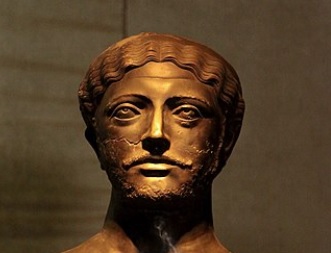
Statue of a South Arabian king. According to Arab genealogy,
South Arabians descend from Qahtan who is identified with Joktan.
沙漠の半島南部特にイエメン(Yemen)まで広がったセム族(Semitic Peoples)の子孫はカフターン(Qahtan)とその24人の息子を祖先としており、彼らがカフターン部族(Qahtan Arabs) (عرب قحطان)であり、純粋のアラブ族(Pure Arab) (العرب العاربة)と呼ばれています。カフターン(Qahtan)の息子で突出した人物は、サヌア(Sanaʽa)(アザアル(A’zaal))およびハドラマウト(Hadramaut)でした。もう1人の息子ヤアラブ(Yarab)の息子ヤシュジュブ(Yashjub)は、サバ(Saba)とも呼ばれるアブド・シャムス(Abd Shams)の父親でした。「全てのイエメン部族(Yemeni Tribes)は、サバ(Saba)の2人息子ヒムヤル(Himyar)とカフラーン(Kahlan)を通じて祖先のサバ(Saba)に遡れる」と言われる様にカフターン部族(Qahtan Arabs) (عرب قحطان)は、大きくは、ヒムヤル族(Himyar Tribe) (قبيلة حمير)とカフラーン族(Kahlan Tribe) (قبيلة كهلان)に大別されます。
Descendants of Semitic Peoples, who extended to Southern Desert Peninsula and particularly to Yemen, are descended from Qahtan and his 24 sons, who were Qahtan Arabs (عرب قحطان). It is also called Pure Arab (العرب العاربة). Prominent sons of Qahtan were Sanaʽa (A’zaal) and Hadramaut. Yashjub, who was a son of another son Yarab, was father of Saba, also called Abd Shams. As it is said that “all Yemeni Tribes can be traced back to their ancestor Saba through Saba’s two sons, Himyar and Kahlan,” Qahtan Arabs (عرب قحطان) is largely divided into Himyar Tribe (قبيلة حمير) and Kahlan Tribe (قبيلة كهلان).
| B | 純粋のアラブ | Pure Arabs | العرب العاربة |
| B.2 | ヒムヤル族 | Himyar Tribe | قبيلة حمير |
| B.3 | カフラーン族 | Kahlan Tribe | قبيلة كهلان |
2.3 アラブ化したアラブ族の区分
2.3 Classification of Arabized Arabs
ノアの方船の大洪水の1,000年後に一神教の偉大な長老アブラハム(Abraham)は、エジプト人妻ハガル(Hagar) (هاجر)とその子イシュマエル(Ishmael) (إسماعيل)と共にメッカ(Mecca) (مكة)を訪れました。神の命により妻と子供に幾らかの水とデイツを残して、アブラハム(Abraham)は、メッカ(Mecca) (مكة)を離れました。その親子を保護したのがジュルフム族(Jurhum tribe) (قبيلة جرهم)でした。
1,000 years after great flood of Noah’s Ark, majestic monotheistic elder Abraham visited Mecca (مكة) with his Egyptian wife Hagar (هاجر) and their son Ishmael (إسماعيل). Abraham left Mecca (مكة), leaving some water and dates for his wife and child by Divine command. Mother and child were protected by Jurhum tribe (قبيلة جرهم).

Hagar and Ishmael
ジュルフム族(Jurhum tribe) (قبيلة جرهم)は、沙漠の半島(アラビア半島)のカフターン部族(Qahtan Arabs) (عرب قحطان)に属し、失われたアラブ(Lost Arabs or Perishing Arabs) (العرب البائدة)と呼ばれる古いアラブ族の1つです。イエメン(Yemen) (يمن)から移住しアマーリーク族(Amalek tribe) (قبيلة عماليق)を打ち破りメッカ(Mecca) (مكة)を征服して定住していました。ジュルフム族(Jurhum tribe) (قبيلة جرهم)は、イシュマエル(Ishmael) (إسماعيل)を養子にしてアラビア語(Arabic language) (اللغة العربية)を教えて自分達の部族の一員としました。イシュマエル(Ishmael) (إسماعيل)は、ジュルフム族(Jurhum tribe) (قبيلة جرهم)の女性と結婚してアラブ化したアラブ族(Arabized Arabs) (العرب المستعربة)の祖先となりました。これは紀元前2000年頃の出来事と思われます。
Jurhum tribe (قبيلة جرهم) belongs to Qahtan Arabs (عرب قحطان) of Desert Peninsula (Arabian Peninsula) and is one of older Arab tribes called Lost Arabs or Perishing Arabs (العرب البائدة). They migrated from Yemen (يمن), defeated Amalek tribe (قبيلة عماليق), and conquered Mecca (مكة). Jurhum tribe (قبيلة جرهم) adopted Ishmael (إسماعيل) and taught him Arabic language (اللغة العربية) to become a member of their tribe. Ishmael (إسماعيل) married a woman from Jurhum tribe (قبيلة جرهم) and became ancestor of Arabized Arabs (العرب المستعربة). This is believed to have happened around 2000 BC.
アドナーン部族(Adnan Arabs) (العرب عدنان)とはイシュマエル(Ishmael) (إسماعيل)(イスマーイール(Ismail) (إسماعيل) )を始祖とするアラム人(Aramaeans) (آراميون)血統のアラブ化したアラブ族(Arabized Arabs) (العرب المستعربة)です。イシュマエル(Ishmael)の12人の息子で最初に生まれたナービト(Nabit)(ネバヨト(Nebaioth) (نابت بن إسماعيل))の子孫アドナーン(Adnan) (عدنان)を祖として北部、中部および西部アラビアに勢力を持ちました。アドナーン(Adnan)が生まれたのはイシュマエル(Ishmael)から40世代後の紀元前122年です。570年生まれたムハンマド(Muhammad) (محمد)(子孫で預言者)の21世代前に当たります。
Adnan Arabs (العرب عدنان) are Arabized Arabs (العرب المستعربة) whose ancestor was Ishmael (إسماعيل). They were an Aramaeans (آراميون) lineage. Adnan Arabs’ ancestor was Adnan, who was a descendant of Nabit. Nabit was first son of Ishmael’s 12 sons. Adnan Arabs were influential in northern, central and western Arabia. Adnan was born in 122 BC, 40 generations after Ishmael. It was 21 generations before Muhammad (محمد), a descendant and prophet, who was born in AD 570.
「純粋のアラブ族(Pure Arabs) (العرب العاربة)」といわれるカフターン部族(Qahtan Arabs) (عرب قحطان)に対抗する「アラブ化したアラブ族(Arabized Arabs) (العرب المستعربة)」の名前がAdnan Arabs (العرب عدنان)と名付けられている理由は、明確ではありません。アラブの系図学者達がアラブ族を「純粋のアラブ族(Pure Arabs) (العرب العاربة)」、「アラブ化したアラブ族(Arabized Arabs) (العرب المستعربة)」と「消えたアラブ族(Lost Arabs or Perishing Arabs) (العرب البائدة)」と分類したのは14世紀であり、紀元前3,000年紀から続くカフターン(Qahtan)の名に対応する為にイシュマエル(Ishmael)の血統からたまたま「とどまる、残る、住む」と云う意味の名を持つアドナーン(Adnan)が始祖の名として使われたのではないかと、推測されています。
Arabized Arab (العرب المستعربة) was named Adnan Arabs (العرب عدنان) as opposed to Qahtan Arabs (عرب قحطان), which is said to be “Pure Arabs (العرب المستعربة)”. Why it is named Adnan Arabs (العرب عدنان), it was not clear. It was in 14th century that Arab genealogists referred to Arab tribes as “Pure Arabs (العرب العاربة)”, “Arabized Arabs (العرب المستعربة)” and “Lost Arabs or Perishing Arabs (العرب البائدة). It is speculated that Adnan, which happens to mean “stay, remain, dwell” from Ishmael lineage, was used as ancestral name to correspond to Qahtan name that has continued since 3rd millennium BC.
アドナーン部族(Adnani Arabs)に属する主な支族にはムダル族(Mudar Tribe)およびラビーア族(Rabi’ah Tribe)があげられます。ムダル族(Mudar Tribe)の主な一門にはカイス族(Qais Tribe)、キナーナ族(Kinana Tribe)(クライシュ族(Quraysh Tribe)を含む)やタミーム族(Tamim Tribe)等があり、ラビーア族(Rabi’ah Tribe)の主な一門にはアナザ族(‘Anazah Tribe)、タグリブ族(Taghlib Tribe)やバクル族(Bakr Tribe)等があります。ムダル族(Mudar Tribe)およびラビーア族(Rabi’ah Tribe)と共にイヤード族(‘Iyaad) (عياض)、バヌー・アサド族(Banu Asad) (بنو أسد)とバヌー・フザイル族(Banu Hothail) (بنو هذيل)が並列して記述されています。
Main branches of Adnani Arabs are Mudar Tribe and Rabi’ah Tribe. Main branches of Mudar Tribe include Qais Tribe, Kinana Tribe (including Quraysh Tribe) and Tamim Tribe, while Main branches of Rabi’ah Tribe are Anazah Tribe, Taghlib Tribe and Bakr Tribe. Along with Mudar Tribe and Rabi’ah Tribe, ‘Iyaad tribe (عياض), Banu Assad Tribe (بنو أسد) and Banu Hothail Tribe (بنو هذيل) are mentioned.
| C. | アラブ化したアラブ族 | Arabized Arabs | العرب المستعربة |
| C.3 | ムダル族 | Mudar | مضر |
| C.4 | ラビーア族 | Rabi’ah | ربيعة |
2.4 アラブ部族同盟の区分
2.4 Classification of Arab Tribal Alliances
アラビアでは伝統的に南西アラビアの部族が北や北西を目指して移動しました。移動先で先住の部族を放逐したり、征服したり、共存したりして定住して来ました。そうした中ではカフターン部族(Qahtan Arabs)とアドナーン部族(Adnani Arabs)が混じり合ったり、地縁でつながったり、キリスト教等同じ宗教でつながったりして幾つもの小さな部族が1つに束ねられて新しい部族を生まれてきました。この様な部族同盟は、カフターン部族(Qahtan Arabs)ともアドナーン部族(Adnani Arabs)とも区別できません。支配者の系図からそのどちらかを名乗る場合もありますし、同じ出身地、同じ名前、同じ同胞などのように、彼らがどのようにしてコミューンを形成したかに基づいて名前を付ける場合もあります。又、他の部族や集団を組織して国家を形成している部族同盟も少なくありません。
In Arabia, tribes of Southwest Arabia traditionally moved north or northwest. They have settled by expelling, conquering, and coexisting with indigenous tribes in their destinations. In such a situation, Qahtan Arabs and Adnani Arabs had been mixed, connected by territorial ties, or connected by same religion such as Christianity, and many small tribes had been united into one to form new tribes. Such tribal confederations cannot be distinguished from either Qahtan Arabs or Adnani Arabs. They may name one of them from genealogy of ruler, or they may name how they formed their community, such as same originating place, same name, same compatriot, etc. There are also many tribal alliances that form nations by organizing other tribes and groups.
支配者の系図名を名乗る部族同盟(Tribal Confederation after Ruler’s genealogy)にはタヌーフ族同盟(Tanukhids Confederation)、リジャール・アルマア族同盟(Rejal Al-Ma’a Confederation)、ハルブ族同盟(Harb Confederation)、シャンマル族同盟(Shammar Confederation)、アナザ族同盟(Anazzah Confederation)、ジャブリード族同盟(Jabrids Confederation)、バヌー・ハーリド族同盟(Banu Khalid Confederation)等があります。
Tribal Confederations after Ruler’s genealogy include Tanukhids Confederation, Rejal Al-Ma’a Confederation, Harb Confederation, Shammar Confederation, Anazzah Confederation. They also include Jabrids Confederation and Banu Khalid Confederation.
| D.1 | カフターン系譜部族同盟 | Qahtan Genealogy Tribal Alliance | قحطان الأنساب التحالف القبلي |
| D.2 | アドナーン系譜部族同盟 | Adnan Genealogy Tribal Alliance | عدنان الأنساب التحالف القبلي |
地名や同胞名を名乗る部族同盟(Tribal Confederation of Community)にはアシール族同盟(‘Asir Confederation)、ウタイバ族同盟(‘Utaybah Confederation)、ムタイル族同盟(Mtayr Confederation)、ムンタフィク族同盟(Al-Muntafiq Confederation)、ルワラ族同盟(Ruwallah Confederation)、アマーリーク族同盟(Amalek Confederation)、バヌー・アーミル族同盟(Banu ‘Amir Confederation)(アーミル・イブン・サウサア族同盟(‘Amir ibn Sa’sa’ah Confederation))、バヌー・ウカイル族同盟(Banu Uqayl Confederation)、ハムダーン族同盟(Clan Alliance Banu Hamdan)等があります。
Tribal Confederations of Community include Asir Confederation, ‘Utaybah Confederation, Mtayr Confederation, Al-Muntafiq Confederation, Ruwallah Confederation, Amalek Confederation, Banu ‘Amir Confederation’ (‘Amir ibn Sa’sa’ah Confederation), Banu Uqayl Confederation, and Clan Alliance Banu Hamdan.
| D.3 | 地名や同胞名を名乗る部族同盟 | Tribal Confederation of Community | التحالف القبلي على أساس الأصل |
国家を形成している部族同盟(Tribal Alliance Nation)にはガッサーン族同盟(Ghassan Confederation)、キンダ族同盟(Kindah Confederation)、ラフム族同盟(Laknm Confederation)、ケダール族同盟(Qedar Confederation)等があります。
Tribal Alliance Nations include Ghassan Confederation, Kindah Confederation, Laknm Confederation, and Qedar Confederation.
| D.4 | 部族同盟国家 | Tribal Alliance Nation | أمة التحالف القبلي |
2.5 その他のアラブ族の区分
2.5 Other Arab divisions
北方のアラブ族ではケダール族(Qedar) (قيدار)、ナバテア族(Nabataeans) (الأنباط)等アラブ化したアラブ族(Arabized Arabs)に属するのかどうか疑問の残る部族も少なくありません。地域的には有力な部族であってもバヌー・サキーフ族(Banu Thaqif)、バヌー・リヒヤーン族(Banu Lihyan)等カフターン部族(Qahtan Arabs)にもアドナーン部族(Adnani Arabs)にも属してない部族もいました。さらに、余り大きな部族では無く、沙漠の奥地や山岳地帯の民族で、系図がハッキリしない孤立した部族も散在していました。この様に、特定の時代や特定の地域で活躍していても、「純粋のアラブ族(Pure Arabs)」と「アラブ化したアラブ族(Arabized Arabs)」や「アラブ部族同盟(Tribal Confederation)」の内のどの系譜に入るかがハッキリしない部族を「その他の部族(Other Tribes)」として分類しました。
Among northern Arab tribes, such as Qedar (قيدار) and Nabataeans (الأنباط), it is questionable whether they belong to Arabized Arabs. Even the most powerful tribes in certain region, some tribes did not belong to Qahtan Arabs nor Adnani Arabs, such as Banu Thaqif tribe and Banu Lihyan tribe. In addition, there were not very large tribes, but isolated tribes scattered in desert and mountainous areas whose genealogy was not clear. In this way, tribes that were active in a specific era or region, but are not clear which of the lineages of “Pure Arabs”, “Arabized Arabs”, or “Tribal Confederation” are classified “Other Tribes.”


Petra –Nabataeans’ Capital
Lihyan Tombs in Mada’in Salih (By Mainichi Newspapers Co.,Ltd)
| E | その他の部族 | Other Tribes | قبائل أخرى |
| E.1 | 主要な部族 | Other Major Tribes | القبائل الكبرى الأخرى |
| E.2 | 少数部族 | Minority Tribes | قبيلة الأقلية |
 Desert peninsula