| 64.3 アラビア半島現代文学紀行 |
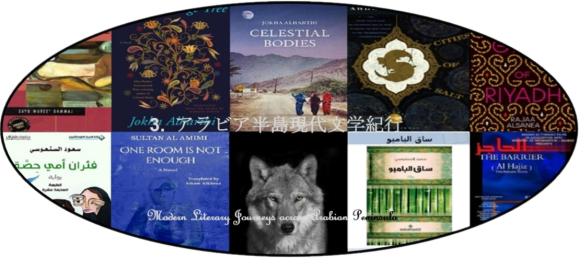



目次
Contents
| 1. アル=ラヒーナ(人質) | الرهينة | 1. Al-Rahinah (The Hostage) |
| 2. 苦橙の木 | نارنجة | 2. Bitter Orange Tree |
| 3. 月の淑女たち | سيدات القمر | 3. Celestial Bodies |
| 4. 塩の都市 | مدن الملح | 4. Cities of Salt |
| 5. リヤドの少女たち | بنات الرياض | 5. Girls of Riyadh |
| 6. ママ・ヒッサの鼠たち | فئران أمي حصة | 6. Mama Hissa’s Mice |
| 7. 一部屋では足りない | غرفة واحدة لا تكفي | 7. One Room Is Not Enough |
| 8. 狼の味 | طعم الذئب | 8. Taste of the Wolf |
| 9. バンブー・ストーク | ساق البامبو | 9. The Bamboo Stalk |
| 10. 障壁 | الحاجز | 10. The Barrier |
| 11. 海賊 | القر صان | 11. The Corsair |
| 12. 鳩の首飾り | طوق الحمام | 12. The Dove’s Necklace |
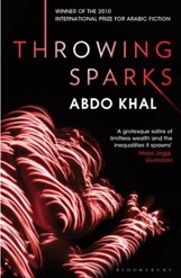
| 13. 火花を放つもの | ترمي بشرر | 13. Throwing Sparks Novel |
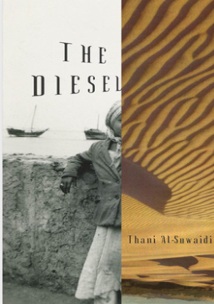
| 14. ディーゼル | الديزل | 14. The Diesel |
| 15. 一時的な人々 | أشخاص مؤقتون | 15. Temporary People |
| 16. 沙漠の潜水夫たち | غواصو الأحقاف | 16. Desert Divers |
1. アル=ラヒーナ(人質)
الرهينة
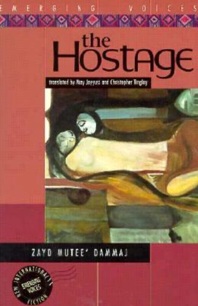
1. Al-Rahinah (The Hostage)
| ザイド・ムティー・ダンマージュ作 | زيد مطيع دماج | By Zayd Mutee’ Dammaj |
| 書誌情報 | Bibliographical Note |
| 「アル=ラヒーナ(人質)(الرهينة)」は、イエメンの作家ザイド・ムティーウ・ダンマージュ(زيد مطيع دماج)による代表作です。1984年に出版され、作者に国際的な名声をもたらしました。その後、英語、フランス語、ドイツ語、スペイン語など多くの言語に翻訳されています。 | “Al-Rahinah (الرهينة)”, usually translated as “The Hostage”, is most celebrated novel by Yemeni writer Zayd Mutee’ Dammaj (زيد مطيع دماج). First published in 1984, novel brought author international recognition and was later translated into English, French, German, Spanish, and several other languages. |
| 本作品はイエメン文学を代表する作品として高く評価されており、20世紀アラブ文学の重要作品の一つに数えられています。物語はイマーム支配時代末期のイエメンを舞台としており、革命による社会変革以前の政治的・社会的現実を生き生きと描いています。 | Work is widely regarded as one of most important Yemeni novels and is frequently included among major Arabic literary works of 20th century. Set in Yemen (اليمن) during final decades of Imamate rule, narrative offers vivid picture of political and social life before revolutionary changes transformed country. |
| 概要 | Outline |
| 本作品は、作者の従兄弟であるアフマド・カーシム・ダンマージュ(أحمد قاسم دماج)に関わる体験を基にしています。物語は、幼い少年が人質としてイマームの宮殿へ送られるところから始まります。このような人質は、部族長や有力者の家族から徴収され、反乱を防ぎ忠誠を保証するために利用されていました。少年の視点を通じて、読者は支配者たちの宮殿内部へ入り込み、公には語られない現実を目撃します。 | Novel is based on experiences associated with Ahmad Qasim Dammaj (أحمد قاسم دماج), cousin of author. Story follows young boy who is sent as a hostage to palace of an Imam. Such hostages were taken from families of tribal leaders and local notables in order to guarantee loyalty and prevent rebellion. Through eyes of child narrator, reader enters closed world hidden behind walls of ruling elite and witnesses realities seldom revealed in official history. |
| 少年は宮殿で「ドゥワイダール(دويدار)」と呼ばれる少年従者として働きます。当初は壮麗な建物や儀式、支配者一族の華やかな生活に圧倒されます。しかし次第に、その豪華さの背後に隠された孤独や恐怖、不正に気付くようになります。宮殿は豊かで権力に満ちているように見えますが、そこに生きる人々の多くは慣習や身分制度、政治権力に縛られた存在でもあります。 | Inside palace, boy serves as a duwaydar (دويدار), a young attendant responsible for various duties. At first he is overwhelmed by grandeur of buildings, ceremonies, and privileges surrounding ruling family. Yet fascination gradually gives way to awareness of loneliness, fear, and injustice hidden beneath outward splendour. Palace appears wealthy and powerful, but many people living within it are unhappy prisoners of custom, hierarchy, and political authority. |
| 宮殿へ到着して間もなく、主人公は同じドゥワイダールの少年と親しくなります。その少年は宮殿内の生活を教え、多くの秘密を語って聞かせます。この友情は見知らぬ環境で生きる主人公にとって大きな支えとなります。しかし、その友人は重い病を患っており、誰からも十分な世話を受けることができませんでした。病状は悪化し、ついには孤独の中で命を落とします。その死は主人公の心に深い傷を残し、支配体制の残酷さを理解する大きな契機となります。 | Soon after his arrival, protagonist befriends another young duwaydar. Older boy introduces him to life inside palace, explains customs, and reveals many secrets hidden behind elegant appearance of court. Friendship becomes source of comfort in unfamiliar surroundings. However, companion suffers from serious illness and receives little care. His health steadily declines until he dies alone, abandoned by people around him. Death leaves deep emotional wound in heart of narrator and becomes turning point in his understanding of cruelty embedded within system. |
| 主人公はやがて支配者の妹であるシャリーファ・ハフサ(الشريفة حفصة)と出会います。彼女は離婚した女性であり、美貌と知性を備えながらも深い孤独の中に生きていました。宮殿の多くの人々とは異なり、彼女は少年を温かく迎え入れます。やがて両者の間には特別な感情が芽生えます。2人の対話は、恐怖と統制に支配された宮殿の中で数少ない安らぎの時間となります。そして主人公は、政治や身分を超えた人間的な世界に触れることになります。 | While exploring palace, narrator encounters Sharifa Hafsa (الشريفة حفصة), sister of ruler. She is divorced, beautiful, intelligent, and deeply isolated despite noble status. Unlike many others in palace, she treats young hostage with kindness. Gradually affection develops between them. Their conversations provide rare moments of warmth and humanity in environment governed by fear and rigid control. Through Hafsa, narrator discovers emotional world far removed from political calculations surrounding him. |
| 関係が深まる中で、ハフサは主人公への愛を告白し、共に宮殿を逃げ出そうと提案します。一時は自由への希望が手の届くところに現れます。しかし友人の死や、自らが見てきた苦しみの記憶が主人公の決断に影響します。彼はハフサを愛しながらも誘いを受け入れません。そして1人で宮殿を脱出する道を選びます。主人公は山地や涸れ谷へと逃れ、不確かな未来へ向かいます。その背後には、自分を連れて行ってほしいと泣き叫ぶハフサの声だけが残ります。結末は解放であると同時に悲劇でもあり、自由の代償を象徴的に示しています。 | As relationship deepens, Hafsa confesses her love and proposes escape from palace. For brief moment possibility of freedom appears within reach. Yet memory of suffering, death of his friend, and burden of reality shape narrator’s decision. Although he loves Hafsa, he cannot accept her proposal. Instead, he chooses difficult path of solitary flight. Leaving palace behind, he escapes toward mountains and wadis, pursuing uncertain future. Behind him remains sound of Hafsa weeping and pleading for him to take her along. Final scene is both liberation and tragedy, expressing painful cost of freedom. |
| 本作品は個人的な恋愛や成長の物語にとどまりません。イマーム支配時代の政治体制そのものを鋭く描いています。反乱防止のために有力部族の子どもたちを人質として徴収する制度を通じて、支配の仕組みを明らかにしています。また、贅沢な暮らしの裏に抑圧と苦難が潜む宮殿社会の矛盾も描かれています。ダンマージュは1人の少年人質の体験を通して、近代化以前のイエメン社会を描き出し、権力、伝統、愛情、自由への希求の狭間で生きる人々の声を伝えています。 | Beyond personal story, novel presents powerful critique of political order that existed under Imams. It describes system of taking children from influential tribal families as hostages, exposing mechanisms used to maintain obedience. Narrative also reveals contradictions of palace society, where luxury coexists with oppression and where power often conceals suffering. Through experiences of one young hostage, Dammaj portrays broader condition of Yemen before modern transformations and gives voice to people trapped between authority, tradition, love, and desire for freedom. |
| 意義 | Significance |
| 「アル=ラヒーナ(人質)」は現代イエメン文学を代表する作品の1つです。自伝的要素、歴史的記憶、政治批判、人間ドラマを融合させることで、革命以前の社会の姿を後世に伝えています。 | “Al-Rahinah” remains one of most influential works in modern Yemeni literature. Combining autobiographical elements, historical memory, political criticism, and moving human drama, novel preserves image of society that disappeared after revolutionary change. |
| 少年人質とシャリーファ・ハフサの物語は、自由、尊厳、愛情、権力、抵抗という普遍的な主題を描いているため、現在でも多くの読者の共感を呼び続けています。数多くの翻訳や研究の存在は、本作品が現代アラブ小説の重要な到達点の1つであることを示しています。 | Story of young hostage and Sharifa Hafsa continues to resonate because it explores universal themes of freedom, dignity, love, power, and resistance. Its enduring popularity, numerous translations, and extensive scholarly attention confirm its place among major achievements of modern Arabic fiction. |
2. 苦橙の木
نارنجة
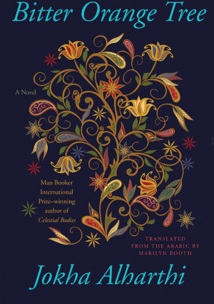
2. Bitter Orange Tree
| ジョーカ・アル=ハールシー作 | جوخة الحارثي | By Jokha Alharthi |
| 書誌情報 | Bibliographical Note |
| 「苦橙の木」は、オマーン人作家ジョーカ・アル=ハールシー(جوخة الحارثي)による2022年(要確認)の小説です。原題は「ナランジャ(橙)」で、後にマリリン・ブースによる英訳版が出版されました。本作は「月の淑女たち」に続く代表的作品の1つです。そして、著者の記憶、家族、女性の人生の探求を続けています。 | Bitter Orange Tree is a novel by Omani writer Jokha Alharthi (جوخة الحارثي). Originally published in Arabic under title “Narinjah (نارنجة)”, novel later appeared in English translation by Marilyn Booth. It follows success of “Celestial Bodies” and continues author’s exploration of memory, family, and women’s lives. |
| 概要 | Outline |
| 物語は英国で学ぶ若いオマーン人女性ズフール(زوره)を中心に展開します。故郷から離れて暮らす彼女は、英国での現在の生活とオマーンでの思い出の間で揺れ動きます。作品はその内省を通して、記憶、喪失、自己認識、そして帰属意識を描いています。 | Story follows Zuhour (زهور), a young Omani woman studying in United Kingdom. Living far from home, she feels caught between present life in Britain and memories of Oman. Through her reflections, novel explores memory, loss, identity, and sense of belonging. |
| ズフールの思考の多くは、彼女の人生に大きな影響を与えた年長の女性ビント・アーミル(بنت عامر)に向けられています。オマーンを離れた後、彼女はその死を知り、自分が出発前に容体の深刻さを理解できなかったのではないかと苦しみます。その悲しみは、何度も彼女を過去へと引き戻す力となります。 | Much of Zuhour’s thoughts are devoted to Bint Aamir (بنت عامر), an elderly woman who played an important role in her upbringing. After leaving Oman, Zuhour learns of her death and becomes troubled by guilt. She feels that she failed to understand severity of older woman’s condition before departure. Grief becomes a force that repeatedly leads her back into past. |
| 作品は時系列に沿って進むのではなく、異なる時代や場所、世代の間を行き来します。英国での学生生活の情景とオマーンでの記憶が重なり合いながら、家族の歴史やオマーン社会の変化が少しずつ明らかになります。この流動的な構成は、記憶が現在を形作り続ける姿を表しています。 | Novel moves back and forth between different periods, places, and generations rather than following a simple chronological order. Memories from Oman appear beside scenes from student life in Britain, gradually revealing family histories and changes within Omani society. This fluid structure reflects how memories continue to shape present experience. |
| ビント・アーミルについての回想を通して、読者は困難や貧困、社会的な疎外の中で生きた女性の人生に触れます。厳しい環境に置かれながらも、彼女は他者のために尽くし、多くの人々に支えと愛情を与えました。題名にもなっている苦橙の木は、美しさと苦しみ、希望と失望が共存することを象徴しています。 | Through memories of Bint Aamir, readers encounter life of a woman marked by hardship, poverty, and social marginalization. Despite difficult circumstances, she devoted herself to helping others and became a source of support and affection for many people. Image of bitter orange tree serves as an important symbol, suggesting coexistence of beauty and suffering, hope and disappointment. |
| 作品はまた、変化するオマーン社会を生きるさまざまな女性たちの経験を描いています。彼女たちの人生は、伝統と現代性、家族の期待と個人の願いとの間に生じる葛藤を示しています。異なる世代の女性たちの人生を結び付けることで、作者は社会と文化の変容を広い視野から描いています。 | Story also portrays experiences of other women whose lives reflect changing conditions in Oman. Their stories reveal tensions between tradition and modernity, family expectations and personal wishes. By connecting lives of women from different generations, Alharthi presents a broad picture of social and cultural transformation |
| 「苦橙の木」は、本質的には記憶と人とのつながりを見つめる作品です。教育や海外生活、社会の変化があっても、過去の影響は消えないことを示しています。ズフールは自分の人生を形作った人々を振り返る中で、自らのルーツと現在の自分を支える経験をより深く理解していきます。本作は女性たちの生き方、家族の記憶、そして現代オマーンを静かに描き出した印象深い小説です。 | At heart, “Bitter Orange Tree” is a meditation on memory and human connection. It suggests that education, travel, and social change do not erase influence of past. As Zuhour reflects on people who shaped her life, she gains a deeper understanding of her roots and of experiences that continue to define her identity. Novel offers a thoughtful and moving portrait of women, family memory, and modern Oman. |
| 意義 | Significance |
| 本作は社会的地位、富、欲望、女性の主体性といった主題を扱っています。時間を往復する構成により、1人の女性が自らの出自や帰属意識を探る姿を描いています。現代オマーン文学を国際的読者へ紹介した重要な作品の1つです | Novel examines social status, wealth, desire, and female agency in contemporary Arab society. Its structure combines different time periods and perspectives, creating a layered portrait of one woman’s search for roots and belonging. Work is an important example of recent Omani fiction reaching international readership |
3. 月の淑女たち
سيدات القمر
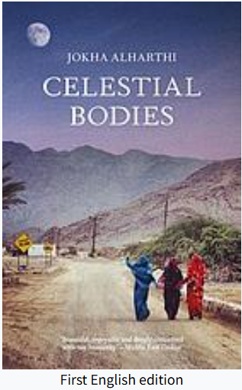
3. Celestial Bodies
| ジョーカ・アル=ハールシー作 | جوخة الحارثي | By Jokha Alharthi |
| 書誌情報 | Bibliographical Note |
| 「月の淑女たち」は、オマーン人作家ジョーカ・アル=ハールシー作(جوخة الحارثي)による小説です。2010年にアラビア語で出版され、マリリン・ブースによる英訳版は2019年に国際ブッカー賞(جائزة بوكر الدولية)を受賞しました。これはアラビア語から翻訳された作品として初の受賞でした。20以上の言語に翻訳されています。 | “Celestial Bodies” is a novel by Jokha Alharthi (جوخة الحارثي). First published in Arabic in 2010, it was translated into English by Marilyn Booth. English edition won International Booker Prize (جائزة بوكر الدولية) in 2019, becoming first novel translated from Arabic to receive that award. Novel has been translated into more than twenty languages. |
| 概要 | Outline |
| 「月の淑女たち」は、象徴性に富んだ題名から始まります。月は古来、多くの人々や文明の中で特別な意味を持つ存在でした。本作品においても、月に関連する象徴が物語の随所に現れます。登場人物の一人にはカマル(قمر)という名前が与えられており、彼女は自由で自立したベドウィン女性として描かれています。物語の冒頭は、若い少女の夢と先の見えない恋愛によって読者の関心を引きつけます。作品全体には生き生きとした魅力があり、記憶や願望、社会的現実が複雑に交錯する世界へと読者を導きます。 | “Celestial Bodies” is begun with a title rich in symbolism and cultural resonance. Since ancient times, moon has occupied a special place in human imagination, folklore, and literature. Within this novel, symbolic meanings associated with moon appear repeatedly throughout narrative development. One character is even named Qamar (قمر), a free and independent Bedouin woman whose name reflects both personal strength and symbolic significance. Opening pages immediately attract readers through portrayal of youthful dreams and uncertain love. Narrative atmosphere is vibrant and emotionally engaging, drawing readers into a world where memories, desires, and social realities are closely intertwined. |
| 本作品の大きな特徴の一つは語りの構造にあります。語り手は章ごとに変化し、複数の人物が自身の経験を語ります。アブドゥッラー(عبدالله)、ロンドン(لندن)、ミアー(ميا)などの視点を通じて物語が展開されます。この多声的な語りにより、作品は単一の視点に依存することなく、異なる経験や世代を通して社会を描き出しています。この手法は物語に厚みを与え、読者により広い視野を提供しています。 | One distinctive feature of novel lies in narrative structure. Narrator changes from one section to another, allowing several voices to participate in storytelling. Experiences are narrated through perspectives of Abdullah (عبدالله), London (لندن), Mia (ميا), and other characters. Through this multiplicity of voices, novel avoids dependence upon a single viewpoint and instead presents social reality through different experiences and generations. This method enriches narrative and provides readers with a broader understanding of society portrayed in work. |
| 本作品は約60年間にわたるオマーン(عمان)社会の変化を描いています。複数の家族の人生を通じて、政治、社会、文化の変容が語られます。物語には3世代が登場し、それぞれ異なる価値観や行動様式を示します。年長世代は伝統や慣習を体現する存在である一方、若い世代は教育や個人の自由、新たな可能性を求めています。しかし社会が変化しても過去の影響は消えず、多くの登場人物は先代から受け継いだ価値観との葛藤を抱え続けています。 | Novel presents approximately sixty years of transformation in Oman (عمان). Through lives of several families, readers witness political, social, and cultural changes that shaped modern country. Story moves across three generations whose values, attitudes, and behaviors differ greatly from one another. Older generation represents traditions and customs that governed everyday life, while younger generations increasingly seek education, personal freedom, and new opportunities. Despite these changes, influence of past remains powerful, and many characters continue to struggle with traditions inherited from previous generations. |
| アル=ハールシーは個人の人生を通して、オマーン社会が経験した厳しい現実を描いています。作品は貧困、教育不足、植民地支配の影響、社会階層の問題を取り上げています。特に奴隷制度の遺産に注目し、奴隷貿易廃止後も社会意識の中に残った影響を描写しています。また、女性の自由を制限してきた慣習、とりわけ結婚や人生選択に関わる問題も重要な主題となっています。異なる世代を対比させることで、権利意識や教育水準の向上、自己決定への歩みが示されています。 | Alharthi uses personal stories to explore difficult realities experienced by Omani society. Novel addresses poverty, lack of education, colonial influence, and social hierarchy. Particular attention is given to legacy of slavery, showing how social attitudes associated with slavery continued to affect lives of individuals even after legal efforts aimed at ending slave trade. Novel also examines traditions that limited freedom of women, especially concerning marriage and personal choice. By comparing different generations, author illustrates gradual emergence of greater awareness regarding rights, education, and individual decision-making. |
| 女性たちは本作品の中心を担っています。ザリーファ(ظريفة)、サ-erルマ(سالمة)、そしてその娘たちであるミーア(ميا)、アスマー(أسماء)、ハウラ(خولة)は、物語の感情的かつ思想的な中心です。彼女たちはそれぞれ異なる価値観や人生を歩みますが、多くの場合、恋愛の挫折や社会による制約を経験しています。作者は彼女たちを通して、これまで十分に語られてこなかった女性たちの声を蘇らせています。 | Women occupy central position within narrative. Characters such as Zarifa (ظريفة), Salima (سالمة), and her daughters Mia (ميا), Asma (أسماء), and Khawla (خولة) form emotional and intellectual heart of novel. Each woman represents a different response to social expectations and personal circumstances. Their interests, ambitions, and destinies differ, yet many share experiences of disappointment in love and limitations imposed by society. Through their stories, author restores voices that have often remained unheard and provides space for women to tell their own experiences. |
| これらの女性像は、家父長的な社会における女性の自己形成の複雑さを示しています。彼女たちは家族や共同体、そして自分自身との関係の中で葛藤します。しかし作品は女性を単なる被害者として描いてはいません。抑圧の中にあっても、多くの女性は強さと影響力を発揮します。たとえばザリーファ(ظريفة)は元奴隷でありながら強い存在感を持ち、時には発言力を発揮します。またカマル(قمر)は恋愛を含め、自ら人生を選択する人物として描かれています。 | These female characters reveal complexity of female identity within patriarchal culture. They must negotiate relationships with family, community, and themselves. Yet novel does not portray women merely as victims. Even when confronted by oppression, many women demonstrate resilience and influence. Zarifa (ظريفة), although identified as a former slave, possesses remarkable strength and at times exercises significant authority. Qamar (قمر) follows her own path and makes independent choices regarding life and love. Such portrayals emphasize agency of women despite restrictive social conditions. |
| 多くの女性たちとは対照的に、アブドゥッラー(عبدالله)は不安と落ち着きのなさを抱えた人物として描かれます。彼はさまざまな都市を移動し続け、安定した居場所を見出すことができません。その旅路は物語に緊張感を与えると同時に、彼の内面的葛藤を浮かび上がらせています。疲労感や孤独感、不確実性が彼につきまとい、幼少期の体験が繰り返し彼を苦しめています。 | In contrast to many female characters, Abdullah (عبدالله) emerges as a figure marked by restlessness and inner anxiety. He constantly moves between different cities and finds it difficult to achieve emotional stability. His journeys create dramatic tension and reveal profound psychological struggles. Feelings of fatigue, uncertainty, and alienation accompany him throughout life. Recurring memories and nightmares further deepen his characterization and expose wounds left by childhood experiences. |
| アブドゥッラーと父親との関係は特に重要です。幼少期に受けた厳格な支配は、成人後の人格にも大きな影響を与えています。彼の回想や内省を通じて、読者は表面には現れない心理世界に触れることができます。このため彼は世代間を結びつける重要な語り手として機能しています。彼の視点は社会の変化を示すと同時に、家族内の権威や心の傷が残し続ける影響も描き出しています。 | Relationship between Abdullah and his father is especially important. Strictness and severity experienced during childhood continue to shape his adult personality. Through reflections and memories, readers gain access to psychological dimension that would otherwise remain hidden. For this reason, Abdullah serves as an effective narrative bridge connecting several generations. His perspective allows readers to understand historical change while also witnessing lasting effects of family authority and emotional trauma. |
| アル=ハールシーは伝統的な小説構成から大胆に離れています。本作品には一般的な章番号や語り手の明示がなく、短い節が連続して配置されています。物語は時間や場所を自在に移動しながら展開し、固定的な枠組みに縛られていません。読者は人物や記憶とともに、異なる時代と空間を行き来することになります。 | Alharthi departs from traditional structure of Arabic novel. Work is not organized through conventional numbered chapters, named narrators, or rigid divisions. Some sections are extremely brief, occupying less than a page. Story moves with remarkable fluidity from one place, period, and perspective to another. Time and space are not treated as fixed boundaries but as flexible dimensions through which characters and memories travel freely. |
| 詩的な言語も本作品の大きな魅力です。豊かな比喩や象徴表現によって、現実的でありながら叙情的な空間が生み出されています。多くの人物の運命が交差し、複雑で魅力的な物語世界が形成されています。また作者は風景、慣習、日常生活を細やかに描写することで、オマーン社会の記憶と変容を記録しています。読者はアラブ詩や諺、宗教観、民間信仰など、オマーン文化の特色にも触れることができます。 | Poetic language contributes greatly to appeal of narrative. Rich imagery, metaphors, and symbolic expressions create atmosphere that is simultaneously realistic and lyrical. Multiple destinies intersect across narrative landscape, producing complexity and suspense. Through careful descriptions of environment, customs, and everyday life, novel preserves memories of Omani society while also documenting historical transformation. Readers become familiar with local traditions, Arabic poetry, proverbs, religious beliefs, and folk imagination that have shaped cultural identity of Oman. |
| 出典:「小説『月の淑女たち』の朗読会」 | Source: “قراءة في رواية سيدات القمر” by Jokha Alharthi (جوخة الحارثي), |
| 意義 | Significance |
| 本作はオマーン社会と歴史に対する深い理解を読者に与える作品です。また、アラブ社会に対する固定観念を超え、多様な人生の姿を示しています。国際ブッカー賞受賞(International Prize for Arabic Fiction)により、オマーン文学を世界へ広く紹介した画期的な作品となりました。 | Novel provides valuable insight into Omani society and history. It challenges simplified images of Arab life by presenting diverse experiences and perspectives. International Booker Prize (International Prize for Arabic Fiction) brought unprecedented global attention to Omani literature and established Jokha Alharthi as one of most important contemporary voices in Arabic fiction. |
4. 塩の都市
مدن الملح
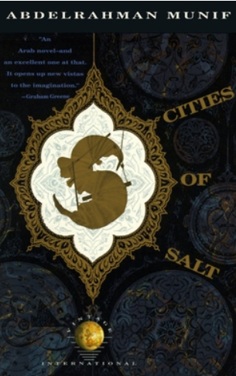
4. Cities of Salt
| アブドゥルラフマン・ムニーフ作 | عبد الرحمن منيف | By Abdelrahman Munif |
| 書誌情報 | Bibliographical Note |
| 「塩の都市」は、アブドルラフマン・ムニーフ(عبد الرحمن منيف)による小説です。1984年に出版され、後にピーター・セローによる英訳版が出版されました。本作は5部作の第1作であり、現代アラビア文学を代表する作品として広く知られています。 | Cities of Salt is a novel by Abdul Rahman Munif (عبد الرحمن منيف). First published in 1984, it was later translated into English by Peter Theroux. Novel is first volume of a five-part series and is widely regarded as a major work of modern Arabic literature. |
| 概要 | Outline |
| 物語はアラビア半島の涸れ谷とオアシスを舞台としています。平穏な共同体の暮らしは石油の発見によって大きく変化します。外国企業の進出により土地や生活環境は急速に変貌し、人々は新しい経済や価値観への対応を迫られます。 | Story takes place in an oasis community on Arabian Peninsula. Discovery of oil transforms everyday life. Arrival of foreign companies, new technology, and rapid development changes social and economic conditions. |
| 作品は特定の主人公だけではなく、多くの住民の視点を通じて石油開発がもたらした社会変化を描いています。伝統的な生活、共同体意識、自然との関係が失われてゆく過程が重要な主題となっています。 | Novel follows many residents rather than one central hero. Through their experiences, readers witness disappearance of traditional ways of life and emergence of a new oil economy that reshapes society. |
| 主要なテーマ アブドゥルラフマーン・ムニーフによる「Cities of Salt」は、単なる石油発見の物語ではありません。作品は、石油がアラビア半島の社会、環境、経済、文化、政治権力にどのような変化をもたらしたかを描いています。 | Major Themes Cities of Salt (مدن الملح), written by Abdulrahman Munif (عبد الرحمن منيف), explores far more than discovery of oil. Novel examines how petroleum transforms society, environment, economy, culture, and political power across Arabian Peninsula. |
| 石油は豊かさと進歩を約束する存在として現れますが、ムニーフは同時に、それが依存、不平等、社会的混乱を生み出す力であることも示しています。石油によって生み出された富は、一般の人々よりも支配者、外国企業、そして特権階層に多くの利益をもたらします。経済は次第に石油に依存するようになり、自立的な発展の可能性は弱まり、既存の権力構造はさらに強化されます。作品は、物質的な豊かさが本当に人々の幸福につながるのかを問い掛けています。 | Oil appears to promise prosperity and progress, yet Munif presents it as a force that also creates dependency, inequality, and social disruption. Wealth generated by petroleum benefits rulers, foreign companies, and privileged groups more than ordinary people. Economic life becomes increasingly tied to oil, limiting independent development and strengthening existing structures of power. Through this process, novel questions whether material wealth necessarily improves human life. |
| もう1つの重要な主題は、アラブ社会と西洋近代文明との遭遇です。アメリカ企業の進出によって、先進技術、新しい労働形態、そしてそれまで存在しなかった社会的価値観がもたらされます。人々の中にはそれらを歓迎する者もいますが、不安や警戒心を抱く者もいます。技術革新は生産性を向上させる一方で、長年地域社会を支えてきた伝統的な職業や生活様式を衰退させていきます。 | Another central theme is encounter between Arab society and Western modernity. Arrival of American companies introduces advanced technology, new methods of work, and unfamiliar social customs. Many people admire these innovations and opportunities, while others view them with suspicion or anxiety. Modern technology increases productivity and efficiency, but often destroys traditional occupations and ways of life that had supported local communities for generations. |
| 急速な近代化は社会の分断も生み出します。政治権力や外国企業と結び付いた新しい特権層が形成される一方、多くの労働者や一般住民は発言力を失い、自らの将来を左右する力を持てなくなります。生活水準や権力への接近度の差は次第に拡大し、人々の間に階級意識と社会的不公平への認識が生まれていきます。 | Rapid modernization also creates growing social divisions. New elites emerge through close relations with political authority and foreign interests. At same time, workers and ordinary residents experience loss of influence, insecurity, and declining control over their own futures. Differences in living conditions and access to power become increasingly visible, encouraging awareness of class distinctions and social injustice. |
| ムニーフは、自然環境と文化的景観の破壊についても強い関心を示しています。石油開発が進むにつれて、村落やナツメヤシ林、長年親しまれてきた風景は姿を消します。人々は単に土地を失うだけではなく、記憶、価値観、共同体意識を育んできた場所との結び付きを失います。環境の喪失は文化的特色の喪失でもあるのです。 | Munif places strong emphasis on destruction of physical and cultural landscapes. Villages, palm groves, and familiar surroundings disappear as oil development advances. People are displaced from places that shaped their memories, beliefs, and identities. Loss of environment becomes more than physical change; it represents loss of cultural continuity and weakening of connections between people and land. |
| また、抑圧と抵抗は作品全体を貫く主題です。政治権力は批判を抑え込み、外国資本は人々の生活や労働条件を左右します。労働者たちは次第に自らの権利の限界と無力さを認識し、その不満はやがて組織的な抵抗へと発展します。 | Themes of oppression and resistance run throughout novel. Political authority suppresses criticism, while foreign economic power shapes daily life and employment. Workers gradually recognize limits of their rights and their inability to influence decisions that affect them. Growing frustration eventually leads to collective resistance against systems of domination. |
| こうした主題の背景には、中東地域の歴史的・政治的現実があります。ムニーフは石油による社会変容を、権威主義的統治、外国勢力の影響、近代化の代償、そしてアラブ社会の将来という、より大きな問題と結び付けて描いています。そのため本作は、1つの共同体の物語であると同時に、石油時代のアラブ世界全体を映し出す文学作品となっています。 | Historical and political realities form an important background to these themes. Munif links transformation caused by oil with wider questions about authoritarian rule, foreign influence, social change, and future direction of Arab societies. Novel therefore serves not only as a story about one community, but also as a reflection on consequences of modernization throughout oil-producing Arab world. |
| 意義 | Significance |
| 本作は石油時代の到来がアラブ社会に与えた影響を描いた代表作です。近代化、植民地主義、経済発展、文化的変容といった問題を深く考察しており、「石油小説」の代表的作品として高く評価されています。 | Novel is one of most important literary explorations of oil-driven transformation in Arab world. Themes include modernization, power, cultural change, and social disruption. It is often regarded as a landmark work of petrofiction. |
5. リヤドの少女たち
بنات الرياض
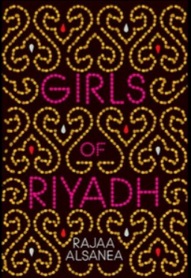
5. Girls of Riyadh
| ラジャー・アル=サーニア作 | رجاء الصانع | By Rajaa al-Sanea |
| 書誌情報 | Bibliographical Note |
| 『リヤドの少女たち』は、ラジャー・アル=サーニア(رجاء الصانع)による小説です。2005年にアラビア語で出版され、2007年に英語版が出版されました。サウジ女性の日常を率直に描いた作品として大きな議論を呼びました。 | Girls of Riyadh is a novel by Rajaa Al-Sanea (رجاء الصانع). It first appeared in Arabic in 2005 and was published in English in 2007. Novel attracted wide attention for its portrayal of lives of young Saudi women |
| 概要 | Outline |
| 「Girls of Riyadh(بنات الرياض)」は、ラジャー・アルサネア(رجاء بنت عبد الله الصانع)による電子メール形式の小説です。リヤドの裕福な家庭に育ったラミース(لميس)、ミシェル(مشاعل)、ガムラ(قمرة)、サディーム(سديم)の4人の若い女性が、サウジアラビア社会の制約の中で愛と自己実現を求める姿を描いています。 | Girls of Riyadh (بنات الرياض), written by Rajaa Alsanea (رجاء بنت عبد الله الصانع), is an epistolary novel told through weekly e-mails. It follows lives of four young women from affluent Riyadh society, Lamees (لميس), Michelle (مشاعل), Gamrah (قمرة), and Sadeem (سديم), as they search for love and personal fulfillment within social restrictions of Saudi Arabia. |
| 物語はサウジアラビアにおける男女関係を描いています。未婚の男女の接触が制限される一方で、携帯電話やインターネットは新たな交流の機会を生み出しています。匿名の語り手は毎週電子メールを送り、友人たちの秘められた経験や葛藤を明らかにしていきます。 | Story explores relationships between men and women in Saudi Arabia. Although social conventions limit direct contact between unmarried men and women, mobile phones and internet communication create new opportunities for connection. Anonymous narrator sends weekly e-mails revealing private experiences and struggles of her friends. |
| 作品は恋愛、結婚、社会的な期待、そして個人の選択がもたらす結果を題材としています。見合い結婚や結婚の破綻、さらにサウジアラビア女性が直面する困難が重要な主題となっています。多くの章は、アラブ文学、詩、歌曲、報道、クルアーン(القرآن)からの引用で始まります。 | Novel examines love, marriage, social expectations, and consequences of personal choices. Arranged marriages, failed marriages, and challenges faced by Saudi women receive particular attention. Many chapters open with quotations drawn from Arabic literature, poetry, songs, journalism, and Qur’an (القرآن). |
| ガムラは将来の夫を十分に理解しないまま見合い結婚をし、夫に従ってシカゴへ移ります。彼女の物語は、結婚が期待どおりに進まなかった場合の危険や苦難を描いています。 | Gamrah enters an arranged marriage with little understanding of her future husband and follows him to Chicago. Her story highlights risks and hardships that may arise when such a marriage fails. |
| サディームは理想的に見えた婚約生活の中で突然婚約者に見捨てられます。その経験を通じて、女性に求められる役割を見つめ直し、再び恋愛を受け入れる前に自分自身の人生を築くことを学びます。 | Sadeem appears to have an ideal engagement, but sudden abandonment by her fiancé forces her to reconsider expectations placed upon women. She learns to build a life of her own before accepting love again. |
| サウジアラビアとアメリカ双方の背景を持つミシェルは、家族や社会の価値観によって恋愛の障害に直面します。恋愛の挫折の後、彼女は職業上の目標を追求する道を選びます。 | Michelle, born to Saudi and American backgrounds, faces obstacles in love because of family and social attitudes. After disappointment in romance, she chooses to pursue her professional ambitions. |
| ラミースは医学の勉学に専念していましたが、思いがけず恋愛を経験します。シーア派の青年との関係を通じて、社会的・宗教的な境界の複雑さを知ることになります。 | Lamees concentrates on medical studies until love unexpectedly enters her life. Her relationship with a Shiite young man reveals complexity of social and religious boundaries. |
| 名前の明かされない第5の友人である語り手は、毎週の電子メールを通じて4人の友人の物語を伝えます。その語りは、現代の通信技術によって広がった自由な発言の場と、匿名性による私生活の保護を象徴しています。 | Narrator, unnamed fifth member of group, reports stories of four friends through weekly e-mails. Her voice reflects growing freedom made possible by modern communication technology while preserving privacy and anonymity. |
| 意義 | Significance |
| 本作はサウジ女性の日常や内面世界を率直に描いたことで大きな反響を呼びました。出版当時には論争もありましたが、多くの読者に現代サウジ社会を理解する新しい視点を提供しました。 | Novel gained attention for presenting voices and experiences of young Saudi women in direct and accessible manner. It encouraged discussion about social expectations, marriage, and personal freedom. |
| さらに、電子メールという現代的な形式を採用したことも特徴です。技術の発展によって生まれた新しいコミュニケーション空間を文学の中へ取り込んだ作品としても注目されました。 | Use of email-based narration also reflects emergence of new forms of communication in contemporary society. This innovative structure contributed to popularity and influence of work both within region and internationally. |
6. ママ・ヒッサの鼠たち
فئران أمي حصة
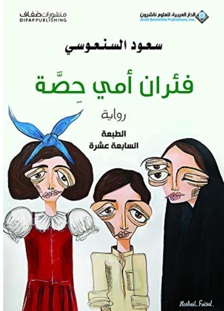
6. Mama Hissa’s Mice
| サウード・アル=サヌーシー作 | سعود السنعوسي | By Saud Al Sanousi |
| 書誌情報 | Bibliographical Note |
| 『ママ・ヒッサの鼠たち』は、クウェート人作家サウード・アル=サヌーシー(سعود السنعوسي)による長編小説です。『バンブー・ストーク』の成功後に発表された代表作の1つであり、現代クウェート社会を歴史的視点から描いた作品として高い評価を受けています。物語は数十年にわたる時間の流れを扱い、中東地域の政治的変化と個人の人生を結び付けています。 | Mama Hissa’s Mice is a novel by Kuwaiti writer Saud Al-Sanousi (سعود السنعوسي). It is regarded as one of his major works following success of The Bamboo Stalk. Novel combines personal stories with broader political and social developments in Kuwait and Gulf region over several decades. |
| 概要 | Outline |
| 物語はクウェートのスッラ地区で育った3人の少年、カトクート(كتكوت)、ファハド(فهد)、サーディク(صادق)の友情を中心に展開します。彼らは異なる宗教的背景や社会的環境を持ちながらも、幼少期から深い友情を育みます。 | Novel follows friendship of three boys, Katkout (كتكوت), Fahd (وفهد), and Sadiq (صادق), who grow up together in Kuwait. Although they come from different social and religious backgrounds, they share childhood experiences that shape their lives. |
| 作品は現在と過去を行き来しながら進みます。主人公は意識を失った後に目を覚まし、失われた記憶をたどりながら友人たちや自らの人生を振り返ります。その回想の中で、クウェート社会の変化や中東地域の歴史的出来事が描かれます。 | Narrative moves between present and past. After regaining consciousness following a mysterious incident, protagonist revisits memories of childhood, family, and friendship. Through these recollections, readers witness transformation of Kuwait across several decades. |
| 物語にはイラン革命(الثورة الإسلامية في إيران)、イラン・イラク戦争(حرب الخليج الأولى)、1990年のイラクによるクウェート侵攻(الغزو العراقي للكويت)、2003年のバグダード陥落(سقوط بغداد)、さらに近年のアラブ世界の変動などが背景として登場します。こうした出来事は少年たちの人生や考え方に大きな影響を与え、友情や価値観を揺るがしてゆきます。 | Historical events such as Iranian Revolution (الثورة الإسلامية في إيران), Iran-Iraq War (حرب الخليج الأولى), Iraqi invasion of Kuwait (الغزو العراقي للكويت), Fall of Baghdad (سقوط بغداد) in 2003, and later developments in Arab world form an important backdrop to story. These events influence relationships among characters and gradually alter their understanding of identity and society. |
| また作品にはママ・ヒッサという象徴的な人物が登場します。彼女の言葉や記憶は登場人物たちの人生に長く影響を与え、物語全体をつなぐ重要な存在となっています。 | Mama Hissa serves as a symbolic figure whose wisdom, warnings, and memories resonate throughout novel. Her presence connects personal stories with larger historical developments. |
| 意義 | Significance |
| 本作は、クウェート社会の変化を個人の人生を通して描いた小説です。単なる歴史小説ではなく、宗派、宗教、国民意識、家族、友情といった問題を通じて、人々のアイデンティティ、忠誠心、記憶、帰属意識を掘り下げています。 | Novel offers an portrait of modern Kuwait through lives of ordinary individuals. Rather than presenting history as a sequence of political events, work explores sectarian affiliation, religion, national identity, family, and friendship while examining questions of identity, loyalty, memory, and belonging. |
| 特に、異なる宗派や背景を持つ人々の関係を描くことによって、社会の分断と共存という課題を文学的に表現しています。また、湾岸地域の現代史を一般読者にも理解しやすい形で描いている点でも注目されます。 | One of major achievements of novel is exploration of sectarian divisions and social coexistence. By focusing on relationships among people from different sectarian and social backgrounds, work presents challenges of division and coexistence in literary form. Novel is also significant because it presents modern history of Gulf region in a way that is accessible to general readers. |
| 個人の成長物語と地域の政治史を結び付けた構成は、現代湾岸文学への重要な貢献であり、現代クウェート社会を考える上でも貴重な作品となっています。 | By combining a personal coming-of-age story with regional political history, Saud Al Sanousi depicts complexity of contemporary Gulf society. |
| サウード・アル=サヌーシーは、こうした手法によって現代湾岸社会の複雑な姿を描き出しており、本作はその代表的な成果の1つと考えられています。 | This approach makes novel a contribution to contemporary Gulf literature and a valuable reflection on modern Kuwaiti society. Work is widely regarded as one of representative achievements of author. |
7. 一部屋では足りない
غرفة واحدة لا تكفي
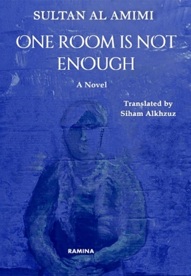
7. One Room Is Not Enough
| スルターン・アル=アミーミー作 | سلطان العميمي | By Sultan Al Ameemi |
| 書誌情報 | Bibliographical Note |
| 「一部屋では足りない」は、UAEの作家スルタン・アル=アミーミ(سلطان العميمي)による小説です。本作は国際アラビア語小説賞(الجائزة العالمية للرواية العربية)の候補となった最初のUAEの小説として知られています。 | One Room Is Not Enough is a novel by Emirati writer Sultan Al-Ameemi (سلطان العميمي). It became first Emirati novel to be nominated for International Prize for Arabic Fiction (الجائزة العالمية للرواية العربية). |
| 作者は詩、民俗文化、湾岸地域の口承文学研究でも知られており、その詩的な感性は本作にも反映されています。 | Author is also known for work on poetry, folklore, and cultural heritage of UAE, influences that can be felt throughout novel. |
| 概要 | Outline |
| 物語は、見知らぬ部屋で目を覚ました男の視点から始まります。彼はなぜそこにいるのか分かりません。部屋には出口がなく、外の世界との唯一の接点は小さなのぞき穴だけです。 | Story begins when a man awakens inside a strange room. He has no memory of how he arrived. There is no exit, and only connection with outside world is a small peephole. |
| ある日、主人公はのぞき穴の向こうに自分とまったく同じように見える男を発見します。その男は外の世界で生活しており、自分自身の人生を見ているかのような光景が広がっています。この異様な経験は主人公を混乱させ、自分の存在や記憶について深く考えさせます。 | One day he discovers another man beyond that opening. Stranger appears identical to him and seems to be living a life remarkably similar to his own. This disturbing discovery forces protagonist to question memory, identity, and nature of reality. |
| 部屋には説明のない白紙の本が置かれており、主人公はそこへ記録を書き始めます。限られた食料、閉ざされた空間、誰も説明を与えない状況の中で、彼は過去の記憶や現在の状況を整理しようとします。 | Inside room he finds a blank book and begins recording experiences. With limited supplies and no explanation of circumstances, he reflects upon past and attempts to understand present situation. |
| 物語は次第に現実と幻想の境界を曖昧にしてゆきます。主人公が見ているものが現実なのか、自らの想像なのか、あるいは別の意味を持つのかは容易には明らかになりません。読者もまた主人公と共に謎を追うことになります。 | As narrative unfolds, boundaries between reality and imagination become increasingly uncertain. Readers follow protagonist through a maze of questions, doubts, and possibilities without receiving easy answers. |
| 意義 | Significance |
| 本作は現代UAE文学における実験的な作品として重要です。従来の写実的な小説とは異なり、心理的空間や存在論的な問いを中心に据えています。 | Novel occupies an important place in contemporary Emirati literature because of its experimental character. Rather than relying on social realism, it explores psychological and philosophical questions through symbolic narrative. |
| 作品が扱う主題には孤独、自己認識、監視、自由、現実の本質などがあります。密閉された一室という限定的な舞台を用いながら、人間存在そのものについて深く考えさせる構成になっています。 | Themes include solitude, identity, freedom, observation, and nature of reality. Limited setting of a single room becomes a framework for examining broader questions about human existence. |
| また、本作はUAE文学の多様化を示す作品でもあります。社会的現実を直接描くのではなく、象徴と寓意を用いて普遍的な問題を探究している点に特徴があります。そのため湾岸文学の新しい方向性を示した作品としても注目されています。 | Work also demonstrates growing diversity of literary expression in UAE. Through imaginative structure and poetic language, it expands possibilities of Emirati fiction and offers a distinctive contribution to modern Gulf literature. |
8. 狼の味
طعم الذئب
8. Taste of the Wolf
| アブドゥッラー・アル=ブサイシ作 | عبدالله البصيص | By Abdallah Al Busais |

| 書誌情報 | Bibliographical Note |
| 『狼の味』は、クウェート人作家アブドゥッラー・アル=ブサイシ(عبدالله البصيص)による小説です。人間と自然との関係を題材としながら、人間の内面や存在に関する問いを描いた作品として知られています。 | Taste of the Wolf is a novel by Kuwaiti writer Abdallah Al Busais (عبدالله البصيص). It explores relationships between human beings, nature, and animals while raising broader philosophical questions about existence. |
| 作品はクウェートの地域文化や沙漠の伝承を背景にしており、現代クウェート文学の重要な一面を示しています。 | Novel draws upon desert heritage and local cultural traditions and is regarded as an important contribution to contemporary Kuwaiti literature. |
| 概要 | Outline |
| 沙漠を題材とした作品を書くことは容易ではありません。とりわけ現代の若い世代にとって、沙漠はもはや祖先たちが直面した生存の場ではないからです。しかし、アブドゥッラー・アル=ブサイシ(عبدالله البصيص)は『狼の味』において、その失われた世界を鮮やかによみがえらせています。 | Writing about desert is a challenge, especially for a modern writer whose generation no longer depends upon harsh desert life for survival. Yet Abdullah Al-Busais (عبدالله البصيص) recreates that lost world with remarkable vividness in The Taste of the Wolf. |
| ラバーバ音楽の音色(صوت الربابة)、騎馬戦士の雄叫び、狼の遠吠え、そして果てしなく続く砂丘を背景に、読者は沙漠社会の厳しくも魅力的な世界へ導かれます。 | Through poetic language and deep knowledge of desert geography, customs, and culture, he brings readers into a world filled with sounds of rababa music (صوت الربابة) , warriors’ cries, howling wolves, and endless dunes stretching toward horizon. |
| 主人公ディバーン(ذيبان)の名は、本来なら勇敢さや知恵、強さを意味する称賛の名称です。しかし彼は部族社会の中で弱者として扱われ、長年にわたり嘲笑と屈辱にさらされてきました。 | Novel follows Dhiban (ذيبان), a young man whose name traditionally suggests courage, cunning, and strength. Ironically, he possesses none of these qualities in eyes of his tribe. |
| 尊敬を集めた父の後を継ぐ者として期待されながらも、その姿は父とは正反対でした。母親は絶えず彼を叱責し、「父のような狼になれ」と迫ります。 | Throughout his life, he is mocked, humiliated, and treated as an outsider. His mother constantly compares him with his late father, a respected tribal leader and warrior, and urges him to become “a wolf” worthy of respect. |
| さらにディバーンは、幼少期の出来事が原因で永久的な性的不能を抱えています。部族の男たちはその弱さを容赦なく攻撃し、とりわけ女性たちの前で自らの男らしさを誇示するための標的として彼を利用します。 | Life becomes even harder because Dhiban suffers from permanent impotence caused by childhood injuries. Men of tribe show him no mercy, often using him to demonstrate their own masculinity, particularly before women. |
| その女性たちの中に、彼の詩や音楽に心を惹かれるガリア(غالية)がいます。ディバーンもまた彼女に魅了されますが、その関係はやがて悲劇へとつながり、彼はミトアブ・アル=ガサブ(متعب الغصاب)を殺害してしまいます。 | Among those women is Ghalia (غالية), who is drawn to his poetry and music. Dhiban is captivated by her beauty and laughter, but events linked to her eventually push him toward violence and tragedy to kill Mit’ab Al-Ghasab (متعب الغصاب). |
| この事件によって部族間の抗争が勃発し、多くの命が失われます。最終的に争いは、被害者の弟フマイダーン(حميدان)とディバーンとの決闘によって決着を図ることになります。 | By it, Dhiban sets off a tribal feud that costs several lives. This conflict is finally settled through a duel with Humaydan (حميدان), brother of slain man. |
| しかしディバーンは、人々が期待する勇敢な戦士として振る舞うことができず、公然の屈辱を味わった末に共同体から追放されます。かつて自分を受け入れることのなかった人々から完全に見放された彼は、クウェート(الكويت)へ向かう隊商を求めて沙漠へ旅立ちます。 | But Dhiban fails to defend himself with expected courage. Public humiliation leads to his expulsion from community. Rejected by people who never truly accepted him, he leaves desert in search of a caravan that might take him to Kuwait (الكويت). |
| ところが、彼を待ち受けていた最大の試練は追放後に始まります。1頭の狼が彼を執拗に追跡するのです。ディバーンは狭い穴に身を潜め、狼との激しい死闘を繰り広げます。 | His greatest trial begins only after exile. A wolf starts pursuing him across desert. Hunted and desperate, Dhiban takes refuge inside a narrow burrow. There he faces a terrifying struggle for survival. |
| 狼は彼の身体を引き裂き、彼もまた必死に反撃します。その格闘の中で狼の足にかみついたとき、彼は甘さと苦さが入り混じる不思議な味を知ります。それこそが、本作の題名となった「狼の味」です。 | Wolf attacks him repeatedly, tearing his flesh, while Dhiban fights back with unexpected determination. During confrontation, he bites wolf’s paw and experiences strange taste from which novel takes its title, a taste combining sweetness and bitterness. |
| この出会いは、ディバーンの精神的変化の始まりでもあります。それまで恐怖や屈辱に支配されていた彼は、生と死の狭間で初めて真の勇気を発見します。狼との闘いは単なる生存競争ではなく、新たな自分へ生まれ変わるための試練となるのです。 | This encounter marks beginning of Dhiban’s transformation. Previously, he had surrendered to fear and humiliation. Now, trapped between life and death, he discovers courage he never knew he possessed. His struggle against wolf becomes more than a physical battle; it becomes a journey of rebirth. |
| 物語後半になると、この対立は思いもよらぬ方向へ進みます。ディバーンは穴から脱出し、アセルの木(الأثل)へ避難します。そして、そこで現実と幻の境界が曖昧になるような精神的体験を重ねることになります。 | In final part of novel, confrontation takes an unexpected turn. After escaping burrow and taking shelter in an Athel tree (الأثل), Dhiban enters an almost dreamlike spiritual experience. |
| 狼はもはや捕食者ではなく、彼に語りかけ、人生の知恵を授ける存在へと変わっていきます。人間たちから一度も受けることのなかった理解や慈しみを、彼は狼から得るのです。 | Wolf gradually changes from predator into companion, speaking to him and sharing lessons drawn from life in desert. For first time, Dhiban experiences kindness, understanding, and respect. Ironically, qualities denied to him by humans are offered by a creature he had every reason to fear. |
| ここで、イギリスの哲学者トマス・ホッブズの有名な思想が逆転した形で提示されています。ホッブズは「人間は人間に対して狼である」と説き、人間は自らの利益を追求するあまり、互いに傷つけ合うことが多いと論じました。 | Here, famous idea of English philosopher Thomas Hobbes appears reversed. Hobbes argued that “man is a wolf to man,” suggesting that human beings often harm one another in pursuit of their own interests. |
| しかしアル=ブサイスの小説において、人間社会は狼そのものよりも野蛮な存在として描かれています。思いがけない旅の道連れが授けてくれた知恵に触発され、ディバーンはついに恐れを捨て去り、こう宣言するのです。「俺は狼だ」 | In Al-Busais’s novel, human society proves more savage than wolf itself. Inspired by wisdom of his unlikely companion, Dhiban finally abandons fear and declares: “I am a wolf.” |
| 小説は、その叫びと狼の遠吠えによって幕を閉じます。しかし、最後まで答えは示されません。人々の嘲笑と暴力が待つ人間社会へ戻るべきなのか。それとも友情と知恵、そして新たな自分を与えてくれた狼のいる沙漠にとどまるべきなのか。 | Novel ends with his cry and wolf’s haunting howl echoing across desert. Yet an important question remains unanswered. Should Dhiban return to human society, where ridicule and violence await him, or remain in wilderness where a wolf offered friendship, wisdom, and self-discovery? |
| その問いこそが『狼の味』の核心であり、人間性とは何か、勇気とは何かを読者に考えさせるのでした。 | Between these two worlds lies central theme of The Taste of the Wolf, a profound meditation on identity, courage, and true meaning of humanity. |
| 意義 | Significance |
| 本作は、自然との関わりを通じて人間の自己理解を探求する小説です。地域文化に深く根ざしながらも、恐怖、希望、孤独、そして回復力といった普遍的なテーマを扱っています。 | Novel explores human self-understanding through engagement with nature. Although deeply rooted in local culture, it addresses universal themes such as fear, hope, loneliness, and resilience. |
| 特筆すべき点は、沙漠という舞台を、物理的な環境としてだけでなく、象徴的な風景としても巧みに描いていることです。哲学的な思索と文学的想像力が融合したその作風は、批評家の注目を集め、現代クウェート文学における本作の評価を確固たるものにしています。 | Particular strength of work lies in use of desert setting as both a physical environment and a symbolic landscape. Combination of philosophical reflection and literary imagination has attracted critical attention and contributed to its reputation within contemporary Kuwaiti fiction. |
9. バンブー・ストーク
ساق البامبو
9. The Bamboo Stalk
| サウード・アル=サヌーシー作 | سعود السنعوسي | By Saud Al Sanousi |
| 書誌情報 | Bibliographical Note |
| 「バンブー・ストーク」は、クウェート人作家サウード・アル=サヌーシー(سعود السنعوسي)による小説です。2012年に出版され、翌年に国際アラビア語小説賞を受賞しました。作者はこの受賞によって国際的な評価を獲得し、本作は多数の言語に翻訳されました。後にはテレビドラマ化も行われています。 | The Bamboo Stalk is a novel by Kuwaiti writer Saud Al-Sanousi (سعود السنعوسي). Published in 2012, it won International Prize for Arabic Fiction in 2013. Success of novel brought international recognition to author and led to translations into many languages as well as a television adaptation. |
| 概要 | Outline |
| 「The Bamboo Stalk(竹の茎)」は、クウェートと湾岸社会を舞台に、自己認識、帰属意識、社会的受容を描いた感動的な小説です。外国人労働者や混血という主題自体は新しいものではありませんが、本作は平明で美しい語り口によって際立っています。 | “The Bamboo Stalk” is a moving novel about identity, belonging, and social acceptance in Kuwait and Gulf society. Although foreign labor and mixed heritage have appeared in earlier works, novel stands out through clear and elegant storytelling. |
| 難解な分析に頼ることなく、1人の青年の人生を通じて深い人間的な問いを描いています。主人公が持つ2つの名前、イーサー(عيسى)とホセ(خوسيه)は、2つの世界、2つの文化、そして2つの自己の可能性を象徴しています。 | Rather than relying on complex analysis, it presents profound human questions through experiences of one young man. Dual nature of protagonist appears even in his two names, Isa (عيسى) and Jose (خوسيه), reflecting two worlds, two cultures, and two possible selves. |
| 本作は、アラブ社会における宗教と文化の関係について重要な問いを投げかけています。宗教的理念と日常生活における実践との間に生じる隔たりにも目を向けています。 | Novel raises important questions about relationship between religion and culture in Arab society. It examines gap that may appear between religious ideals and everyday practice. |
| 物語の出来事は一見すると平凡ですが、それぞれが深い人間的意味を持っています。孤独、偏見、家族の絆、尊厳、希望といった普遍的な主題が丁寧に描かれています。そのため、主人公個人の経験は、より広い人間社会全体の姿を映し出すものとなっています。 | Many events seem simple at first glance, yet each carries deep emotional meaning. Story speaks about loneliness, prejudice, family ties, dignity, and hope. Because of this, personal experience of one individual becomes reflection of universal human concerns. |
| 物語の主人公ホセは、裕福なクウェート人一家の一人息子ラーシド(راشد)と、その家で働いていたフィリピン人家政婦との間に生まれた子です。ラーシドは彼女を愛し、密かに結婚します。 | Story follows Jose, son of a Filipino housemaid and Rashid, only son of a wealthy Kuwaiti family. Rashid (راشد) falls in love with woman and marries her in secret. |
| しかし家族が結婚と子どもの存在を知ると、親族からの強い圧力によって妻と息子を手放すことを余儀なくされます。世間体が重視される社会の中で、その結婚は一家の名誉を傷つけるものと考えられたのです。思いやりや正義よりも社会的評価が優先されてしまいます。 | When family discovers marriage and child, pressure from relatives forces him to abandon both wife and son. In social environment where reputation carries enormous weight, family believes such marriage would bring shame. Protection of social standing becomes more important than compassion or justice. |
| ホセはマニラで貧しい暮らしの中に育ちます。母はしばしばクウェートを豊かで幸福な国として語ります。苦しい現実に直面するたびに、クウェートへ行くという夢が彼を支えます。 | Jose grows up in Manila in modest circumstances. His mother often speaks of Kuwait as a place of prosperity and happiness. Whenever life becomes difficult, dream of reaching Kuwait gives him strength. |
| しかし彼が本当に求めているものは豊かさではありません。自分が何者であるのかを知りたいと願っています。母と同じキリスト教徒なのか、それとも父と同じイスラーム教徒なのかを問い続けます。そして、自分を受け入れてくれる祖国と居場所を探し求めます。 | Yet his deepest desire is not wealth. He wishes to understand who he truly is. He wonders whether he belongs to Christianity, faith of his mother, or Islam, faith of his father. He searches for homeland, identity, and place where he can feel accepted. |
| やがてホセは父の死を知ります。その後、父の友人ガッサーン(غسان)の助けによって、ようやくクウェートへ渡ります。しかし現実は夢とは大きく異なっていました。 | Eventually Jose learns that his father has died. Through help of Ghassan (غسان), a friend of Rashid, he finally travels to Kuwait. Reality, however, proves very different from dream. |
| 温かな歓迎ではなく、冷たい視線と距離感が彼を待っていました。祖母は彼を完全には認めず、使用人が住む離れの部屋を与えます。同じ血を受け継いでいるにもかかわらず、多くの人は彼のフィリピン人らしい容貌しか見ようとしません。 | Instead of warm welcome, he faces distance and suspicion. Grandmother refuses to acknowledge him fully and places him in quarters traditionally used by servants. Although he carries blood of family, many people see only Filipino features of his face. |
| 彼の人生を大きく変えたのは、異母妹カウラ(خولة)との出会いでした。彼女は真心を持ってホセを受け入れます。その優しさによって、ホセは初めて家族としての温もりを感じます。 | Most important change in his life comes through discovery of his half-sister Khawla (خولة). She accepts him with sincerity and affection. Through her kindness, Jose experiences warmth of family for first time. |
| 祖母もまた、ホセの声や面影に亡き息子を重ねることで、少しずつ愛情を示すようになります。しかし、その受容は最後まで完全なものにはなりません。家族は彼を真の一員として迎え入れることができず、孤独感は消えることがありません。 | Grandmother also begins to show traces of affection, especially because voice and presence of Jose remind her of late son. Yet acceptance remains incomplete. Family never fully includes him, and feeling of isolation continues. |
| やがて一家にフィリピン人の息子がいるという秘密が周囲に知られるようになります。すると愛情よりも世間体への恐れが強くなり、親族はホセにクウェートを去るよう求めます。彼は最後に現実を受け入れ、出国を決意します。 | As hidden truth about family becomes known to society, fear of scandal grows stronger than affection. To protect reputation, relatives insist that Jose leave Kuwait. At last he accepts reality and prepares to depart. |
| その過程で、故郷は血統、宗教、言語、国籍だけでは決まらないという厳しい真実にたどり着きます。人間の自己認識はそれほど単純ではありません。さまざまな土地に根を下ろす竹のように、人は複数の世界に属しながら、そのどこにも完全には属せないことがあるのです。 | His journey leads him to painful realization that homeland cannot be defined only by ancestry, religion, language, or nationality. Human identity is far more complex. Like bamboo stalk that can grow roots in different places, person may belong to more than one world while never being fully claimed by any of them. |
| 本作は個人の物語だけでなく、現代アラブ社会が抱えるさまざまな課題にも目を向けています。女性の社会参加、外国人労働者の待遇、社会的不平等、そして伝統が人々の日常的な判断に及ぼす影響などが描かれています。 | Beyond personal story, novel also examines wider issues in modern Arab society. It touches on position of women in public life, treatment of foreign workers, social inequality, and influence of tradition on everyday decisions. |
| しかし本作の最大の魅力は社会批評にあるのではありません。2つの文化の狭間に立ち、自らの居場所を探し続ける1人の青年を深い共感をもって描いた点にあります。その姿は国や文化を超えて多くの読者の心に響きます。 | Lasting power of work lies in compassionate portrayal of a young man standing between cultures and searching for place where he can finally call home. That image resonates with many readers’ hearts, transcending national and cultural boundaries. |
| 意義 | Significance |
| 本作は湾岸社会における国籍、移民、混合的な特異性の問題を真正面から扱った作品です。これらの主題を人間的な物語として描いたことが高く評価されています。 | Novel is widely regarded as an important exploration of migration, belonging, and mixed identity within Gulf societies. It addresses social issues through a personal and emotionally engaging narrative. |
| また、国際アラビア語小説賞受賞によってクウェート文学への関心を高める役割も果たしました。現代湾岸文学を理解する上で21世紀の欠かせない代表作の1つです。 | International success of book helped bring greater attention to Kuwaiti literature and demonstrated growing global interest in contemporary Gulf fiction. It remains one of most influential novels produced in Kuwait during twenty-first century. |
10. 障壁
الحاجز
10. The Barrier
| アミン・サーレハ作 | أمين صالح | By Amin Saleh |

| 書誌情報 | Bibliographical Note |
| 「障壁」は、バハレインの作家アミーン・サーリフ(أمين صالح)が脚本を執筆し、1990年に公開された作品です。一般にはバハレイン初の長編映画とみなされており、同国文化史において重要な位置を占めています。 | The Barrier is a Bahraini feature film based on a screenplay by Ameen Salih (أمين صالح). Released in 1990, it is widely considered first feature film produced in Bahrain and occupies an important place in cultural history of country. |
| 概要 | Outline |
| 物語は人間の間に存在する様々な障壁を主題としています。その障壁は社会制度によるものでもあり、人間自身が心の中に作り出すものでもあります。 | Story focuses on barriers that separate individuals from one another. Some barriers arise from society, while others are created by fears and limitations within human beings themselves. |
| 登場人物たちは互いを理解しようとしますが、感情や考えを十分に伝えることができません。その結果、人間関係はしばしば行き詰まり、孤独や疎外感が強まってゆきます。 | Characters struggle to communicate their feelings and understand those around them. As misunderstandings accumulate, relationships weaken and isolation grows stronger. |
| 作品は具体的な社会問題を扱いながらも、普遍的な人間の孤立を描いています。対話の欠如や愛情の不足が人々を引き離してゆく様子が静かに描かれています。 | Film presents communication, loneliness, and emotional distance as central themes. Through personal stories it examines challenges people face when trying to establish meaningful human connections. |
| 映画化 1990年にバッサム・アル=サワディー(بسام محمد الذوادي)が監督した映画版について、登場人物の分析と社会的・感情的障壁に関する考察を紹介します。 | Film Adaptations Followings introduce character analysis and discussion of social and emotional barriers in a film adaptation directed by Bassam Al-Thawadi (بسام محمد الذوادي) in 1990. |
| 登場人物の性格分析 アミン・サーレハ(أمين صالح)による「障壁(الحاجز)」そのもののあらすじは入手できませんでした。しかし、バッサーム・アル=サワーディ監督による映画化作品の人物分析や主題論から、この作品の中心的な考え方を知ることができます。 | Character Analysis Amin Saleh (أمين صالح) did not leave a readily accessible synopsis of The Barrier (الحاجز). However, character analysis and thematic discussions of a film adaptation directed by Bassam Al-Thawadi provide valuable insight into work’s central ideas. |
| ラーシド・アル=ハサン(راشد الحسن)が演じるハサンは、自ら感情的な孤立を作り出す人物として描かれています。彼は常にビデオカメラを用い、自分と周囲の世界との間に物理的かつ象徴的な障壁を築いています。 | Hassan, portrayed by Rashed Al-Hassan (راشد الحسن), represents self-imposed emotional isolation. Through constant use of a video camera, he creates both a physical and symbolic barrier between himself and surrounding world. |
| 人々と直接向き合うのではなく、レンズ越しに人生を眺めることで、彼は想像上の現実を作り上げ、他者との真の接触や周囲で起きている問題から身を守ろうとします。この姿は社会からの深い疎外と、幻想と現実との葛藤を示しています。 | By observing life through a lens rather than engaging directly with people, he constructs an imagined reality that protects him from genuine human contact and from crises experienced by others. His behavior reveals deep alienation from society and highlights conflict between illusion and truth. |
| 他の登場人物たちも、社会的および感情的な隔たりの異なる側面を示しています。イブラーヒーム・バハル(إبراهيم بحر)が演じるムスタファ(مصطفى)、マリアム・ジーマン(مريم زيمان)が演じるファーティマ(فاطمة)、そしてカフターン・アル=カフターニー(قحطان القحطاني)が演じるムハンマド(محمد)は、意思疎通に苦しみ、自らの感情を率直に表現することができません。 | Other characters contribute different aspects of social and emotional separation. Mustafa (مصطفى), played by Ebrahim Bahar (إبراهيم بحر), Fatima (فاطمة), played by Mariam Ziman (مريم زيمان), and Mohammed (محمد), played by Qahtan Al-Qahtani (قحطان القحطاني), struggle with communication and find it difficult to express inner feelings. |
| 彼らとハサンとの関係は、当時のバハレイン社会に見られた誤解や感情抑制の傾向を映し出しています。 | Their relationships with Hassan reveal patterns of misunderstanding and emotional restraint that reflect wider social conditions of contemporary Bahraini society. |
| ラティーファ・アル=マジュラン(لطيفة المجرن)が演じる母親は、家庭内に存在する障壁を象徴しています。この人物は世代間の距離や、解消されない誤解の連鎖を表しています。登場人物たちは、社会的圧力と個人的な不安が結び付くことで孤立を生み出す様子を示しています。 | Mother, portrayed by Latifa Al Mejren (لطيفة المجرن), represents barriers within family life. Her character illustrates distance between generations and continuing cycles of misunderstanding that remain unresolved. Together, characters demonstrate how social pressures and personal fears combine to create isolation. |
| 作品は安易な解決策を提示することなく、現代社会における感情的な断絶を静かに問いかけています。 | Film offers no easy solution and instead presents a thoughtful critique of Social and Emotional Barriers emotional separation in modern life |
| 社会的・感情的な障壁 「障壁」において、社会的障壁と感情的障壁は中心的な主題となっています。登場人物たちを取り巻く環境は、率直な対話や感情表現を妨げています。そのため愛情や相互理解、人間的な結び付きが生まれにくく、多くの人物が孤立した状態に置かれています。 | Social and Emotional Barriers Social and emotional barriers form a central theme of The Barrier. Environment surrounding characters discourages open communication and emotional expression. Love, understanding, and human connection become difficult to achieve, leaving many characters isolated from one another. |
| この状況を最もよく示しているのがハサンです。彼にとってビデオカメラは心理的な防壁として機能し、他者との直接的な接触を避ける手段となっています。彼はカメラを通して想像上の現実を見つめ、周囲の現実との結び付きを次第に失っていきます。この距離感は他者の苦しみや困難への無関心につながり、孤独を深めていきます。 | Hassan demonstrates this condition most clearly. Video camera functions as a psychological shield that allows him to withdraw from direct contact with people. Through camera, he views an imaginary version of reality and gradually loses connection with actual experiences around him. This detachment extends to suffering and difficulties faced by others, creating emotional indifference and loneliness. |
| 作品は、意思疎通の失敗を単なる個人の問題としては捉えていません。社会的期待や文化的圧力も、人々が自らの感情を率直に表現できない原因として描かれています。社会的制約と個人の逃避が互いに強め合うことで、人間関係は悪化し、共感は失われていきます。そのため作品は、孤独を個人の選択と社会環境の双方から生じるものとして描いています。 | Film suggests that failure of communication is not merely a personal problem. Social expectations and cultural pressures contribute to inability of individuals to express feelings honestly. As social constraints and personal withdrawal reinforce one another, relationships deteriorate and empathy becomes increasingly scarce. Work therefore presents loneliness as a product of both individual choices and wider social conditions. |
| 個人と社会の制約 もう1つの重要な主題は、個人の選択と社会的制約との関係です。ハサンはビデオカメラを用いて現実を選別し、自分なりに作り変えています。この選択によって彼は感情的な関与を避け、自らの弱さから身を守ることができます。しかし同時に、それは周囲の人々との距離をさらに広げる結果となっています。 | Individual vs. Societal Constraints Another important theme concerns relationship between individual choice and societal constraint. Hassan uses a video camera as a device that filters and reshapes reality. This choice allows him to avoid emotional involvement and protect himself from vulnerability. At same time, it strengthens separation from people around him. |
| 作品は、障壁が社会からのみ生まれるわけではないことを示しています。人は自らの選択によって新たな障壁を作り出すことがあります。ハサンは関与よりも距離を、参加よりも観察を選びます。その結果、周囲に存在していた孤立感をさらに強めています。 | Film suggests that barriers do not arise only from society. Individuals may actively create additional barriers through their own decisions. Hassan chooses distance over engagement and observation over participation. In doing so, he intensifies isolation already present in environment around him. |
| それでも社会環境の影響は重要です。地域社会は様々な圧力や困難を抱えており、人間関係を複雑なものにしています。作品は、個人の逃避と社会的制約が相互に作用することで、誤解と疎外の連鎖が生まれることを示しています。1990年6月6日に公開された本作は、バハレインで制作された最初の長編映画として、湾岸地域初期映画における心理的・社会的問題の探求を代表する作品となっています。 | Broader social conditions nevertheless remain important. Community faces various pressures and difficulties that complicate human relationships. Film argues that personal withdrawal and social constraint work together, creating a cycle of misunderstanding and alienation. Released on 6 June 1990 as first feature film produced in Bahrain, work remains an important example of early Gulf cinema and its exploration of psychological and social issues. |
| 意義 | Significance |
| 本作はバハレイン映画史の出発点を象徴する作品です。また、脚本家アミーン・サーリフの文学的関心である孤独や疎外、人間存在への問いを映像という媒体で表現した作品としても重要です。 | Work is important not only because of its historical place in Bahraini cinema but also because of its exploration of human isolation and communication. |
| さらに、地域社会の中で生きる人々の精神的な葛藤を描くことによって、文学と映画の双方において大きな意味を持つ作品となっています。 | By presenting emotional and social barriers through visual storytell ing, film reflects concerns that have long appeared in literature of region and remains a significant cultural achievement. |
11. 海賊
القر صان
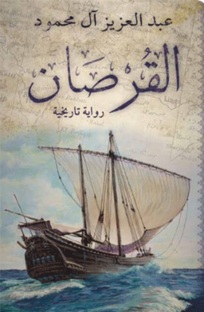
11. The Corsair
| アブドゥルアジズ・アル=マフムード作 | عبد العزيز المحمود | By Abdulaziz Al-Mahmoud |
| 書誌情報 | Bibliographical Note |
| 「海賊」は、カタール人作家アブドゥルアジーズ・アル=マフムード(عبد العزيز آلمحمود)による歴史小説です。19世紀初頭の湾岸地域を舞台とし、史実と創作を組み合わせながら激動の時代を描いています。 | The Corsair is a historical novel by Abdulaziz Al-Mahmoud (عبد العزيز آلمحمود). Set in early nineteenth century, it combines historical events with fiction to portray a period of major change in Gulf region. |
| 概要 | Outline |
| 「The Corsair(القرصان)」は、Abdulaziz Al-Mahmoud(عبد العزيز آلمحمود)による歴史小説です。主人公は、現在のクウェート(الكويت)に生まれ、後にカタール(قطر)へ移った著名な海賊 ラフマ・ビン・ジャービル」(رحمة بن جابر)です。若い頃の彼は馬の取引を中心とする商人を目指していました。 | The Corsair (القرصان), a historical novel by Abdulaziz Al-Mahmoud (عبد العزيز آلمحمود), centers on Rahmah bin Jabir (رحمة بن جابر), a famous pirate born in present-day Kuwait (الكويت) who later moved to Qatar (قطر). During youth, he hoped to become a merchant, especially in horse trading. |
| 彼は、バハレイン(البحرين)の支配者であり、自身と同じウトゥーブ族(العتوب)に属するアル=カリーファ家(آل خليفة)と協力していました。しかし、自分が裏切られたと感じたことで彼らと敵対するようになります。そして、生き残るためには自ら望むものを力で手に入れるしかないと考え、多くの人々から恐れられる海賊になりました。 | He worked with Al Khalifa (آل خليفة), rulers of Bahrain (البحرين) and members of Utub tribe (العتوب), to which he also belonged. After feeling deceived by them, he turned against them. Experience convinced him that survival depended on taking opportunities by force, and he eventually became a feared pirate throughout Arabian Gulf. |
| 物語はワッハーブ運動(الوهابية)がアラビア半島全域に拡大していた時期に展開します。ラフマはワッハーブ派ではありませんでしたが、ハリーファに反対し、自身の政治的利益に合う運動を支持しました。 | Story takes place during a period when Wahhabi movement (الوهابية) was expanding across Arabian Peninsula. Rahmah was not a Wahhabi, yet he supported movement because it opposed Al Khalifa and suited his political interests. |
| 英国はすでに地域交易の大部分を支配しており、その利益を守ろうとしていました。そのためラフマと英国の間には暗黙の了解が存在し、彼は英国やその同盟国の船を襲わず、英国側も彼を見逃していました。 | At same time, Britain was becoming increasingly concerned about Wahhabi influence because it threatened commercial routes linking Arabian Gulf and India. Britain had gained control over much of regional trade and wished to protect those interests. Rahmah therefore maintained an informal understanding with British authorities. He avoided attacks on British vessels and ships of their allies, while Britain largely left him alone. |
| 物語は、ラフマと息子のバシール(بشير)、そして複数の英国人関係者を中心に進みます。その中には、ポーツマスからアラビア湾へ向かう HMS エデン の艦長ロックや、宝石で飾られた剣をエジプト(مصر)の支配者へ届ける任務を負うサドルイヤー少佐が含まれます。 | Narrative follows Rahmah and his son Bashir (بشير), together with several British figures. Among them are Captain Loch, commander of HMS Eden, which sails from Portsmouth to Arabian Gulf, and Major Sadleir, an officer tasked with delivering a jewel-encrusted sword to a ruler of Egypt (مصر). |
| 英国政府は、その贈り物によってエジプト軍をワッハーブ派との戦いへ引き込もうとします。また、ブーシェ~ル(بوشهر)やボンベイ(بومباي)に駐在する英国官僚たちも重要な役割を担います。 | British officials hope gift will persuade Egyptian forces to join a campaign against Wahhabi movement. Officials stationed in Bushehr (بوشهر) and Bombay (بومباي) also play important roles. |
| 物語の重要な出来事として、ラフマがその剣を積んだ船を拿捕します。彼はさらにアル=カリーファ家に関係する船も襲撃します。これに対しロック艦長は、失われた剣を奪還するために執拗な行動を開始します。 | A central event occurs when Rahmah captures vessel carrying sword. He also attacks ships connected with Al Khalifa. Captain Loch then begins a determined effort to recover valuable weapon. |
| 一方でラフマは、父への忠誠よりも恋愛感情を優先するバシールとの問題にも直面します。こうして政治的対立、親子の葛藤、そして海上での戦いが密接に結び付いていきます。 | At same time, Rahmah faces personal difficulties involving Bashir, whose romantic feelings become stronger than loyalty to his father. Political rivalry, family conflict, and maritime warfare become closely connected throughout narrative. |
| 後半では、地域諸勢力の争いと英国による介入の拡大が描かれます。物語には陰謀、腐敗、裏切り、策謀、そして暴力が次々と登場します。 | Later chapters describe struggle between regional powers and growing British intervention. Intrigue, corruption, betrayal, conspiracy, and violence appear throughout story. |
| 作者は英国側だけでなく、アラブ側の視点からも出来事を描いています。英国人たちは秩序と安定をもたらそうとしていると主張しますが、本作品は、英国の政策が地域住民の幸福よりも通商上および戦略上の利益によって動かされていたことを示しています。 | Author presents events not only from British viewpoint but also from Arab perspective. British characters often claim they are bringing order and stability, yet novel suggests that British policy was guided mainly by commercial and strategic interests rather than concern for local people. |
| Al-Mahmoudは、変化する同盟関係、策略、争いに満ちた躍動感のある歴史小説を書き上げています。完全に善良と言える登場人物はほとんどいません。主人公であるエルハマでさえ、時に冷酷で容赦のない人物として描かれます。 | Al-Mahmoud creates an exciting historical adventure filled with shifting alliances, deception, and conflict. Few characters can be described as entirely virtuous. Even Erhama, portrayed as central hero, is often harsh and ruthless. |
| しかし作者は、彼の名誉心がそうした欠点を上回るものとして表現しています。本作品は、湾岸地域史の中でもあまり知られていない時代と、その時代を代表する魅力的な歴史上の人物を知るための貴重な作品でもあります。 | However, author presents him as a man whose sense of honour outweighs his faults. Novel also offers readers a valuable introduction to a little-known period of Gulf history and to one of its most remarkable historical figures. |
| 出典:アブドゥルアジズ・アル=マフムードの著作「海賊」 の評論記事に基づく要約です。 [themodernnovel.org] | Source: A summary based on a review of *The Corsair* by Abdulaziz Al-Mahmoud. [themodernnovel.org] |
| 意義 | Significance |
| 本作は湾岸地域の歴史を一般読者にわかりやすく伝える歴史小説として高く評価されています。地域の歴史を外部勢力の視点ではなく、湾岸側の視点から描いている点にも特色があります。 | Novel offers a regional perspective on historical events that shaped Gulf societies. By combining historical research with engaging narrative, it helps readers understand a formative period in history of Arabian Gulf. |
| また、海洋活動や交易が果たした役割を通じて、湾岸地域の歴史的発展を理解するための有益な文学作品となっています。 | Its treatment of maritime culture, political conflict, and human relationships has made it one of best-known historical novels produced in Qatar. |
12. 鳩の首飾り
طوق الحمام
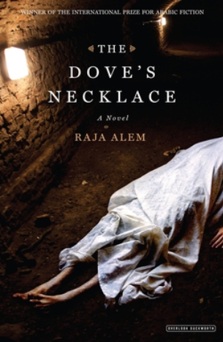
12. The Dove’s Necklace
| ラジャー・アーリム作 | رجاء عالم | By Raja’a Alem |
| 書誌情報 | Bibliographical Note |
| 「鳩の首飾り」は、サウジアラビアの作家ラジャー・アーリム(رجاء عالم)による小説です。2010年に出版され、翌2011年には国際アラビア語小説賞を共同受賞しました。本作は著者を現代アラビア文学の第一線へ押し上げた代表作として知られています。 | The Dove’s Necklace is a novel by Saudi writer Raja’a Alem (رجاء عالم). First published in 2010, it received International Prize for Arabic Fiction in 2011. Novel is widely regarded as one of most important works by author and a landmark of contemporary Arabic fiction. |
| 概要 | Outline |
| 「鳩の首飾り(طوق الحمام)」は、ラジャー・アーリム(رجاء عالم)による長編小説です。舞台は現代のメッカ(مكة)です。本作品は推理小説の要素と、現代イスラーム社会が抱える社会的・文化的課題の考察を結び付けています。 | The Dove’s Necklace (طوق الحمام), a novel by Raja’a Alem (رجاء عالم), is set in modern Mecca (مكة). Story combines a detective mystery with a broader examination of social and cultural issues within contemporary Islamic society. |
| 物語の中心には、伝統と急速な変化が共存する都市における個人と社会の自己認識の探求があります。 | At its center is a search for identity, both personal and collective, in a city where tradition and rapid change exist side by side. |
| 物語は不可解な女性の死亡事件から始まります。警察官ナーセル・アル=カフターニー(ناصر القحطاني)は、「多くの頭の路地」と呼ばれる古い路地に窓から転落した女性の身元と死因を調べる任務を与えられます。 | Novel begins with a mysterious death. Policeman Nasser al-Qahtani (ناصر القحطاني) is assigned to investigate a woman who falls from a window into an old alley known as Lane of Many Heads. |
| しかし遺体の損傷が激しく、周囲の人々も沈黙を守るため、捜査は難航します。女性の身元を隠そうとする社会的な羞恥心が、事件そのものと同じほど重要な主題となっています。 | Identification of victim proves difficult because her body is badly damaged and because people around her remain silent. Shame surrounding exposed female identity becomes as important as mystery itself. |
| 捜査が進むにつれ、ナーセルの関心は犯人探しよりも、亡くなった女性が誰であったのかを明らかにすることへ向かいます。やがて捜査は、事件直前に姿を消した親友同士の アッザ(عزة)とアーイシャ(عائشة)へ集中します。 | As investigation progresses, Nasser becomes less concerned with discovering a murderer than with learning who victim really was. Attention soon turns to Azza (عزة) and Aisha (عائشة), two close friends who disappear shortly before woman’s death. |
| ナーセルは手掛かりを探す中で、アーイシャがドイツ人の恋人に送った数多くの電子メールを発見します。そしてその内容に強く引き込まれ、捜査官としての冷静さを次第に失っていきます。 | While searching for answers, Nasser finds numerous emails written by Aisha to her German lover. Reading these messages draws him deeply into her private world and gradually weakens his objectivity as an investigator. |
| ラジャー・アーリムは、男女が厳しく隔てられた社会における人間関係を鮮やかに描いています。男女の間の距離は、好奇心や憧れ、欲望を生み出します。登場人物たちの情熱や切望、想像力、秘密は、詩的で感覚的な文章によって表現されています。 | Raja’a Alem presents a vivid portrayal of relationships between men and women in a society where separation between sexes creates distance, curiosity, and desire. Passion, longing, imagination, and secrecy shape many interactions. Emotional and psychological tensions are often expressed through poetic and highly sensory language. |
| 舞台は現代でありながら、作品全体には古いメッカ(مكة)の空気が漂っています。古い路地、記憶、伝承、人々の隠された生活が、現実と幻想が交錯する夢のような世界を生み出しています。また、複数の視点と物語が織り重なる複雑な構成が、その独特な雰囲気をさらに強めています。 | Although setting is contemporary, atmosphere of old Mecca (مكة) permeates every page. Ancient alleys, memories, legends, and hidden lives create an almost dreamlike environment where reality and imagination frequently merge. Complex narrative structure reinforces this feeling, as many voices and stories intertwine throughout novel. |
| 本作品の最も重要な主題の一つは女性の立場です。作中では、女性の日常生活、服装、移動、教育、自己表現に加えられる様々な制約が描かれています。 | One of most important themes is status of women in society. Novel describes restrictions placed upon women’s daily lives, appearance, movement, education, and personal expression. |
| 女性たちは社会からも自分自身からも見えにくい存在となり、しばしば匿名の存在として扱われます。作者はそのような状況を通して、自己認識、自由、人間の尊厳について考察しています。 | Women often remain unseen, unheard, and anonymous, becoming almost invisible both to society and to themselves. Through these experiences, novel examines questions of identity, freedom, and human dignity. |
| もう一つの重要な登場人物は、「多くの頭の路地」そのものです。この路地は物語前半で語り手の役割を果たします。しかし都市開発が進むにつれて古い家々や商店は姿を消し、路地の声も次第に弱まっていきます。この歴史ある地域の消滅は、近代化の中で失われていく記憶、文化的独自性、そして伝統的価値観の象徴となっています。 | Another major character is Lane of Many Heads itself, which serves as a narrator during early part of story. As modern development transforms city, old houses and shops disappear and voice of lane gradually fades. Destruction of historical neighbourhood symbolizes loss of memory, identity, and traditional values in face of modernisation. |
| ナ-セルの人間的な転落と変貌するメッカの姿を通じて、本作品は伝統的価値観が近代化の中で存続できるのかを問い掛けています。ラジャー・アーリムは単純な答えを示しません。その代わりに、信仰、歴史、自己認識、現代生活の均衡を模索する社会の姿を、多面的かつ深く描き出しています | Through Nasser’s personal decline and changing landscape of Mecca, novel questions whether traditional values can survive modern transformation. Raja’a Alem does not present simple answers. Instead, she offers a rich and challenging portrait of a society attempting to balance faith, history, identity, and modern life. |
| 出典:ローリ・フェザーズ訳ラジャー・アーリムの「鳩の首飾り」 Words Without Borders. [wordswitho…orders.org] | Source: Lori Feathers, Raja Alem’s “The Dove’s Necklace”, Words Without Borders. [wordswitho…orders.org] |
| 意義 | Significance |
| 本作はメッカを文学的空間として描いた極めて独創的な作品です。都市そのものを語り手にする構成は現代アラビア文学の中でも特に独自性が高いと評価されています。 | Novel is notable for transforming Mecca into a literary character. Innovative narrative structure allows city itself to become witness and storyteller. |
| また、歴史と現代、宗教都市と日常生活、現実と幻想を結び付けながら、都市の記憶という主題を深く掘り下げています。その文学的完成度によって国際的な評価を獲得した代表作です。 | By blending urban history with imagination, work explores memory, identity, and place in unique ways. Literary originality and rich portrayal of city contributed to its international recognition. |
13. 火花を放つもの
ترمي بشرر
13. Throwing Sparks Novel
| アブド・カール作 | عبده خال | By Abdo Khal |
| 書誌情報 | Bibliographical Note |
| 「火花を放つもの」は、サウジアラビアの作家アブド・カール(عبده خال)による小説です。2009年に出版され、2010年には国際アラビア語小説賞(الجائزة العالمية للرواية العربية)を受賞しました。同賞を受賞した最初のサウジアラビア小説として知られています。 | Throwing Sparks is a novel by Saudi writer Abdo Khal (عبده خال). Published in 2009, it won International Prize for Arabic Fiction (الجائزة العالمية للرواية العربية) in 2010 and became first Saudi novel to receive that distinction. |
| 概要 | Outline |
| 「火花を放つもの(ترمي بشرر)」は、アブド・カール(عبده خال)による長編小説です。舞台はジェッダ(جدة)であり、不平等、腐敗、暴力、そして精神的葛藤に満ちた現代サウジアラビア社会を描いています。 | Throwing Sparks (ترمي بشرر), a novel by Abdo Khal (عبده خال), is set in Jeddah (جدة) and presents a powerful portrait of inequality, corruption, violence, and spiritual struggle in contemporary Saudi society. |
| アラブ小説国際賞を受賞した本作品は、極度の貧困と莫大な富との狭間に生きる人々の運命を描いています。作者は個人の人生と社会批判を結び付けながら、道徳や責任感を欠いた権力がもたらす結果を考察しています。 | Winner of International Prize for Arabic Fiction, novel examines lives of people trapped between extreme poverty and enormous wealth. Through personal stories and social criticism, author explores consequences of power exercised without morality or accountability. |
| 物語はターレク・ファーデル(طارق فاضل)と親友のイーサー(عيسى)、ウサーマ(أسامة)を中心に進みます。3人は「火の穴」と呼ばれる貧民街で育ちます。そこは貧困と困窮に支配され、将来への希望も乏しい地域です。 | Story follows Tarek Fadel (طارق فاضل) and his closest friends, Issa (عيسى) and Osama (أسامة). All three grow up in a slum district known as Firepit, a place marked by poverty, hardship, neglect, and limited opportunity. |
| 彼らの少年時代は厳しい家庭環境と生き残るための苦闘によって特徴付けられています。しかし彼らは、いつの日かその境遇から抜け出したいという願いを共有しています。 | Their childhood is shaped by difficult family circumstances and a constant struggle for survival. Yet they share a hope that one day they might escape miserable conditions and build different lives for themselves. |
| 転機となるのは、イーサー が「マスター」と呼ばれる有力者の周囲へ入り込むことです。その縁によって3人はまったく異なる世界へ導かれます。彼らは貧民街の狭い路地を離れ、豪華な宮殿での生活へ移ります。当初は奇跡的な成功のように見えます。 | Turning point comes when Issa gains access to household of a wealthy and influential figure known simply as Master. Through this connection, boys are drawn into an entirely different world. They leave crowded alleys of Firepit and enter Palace, a place of luxury, privilege, and apparent success. At first, opportunity seems miraculous. |
| しかし宮殿はやがて、華麗な外見の裏側に恐怖、支配、残虐性、そして無制限な権力が潜む場所であることを明らかにします。 | However, Palace soon reveals itself as a place where fear, manipulation, cruelty, and unchecked power flourish beneath an elegant surface. |
| 本作品には数多くの登場人物が現れますが、中心となるのはターレクの人生です。物語は彼の回想や告白によって語られます。 | Although many characters appear throughout novel, central narrative belongs to Tarek. Much of story is told through his memories, reflections, and confessions. |
| 貧民街で過ごした少年時代への回想は、登場人物たちの行動理由を説明するとともに、後に表面化する対立の源を明らかにします。こうして過去と現在が重なり合い、貧困、野心、友情、裏切りによって形作られた人生が浮かび上がります。 | Flashbacks to childhood in Firepit help explain motivations of various characters and reveal roots of conflicts that emerge later. Past and present gradually merge, creating a complex picture of lives shaped by poverty, ambition, loyalty, and betrayal. |
| アブド・カールはターレクを取り巻く多様な人物たちを丹念に描いています。近隣の住民、親族、敵対者、そして昔の友人たちは、それぞれ物語の展開に重要な役割を果たします。 | Abdo Khal carefully develops a wide network of supporting characters whose lives intersect with Tarek’s. Neighbours, relatives, rivals, and former friends all contribute to unfolding drama. |
| 当初は無関係に見える出来事も、物語が進むにつれて結び付いていきます。長年隠されていた怨恨や過去が現在へ影響を及ぼし、緊張感が次第に高まります。この構成によって作者は個人の運命だけでなく社会全体の姿も描き出しています。 | Events that appear unrelated at first gradually become connected. Tension increases as long-hidden grievances and personal histories return to influence present events. Structure allows author to explore both individual destinies and broader social realities. |
| 特に重要な役割を果たす女性がマラーム(مرام)とムーディ(موضي)です。彼女たちは主要人物たちの運命に大きな影響を与え、物語を結末へ導いていきます。 | Two women hold especially important positions within narrative. Maram (مرام) and Mawdie (موضي) influence destinies of several major characters and help drive story toward its conclusion. |
| 作者は彼女たちの経験を通じて、女性の立場、苦難、人間としての尊厳、そして忍耐を描いています。さらに社会の仕組みが女性に重い負担を課しながら、その自由を制限している現実を示しています。 | Through their experiences, novel examines treatment of women, personal suffering, dignity, and resilience. Their stories reveal how social structures often place heavy burdens on women while limiting their freedom and choices. |
| 個人の物語を超えて、本作品は社会的・政治的権力に対する厳しい批判となっています。マスターは莫大な財産を持ち、公的機関へ影響力を行使し、自らの支配を妨げる存在を排除します。 | Beyond personal stories, novel functions as a severe criticism of social and political power. Master controls wealth, influences public institutions, and removes obstacles to his authority. |
| その宮殿は、経済力が社会を支配する体制そのものの象徴となっています。貧民街と宮殿は対照的な世界ですが、腐敗や搾取や不平等は両者を結び付けています。 | Palace becomes a symbol of a system in which economic power dominates society. Firepit and Palace stand as opposing worlds, yet they remain connected because corruption, exploitation, and inequality flow between them. |
| 書評によれば、本作品は単なる個人の罪を描いた小説ではありません。アブド・カールは腐敗が社会全体の構造から生み出されることを示唆しています。 | Reviewer notes that novel is not simply about individual wrongdoing. Instead, Abdo Khal suggests that corruption emerges from an entire social order. |
| 作中の様々な行為は、特権や支配の仕組みと結び付いています。そのため本作品は個人の悲劇であると同時に、中東社会の政治や経済権力について考察する作品ともなっています。 | Crimes committed by characters are linked to larger systems of privilege and domination. Story therefore becomes not only a personal tragedy but also a reflection on modern society, politics, and economic power in Middle East. |
| 歳月が流れるにつれて、ターレクは宮殿での生活に強い幻滅を抱くようになります。富や特権は心の平安や人生の意味を与えてくれません。友人たちは離散し、人間関係は崩れ、妥協の積み重ねが彼を苦しめます。 | As years pass, Tarek becomes increasingly disillusioned with life inside Palace. Wealth and privilege fail to provide meaning or peace. Friends disappear, relationships collapse, and moral compromises accumulate. |
| やがて彼は自らの人生の意味と選択について深く考え始めます。この意識の変化によって物語は世俗的な成功から精神的な探求へと向かいます。 | Gradually he begins to question purpose of his life and value of choices he has made. This growing awareness leads narrative away from worldly ambition and toward spiritual reflection. |
| 多くの政治小説が復讐や革命によって終わるのに対し、「火花を放つもの」は信仰と救済へ向かう結末を選んでいます。政治的勝利よりも精神的再生の方が重要な意味を持っています。 | Unlike many political novels that end with revenge or revolution, Throwing Sparks moves toward a conclusion grounded in faith and redemption. Spiritual renewal becomes more important than political victory. |
| アブド・カールは、人間性、責任、そして希望について深く考えさせる作品を書き上げました。本作品は苦難と自己省察を通じて、強欲や腐敗や権力が支配する世界において、人間はなお道徳的・精神的に再生できるのかを問い掛けています。 | Abdo Khal ultimately presents a thoughtful meditation on humanity, responsibility, and hope. Through struggle, suffering, and self-examination, novel asks whether moral and spiritual recovery remains possible in a world shaped by greed, corruption, and power. |
| 出典: Andrew C. Long氏による「火花を放つもの(Throwing Sparks)」の書評(Banipal掲載)の要約。。 [banipal.co.uk] | Source: Summary of Andrew C. Long’s review of Throwing Sparks, published in Banipal. [banipal.co.uk] |
| 意義 | Significance |
| 本作は現代サウジ文学における社会批判的作品の代表例です。富と権力がもたらす腐敗を描きながら、人間性の喪失という問題を鋭く問い掛けています。 | Novel stands as a major critique of inequality, corruption, and abuse of power. Through personal story of protagonist, it examines moral consequences of wealth and domination. |
| また、2010年の国際アラビア語小説賞受賞によって、サウジ文学の存在を広く国際社会へ紹介する役割も果たしました。 | Recognition by International Prize for Arabic Fiction brought wider international attention to contemporary Saudi literature and confirmed importance of novel within modern Arabic fiction. |
14. ディーゼル
الديزل
14. The Diesel
| サーニー・アッ=スワイディー作 | ثاني السويدي | By Thani Al Suwaidi |
| 書誌情報 | Bibliographical Note |
| 「ディーゼル(الديزل)」は、サーニー・アッ=スワイディー(ثاني السويدي)によるエミラート(UAE)文学を代表する実験的中編小説です。 | “The Diesel (الديزل)”, a novella by Thani Al-Suwaidi (ثاني السويدي), is one of the most distinctive works in modern Emirati (UAE) literature. |
| 海と沙漠、民間伝承、そして急速な社会変化に彩られた湾岸の海辺の共同体を舞台とし、一人の人物と社会全体の変容を描いています。作品は極めて詩的な文体で書かれ、口承文学、神話、象徴的物語を融合させています。 | Set in a coastal Gulf community shaped by sea, desert, folklore, and rapid social change, the novella explores transformation of both an individual and a society. Written in a highly poetic style, it combines elements of oral storytelling, myth, and symbolic narrative. |
| 概要 | Outline |
| 物語の中心には「ディーゼル」と呼ばれる謎めいた人物が存在します。彼はラアス・アル=ハイマ(رأس الخيمة)に実在した民衆芸能人をモデルとしているとされ、小説の中では神話的な存在へと変貌します。歌や踊り、そして人を惹きつける魅力によって人々を魅了し、多くの住民にとっては伝統的な宗教権威を凌ぐほどの影響力を持つ存在となります。 | At center of novella stands a mysterious figure known as “The Diesel”. Based on a popular folk performer associated with Ras Al Khaimah (رأس الخيمة), Diesel evolves within narrative into a near-mythical character. Through singing, dancing, and charismatic presence, he captivates ordinary people and gradually becomes more influential than traditional religious authority in eyes of many townspeople. |
| ディーゼルが名声を獲得していく過程は、そのまま自己発見の旅でもあります。人々の注目を集めるにつれ、彼は自身の自己認識や芸術的な力を探求し始めます。物語は通常の筋書き中心の小説ではなく、詩的な回想や象徴的な体験の連なりとして語られます。男性性、女性性、芸能、そして個人の自由という問題が作品全体を貫いています。 | Diesel’s rise to fame is also a journey of self-discovery. As he gains recognition, he begins to explore his own identity and artistic power. His story is presented not as a conventional plot-driven narrative but as a series of poetic reflections, memories, and symbolic experiences. Questions of masculinity, femininity, performance, and personal freedom run throughout work. |
| アッ=スワイディー自身の説明によれば、本作品は石油経済の発展が湾岸の小規模共同体に与えた影響を描いています。古い伝統と新しい文化の狭間で揺れる社会の中で、人々の日常生活や価値観、人間関係は大きく変化していきます。そしてディーゼルは、そのような緊張や変化を象徴的に体現する存在として描かれています。 | According to Al-Suwaidi’s own comments, novella examines impact of growing oil wealth on small Gulf communities caught between older traditions and emerging cultural influences. Rapid modernization alters daily life, social values, and relationships, while Diesel becomes a symbolic figure through whom these tensions are expressed. |
| 「ディーゼル」は単なる物語ではなく、自己認識、文化、そして変化についての詩的かつ象徴的な省察として展開します。海のイメージ、民間伝承、魔術、夢、そして民衆信仰が織り込まれ、現実と幻想の境界を揺さぶる独特の文学世界を形成しています。この詩と物語の融合こそが、本作品を現代エミラート(UAE)文学を代表する重要作品の一つにしています。 | Rather than offering a straightforward story, The Diesel unfolds as a poetic and symbolic meditation on identity, culture, and change. Sea imagery, folklore, magic, dreams, and popular beliefs appear throughout text, creating a rich literary world that challenges boundaries between reality and imagination. This unique blend of poetry and narrative has made novella one of most discussed works in modern Emirati literature. |
| 出典: Al Khaleej、Great Middle East Gate、ARABLIT、Three Percent、Complete Reviewの分析を含むサーニー・アッ=スワイディー(ثاني السويدي)による「ディーゼル(الديزل)」の批判的議論。 | Source: Critical discussions of The Diesel (الديزل) by Thani Al-Suwaidi (ثاني السويدي), including analyses from Al Khaleej, Great Middle East Gate, ARABLIT, Three Percent, and Complete Review. |
| 意義 | Significance |
| 本作はUAE文学の実験性と創造性を示した重要な作品です。従来の小説形式に挑戦し、新しい表現の可能性を切り開きました。 | Novel demonstrates creative range of Emirati literature and expands boundaries of narrative form. |
| また、湾岸文学が単なる社会描写にとどまらず、高度な文学的実験を含む豊かな領域であることを示した作品としても評価されています。 | Its use of symbolism, poetic language, and unconventional storytelling helped establish it as an influential example of experimental fiction from UAE. |
15. 一時的な人々
أشخاص مؤقتون
15. Temporary People
| ディーパック・ウニクリシュナン作 | ديباك أونيكريشنان | By Deepak Unnikrishnan |
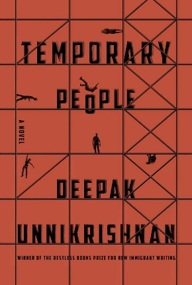
| 書誌情報 | Bibliographical Note |
| 「一時的な人々(أشخاص مؤقتون)」はディーパック・ウニクリシュナン(ديباك أونيكريشنان)による小説です。2017年に出版されました。本作品はアラブ首長国連邦(الإمارات العربية المتحدة)で暮らす移民労働者たちの人生を描いています。 | “Temporary People (ديباك أونيكريشنان)” is a novel by Deepak Unnikrishnan (ديباك أونيكريشنان). First published in 2017, work focuses on lives of migrant workers in United Arab Emirates (الإمارات العربية المتحدة). |
| 単一の主人公の物語ではなく、「Chabters」と呼ばれる連作形式によって構成されており、湾岸地域で一時的な滞在者として暮らす人々の声、記憶、夢、経験が描かれています。写実主義、民間伝承、風刺、幻想的要素を融合した作品として国際的な評価を受けています。 | Rather than following one central protagonist, novel consists of interconnected “Chabters” that present voices, memories, dreams, and experiences of people living in Gulf as temporary residents. Combining realism, folklore, satire, and fantasy, work has attracted international attention as a distinctive portrayal of migrant life in contemporary Gulf society. |
| 概要 | Outline |
| 「一時的な人々」は、アラブ首長国連邦(الإمارات العربية المتحدة)で暮らす移民共同体の経験を描いています。主な登場人物はインド(الهند)、パキスタン(باكستان)、バングラデシュ(بنغلاديش)、フィリピン(الفلبين)出身の労働者たちです。 | “Temporary People” explores experiences of migrant communities living in United Arab Emirates (الإمارات العربية المتحدة), especially workers from India (الهند), Pakistan (باكستان), Bangladesh (بنغلاديش), and Philippines (الفلبين). |
| 彼らの多くは湾岸地域で長年暮らしていますが、市民権も政治的発言権も持たず、常に外部者として扱われています。作品は、不安定な立場、家族との分離、経済的必要性、そして滞在資格がいつ失われるか分からない状況の中で生きる人々を描いています。 | Most characters have spent many years in Gulf, yet remain outsiders without citizenship, political influence, or lasting security. Novel examines lives shaped by uncertainty, separation from family, economic necessity, and constant awareness that residence in country may end at any time. |
| 本作品は1本の連続した筋書きによって進むわけではありません。それぞれの「Chabter」は異なる人物や状況を描いています。こうした断片的な物語が集まり、一員が到着し、去り、消え、あるいは国境を越えて移動し続ける共同体の姿が示されます。この構成そのものが題名の意味を体現しています。登場人物たちの人生は一時的であり、人々の結び付きもまた脆く不完全です。 | Novel does not present one continuous storyline. Each “Chabter” introduces different characters and situations. Together these fragments create portrait of a community whose members often arrive, depart, disappear, or move between countries. Structure reflects very condition described in title. Lives of characters are temporary, and connections between them are often fragile and incomplete. |
| 繰り返し描かれる主題の1つは、言語と権力との関係です。登場人物たちはマラヤーラム語(മലയാളം)、ヒンディー語(हिन्दी)、アラビア語(العربية)、英語など複数の言語の間を行き来します。特定の言語を話せるかどうかは、その人物の社会的地位や自信、さらには保護される程度にまで影響します。言語は帰属の象徴となり、言語の違いは社会的階層や排除の構造を浮かび上がらせます。 | One recurring theme is relationship between language and power. Characters move between Malayalam (മലയാളം), Hindi (हिन्दी), Arabic (العربية), English, and other languages. Ability or inability to speak particular language often determines status, confidence, and level of protection available to an individual. Language becomes a marker of belonging, while linguistic difference often reveals social hierarchy and exclusion. |
| 印象的な物語の1つはチェインスモークという人物を描いています。彼はドバイ(دبي)の商店で道化師の衣装を着て商品宣伝を行います。しかし陽気な道化を演じていても、人種、階級、移民という立場のために繰り返し侮辱や屈辱を受けます。この物語は、外国人労働者に依存しながらも彼らを見えない存在あるいは劣った存在として扱う社会の矛盾を示しています。 | One memorable story follows Chainsmoke, who earns money by wearing clown costume and promoting products in supermarkets in Dubai (دبي). Although he is dressed as a cheerful entertainer, customers and employees often humiliate him because of race, class, and migrant status. Experiences reveal contradictions of a society that depends upon foreign labour while simultaneously treating many workers as invisible or inferior. |
| 別の重要な「Chabter」では、移民の少年たちが空き地で即席のサッカー共同体を作ります。短い時間だけ国籍の違いは消え去ったかのように見えます。しかし警察の登場によって社会的な格差が明らかになります。地元のアラブ人少年たちは移民の子どもたちにはない自信と保護を持っています。一見共有されていた共同体は、一時的な幻想にすぎなかったことが示されます。 | Another important “Chabter” centres on migrant boys who create temporary football community in empty parking lots. For a brief time, differences of nationality appear to disappear. Yet arrival of authorities exposes unequal positions within society. Local Arab youths possess confidence and protection unavailable to migrant children. What seemed a shared community proves to be only temporary illusion. |
| 作品は移住が家族へ与える影響についても描いています。親は子どもを故郷に残して長期間働きに出ます。子どもたちは父親や母親の不在の中で成長します。兄弟姉妹は互いに疎遠になります。生活のために犠牲は必要ですが、その犠牲は守ろうとしていた家族の絆そのものを弱めていきます。不在は作品全体を貫く最も重要な現実の1つとなっています。 | Novel also examines consequences of migration on family life. Parents leave children behind for years. Children grow up without mothers or fathers. Brothers and sisters become strangers. Economic survival demands sacrifice, but sacrifice often weakens emotional bonds that migrants hope to preserve. Absence becomes one of most pervasive realities in narrative. |
| 「移住者」や「異郷人」を意味する pravasi という言葉も繰り返し登場します。登場人物たちは故郷と移住先の間に置かれています。故郷を離れながらも、新たな土地に完全に属することはできません。故郷は遠く離れ、新しい国も真の故郷とはなりません。その状態は孤独や不安定さを生み出す一方で、新しい文化や新しい自己認識をも生み出します。 | Word “pravasi,” meaning migrant or expatriate, appears repeatedly throughout novel. Characters occupy uncertain position between homeland and destination. They have left one place but never fully belong to another. Home remains distant, yet new country never becomes entirely theirs. This condition creates loneliness and instability, but also generates new identities and new forms of culture. |
| 本作品は労働や移住の現実を描くだけでなく、幻想的な想像力にも満ちています。労働者が種から育ち、建物が象徴的な意味を持ち、奇妙な神話が共同体の中で語られます。夢や伝説や不条理な変身が物語全体に現れます。こうした幻想的要素は、単なる写実主義だけでは表現しきれない移民たちの現実を描く手段となっています。 | Alongside realistic depictions of labour and migration, novel embraces surreal imagination. Workers grow from seeds. Buildings acquire symbolic meanings. Strange myths circulate among communities. Dreams, legends, and absurd transformations appear throughout narrative. These fantastic elements allow Unnikrishnan to express realities that ordinary realism alone might struggle to capture. |
| このような多様な声と物語を通じて、「一時的な人々」は現代湾岸諸都市の建設を支えながらも歴史の表舞台にはほとんど現れない人々の姿を描いています。本作品は、公式な歴史から見落とされがちな人々の記憶、言語、ユーモア、苦難、そして想像力を記録する試みでもあります。 | Through many voices and stories, “Temporary People” creates vivid portrait of people whose labour helped build modern Gulf cities but whose lives often remain unseen. Novel preserves memories, languages, humour, suffering, and imagination of a population usually absent from official histories. |
| 意義 | Significance |
| 「一時的な人々」は湾岸地域における移民労働者の経験を描いた重要な文学作品です。市民や支配層ではなく、多くの湾岸諸国で人口の大部分を占めながら文学の中心となることの少なかった労働者たちに焦点を当てています。 | “Temporary People” is one of most important literary works about migrant life in Gulf region. Unlike many novels that focus on citizens or political leaders, it presents experiences of workers who constitute majority of population in several Gulf states yet rarely appear at centre of literature. |
| 実験的な構成と豊かな想像力によって、ディーパック・ウニクリシュナンは公的な歴史の中で見えにくかった人々の声を可視化しました。本作品は、現代湾岸社会における帰属意識、移住、文化変容についての理解を深める代表的な作品として高く評価されています。 | Through experimental structure and imaginative language, Deepak Unnikrishnan gives visibility to voices often excluded from official narratives. Novel expands understanding of identity, belonging, migration, and cultural change in contemporary Gulf society. |
16. 沙漠の潜水夫たち
غواصو الأحقاف
16. Desert Divers
| アマル・アル=ファーラーン作 | أمل الفاران | By Amal al-Fārān |
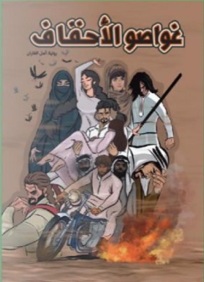
| 書誌情報 | Bibliographical Note |
| 「沙漠の潜水夫たち(غواصو الأحقاف)」は、サウジアラビアの作家アマル・アル=ファーラーン(أمل الفاران)による長編小説です。2016年に刊行され、現代サウジ文学および湾岸文学を代表する作品の1つとして高く評価されています。 | “Ghawwāṣū al-Aḥqāf (غواصو الأحقاف)” is a novel by Saudi writer Amal al-Fārān (أمل الفاران). First published in 2016, work has gained wide recognition as one of most important contributions to contemporary Saudi and Gulf fiction. |
| 本作品は20世紀初頭のアラビア半島内陸部を舞台とし、共同体の歴史、女性たちの生活、自然環境、人間関係の変化を多層的に描いています。 | Narrative is set in interior Arabian Peninsula during early twentieth century and presents a richly layered account of community life, environmental hardship, social change, and experiences of women. |
| 後年にはシェイク・ザーイド賞(جائزة الشيخ زايد للكتاب)との関連でも大きな注目を集め、現代湾岸小説(الأدب الخليجي)研究において重要な研究対象となっています。 | Novel later attracted substantial attention through association with Sheikh Zayed Book Award (جائزة الشيخ زايد للكتاب) and has become an important subject of scholarly research on modern Khaleeji literature (الأدب الخليجي). |
| 概要 | Outline |
| 物語の舞台は、アキーク(العقيق)と呼ばれるオアシス共同体です。この地には、マーニウ(مانع)という祖先の子孫である3つの家系が暮らしています。各家系は異なる地区に居住していますが、長年にわたり勢力争いや襲撃を繰り返しています。 | Story is set in oasis settlement of al-ʿAqīq (العقيق). Community is populated by three families descended from an ancestor named Māniʿ (مانع). Each family occupies a different quarter of settlement, yet rivalry, raids, and conflict regularly erupt among them. |
| 人々は農耕、牧畜、交易、採珠のための潜水などによって生活を維持していますが、洪水、干ばつ、飢饉、バッタの大発生といった自然の脅威にも常に直面しています。作品は特定の主人公だけを中心とするのではなく、多数の人物の声を積み重ねながら共同体全体の歴史を描いています。 | Daily life depends on farming, herding, trade, and pearl-diving journeys, while floods, droughts, famine, and locust invasions continually threaten survival. Rather than concentrating on a single protagonist, narrative brings together many voices and experiences to portray life of an entire community. |
| 物語の中心には、共同体の女性たちの生き方があります。登場人物たちは戦争や対立だけでなく、結婚、離婚、家族関係、労働、名誉といった問題とも向き合います。 | Central focus falls on lives of women within community. Characters confront not only warfare and tribal rivalry but also marriage, divorce, family obligations, labour, and honour. |
| 女性たちは家事に従事するだけではなく、羊やラクダの世話を行い、農作業を担い、収穫に参加し、水を汲み、共同体が困難な状況に置かれた時には重要な役割を果たします。作品は女性たちを受動的な存在としてではなく、共同体維持に不可欠な主体として描いています。 | Women participate actively in daily economy by caring for livestock, cultivating fields, harvesting crops, carrying water, and helping sustain society during times of crisis. Narrative presents women not as passive figures but as essential participants in maintenance and survival of community. |
| とりわけ重要なのが、ナフラ(نفلة)の物語です。彼女は美しさと活力に恵まれた若い女性として描かれます。踊りは彼女にとって自己表現の象徴であり、生きる喜びの表れでもあります。 | Particularly important is story of Naflah (نفلة). She is portrayed as a lively and admired young woman whose dancing symbolizes freedom, joy, and individuality. |
| しかし、アムーシュ(عموش)との結婚後、彼女は自由な踊りを禁じられます。これは単なる夫婦間の対立ではなく、自立した人格を維持しようとする彼女の闘いとして描かれています。やがて彼女は夫の支配に抵抗し、自らの尊厳を守るために離婚を求める決断を下します。 | After marrying ʿAmūsh (عموش), however, she is forbidden to dance publicly. Conflict becomes more than a domestic disagreement; it develops into a struggle to preserve personal autonomy and dignity. Eventually she challenges restrictions placed upon her and seeks divorce in order to reclaim control over her life. |
| 作品にはさらに、強い意志を持つフルジャ(فرجة)、運命に翻弄されるバトラ(بطلة)など、多様な女性たちが登場します。 | Novel also introduces other memorable women, including Furjah (فرجة), who openly defends her independence, and Batlah (بطلة), whose life is shaped by decisions made by others. |
| 彼女たちはそれぞれ異なる方法で社会的制約に向き合い、自らの判断と行動によって人生を切り開こうとします。こうした複数の物語を通じて、小説は共同体内部の権力関係や価値観の複雑さを描き出しています。 | Each woman negotiates social constraints in a different manner and attempts to shape her own destiny. Through these intertwined stories, narrative reveals complex structures of power, family relations, and social expectations operating within community. |
| 同時に作品は、人間だけでなく自然そのものも重要な存在として描いています。洪水や干ばつは単なる背景ではなく、人々の運命や共同体の記憶を形作る力として作用します。 | At same time, natural environment functions as a powerful presence rather than a passive backdrop. Floods, droughts, and harsh desert conditions shape destinies of individuals and preserve collective memory of community. |
| 人間同士の争いと自然環境との闘いが重なり合いながら、共同体の歴史が形成されていきます。 | Human conflict and environmental struggle become closely interconnected, creating a broader narrative about survival and continuity. |
| 意義 | Significance |
| 「沙漠の潜水夫たち」は、現代湾岸文学における重要な到達点の1つです。本作品は、沙漠を男性だけの世界として描く従来の表象を見直し、女性たちの視点と主体的行動を前面に押し出しています。 | “Ghawwāṣū al-Aḥqāf” represents a major achievement in contemporary Gulf literature. Novel challenges traditional portrayals of desert society as an exclusively male domain and brings women’s experiences and agency into centre of narrative. |
| 同時に、20世紀初頭のアラビア半島における共同体生活、経済活動、自然環境、社会的価値観を豊かに再現しています。 | At same time, it offers a vivid reconstruction of community life, economic activity, environmental conditions, and social values in early twentieth-century Arabia. |
| 歴史小説、社会小説、女性文学、沙漠文学という複数の側面を併せ持つ本作品は、現代サウジ小説のみならず湾岸文学全体を理解する上でも欠くことのできない作品となっています。 | Combining historical fiction, social narrative, women’s perspectives, and desert literature, work occupies an important place not only in modern Saudi fiction but also in broader development of Khaleeji literary tradition. |

