7 Effects of global warming




目次 (Index)
7.1 降雪
7.1.1 零下12℃の大寒波
7.1.2 真夏のスーダ山に降雪
7.2 洪水をもたらす降雨
7.2.1 「この春は何故雨が多く寒いのか?」
7.2.2 ルブア・ハーリー沙漠北東部での洪水
7.2.3 ナジュドの鉄砲水
7.2.4 サウジ全域で降雨
7.2.5 フルマの洪水
7.2.6熱帯性サイクロン
7.1 Snowfall
7.1.1 Cold Wave at 12°C below zero
7.1.2 Snowfall on Mount Soudah in midsummer
7.2 Rainfall that causes flooding
7.2.1 “Why is it so rainy and cold this spring?”
7.2.2 Flooding in the northeastern Rub’ al Khali Desert
7.2.3 Flash flood in Najd region
7.2.4 Rainfall over entirely the Saudi Arabia
7.2.5 Flood of Khurmah
7.2.6 Tropical cyclones
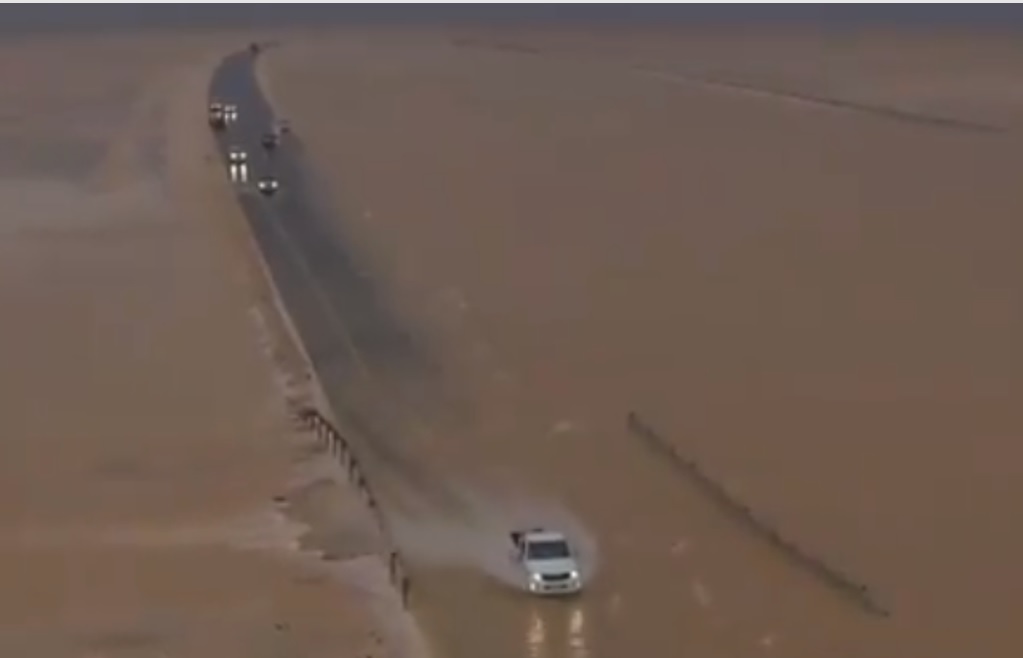
アラビア半島では長期的には温暖化に加えて降雨量の減少傾向が過去の記録から予測されています。しかしながら、長期の気象予測とは反対に冷たい気象や大雨による洪水が増えています。これは温暖化に伴い偏西風の蛇行等に見られる地球規模での気候の偏りが原因していると説明されています。ともあれ、アラビア半島に起きる嵐について幾つか例を挙げてみました。
嵐の内の大半を占めるのは、従来からの砂・砂塵嵐です。それに加えて従来は、イエメンやオマーンの沿岸での被害に限られていたインド洋の熱帯性サイクロン(日本における台風に相当)が、さらに北のルブア・ハーリー沙漠の南部やアラブ首長国連邦まで被害を及ぼす事例が表れてきています。
In the long term, the Arabian Peninsula is predicted to have a decreasing trend of rainfall in addition to global warming from past records. However, contrary to long-term weather forecasts, flooding due to cold weather and heavy rain is increasing. It is explained that this is caused by the global climate bias seen in the meandering of westerlies accompanying global warming. Anyway, here are some examples of storms that can occur on the Arabian Peninsula.
The majority of storms are traditional sandstorms. In addition to this, there are also storms caused by tropical cyclones in the Indian Ocean (corresponding to typhoons in Japan). However, the damages caused by tropical cyclone storms had so far been limited to the coasts of Yemen and Oman. However, there are recent cases where the damages have spread to the Southern Rub’ al Khali and the United Arab Emirates.
7.1 降雪
7.1 Snowfall
7.1.1 零下12℃の大寒波
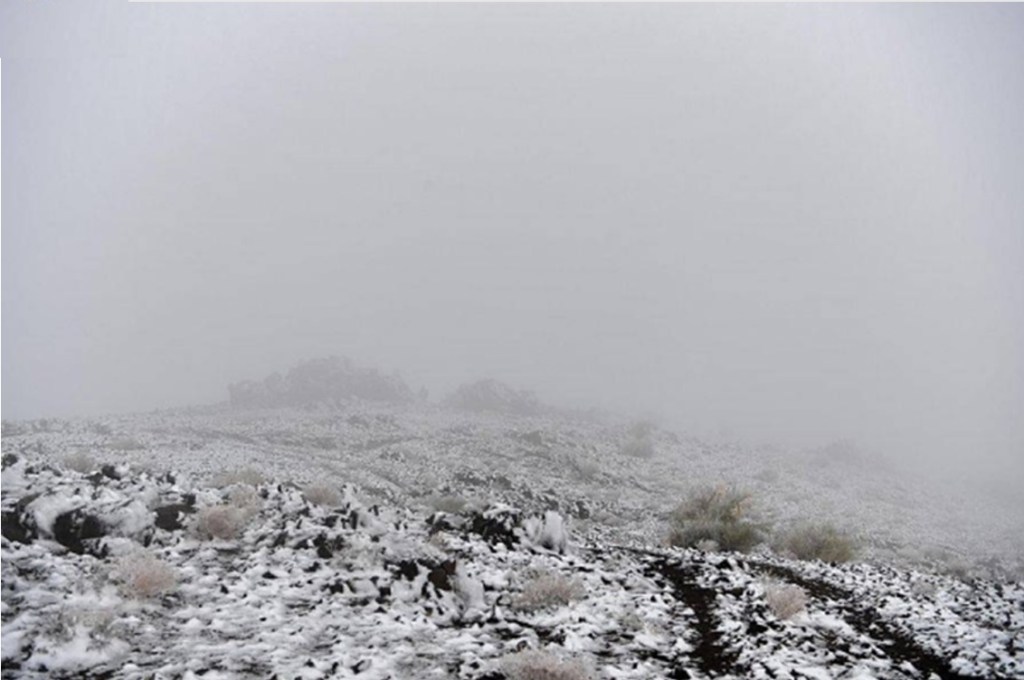
2022年1月18日付けのサウジガゼットおよび アラブニュースは、国立気象センターが寒波の到来を告げ、北部国境州 (منطقة الحدود الشمالية)のトゥライフ (طريف)では-12℃を記録したと報じています。また、2021年の冬の初め以来の最低気温はマイナス6度で、続いてクライヤートがマイナス5度、アルアルがマイナス4度でしたが、今回も低温と大雪への注意を呼び掛けています。また、首都リヤードでも気温が1℃まで下がり、メッカからアシールやジーザーン(Jizan)にかけては低温と雷雨が続くと予想されていました。
7.1.1 Cold Wave at 12°C below zero
The Saudi Gazette and Arab News dated January 18, 2022 reported that the National Center of Meteorology had announced the arrival of a severe cold wave together with a low temperature of -12 degrees Celsius recorded in Turaif, the Northern Borders Province. The lowest temperature had been recorded as – 6 degrees since the beginning of winter in 2021. It was followed by -5 degrees Celsius recorded in Al Qurayyat and – 4 degrees Celsius recorded in Ar’ar. But The -12 degrees had been the lowest, ever. In this time, the caution was being warned of low temperature together with heavy snowfall. In the capital Riyad, the temperature had also dropped to 1 °C, and from Mecca to Asir and to Jizan low temperatures and thunderstorms were expected to continue.
(https://saudigazette.com.sa/article/616007)
7.1.2 真夏のスーダ山に降雪
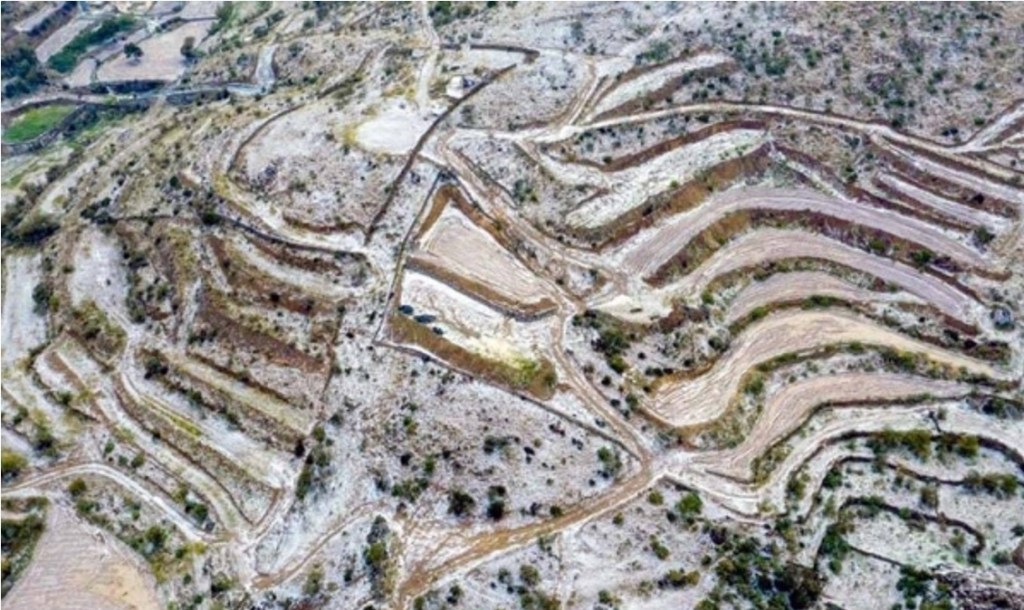
2021年8月30日付のサウジガゼットは、アブハー山地スーダ山 (السودة)に降雪があったことをが報じています。この山地は、例年でもビャクシンの森で覆われ、霧が立ち込め神秘的な雰囲気を醸しだしている山域です。その雰囲気が降雪で一層際立っていました。アラビア半島の北部のヨルダンやイラクとの国境地帯となるタブーク州 (منطقة تبوك)、ジャウフ州 (منطقة الجوف)や北部国境州 (منطقة الحدود الشمالية)では、毎年の様に降雪がありますが、標高が高いとは言え、南部のアシール州 (منطقة عسير)で、しかも真夏に降雪は、記録に無いと思われます。
7.1.2 Snowfall on Mount Soudah in midsummer
The Saudi Gazette, dated August 30, 2021, reported that there had been snowfall on the Mount Souda (السودة) in the Abha Mountains Range. This mountain range is covered with sandalwood forests, and it is a mountain area where fog rises and creates a mysterious atmosphere even every year. The atmosphere was even more pronounced by the snowfall. The Tabuk Province (منطقة تبوك), the Jawf Province (منطقة الجوف) and the Northern Borders Province (منطقة الحدود الشمالية) form the border region with Jordan and Iraq in the northern Arabian Peninsula. There is snowfall almost every year in those provinces. However, despite the high altitude, there had been no record of snowfall in midsummer in Asir Province (منיقة عسير) located in the southern Arabian Peninsula.
(https://saudigazette.com.sa/article/610393/SAUDI-ARABIA/In-the-heat-of-the-summer-Al-Soudah-mountains-seen-with-a-snow-cap)
7.2 洪水をもたらす降雨
7.2 Rainfall that causes flooding
7.2.1 「この春は何故雨が多く寒いのか?」
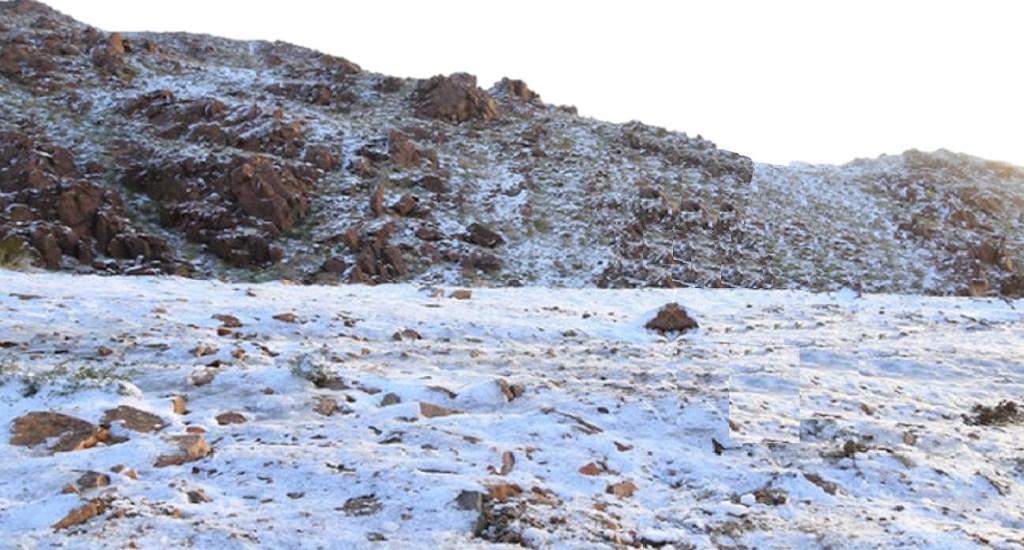
アラブニュース紙が2019年4月15日に「この春は何故雨が多く寒いのか?」と題して、専門家から意見を聴取して次のような指摘をしています。「通常はアラビア半島の春は暖かく、今春の様に寒く、積雪、嵐、降塵、集中豪雨、雷等の襲われることは有りません。この異常気象の原因は、ジェット気流の南下です。通常は西ヨーロッパ上空にあり、雨を降らせる気象前線システムが、この春は、ジェット気流と共に南に下げられています。このために、アラビア半島の上に主に低気圧システムをもたらした高レベルの大気条件で、気象が不安定化しています。また、もう一つの異常気象の原因は、気候変動(地球温暖化)で海面水温が上昇して、対流系(雷雲の集まりが降雨をもたらせる仕組み)に影響していることです。」さらに、アラブニュース紙は事例として幾つかの写真を掲載しています。
聴聞先:UAEの国立気象センター、サウジアラビア気象環境保護総局、ドバイの国際バイオ生理食塩水農業センター、ヨーロッパ中長期予報センターコペルニクス気候変動サービス、ネブラスカ大学のドーガティ・ウォーター・フォー・フード研究所、アラブ首長国連邦大学生物学、ドバイの国際バイオ生理食塩水農業センター
7.2.1 “Why is it so rainy and cold this spring?”
On April 1, 2019, the Arab News newspaper titled “Why is it so rainy and cold this spring?” and asked experts to point out the following: “Usually the spring in the Arabian Peninsula is warm, and as cold as this spring, snow, storms, dustfall, torrential downpours, thunderstorms. You will not be attacked. The cause of this extreme weather is the southward flow of the jet stream. The weather front system, which normally exists over Western Europe and produces rain, has been lowered south this spring with the jet stream. For this reason, the high level of atmospheric conditions that have brought about a predominantly cyclone system over the Arabian Peninsula has destabilized the weather, and that climate change has caused sea surface temperatures to rise. Isn’t it because it affects the convection system (the mechanism by which a collection of thunderclouds causes rainfall)? In addition, the Arab News has published several photographs as examples.
Heard from: National Meteorological Centre in the UAE, General Directorate of Meteorological and Environmental Protection of Saudi Arabia, International Bio-Saline Agriculture Centre in Dubai, European Medium- to Long-Term Forecast Center Copernicus Climate Change Service , Daugerty Water for Food Institute at the University of Nebraska, UAE University of Biology, International Biobio-Saline Agriculture Centre in Dubai
7.2.2 ルブア・ハーリー沙漠北東部での洪水
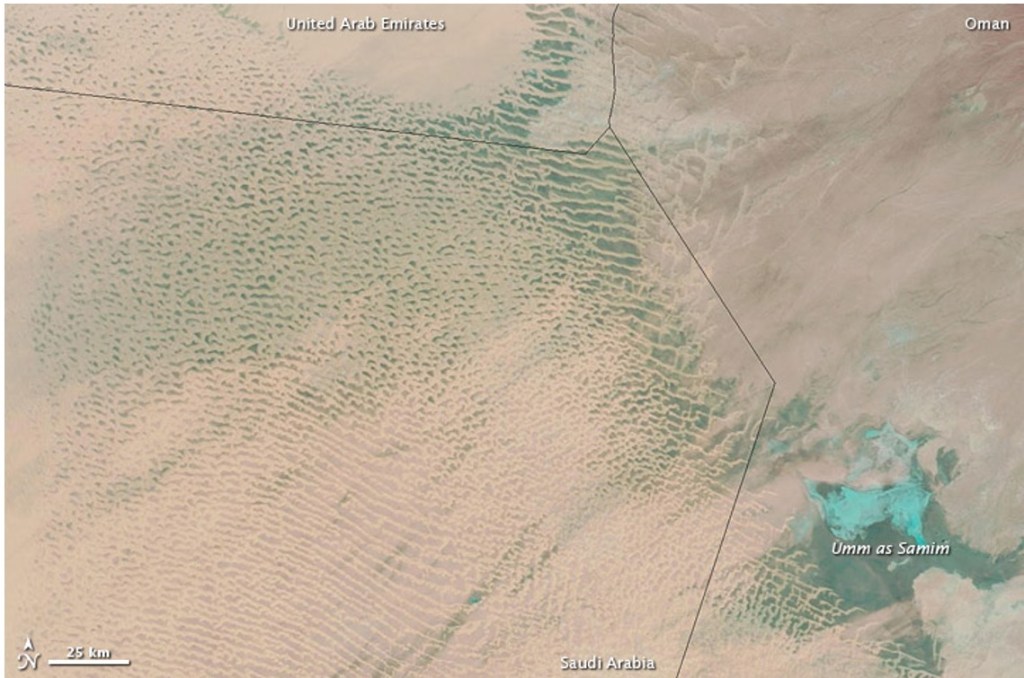
2012年4月中旬から下旬にサウジアラビア、アラブ首長国連邦とオマーンの国境をまたいだ洪水が発生しました。それをNASAのTerra衛星に搭載されたMODISが観測しています。範囲はルブア・ハーリー沙漠のダファラ地方南部、キダン地方やリーワー地方(からウンム・サミームまでを含みます。冠水している部分が青緑の色合いで表示されています。
7.2.2 Flooding in the northeastern Rub’ al Khali Desert
In mid to late April 2012, flooding occurred across the borders of Saudi Arabia, the United Arab Emirates and Oman. This is observed by MODIS aboard NASA’s Terra satellite. The range includes the southern Dafara region of the Lubua Hari desert, the Kidang and Leewa regions (from unm Samim). The flooded part is displayed in a blue-green hue.
7.2.3 ナジュドの鉄砲水
2013年4月26日から降り始めた降雨により、鉄砲水が発生し、リヤード、バーハ、ハーイル等で13人が死亡、行方不明4名と5月1日付のBBCは報道しています。さらに、BBCはジェッダ(Jeddah)では2009年に123名、2011年に10名が鉄砲水でなくなってることを挙げ、この降雨がこれまでの対応が及ばないサウジ国内で25年間に起きた最大級であることを述べ、アブドゥッラー国王からしっかり対応すべきと、過ちや脱落を見逃すなとの指示があった旨も報道しています。
7.2.3 Flash flood in Najd region
2 The rainfall that began to fall on 26 April 2013 caused flash floods, killing 13 people and leaving 4 people missing in Riyad, Baha and Ha’il. The BBC reported on May 1. In addition, the BBC reported that in Jeddah 123 in 2009 In 2011, 10 people were killed by flash floods, and this rainfall is beyond the reach of conventional responses. It stated that it was one of the largest events in Saudi Arabia in 25 years, and also reported that King Abdullah had instructed him to respond firmly and not to overlook mistakes and omissions.
7.2.4 サウジ全域で降雨
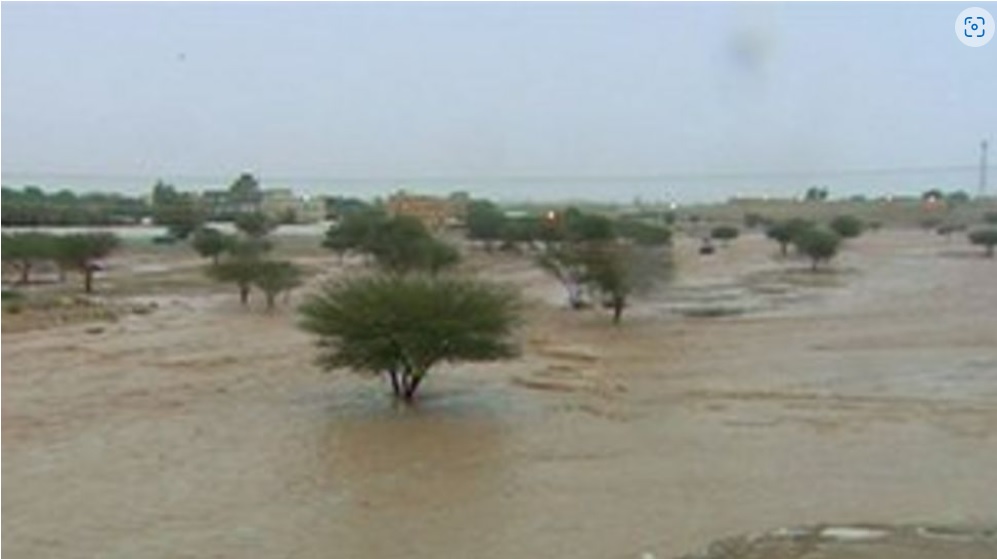
2021年11月18日サウジガゼット紙は、「冬の季節入りの降雨がサウジ全域で、今後数日間は続き、降雨はナジュドとカスィームから東部や北部へ広がり、特に山岳地方は大雨と低温に注意すべき。」と国立気象センターの予報を告げています。この雨は先日来、ジェッダ、メッカやマディーナに雷雨を伴う大雨をもたらしていました。
7.2.4. Rainfall over entirely the Saudi Arabia
On November 18, 2021, the Saudi Gazette newspaper reported that “the winter season of rainfall will continue across Saudi Arabia for the next few days. Rainfall spreads from Najd and Qasim to the east and north, and heavy rain and low temperatures should be noted, especially in mountainous regions. The National Center of Meteorology (NCM) forecasts it. This rain had recently brought heavy rains with thunderstorms to Jeddah, Mecca and Medina.
7.2.5 フルマの洪水
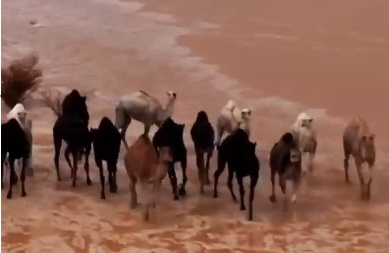
フルマは、ターイフ東北東180kmにあります。サラワート山脈のターイフ・バーハ間の山稜から北東斜面を集水する涸れ谷スバイウが、東に向きを変えてスバイウ砂丘地帯に流れ込む位置にある町です。2021年4月21日、先週から降り続いていた驟雨が、幾つかの地方には洪水、ハーイルとアシール地方には降雪をもたらしました。その中でフルマも洪水に襲われ、画像は巻き込まれた駱駝の群れの映像をテレビニュースチャンネルが報道した一部です。
7.2.5 Flood of Khurmah
Khurmah is located 180km east-northeast of Taif. The Wadi Subay’ collects water from the ridge between Ta’if and Bahah in the northeast slopes of the Sarawat Mountains. It flows to northeast to Khurmah, turn east there and flows into the Subay’ Dunes Area. On April 21, 2021, the rain that had been falling since the previous week caused floodings in some provinces and brought snow fallings in the Ha’il and Asir regions. Fulma was also hit by flooding, and the images are part of a TV news channel reporting footage of a swarm of camels caught in it.
7.2.6熱帯性サイクロン
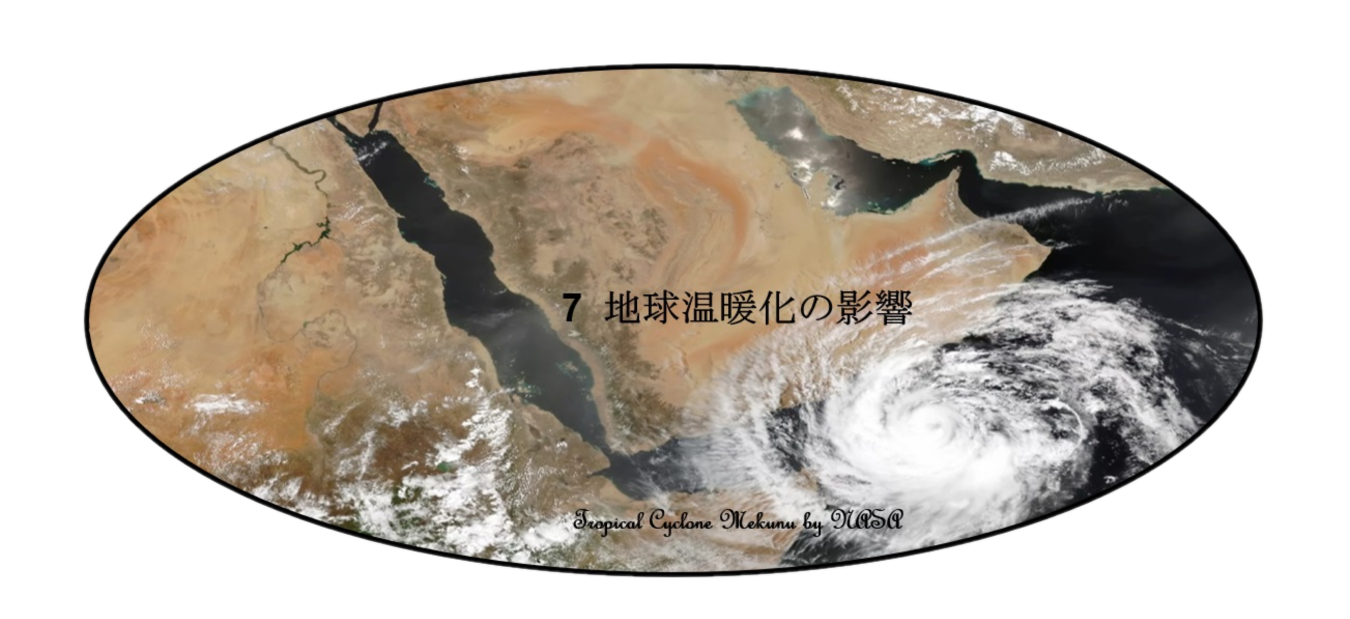
熱帯性サイクロンはインド洋西部の南東部で発生し、その3分の1がアラビア半島に向かいます。この半島沿岸では乾燥した大気と比較的冷たい海水温に晒されるため、この半島まで達する熱帯性サイクロンは限られています。これまで影響を与えた熱帯性サイクロンは60数個の記録があります。影響はオマーン沿岸に限られ、イエメンまで達することは、めったにありません。しかし、2015年11月に連続してチャパラ (إعصار تشابالا)とメイグ ( إعصار ميج)に襲われています。2018年5月にはサガールがアデン湾に達してイエメン海岸を壊滅的な降雨で襲いました。その月の終わりにはメクヌ (إعصار مكونو)がルブア・ハーリー沙漠のかなり奥まで襲っています。その降雨の範囲は、西はシャルーラとハルヒール間のあるウンム・アル=メル空港 ( مطار سلاح الحدود أم الملح)から東はザアブロトン (ذعبلوتن)にまで及んでいます。この豊かな降雨は過去20~30年以上にわたってルブア・ハーリー沙漠で経験されてない量でした。この雨水は、やがて蒸発もしますが、かなりの部分が浅水層まで浸透し、今後数十年にわたって緑を育むことでしょう。降雨の雰囲気を感じ、駱駝を連れた遊牧民達が早速、水に満たされた地域へと移動を始めました。さらに同年10月にはルバンがイエメン東部を襲い、アル=ガイダ ( الغيضة)で290mmの降雨を記録しました。
7.2.6 Tropical cyclones
Tropical cyclones occur in the southeastern part of the western Indian Ocean, with a third of them heading to the Arabian Peninsula. They cannot reach to this peninsula so often and are limited in number. It is because the coast of this peninsula is exposed to dry air and relatively cold seawater. There are more than 60 records of tropical cyclones that have had an impact. The impact is limited to the coast of Oman and rarely reaches Yemen. However, in November 2015, it was attacked by Chapala (إعصار تشابالا), followed by Meigh (إعقار ميج).In May 2018, Sagar reached the Gulf of Aden and hit the Yemeni coast with devastating rainfall. At the end of the month, Mekunu (إعصار مكونو) is attacking the depths of the Rub’ al Khali Desert. The associated rain spread from Umm al Melh Border Guards Airport (مطار سلاح الحدود أم الملح) in west ,to Dhabloton (ذعبلوتن) in east. Umm al Melh Border Guards Airport is located between Sharoura and Kharkhir This rich rainfall was something that had not been experienced in the Rub’ al Khali Desert for more than 20~30 years. This rainwater, which will eventually evaporate, will penetrate a significant portion into the shallow water layer and grow green plants for decades to come. Sensing the atmosphere of rainfall, the nomads with camels immediately began to move into the water-filled area. In October of the same year, Luban struck eastern Yemen, recording 290 mm of rainfall in Ghaydah (الغيضة).
 Desert peninsula