60.3 イエメンにおける伝統保護



はじめに
Introduction
現在のイエメン(اليمن)は騒乱状態にあり、文化省(وزارة الثقافة)は制度上では存在するものの、実質的に十分な機能を果たしていません。国際連合教育科学文化機関は文化遺産保護に取り組んでいますが、治安、資金、人員の面で構造的な制約があります。こうした状況を踏まえ、本項ではイエメンにおける伝統保護について、主要な無形文化遺産および有形文化遺産の紹介にとどめます。
Current situation in Yemen (اليمن) remains unstable. Ministry of Culture (وزارة الثقافة) exists as an institution, yet does not function effectively in practice. UNESCO works on protection of cultural heritage, although activities face structural limits related to security, funding, and human resources. Considering this situation, discussion on traditional heritage protection in Yemen focuses on introduction of major Intangible Cultural Heritage and Tangible Cultural Heritage.
目次
Contents
1. イエメンの文化省
1. Ministry of Culture in Yemen
| 文化省(وزارة الثقافة)は、1990年の南北統一後、北イエメンと南イエメンそれぞれの文化行政を統合する形で設立されました。統一以降、文化省は宗教的伝統、部族社会に根付いた慣行、世俗的文化政策を相互に調整する役割を担ってきました。 | Ministry of Culture (وزارة الثقافة) was established after unification of North Yemen and South Yemen in 1990 through integration of cultural administrations from both regions. Since unification, ministry has played role of balancing religious traditions, tribal customs, and secular cultural policies. |
| 文化省はイエメン共和国の内閣レベルの省庁であり、文化政策、文化遺産の保全、芸術活動の振興を所管しています。しかし現在は、国際的に承認された政府の下で存続しているものの、運営は深刻な制約を受けています。 | Ministry operates as cabinet-level institution of Republic of Yemen and oversees cultural policy, preservation of cultural heritage, and promotion of arts. At present, ministry continues under internationally recognized government, yet operation faces serious constraints. |
| 2014年以降の内戦により、首都サナア(صنعاء)がフーシ派の支配下に入った後、文化省の権限は政府支配地域に限定されました。予算、人員、現地へのアクセスはいずれも大きく制限されており、実務遂行能力には限界があります。このため、国際連合教育科学文化機関など国際機関への協力要請が主な活動形態となっています。一方、サナア側ではフーシ派当局が並行する文化省を運営しており、文化行政は事実上分断された状態にあります。 | After outbreak of civil war in 2014 and control of capital Sana’a (صنعاء) by Houthi authorities, authority of ministry became limited to government-controlled areas. Budget, staffing, and access to cultural sites are severely restricted. Due to limited operational capacity, cooperation requests to international organizations such as UNESCO form main mode of activity. At same time, parallel ministry operated by Houthi authorities exists in Sana’a area, resulting in fragmented cultural governance. |
2. 国際連合教育科学文化機関による文化遺産保護
2. Cultural Heritage Protection by UNESCO
| イエメンにおける国際連合教育科学文化機関の文化遺産保護は、現在、紛争による破壊からの緊急的な保護を最優先課題としています。国内の主要な世界遺産の多くが危機遺産に指定されており、衛星画像を用いた状況把握、緊急的な修復、不法取引防止など、多角的な支援が国際社会と連携して行われています。 | Cultural heritage protection by UNESCO in Yemen currently places strongest emphasis on emergency protection from conflict-related destruction. Many World Heritage Sites are inscribed on List of World Heritage in Danger. UNESCO works with international community to conduct monitoring using satellite imagery, emergency stabilization, and prevention of illicit trafficking of cultural property. |
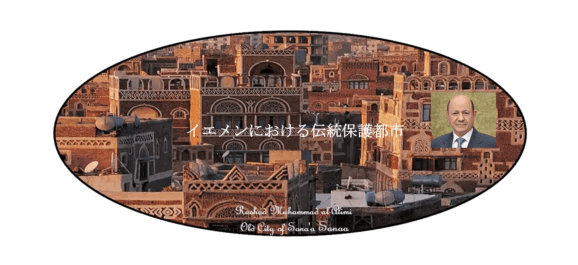
| イエメンには、サナア旧市街(صنعاء القديمة)、シバームの旧城壁都市(شبام)、古都ザビード(زبيد)、ソコトラ諸島(سقطرى)の4件の世界遺産があります。しかし、継続的な武力衝突や管理体制の弱体化により、その多くが危機に直面しています。有形文化遺産の保護と並行して、伝統的な文化実践を守る取り組みも行われており、2025年までに6件の無形文化遺産が重要な保護対象として登録されています。 | Yemen holds four World Heritage Sites: Old City of Sana’a (صنعاء القديمة), Old Walled City of Shibam (شبام), Historic Town of Zabid (زبيد), and Socotra Archipelago (سقطرى). Continuous armed conflict and weakened management place these sites under severe risk. Alongside protection of tangible heritage, safeguarding of traditional cultural practices continues, and by 2025 six elements are recognized as important Intangible Cultural Heritage |
3. イエメンの文化遺産
3. Cultural Heritages in Yemen
3.1 無形文化遺産
3.1 Intangible Cultural Heritage
3.2 有形文化遺産
3.2 Tangible Cultural Heritage

