| アラビア半島に息づく多様な伝統文化は、この地域に暮らす人々の自己同一性の根幹であり、次世代へと継承すべき人類共通の貴重な財産です。近年、アラビア半島の国々、とりわけ湾岸諸国においては、急速な経済成長や都市化、近代化が進む中で、伝統文化の保護と振興を国家戦略の中核として位置付ける動きが急速に加速しています。しかし、その具体的な手法や直面している課題は、各国の政治体制、歴史的背景、あるいは現在の社会情勢によって多様です。 | Diverse traditional cultures living in Arabian Peninsula form core of people’s identity and represent valuable common heritage of mankind to pass down to next generations. In recent years, countries in Arabian Peninsula, especially Gulf countries, have accelerated integration of cultural protection and promotion into core of national strategies amid rapid economic growth, urbanization, and modernization. However, concrete approaches and challenges vary deeply depending on each country’s political system, historical background, or current social situation. |
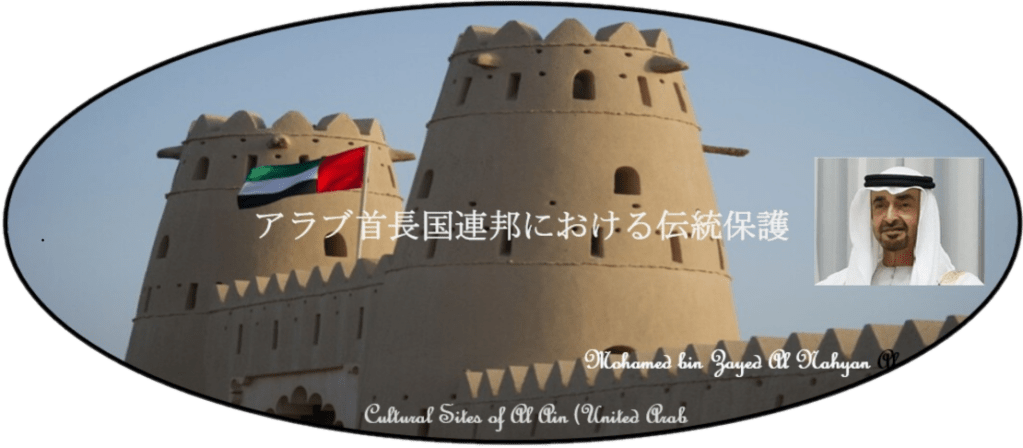
| 近年、アラビア半島諸国において伝統文化の保護が急速に推進される背景には、単なる歴史の継承にとどまらない、明確な国家経済戦略が存在します。それは石油依存からの脱却を掲げた経済の多角化政策です。各国は、持続可能な未来を支える有力な成長産業として観光部門に国家的な注力を続けており、その中核として自国の固有な文化遺産や伝統を位置付けています。この動きは、アラブ首長国連邦(الإمارات العربية المتحدة)の国家構想である首長国連邦構想2021(رؤية الإمارات 2021)が契機となりました。 | Behind rapid promotion of cultural heritage protection in Arabian Peninsula lies clear national economic strategy beyond simple historical succession. It is economic diversification aiming at departure from oil dependence. Each nation focuses on tourism sector as powerful growth industry supporting sustainable future, placing unique cultural heritage and tradition at center. This movement was triggered by UAE Vision 2021 (رؤية الإمارات 2021), national vision of United Arab Emirates (الإمارات العربية المتحدة). |
| 現在はイエメン(اليمن)を除く各国で計画、実施されている国家構想に深く組み込まれています。伝統的な街並みの修復、博物館の建設、無形文化遺産の催事化などは、国際的な観光客を誘致し、地域経済を活性化させるための強力な影響力として再定義されています。伝統の保護は、今や文化的な義務であると同時に、石油依存後の時代を生き抜くための戦略的な未来への投資としての側面を強く帯びているのです。 | Now, cultural protection is deeply embedded in national visions planned and implemented in each country except Yemen (اليمن). Restoration of traditional streets, construction of museums, and festivalization of intangible cultural heritage are redefined as powerful soft power to attract international tourists and activate regional economy. Protection of tradition carries strong aspect of strategic investment for future to survive post-oil era as well as cultural obligation. |
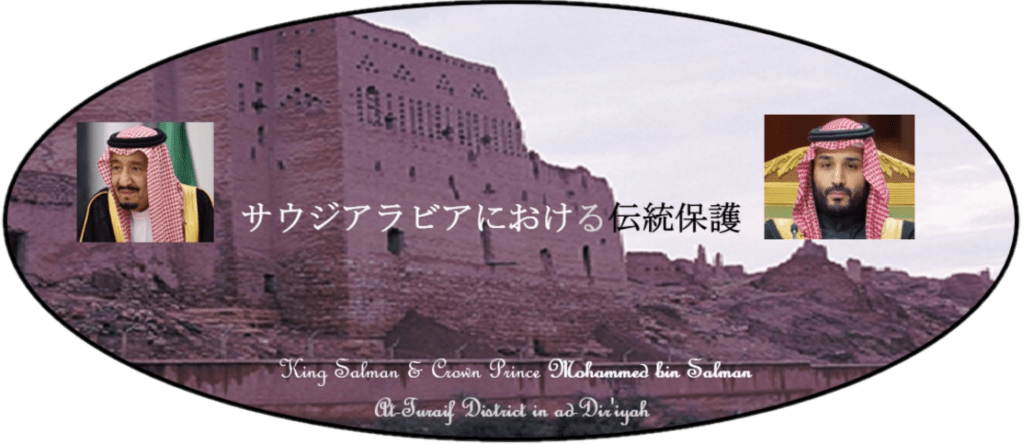
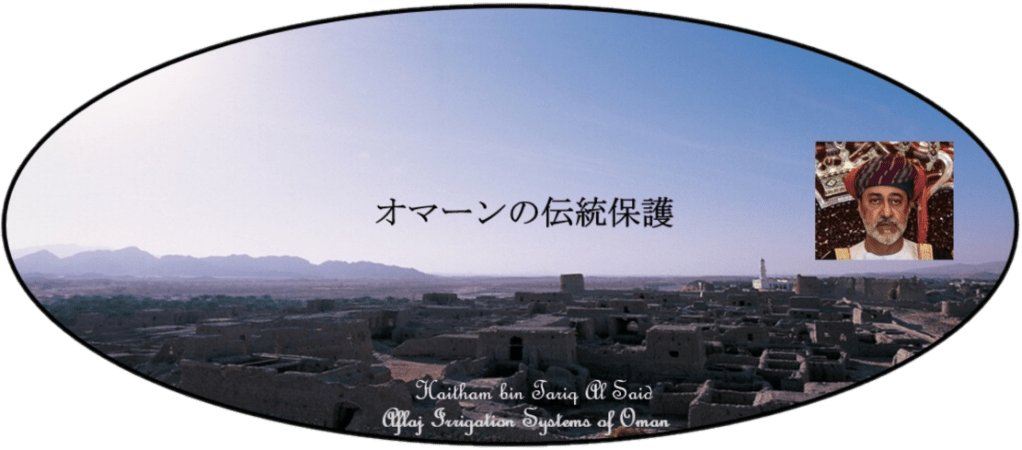
| サウジアラビア(السعودية)はサウジ構想2030(رؤية السعودية 2030)のもと、2018年に文化省(وزارة الثقافة)を新設し、文化遺産の保存を国家的課題として日常生活に根付かせる施策を強力に推進しています。アラブ首長国連邦は、法整備や博物館の設立、国際連合教育科学文化機関を通じた国際的な認知の獲得を経て、現在は電子技術などを活用した動的な継承の段階へと発展させてきました。また、オマーン(عمان)では、長年文化遺産行政を直接率いてきたハイタム・ビン・ターリク・アール・サイード(هيثم بن طارق آل سعيد)現国王の経験を基盤に、国家登録簿の整備や法的措置を伴う包括的かつ持続的な制度化を達成しています。 | Saudi Arabia (السعودية) established Ministry of Culture (وزارة الثقافة) in 2018 under Saudi Vision 2030 (رؤية السعودية 2030), strongly promoting measures to root cultural heritage preservation in daily life as national priority. United Arab Emirates developed its approach to stage of dynamic succession using digital technology after establishing legal frameworks, building museums, and gaining international recognition through UNESCO. In Oman (عمان), comprehensive and sustainable institutionalization with legal measures and national registers has been achieved based on long experience of Sultan Haitham bin Tariq Al Said (هيثم بن طارق آل سعيد), who directly led cultural heritage administration before ascension to throne. |
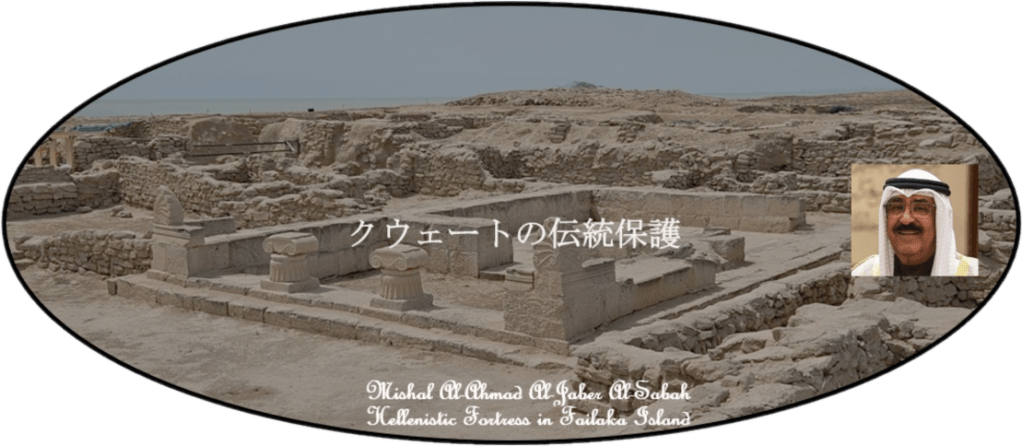
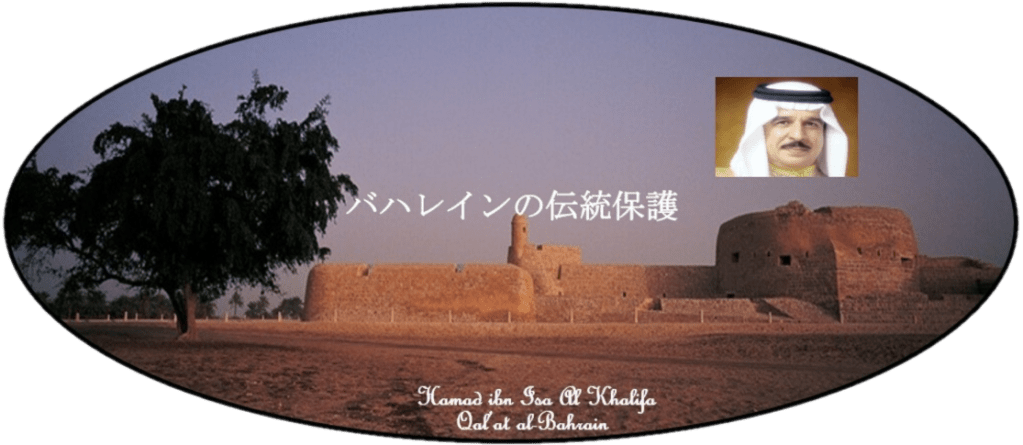
| 急速な近代化を遂げるカタール(قطر)では、遊牧生活や海洋活動といった伝統的な生活様式を国家の発展過程の中で再定義し、制度的な枠組みへの融合を図っています。さらに、世界遺産への登録に向けた動きも活発です。クウェート(الكويت)は、これまで優先事項とされてこなかった世界遺産一覧表への登録を目指し、近年、法的・制度的枠組みの強化や国際連携の再開など、明確な関与を示し始めました。バハレイン(البحرين)においては、有形・無形の文化遺産を一体の文化体系として捉え、それらを来訪者が体験できる文化観光と結びつけた独自の施策を展開している点が特徴的です。一方で、現在のイエメンのように、深刻な騒乱状態によって政府の文化行政機能が著しく制限され、国際機関による支援に依存せざるを得ない構造的な制約に直面している地域も存在します。 | Qatar (قطر), undergoing rapid modernization, redefines traditional lifestyles like nomadic life or marine activities within national development process, integrating them into institutional frameworks while actively seeking World Heritage listings. Kuwait (الكويت) has begun demonstrating clear commitment toward registration on UNESCO World Heritage List, which was not treated as priority before, by strengthening legal and institutional frameworks and restarting international cooperation. Bahrain (البحرين) uniquely deploys measures linking cultural protection with cultural tourism so visitors can experience tangible and intangible heritage as interconnected cultural system. Meanwhile, Yemen currently faces structural constraints, depending heavily on support from international organizations due to severe unrest that limits government functions. |
| このように、アラビア半島の伝統保護は、国家的戦略や経済戦略による積極的な振興から、情勢不安に伴う危機的な保存活動まで、多角的な局面を迎えています。本稿では、これらアラビア半島7カ国それぞれの最新の取り組み、制度的・法的枠組み、そして今なお守り続けられている固有の有形・無形文化遺産の現在地と未来への展望について、包括的に論じるものです。 | Thus, cultural heritage protection in Arabian Peninsula faces multifaceted situations ranging from active promotion through national economic strategies to critical preservation activities amid instability. This paper comprehensively discusses latest efforts, institutional and legal frameworks, current status, and future prospects of unique tangible and intangible cultural heritage preserved across seven countries of Arabian Peninsula. |