60.5 カタールの伝統保護



はじめに
Introduction
ここでは、急速な経済成長と都市化が進む中で、カタールにおける伝統保存の取組がどのような背景のもとで形成されてきたのかを概観します。遊牧生活、海洋活動、宗教的慣習、社会的慣行といった地域社会に根ざした伝統文化が、国家発展の中でどのように位置づけられてきたのかを整理し、以降の制度的枠組みについて説明します。
This chapter outlines background against which tradition preservation efforts in Qatar have developed amid rapid economic growth and urbanization. It explains how traditional cultural practices rooted in local society—such as nomadic life, maritime activities, religious customs, and social conventions—have been positioned within process of national development, providing contextual basis for institutional frameworks and case studies discussed in subsequent sections.
目次
Contents
1. 急速な社会変化と伝統保存の必要性
1. Rapid Social Transformation and Need for Heritage Preservation
| 石油・ガス開発に牽引された急速な経済成長により、カタールの都市環境と社会構造は短期間で大きく変化しました。近代化と大規模都市化は、歴史的集落や文化的景観を現代的都市形態へと転換させ、伝統的空間慣習の可視性を低下させました。こうした変化以前、社会は遊牧的伝統、海洋活動、宗教生活、社会的慣習を中心に構築され、在来建築や日常行動に深く結びついていました。 | Rapid economic growth driven by oil and gas development has reshaped Qatar’s urban and social environment within a short period. Accelerated modernization and large-scale urbanization transformed historic settlement patterns and cultural landscapes into contemporary urban forms, reducing the visibility of traditional spatial practices. Prior to these changes, Qatari society was structured around nomadic Bedouin traditions, maritime activities, religious life, and socially regulated practices embedded in vernacular architecture and everyday behavior. |
| 国家主導の開発が進む中で、伝統文化は消失するのではなく、国家開発の文脈の中で再配置されてきました。研究では、在来住宅、歴史的村落、都市核、文化的空間原理が、保存や再生の基準点となった過程が示されています。こうして伝統文化は、急速な社会経済変化の中で継続性を支える国民的アイデンティティの要素として位置づけられ、計画や遺産主導の再生戦略に統合されていきました。 | As state-led development intensified, traditional cultural forms were not eliminated but re-positioned within national development agendas. Research describes how vernacular housing, heritage villages, historic urban cores, and culturally derived spatial principles became reference points for conservation and regeneration initiatives. Traditional culture thus came to be framed as a component of national identity that could support continuity amid rapid socio-economic change, with selected elements integrated into planning and heritage-led regeneration strategies. |
2. 法制度と国家戦略による伝統保存の枠組み
2. Legal Frameworks and National Institutional Structures for Preservation of Traditions
| ここでは、カタールにおける伝統文化および文化遺産保存を支える法制度と、それらが実際にどのように運用されているのかという国家的枠組みを整理します。特に1980年に制定された文化財保護法第2号を中心に、有形文化遺産が公的保護の対象として法的に位置づけられてきた過程を確認します。あわせて、同法に基づく実施主体としてのカタール博物館の活動を取り上げ、法的定義が保存、管理、公開といった具体的な実践へどのように展開されているのかを概観します。 | This chapter examines legal frameworks supporting preservation of traditional culture and cultural heritage in Qatar, and national structures through which these frameworks are put into practice. Particular attention is given to Law No. 2 of 1980 on Antiquities, which positioned tangible cultural heritage as object of public protection under law. Chapter also considers role of Qatar Museums as primary implementing body, showing how legal definitions are translated into practices of preservation, management, and public access. |
2.1 カタールにおける文化遺産保護の法的根拠
2.1 Legal Foundations of Heritage Preservation in Qatar
| カタールにおける文化遺産保護の法的基盤は、1980年に制定された文化財保護法第2号によって確立されました。同法は、芸術的または歴史的価値を有する動産および不動産を文化財として定義し、国家所有の公共資産として位置づけています。考古遺跡や歴史的建造物を国家保護下に置くことで、遺産保存を公的責務として制度化しました。さらに、記録、発掘、保存、展示に関する規制を導入し、体系的な文化遺産管理のための法的基盤を整えています。 | Legal basis for cultural heritage protection in Qatar is established by Law No. 2 of 1980 on Antiquities. This law broadly defines antiquities as movable and immovable remains of past civilizations with historical or artistic value and designates them as public assets owned by this State. By placing archaeological sites and historic buildings under state protection, heritage preservation is institutionalized as a public responsibility. This law also introduces regulations for documentation, excavation, conservation, and exhibition, providing a durable legal foundation for systematic heritage management. |
2.2 カタール博物館の制度的役割
2.2 Institutional Implementation of: Qatar Museums
| 1980年法の枠組みの下で、カタール博物館は文化遺産保護を実践的に担う主要機関として機能しています。博物館、考古遺跡、遺産景観の管理を通じて、文化財を公共資産として保存・公開し、過去の活動と現代のアイデンティティを結びつける物語の中で解釈しています。保存、展示、記録は、制度化された実践として運用されています。 | Within legal framework of Law No. 2 of 1980, Qatar Museums functions as principal institution implementing heritage protection in practice. Through management of museums, archaeological sites, and heritage landscapes, it operationalizes classification of antiquities as public assets and ensures regulated preservation and accessibility. Heritage is interpreted as part of broader narrative linking past human activity with contemporary identity, supported by institutional processes of preservation, exhibition, and documentation. |
3. 政府機関と制度的推進
3. Institutional Development of Cultural Governance
| カタールの文化ガバナンスは、文化的取組を国家制度に組み込む改革を通じて発展してきました。1998年に文化・芸術・遺産国家評議会が設立され、遺産、研究、記録、公共文化活動を統合する枠組みが整えられました。国家構想2030は、文化保存と伝統を開発戦略の中核として位置づけ、市民参加や出版・芸術分野の規制とあわせて、文化政策を国家統治の一部に組み込んでいます | Cultural governance in Qatar developed through institutional reforms integrating cultural initiatives into formal state administration. Key milestone was establishment of National Council of Culture, Arts and Heritage in 1998, providing centralized framework for coordinating heritage, research, documentation, and public cultural activity. National Vision 2030 further positioned cultural preservation and tradition as integral elements of development, framing culture within broader socio economic policy. Public engagement and regulatory mechanisms in publishing and arts strengthened this framework and embedded heritage initiatives within state governance. |
3.1 文化省
3.1 Ministry of Culture
| カタール(قطر)では、文化統治が段階的に制度化され、国家政策と結びつけられてきました。1998年の国家文化・芸術・遺産評議会(المجلس الوطني للثقافة والفنون والتراث)設立により、文化・芸術・遺産の保護、研究、データ収集、出版、イベント参加を担う独立機関が整備され、文化行政の基盤が形成されました。 | Cultural governance in Qatar (قطر) evolved through reforms integrating cultural initiatives into formal state framework aligned with national priorities. Major step came in 1998 with creation of National Council of Culture, Arts and Heritage (المجلس الوطني للثقافة والفنون والتراث), independent body responsible for cultural and heritage development, research, documentation, publications, and participation in national and international cultural events. Early institutional structure for coordinating cultural governance at national level was established. |
| 国家の長期戦略であるカタール国家構想2030(رؤية قطر الوطنية 2030)は、近代化と伝統保護の両立を社会発展の柱とし、教育を通じた価値観、伝統、文化遺産の継承を重視しています。文化行政が省レベルに統合されたことで、遺産台帳整備や文化部局の設置など、文化関連機能が一元化されました。 | Within national policy, Qatar National Vision 2030 (رؤية قطر الوطنية 2030) emphasizes balance between modernization and preservation of traditions, placing cultural heritage within pillars of social and human development. Elevation of cultural administration to ministry-level body further consolidated previously dispersed cultural functions and enabled creation of heritage inventories, cultural directorates, and unified policy coordination. |
| 公共参加の面では、文化・遺産イベントセンターが演劇祭、国際書籍展、伝統文化コンテストなどの恒常的イベントを実施し、研究、広報、コミュニティ参加を通じて文化遺産の継承と国民的アイデンティティ強化を図っています。 | Public engagement is advanced through recurring cultural programs organized by Qatar Culture & Heritage Events Center, including festivals and book fairs. Programs link community participation with documentation, promotion, and national identity building. |
| さらに、1979年の出版法は、検閲委員会の設置、作品展示の許可制、映画館や劇場の検査、社会的、宗教的、文化的伝統の遵守を規定し、文化統治における規制的側面を形成しています。これらの制度化、国家ビジョン、公共イベント、規制が組み合わさり、文化・遺産活動は国家の行政枠組みの中で統治機能として位置づけられています。 | Cultural governance also includes regulatory measures. Law No. 8 of 1979 establishes censorship committee, requires permits for artistic exhibitions, and authorizes inspections to ensure adherence to technical, social, religious, ethical, and cultural norms. Together, institutional, strategic, participatory, and regulatory elements position cultural and heritage activities within broader administrative governance framework in Qatar. |
3.2 カタール国立公文書館と文書遺産
3.2 National Archives of Qatar and Documentary Heritage
| カタール国立公文書館(NAQ)は、国家の記録遺産の保存に中心的な役割を果たしており、2025年に「未来の記憶」を掲げた初の包括的戦略(2025–2030)を発表しました | National Archives of Qatar (NAQ) plays central role in preserving nation’s documentary heritage and launched first comprehensive strategy for 2025–2030 under theme “Memories of Future.” |
| この戦略は、国家の文書管理を強化し、歴史記録の長期的保存を確保するための統一的枠組みを示すものです。文書遺産を研究や意思決定、国家アイデンティティに資する「能動的資源」として位置づけています。戦略には、多様な形式の記録を収集、保存、整理する能力を高める24以上のプロジェクトが含まれています。 | Strategy establishes unified framework to strengthen national documentation, enhance archival capacity, and position documentary heritage as active resource for research, decision making, and national identity. It includes more than 24 projects aimed at improving collection, preservation, and organization of records in diverse formats. |
| 主要施策には、国際機関から関連文書を収集して国家アーカイブの完全性を確保する国際文書化プロジェクトや、政府機関の公式記録を保存して歴史的連続性と文書管理の効率化を支える制度文書化プロジェクトがあります。 | Key initiatives include International Documentation Project, which acquires relevant records from global institutions to ensure complete national archive, and Institutional Documentation Project, which preserves official records from government bodies to support historical continuity and efficient document management. |
| また、個人や家族の所蔵資料の重要性を強調し、社会全体で記録遺産を守ることを促すコミュニティ文書化プロジェクト、歴史上重要な人物の証言を先端技術で保存する口述文書化プロジェクトも含まれています。 | Strategy also expands beyond state institutions through Community Documentation Project, encouraging individuals and families to contribute private collections, and through Oral Documentation Project, which records testimonies of influential figures using advanced technologies |
| 総じて、この戦略は、体系的収集、制度記録、社会参加、口述史を組み合わせ、カタールの記録遺産を持続可能な国家知識資源へと発展させる新たな段階を示しています。 | Overall, 2025–2030 strategy marks new phase in Qatar’s archival development by integrating systematic collection, institutional records, community participation, and oral history to build sustainable national knowledge resource. |
3.3 カタールの博物館
3.3 Qatar Museums
| カタール博物館(متاحف قطر)(QM)は、博物館、遺跡、歴史的建造物を含むカタールの有形文化遺産の管理、保護、規制を担う中央機関です。 | Qatar Museums (متاحف قطر) (QM) is central institution responsible for managing, protecting, and regulating Qatar’s tangible cultural heritage, including museums, archaeological sites, and historic properties. |
| 2009年首長決議第26号に基づき独立機関として設立されたカタール博物館は、首長府(エミリ・ディワン)(الديوان الأميري)内に法人格と専用予算を有しています。その任務には、博物館や遺跡の監督、登録、保存、一般公開、考古学調査の規制、博物館の認定などが含まれます。 | Established as independent authority under Emiri Resolution No. 26 of 2009, it holds legal personality and dedicated budget within Emiri Diwan (الديوان الأميري). Its mandate includes supervising, registering, conserving, and publicly presenting museums and antiquities, as well as regulating archaeological work and museum accreditation. |
| カタールの文化統治システムにおいて、カタール博物館は文化遺産政策の主要な実施機関としての役割を担い、文化省(وزارة الثقافة)は政策全体の方向性を定めています。 | Within Qatar’s broader cultural governance system, QM serves as primary implementing body for heritage policy, while Ministry of Culture (وزارة الثقافة) provides overall policy direction. |
| カタール博物館は、保存、記録、研究、一般公開に関する一貫した基準を確保する統一的な枠組みの下、全国の博物館と遺跡のネットワークを管理しています。 | QM administers nationwide network of museums and heritage sites under unified framework that ensures consistent standards for conservation, documentation, research, and public access. |
| カタール博物館はまた、国の文化遺産法に基づき規制権限を行使しています。考古学的遺跡や歴史的遺跡に影響を与える開発プロジェクトは、調査、文書化、影響評価に基づいた事前承認が必要です。 | QM also exercises regulatory authority under national antiquities legislation. Development projects affecting archaeological or historic sites require prior authorization, supported by surveys, documentation, and impact assessments. |
| 実際には、カタール博物館(QM)は計画・開発機関と連携し、建設工事は専門機関が実施する一方、文化遺産の監督、承認、保存に関する指導はカタール博物館が責任を負います。 | In practice, QM coordinates with planning and development agencies: while construction is carried out by specialized bodies, QM retains responsibility for heritage oversight, approvals, and conservation guidance. |
| こうした法的・制度的な役割により、カタール博物館は国家遺産ガバナンスの中核を担い、国の遺産政策を行政実践に落とし込み、急速に変化する都市環境の中で文化遺産を保護しています。 | Together, these legal and institutional roles position Qatar Museums as core component of national heritage governance, translating state heritage policies into administrative practice and safeguarding cultural heritage within rapidly evolving urban context. |
4. UNESCO文化遺産制度との関係
4. Relationship with UNESCO Cultural Heritage System
| 伝統保存をめぐるUNESCO(اليونسكو)の条約参加や登録状況を述べます。 | This section discusses Qatar’s participation in and registration status under UNESCO (اليونسコ) conventions on preservation of traditions. |
4.1 無形文化遺産
4.1 Intangible Cultural Heritage
| カタールの無形文化遺産には、UNESCO代表一覧表に登録された諸要素が含まれます。本節では、現在も日常的に実践されているマジュリス(مجلس)、アラビアコーヒー(قهوة عربية)、鷹狩り(صقارة)に焦点を当て、社会的交流やもてなし、文化生活における継続的な役割を示します。 | Qatar’s intangible cultural heritage includes elements inscribed on UNESCO’s Representative List, among which Majlis (مجلس), Arabic coffee (قهوة عربية), and Falconry (صقارة) remain actively practiced in everyday life. These elements continue to play central roles in social interaction, hospitality, and cultural tradition, representing core aspects of living heritage in Qatar within broader regional context. |
4.2 有形文化遺産
4.2 Tangible Cultural Heritage
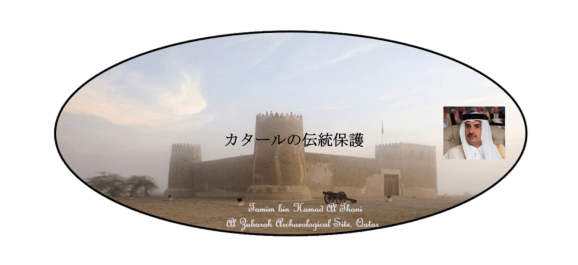
| カタールにおける世界遺産条約に基づく有形文化遺産は、2013年に登録されたアル・ズバラ考古遺跡(موقع الزبارة الأثري)のみです。本節では、この唯一の世界遺産を取り上げ、その概要を示します。 | Qatar currently has one property inscribed under World Heritage Convention: Al Zubarah Archaeological Site (2013) (موقع الزبارة الأثري). This section introduces site as country’s sole World Heritage property. |
4.3 国内指定遺産と有形文化資源
4.3 Domestic Designated Heritage Sites and Tangible Cultural Resources
| カタールには、UNESCOの世界遺産として登録されている遺産のほかにも、国内制度のもとで指定・管理されている多様な有形文化遺産および文化資源が存在しています。 | In addition to properties inscribed on UNESCO World Heritage List, Qatar contains wide range of tangible cultural heritage sites and cultural resources that are designated and managed under national frameworks. |
| これらには、防衛や監視を目的として建設された砦や塔、歴史的集落や考古遺跡、宗教建築としてのモスク、伝統的な住宅や邸宅、さらに沿岸部や内陸部に残る生活や産業活動に関連した遺構などが含まれています。 | These include forts and towers constructed for defence and surveillance, archaeological sites and historic settlements, mosques as religious architecture, traditional houses and residences, as well as remains associated with daily life and industrial activities in both coastal and inland areas. |
| こうした国内指定の有形文化資源は、アラビア湾(الخليج العربي)沿岸部、内陸の沙漠地帯、現代都市の周縁部など、カタール半島の各地に分布しており、その立地や形態は、用途や周囲の自然環境に応じて多様です。多くの遺構は、主として18世紀から20世紀中頃にかけての居住、防衛、交易、水資源の利用といった具体的な人間活動と結びついて形成されており、個々の建築物としてだけでなく、周囲の環境との関係の中で把握することができます。 | Such domestically designated heritage resources are distributed across Qatari peninsula, including Arabian Gulf (الخليج العربي) coastline, inland desert regions, and margins of present day urban areas. Their locations and physical forms vary according to function and surrounding environmental conditions. Many of these remains are associated primarily with concrete human activities dating from 18th to mid 20th centuries, such as settlement, defence, trade, and water management, and can be understood in relation to wider environmental settings rather than as isolated structures. |
| 個別の遺産に関する名称、所在地、写真などの詳細情報は、Visit Qatar(زوروا قطر)やカタール博物館の公式ウェブサイトで公開されています。。 | Detailed information on individual heritage sites, including site names, locations, and photographs, is available through official websites maintained by Visit Qatar (زوروا قطر) and Qatar Museums. |

