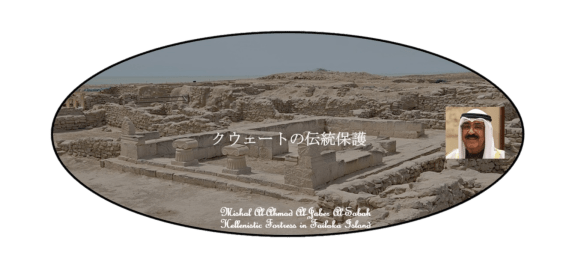
60.6 クウェートの伝統保護



はじめに
Introduction
| 豊かな文化的歴史を持ちながらも、クウェート(الكويت)にはまだユネスコ世界遺産リストに登録された有形文化遺産の場所がありません。これは価値ある遺産の欠如によるものではなく、複雑で資源を要する指名プロセスがこれまで国の優先事項として扱われていなかったためです。近年、クウェート(الكويت)は法的・制度的枠組みの強化、考古学研究の拡大、ユネスコとの関与の再開など、この状況に取り組み始めています。これらの取り組みは、クウェート(الكويت)の有形文化遺産の将来的な認知に対する明確なコミットメントを示しています。 | Despite rich cultural history, Kuwait (الكويت) does not yet have a site inscribed on UNESCO World Heritage List for tangible cultural heritage. This is not due to lack of valuable heritage, but rather to fact that complex and resource intensive nomination process was not previously treated as national priority. In recent years, Kuwait (الكويت) has begun to address this situation by strengthening its legal and institutional frameworks, expanding archaeological research, and renewing engagement with UNESCO. These efforts reflect clear commitment to future recognition of Kuwait’s (الكويت) tangible cultural heritage. |
目次
Contents
1. Kuwait’s Approach to the Protection of Tradition
1. Kuwait’s Approach to the Protection of Tradition
| クウェート(الكويت)は文化伝統を国家アイデンティティの不可欠な要素と捉え、組織的かつ継続的な取り組みを通じてその保存に努めてきました。これらの伝統には、民俗、工芸、芸術表現、そして陸と海の両方との歴史的なつながりを反映する社会慣習が含まれます。 | Kuwait (الكويت) regards cultural traditions as an essential part of its national identity and has pursued their preservation through organized and sustained efforts. These traditions include folklore, crafts, artistic expression, and social practices that reflect country’s historical ties to both land and sea |
| 伝統保護のための体系的な取り組みは20世紀半ばに始まり、口承伝承、慣習、そして共有された文化的知識の記録と保護を目的としたイニシアチブが展開されました。これは、文化慣習を次世代に確実に継承するという、初期の取り組みを示すものでした。 | Systematic efforts to protect tradition began in mid 20th century with initiatives aimed at recording and safeguarding oral traditions, customs, and shared cultural knowledge. This marked early commitment to ensuring transmission of cultural practices to future generations. |
| 現在、1970年代に設立された国立文化芸術文学評議会(NCCAL)が、文化遺産保護の中央機関として機能しています。NCCALは、博物館活動、考古学研究、芸術振興を監督し、現代社会における生きた文化慣習としての伝統を支援しています。 | Today, National Council for Culture, Arts and Letters (NCCAL), founded in 1970s, serves as central institution for cultural heritage protection. NCCAL oversees museum activities, archaeological research, and promotion of arts, supporting traditions as living cultural practices within contemporary society. |
| 博物館は、歴史的遺物、芸術作品、民族誌資料を保護することで、文化遺産の保存において重要な役割を果たしています。専門機関は、遊牧文化や海洋文化に根ざした織物や装飾芸術といった伝統工芸も支援しています。 | Museums play key role in preserving cultural heritage by safeguarding historical artifacts, artistic works, and ethnographic materials. Dedicated institutions also support traditional craftsmanship, including weaving and decorative arts rooted in nomadic and maritime culture. |
| さらに、音楽、舞踊、演劇、視覚芸術も教育と公的支援によって維持されています。クウェート(الكويت)は、記録、制度的枠組み、そして文化交流を通じて、国家生活の進化する一部として、伝統を守り発展させ続けています。 | In addition, music, dance, theater, and visual arts are sustained through education and public support. Through documentation, institutional frameworks, and cultural engagement, Kuwait (الكويت) continues to protect and develop its traditions as evolving part of national life. |
| 2. クウェートの伝統保護の法制と体制 |
2. Legal and Institutional Framework for Cultural Heritage Protection
2.1 クウェートの伝統保護の法律
2.1 Law of Antiquities Protection
| この法律(文化財保護法1960年首長令第11号)は、クウェート(الكويت)国内の文化遺産や考古遺物を国家として保護するための基本法であり、1960年に制定されました。クウェートにおける文化財保護の法的基盤を初めて体系的に定めたものです。 | This law, Cultural Property Protection Law 1960 Amiri Decree No. 11, is a fundamental legal framework established in 1960 to protect cultural heritage and archaeological objects within Kuwait. It is the first legislation that systematically defined a legal basis for cultural property protection in Kuwait (الكويت). |
| 小目次 | Sub-table of contents |
| 1. 保護の対象 | 1. Definition of Antiquities |
| 2. 所有権と国家の権限 | 2. Ownership and State Authority |
| 3. 管轄機関 | 3. Responsible Authority |
| 4. 登録と保全 | 4. Protection and Registration |
| 5. 発掘の管理 | 5. Archaeological Excavations |
| 6. 取引・輸出の規制 | 6. Trade and Export Control |
| 7. 罰則 | 7. Penalties |
| 8. 全体的な意義 | 8. Overall Significance |
| 1. 保護の対象 | 1. Definition of Antiquities |
| 40年以上前に人の手で作られたものは、原則として古代遺物(antiquities)とされています。古代遺物は、遺跡や歴史的建築物、都市遺構などの不動遺物と、彫刻や器物、碑文などの動産遺物に分類されます。 | Objects created by human hands more than 40 years ago are regarded in principle as antiquities. Antiquities are classified into immovable items such as archaeological sites, historic buildings, and urban remains, and movable items such as sculptures, artifacts, and inscriptions. |
| 2. 所有権と国家の権限 | 2. Ownership and State Authority |
| 地中から発見されたすべての古代遺物はクウェート(الكويت)国の所有物と定義されており、個人の土地所有権であっても、古代遺物を発掘、改変、または処分する権利は与えられません。国家は必要に応じて遺物や遺跡を取得・管理できます。 | All antiquities found beneath ground are defined as property of State of Kuwait (الكويت). Private land ownership does not grant right to excavate, alter, or dispose of antiquities. State of Kuwait can acquire and manage artifacts and historical sites as needed. |
| 3. 管轄機関 | 3. Responsible Authority |
| 同法は、単一の政府機関、当初は教育省、現在はその実質的な後継機関を、古代遺物の特定、記録、保存、管理を担当する唯一の機関として指定しています。(この権限は現在、NCCALに引き継がれています。) | Law designates single government authority, originally Department of Education, and today its successor institutions, as sole body responsible for identifying, recording, preserving, and managing antiquities. (This authority has now been transferred to NCCAL.) |
| 4. 登録と保全 | 4. Protection and Registration |
| 歴史的に重要な遺跡や建造物は公式に登録され、法的保護の対象となる可能性があり、許可のない改変、解体、または修復は禁止されています。都市計画や公共工事は、国立文化芸術文学評議会(NCCAL)との協議が必要です。 | Historically important sites and buildings may be officially registered and placed under legal protection. Unauthorized alteration, demolition, or repair is prohibited. Urban planning and public works projects require consultation with National Council for Culture, Arts and Letters (NCCAL). |
| 5. 発掘の管理 | 5. Archaeological Excavations |
| 考古学的発掘は、国家または国家が許可した研究機関のみが実施できます。外国調査団も、厳格な条件と監督の下でのみ活動が認められます。発掘によって得られた成果は国家に帰属し、博物館に収蔵することが原則です。 | Archaeological excavations may be conducted only by national authorities or research institutions authorized by national authorities. Foreign missions are allowed to operate only under strict conditions and supervision. Excavation results belong to Kuwait and are, in principle, to be housed in museums. |
| 6. 取引・輸出の規制 | 6. Trade and Export Control |
| 古代遺物の売買や輸出は原則として禁止されるか、または厳しく管理されています。海外展示などのために一時的に搬出する場合は、特別な許可が必要です。不正輸出や無許可取引は没収の対象となります。 | Buying or exporting ancient artifacts is prohibited in principle or strictly controlled. Temporary removal for overseas exhibitions requires special permission. Illegal exports and unlicensed transactions are subject to confiscation. |
| 7. 罰則 | 7. Penalties |
| また、同法は古代遺物の損壊、不法発掘、無許可取引、または不法輸出に対して、没収、罰金、および禁錮刑を含む罰則を定めています。 | Law establishes penalties, including confiscation, fines, and imprisonment, for damage, illegal excavation, unauthorized trade, or unlawful export of antiquities. |
| 8. 全体的な意義 | 8. Overall Significance |
| この首長令は、クウェート(الكويت)の有形文化遺産が将来の世代のために法律によって保護され、規制され、保存されるべき国家資産であることを肯定しています。 | This decree affirms that Kuwait’s (الكويت) tangible cultural heritage is national asset to be protected, regulated, and preserved by law for future generations. |
2.2 クウェートの文化遺産保護の政府機構
2.2 Government Structure for Cultural Heritage Protection in Kuwait
| クウェートにおける文化遺産の中核的な機関は、国立文化芸術文学評議会(NCCAL)です。NCCALは、クウェートの文化遺産の実際的な保護を担う中央機関です。 | National Council for Culture, Arts and Letters (NCCAL) is core heritage authority in Kuwait. NCCAL is central body responsible for practical protection of Kuwait’s cultural heritage. |
| 小目次 | Sub-table of contents |
| 1. NCCALの責務 | 1. NCCAL’s Responsibilities |
| 2. NCCALの活動への支援 | 2. Suports for NCCAL’s Activities |
| 1. NCCALの責務 | 1. NCCAL’s Responsibilities |
| その主な責務には、 | Its main responsibilities include; |
| a. 遺跡および歴史的建造物の保護と管理、 | a. protection and management of archaeological sites and historic buildings, |
| b. 伝統工芸、民俗、音楽、社会慣習などの無形文化遺産の保存 | b. preservation of intangible cultural heritage, such as traditional crafts, folklore, music, and social customs. |
| が含まれます。さらに、 | NCCAL also oversees; |
| c. 考古学的発掘調査および国際調査団の監督 | c. supervision of archaeological excavations and international research missions, |
| d. 博物館、古代遺物、文化資料の管理、 | d. management of museums, antiquities, and cultural documentation, and |
| e. ユネスコ世界遺産および無形文化遺産への登録申請のためのクウェート関連書類の作成 も担っています。 | e. preparation of Kuwait’s files for UNESCO World Heritage and Intangible Cultural Heritage nominations. |
| 2. NCCALの活動への支援 | 2. Suports for NCCAL’s Activities |
| 関連する政府省庁もNCCALの活動を支援しています。 | Relevant government ministries support work of NCCAL in various ways. |
| a. 情報文化省は文化政策の指導と政府の監督を担当しています。 | a. Ministry of Information and Culture provides cultural policy direction and governmental oversight. |
| b. 教育省はユネスコとの関係において調整的な役割を果たしています。 | b. Ministry of Education plays coordinating role in relations with UNESCO. |
| c. 外務省は、クウェートのユネスコ常駐代表部を管理することで文化遺産保護を支援しています。 | c. Ministry of Foreign Affairs supports cultural heritage protection by managing Kuwait’s Permanent Delegation to UNESCO. |
| d. 社会福祉労働省はNCCALおよび情報文化省と連携し、芸術文化コミュニティの支援と維持に努めています。 | d. Ministry of Social Affairs and Labor works alongside NCCAL and |
| e. 情報文化省は、芸術と文化の共同体を支援し、継続的に発展させるために取り組んでいます。 | e. Ministry of Information and Culture to support and sustain arts and cultural community. |
3. 無形文化遺産
3. Intangible Cultural Heritage
4. 有形文化遺産
4. Tangible Cultural Heritage

