58.1サウジアラビアの観光



目次
Index
はじめに
Introduction
イスラーム(إسلام)の二つの聖なるモスクのあるサウジアラビアの地での巡礼は、七世紀初期のイスラームの発祥以来、今日まで続いています。世界中から巡礼者が訪れますが、イスラーム帝国のように一つの政権下にあった時代はむしろ短く、多くの巡礼者は分立する国々から徴収される通行料や戦火、人さらいや盗賊の被害を避けながら、やっとの思いで聖地に辿り着いたと考えられます。到着した時には無一文となり、道中の喜捨でなんとかしのいだ巡礼者も少なくなかったと思われます。巡礼宿は古くから存在したはずですが、野宿を重ね、飲まず食わずで、歩を進めた巡礼の苦難は想像に難くありません。このような艱難辛苦を乗り越えて往復したからこそ、巡礼を終えた信者がハッジ(حج)として敬われたのだと思います。
サウジアラビアが半島の大半を統一した後でさえ、国庫収入の多くを巡礼からの通行料が占めた時代もありました。
Pilgrimage in land of Saudi Arabia, where two holy mosques of Islam (إسلام) stand, has continued since birth of Islam in early seventh century. Pilgrims came from many parts of world, but time when lands of Muslims were under one rule, which lasted only briefly during Islamic empires. Many pilgrims paid tolls to different states and avoided wars, kidnappers, and bandits, reaching holy places only after hardship. Some arrived with no money and survived on charity along route. Inns for pilgrims likely existed from early times, yet hardship was common, as many slept in open air and walked with little food or water. Those who endured such hardship and completed pilgrimage were honored as Hajj (حج).
Even after Saudi Arabia unified most of Arabian Peninsula, large part of state revenue still came from fees related to pilgrimage.
- 観光開発の萌芽
- Dawn of Tourism Development
1970年代頃からは、自国からサウジアラビアまで飛行機で巡礼に向かう人々が徐々に増え、1980年代にはそれが一般的になりつつありました。この頃から巡礼者を客として扱う「おもてなし」の風潮が生まれたと考えられます。1986年10月にファハド(فهد بن عبد العزيز)国王が二聖モスクの守護者(خادم الحرمين الشريفين)を名乗ったことも、この風潮をさらに深めました。
一方、出入りが限られていた石油業界も、ジュベール(الجبيل)とヤンブー(ينبع)の石油コンビナート化により、多くの建設、石油精製、石油化学、発電・造水に関わる人員がサウジアラビアに出入りするようになりました。
飛行機便は増え、料金も下がっていきました。航空便の発達は巡礼を容易にし、巡礼観光という概念を強めました。巡礼者をサウジ国家の客として扱う姿勢も生まれました。
From around 1970s, more people began to travel by air from their own countries to Saudi Arabia for pilgrimage, and by 1980s this became normal. Around this time idea of welcoming pilgrims as honored guests and offering hospitality started to grow. In October 1986 King Fahd (فهد بن عبد العزيز) adopted title “Custodian of Two Holy Mosques” (خادم الحرمين الشريفين), which strengthened this trend.
At same time, oil industry, which had seen limited movement of people, also changed. With development of large oil complexes in Jubail (الجبيل) and Yanbu (ينبع), many people involved in construction, oil refining, petrochemicals, power generation, and water desalination began to travel in and out of Saudi Arabia.
Number of flights increased and airfares went down. Growth of air travel made pilgrimage easier and encouraged idea of pilgrimage tourism. Idea of welcoming pilgrims as honored guests of Saudi Arabia became firmly established.
2. 近代的なホテルと博物館の誕生
2. Birth of Modern Hotels and Museums
第三次五か年計画(1980–1985)からは、都市開発・観光・国際ビジネスに対応する宿泊施設整備が政策に含まれ、地方都市の近代化が進められました。第四次(1985–1990)と第五次(1990–1995)ではこの方針がさらに強化され、国境近くの都市や工業都市に国際水準のホテルが建設されました。
サウジ政府は、それらのホテルの運営を外資ホテルチェーンであるインターコンチネンタルとホリデイ・インに委託し、巡礼観光や観光開発が国家歳入の一部として注目されるようになりました。この二つのホテルチェーンは観光開発に目を向け、しかも高級観光を志向していました。
From Third Five Year Development Plan (1980–1985), policy began to include development of accommodation to support urban growth, tourism, and international business, and modernization of regional cities moved forward. In Fourth (1985–1990) and Fifth (1990–1995) plans, this policy was strengthened, and international standard hotels were built in cities near borders and in industrial areas.
Saudi government entrusted operation of these hotels to foreign hotel chains InterContinental and Holiday Inn, and interest in pilgrimage tourism grew, and focus on wider tourism development followed. These two hotel chains focused on tourism development and aimed at luxury tourism.
a. サウジアラビアの5か年計画で建設されたホテル
a. Hotels Built under Saudi Arabia’s Five-Year Plans
| 目次 | Index |
| 1. インターコンチネンタルホテル、 リヤード | 1. InterContinental Riyadh |
| 2. インターコンチネンタルホテル、 ジュベイル | 2. InterContinental Al Jubail |
| 3. インターコンチネンタルホテル、アハサー | 3. InterContinental Al Ahsa |
| 4. インターコンチネンタルホテル、メッカおよびマディーナ | 4. InterContinental Mecca and Medina |
| 5. インターコンチネンタルホテル、 アル=コバール | 5. InterContinental Al Khobar |
| 6. インターコンチネンタルホテル、 アル=スーダ(アブハー) | 6. InterContinental Al Soudah (Abha) |
| 7. ホリデイ・イン、ジュベイル | 7. Holiday Inn Jubail |
| 8. ホリデイ・イン、ヤンブー | 8. Holiday Inn Yanbu |
| 9. ホリデイ・イン、ナジュラーン | 9. Holiday Inn Najran |
| 10. ホリデイ・イン、ハファル・バーティン | 10. Holiday Inn Hafr Al Batin |
同時に、地方の有力者や篤志家が地方振興を願ってホテル経営に乗り出しました。そのようなホテルには、1960年代のリヤードのアル=コザマホテル(الخزامى)、1970年代のアル=コバル(الخبر)のアル=ゴサイビホテル(القضيبي)、アブハー(أبها)のアブハーパレスホテル(قصر أبها)、リヤード(رياض)のアル=ワハパレスホテル(قصر الواحة)、サカカ―(سكاكا)のヌスルホテル(مفندق النُزل)、ターイフ(الطائف)のアル=サラームパレスホテル(فندق قصر السلام)等があり、1990年代までに篤志活動による文化遺産ホテルが揃い、いずれも高級ホテルとしての名声を今に保っています。
At same time, local leaders and philanthropists who wished to promote their regions also entered hotel business. Examples include Al Khozama Hotel (الخزامى) in Riyadh (رياض) from 1960s, Al Gosaibi Hotel (القضيبي) in Al Khobar (الخبر) from 1970s, Abha Palace Hotel (قصر أبها) in Abha (أبها), Al Waha Palace Hotel (قصر الواحة) in Riyadh (رياض), Nusul Hotel (مفندق النُزل) in Sakaka (سكاكا), and Al Salam Palace Hotel (فندق قصر السلام) in Taif (الطائف). By 1990s these philanthropic and heritage hotels formed a group of notable properties, and all of them still keep reputation as high class hotels.
b. サウジアラビアの篤志活動での文化遺産ホテル
b. Philanthropic & Heritage Hotels of Saudi Arabia
| 目次 | فِهرِس | Index |
| 1. ヌスルホテル | مفندق النُزل | 1. Nusul Hotel |
| 2. アブハーパレスホテル | فندق قصر أبها | 2. Abha Palace Hotel |
| 3. アル=コザーマーホテル | فندق الخزامى | 3. Al Khozama Hotel |
| 4. アル=ゴサイビーホテル | فندق القصيبي | 4. Al Gosaibi Hotel |
| 5. アル=ワーハパレスホテル | فندق قصر الواحة | 5. Al Waha Palace Hotel |
| 6. マカーレムホテルズ | فنادق مكارم | 6. Makarem Hotels |
| 7. アル=アンサールホテルズ | فنادق الأنصار | 7. Al Ansar Hotels |
| 8. アル=サラームパレスホテル | فندق قصر السلام | 8. Al Salam Palace Hotel |
| 9. アル=ムハイディブホテルズ | فنادق المهيدب | 9. Al Muhaidib Hotels |
| 10. アル=ラジヒ文化遺産ゲストハウス | بيوت الضيافة التراثية الراجحي | 10. Al Rajhi Heritage Guesthouses |
当時は観光担当の官庁はなく、情報庁と内務省が部分的に担当していました。また制限付きながら、海外からの集団観光旅行も徐々に受け入れ始めました。
At that time there was no ministry in charge of tourism. Information agency and Ministry of Interior handled tourism matters in limited way. Gradually, group tours from abroad also began to be accepted, though under restrictions.
少し遅れますが、1976年に設立された古代遺産・博物館部門は1980年代から2000年にかけて各地に30余の博物館を設け、遺産・歴史博物館や考古学・地域博物館を地方に設置し、調査、発掘、研究を行っていました。
Later, Department for Antiquities and Museums was established in 1976. From 1980s to 2000, it created more than 30 museums across country. Heritage and history museums, as well as archaeological and regional museums, were set up in regional areas, and staff carried out surveys, excavations, and research.
c. サウジアラビアの国立博物館
المتحف الوطني السعودي
c. National Museum of Saudi Arabia
| 目次 | فِهرِس | Index |
| 1. 国家レベルの博物館 | 1. المتاحف الوطنية | 1. National Level Museums |
| 2. イスラム・宗教博物館 | 2. متاحف إسلامية ودينية | 2. Islamic & Religious Museums |
| 3. 遺産・歴史博物館 | 3. متاحف التراث والتاريخ | 3. Heritage & Historical Museums |
| 4. 考古学・地域博物館 | 4. متاحف الآثار والإقليمية | 4. Archaeology & Regional Museums |
| 5. 専門博物館 | 5. متاحف متخصصة | 5. Specialized Museums |
観光行政は2000年に整備され、2003年に古代遺産・博物館部門を統合し、2008年にサウジ観光・古代遺産庁となりました。これは博物館が観光資源として有望と考えられ、地方の観光ガイドを博物館館長が兼任することも多かったためです。
このことはインターコンチネンタルやホリデイ・インの手法と相まって、サウジ観光を高級化・贅沢化するという認識を定着させ、禁酒国でありながら外国観光客を引きつける要因にもなりました。
Tourism administration was organized in 2000. In 2003 antiquities and museums department was integrated into new body, and in 2008 it became Saudi Commission for Tourism and Antiquities. Museums were seen as promising tourism resources, and in many regions museum directors also served as local tourist guides.
Together with methods used by InterContinental and Holiday Inn, this helped establish idea that tourism in Saudi Arabia should be refined and welcoming, and it became one reason why country, despite strict prohibition of alcohol, could still attract travelers who enjoy discovering new countries and rich cultural experiences.
2020年にはサウジ観光・古代遺産庁が廃止され、観光部門は観光省に昇格し、博物館部門は文化省の下で博物館委員会として独立しました。
その直前の2019年9月には、初めて一般観光ビザが世界49か国に解禁されました。
宗教観光では、ウムラ(عمرة)(小巡礼)の通年化が進められ、巡礼者の受け入れ体制が大きく改善されました。
In 2020 Saudi Commission for Tourism and Antiquities was dissolved. Tourism sector was upgraded to Ministry of Tourism, and museum sector became Museums Commission under Ministry of Culture.
Just before that, in September 2019, general tourist visas were opened for first time to citizens of 49 countries.
In field of religious tourism, year round performance of Umrah (عمرة), minor pilgrimage, was promoted, and capacity to receive pilgrims improved greatly.
3. 自然保護区の観光
3. Tourism in Protected Areas
サウジアラビア(المملكة العربية السعودية)の自然環境は、アシール・ヒジャーズ山脈(جبال عسير و جبال الحجاز)を境に、アラビア楯状地(الدرع العربي)と石灰岩台地(هضبة الحجر الجيري)が広がっています。楯状地にはハラット(حرات)と呼ばれる溶岩地帯が点在し、石灰岩台地では砂岩の断層崖や平頂山が残り、乾燥による風化で広大な砂丘が形成されています。古代の降雨時代にできた涸れ谷も、今なお地形に刻まれています。アシール・ヒジャーズ山脈ではアフリカからの風が山越えで雨をもたらし、山頂付近にはビャクシンの森が広がります。こうした多様な自然は、動直物を含む生態系とともに、貴重な観光資源です。 |
Natural environment of Saudi Arabia (المملكة العربية السعودية) spreads across Arabian Shield (الدرع العربي) and limestone plateau (هضبة الحجر الجيري), divided by Asir-Hijaz Mountains (جبال عسير و جبال الحجاز). Arabian Shield has lava fields called Harrat (حرات), while limestone plateau shows sandstone fault cliffs and flat-topped mountains. Dry climate created vast sand dunes, and ancient riverbeds remain as Wadi (dry valleys). In Asir-Hijaz Mountains, winds from Africa bring rain to mountain tops, where juniper forests grow. This diverse nature, including Flora and fauna, is a valuable tourism resource.
2018年から2020年にかけて、サウジアラビア(المملكة العربية السعودية)では自然保護区(المحميات الطبيعية)の再編が行われ、2020年には環境法で保護区が規定されました。観光は国立公園(الحدائق الوطنية)に限られますが、その資源は非常に豊富です。一部の王立保護区(المحميات الملكية)は許可制で開放準備を進めていますが、自然保護区は原則として観光禁止です。詳細は「サウジアラビアの自然保護区」、「自然保護区一覧」、「13の国立公園」、「王立保護区」をご参照ください。
From 2018 to 2020, Saudi Arabia (المملكة العربية السعودية) reorganized Nature Reserves (المحميات الطبيعية), and in 2020 environmental law included reserves. Tourism is limited to National Parks (الحدائق الوطنية), but resources are very rich. Some Royal Reserves (المحميات الملكية) are preparing for opening with permit system, while Nature Reserves remain closed to tourism. For details, please refer to “Nature Reserves in Saudi Arabia”, “List of Natural Reserves”, “13 Saudi National Parks”, and “Royal Reserves”.
a. サウジアラビアの自然保護区
a. Nature Reserves in Saudi Arabia
| 目次 | Index |
| はじめに | Introduction |
| 1. 保護区の管理 | 1. Management of Protected Areas |
| 2. ハッラト・アル・ハッラ保護区 | 2. Harrat al-Harrah Reserve |
| 3. ウルーク・バニー・マアリド保護区 | 3. Uruq Bani Ma’arid Reserve |
| 4. シャラーン保護区 | 4. Sharaan Reserve |
| 5. その他の陸域保護区 | 5. Other Land Reserves |
| 6. 海洋保護区 | 6. Marine Reserves |
| 7. 王立保護区 | 7. Royal Reserves |
| 8. 保護活動と生物多様性 | 8. Conservation and Biodiversity |
| 9. 保護区の訪問 | 9. Visiting Reserves |
b. サウジアラビアの自然保護区一覧
b. Nature Reserves in Saudi Arabia
| 目次 | Index |
| はじめに | Introduction |
| 1. 保護区の管理 | 1. Management of Protected Areas |
| 2. ハッラト・アル・ハッラ保護区 | 2. Harrat al-Harrah Reserve |
| 3. ウルーク・バニー・マアリド保護区 | 3. Uruq Bani Ma’arid Reserve |
| 4. シャラーン保護区 | 4. Sharaan Reserve |
| 5. その他の陸域保護区 | 5. Other Land Reserves |
| 6. 海洋保護区 | 6. Marine Reserves |
| 7. 王立保護区 | 7. Royal Reserves |
| 8. 保護活動と生物多様性 | 8. Conservation and Biodiversity |
| 9. 保護区の訪問 | 9. Visiting Reserves |
c. サウジアラビア13の国立公園
c. 13 Saudi Nationl Parks
| 目次 | Index | |
| 1. ワーディー・ラジャブ | وادي لجب | 1. Wadi Lajab |
| 2. アスカル井戸 | بئر عسكر | 2. Askar Well |
| 3. サーディク国立公園 | حديقة ثادق الوطنية | 3. Thadiq National Park |
| 4. トゥフファ国立公園 | حديقة تحفة الوطنية | 4. Tukhfa National Park |
| 5. ウナイザ国立公園 | حديقة عنيزة الوطنية | 5. Unaizah National Park |
| 6. ターイフ国立公園・サイサド | حديقة الطائف الوطنية – السیسد | 6. Taif National Park – Saiysad |
| 7. ウセイラ―ン国立公園 | حديقة وثيلان الوطنية | 7. Wuthaylan National Park |
| 8. シュクラーン国立公園 | حديقة شكران الوطنية | 8. Shukran National Park |
| 9. アル=アハサ国立公園 | حديقة الأحساء الوطنية | 9. Al Ahsa National Park |
| 10. アル=ジュムーム環境公園 | حديقة الجموم البيئية | 10. Al Jumum Environmental Park |
| 11. アル=ガート国立公園 | حديقة الغاط الوطنية | 11. Al Ghat National Park |
| 12. アル=ズルフィー国立公園 | حديقة الزلفي الوطنية | 12. Al Zulfi National Park |
| 13. アル=バヒータ国立公園 | حديقة البهيتة الوطنية | 13. Albhetah National Park |
d. サウジアラビア王立保護区
d. Royal Reserves of Saudi Arabia
| 目次 | Index |
| 1. イマーム・アブドゥルアズィーズ・ビン・ムハンマド王立保護区 | 1. Iam Abdulaziz Bin Mohammed Royal Reserve |
| 2. イマーム・トゥルキ・ビン・アブドゥッラー王立保護区 | 2. Imam Turki Bin Abdullah Royal Reserve |
| 3. イマーム・サウード・ビン・アブドゥルアズィーズ王立保護区 | 3. Imam Saud Bin Abdulaziz Royal Reserve |
| 4. 国王アブドゥルアズィーズ王立保護区 | 4. King Abdulaziz Royal Reserve |
| 5. 国王サルマーン・ビン・アブドゥルアズィーズ王立保護区 | 5. King Salman Bin Abdulaziz Royal Reserve |
| 6. 国王ハーリド王立保護区 | 6. King Khalid Royal Reserve (محمية الملك خالد) |
| 7. 皇太子ムハンマド・ビン・サルマーン王立保護区 | 7. Prince Mohammed Bin Salman Royal Reserve |
| 8. イマーム・ファイサル・ビン・トゥルキ王立保護区 | 8. Imam Faisal Bin Turki Royal Reserve |
4. 観光開発への超大規模投資事業
4. Investment of Giga Projects for Tourisim
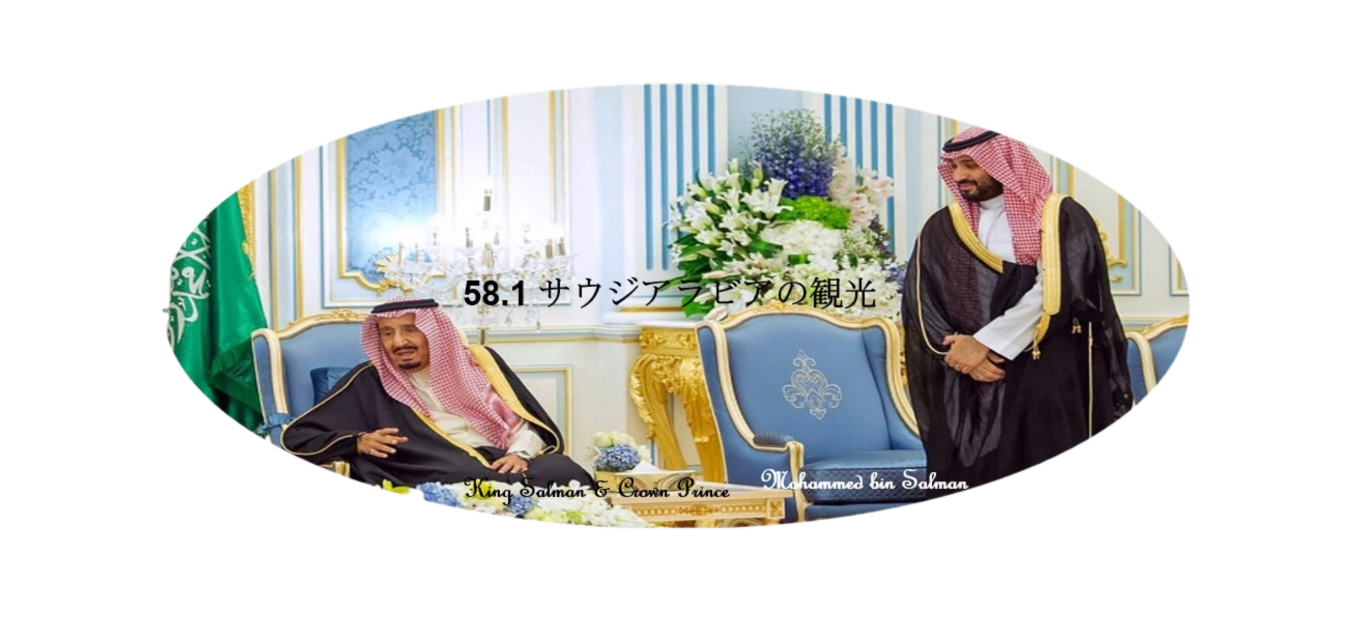
2015年にサルマーン(سلمان بن عبد العزيز)国王が即位し、ムハンマド・ビン・サルマーン(محمد بن سلمان)(現皇太子兼総理大臣)が前面に立って、汚職撲滅や宗教への政治関与の制限、宗教警察の権限縮小など、内部改革が進められました。女性の社会参加も大きく進みました。
その一方で、脱石油後を見据えた長期計画としてサウジ・ビジョン2030 (رؤية السعودية 2030)が2016年4月25日に発表され、2021年頃から本格的に進められました。
In 2015 King Salman (سلمان بن عبد العزيز) came to throne, and Mohammed bin Salman (محمد بن سلمان), now Crown Prince and Prime Minister, took leading role in reforms. Campaigns against corruption, limits on political use of religion, and reduction of powers of religious police moved forward, and women’s participation in society expanded greatly.
At same time, long term plan Saudi Vision 2030 (رؤية السعودية 2030), aimed at post oil future, was announced on April 25, 2016 and began in earnest around 2021.
観光業は多角化の柱の一つであり、第二の国家収入源となることが期待されています。観光関連の事業への投資と建設が進められ、その総額は公表されていませんが、国際的にも今世紀最大級の投資の一つと考えられています。その主な事業としては、マグナ(ماغنا)を含む「サウジ公共投資基金(صندوق الاستثمارات العامة)のギガ事業」、「サウジ国家構想2030の六大観光事業」、「NEOM 内の新しい独立した地域開発事業マグナ」、「国家構想2030に含まれるその他の観光関連の八事業」等が挙げられます。
Tourism is one of main pillars of economic diversification, and it is expected to become second major source of national income. Investment and construction in tourism projects are progressing. Total amount has not been officially announced, but it is considered one of largest investments in world in this century. Main projects include giga projects of Public Investment Fund (صندوق الاستثمارات العامة), including Magna, Magna (ماغنا) (a new independent regional development project within NEOM), six major tourism projects under Saudi National Vision 2030, and eight other tourism related projects included in Vision 2030.
a. ギガプロジェクト(和文)
a. Giga-Projects (Japanese)
| 目次 |
| 1. ギガプロジェクト |
| 1.1 ネオム |
| 1.2 キッディヤ |
| 2. 閲覧を続ける |
| 2.1 紅海・グローバル |
| 2.2 ロシュン・グループ |
| 2.3 ディルイーヤ会社 |
b ギガプロジェクト(英文)
b. Giga-Projects (English)
| Index |
| 1. Giga-Projects |
| 1.1 NEOM |
| 1.2 Qiddiya |
| 2. Continue Browsing |
| 2.1 Red Sea Global |
| 2.2 ROSHN GROUP |
| 2.3 Diriyah Company |
c. サウジ国家構想2030 6大観光事業
c. Six major Vision 2030 tourism projects
d. NEOM 内の新しい独立した地域開発事業マグナマグナ(ماغنا)
d. Magna (ماغنا) (a new independent regional development project within NEOM)
| 目次 | Index |
| 2.1 レイヤ | 2.1 Leyja |
| 2 2 エピコン | 2.2 Epicon |
| 2.3 シランナ | 2.3 Siranna |
| 2.4 ウタモ | 2.4 Utamo |
| 2.5 ノーラナ | 2.5 Norlana |
| 2.6 アクエルム | 2.6 Aquellum |
| 2.7 ザルドゥン | 2.7 Zardun |
| 2.8 ゼイナー | 2.8 Xaynor |
| 2.9 エラナン | 2.9 Elanan |
| 2.10 ギドリ | 2.10 Gidori |
| 2.11 トレヤム | 2.11 Treyam |
| 2.12 ジャウムル | 2.12 Jaumur |
e. 国家構想2030に含まれるその他観光関連8事業
e. 8 Other Tourism Projects in Vision 2030
| 目次 | Index |
| 1. ジェッダ中心地区 | 1. Jeddah Central (Downtown) |
| 2. サルマーン国王公園 | 2. King Salman Park |
| 3. ルア・アル=マディーナ | 3. Rua Al Madinah |
| 4. ジェッダ歴史地区 | 4. Jeddah Historic District (Al Balad) |
| 5. アル=スーダ開発 | 5. Al Soudah Development |
| 6. ブティック事業群 | 6. Boutique Group |
| 7. 運動大通り | 7. Sports Boulevard |
| 8. 緑のリヤード | 8. Green Riyadh |
5. 他のアラビア半島六か国でも観光投資
5. investment in Tourism In other 6 Countries of Arabian Peninsula
他のアラビア半島六か国でも積極的に観光投資が行われ、2030年の完成を目指してガルフ鉄道(سكة حديد دول مجلس التعاون لدول الخليج العربية)建設が進められ、さらに観光用大型クルーズ船の受け入れ港の整備が進んでいるので、2030年代にはアラビア半島が世界有数の観光圏となると思われます。
In other countries of Arabian Peninsula, active investment in tourism is also underway. Construction of Gulf Railway (سكة حديد دول مجلس التعاون لدول الخليج العربية), planned for completion around 2030, is progressing, and ports for large cruise ships for tourism are being developed. Because of this, Arabian Peninsula is expected to become one of leading tourism regions in world in 2030s.
 Desert peninsula