60.2 アラブ首長国連邦における伝統保護



はじめに
Introduction
| アラブ首長国連邦(الإمارات العربية المتحدة、以下UAE)における伝統保護の取り組みは、建国以降の国家形成過程と歩調を合わせながら段階的に展開してきました。UAEでは、伝統文化を単なる過去の遺産として扱うのではなく、現代社会の中で継承すべき価値として位置づけ、政策・制度の枠組みの中で保全が進められています。 | Traditional heritage preservation in United Arab Emirates (الإمارات العربية المتحدة, UAE) has developed in stages in parallel with formation of modern state. In UAE, traditional culture is not treated simply as relic of past, but positioned as value to be sustained within contemporary society through policy and institutional frameworks. |
| その過程において、まず文化財保護や文化行政を支える法制度が整備され、伝統保存の基盤が形成されました。次いで、政府主導の文化機関や博物館が設立・整備され、文化遺産を収集・保存・公開する体制が構築されてきました。さらに、UNESCOを通じた国際的な登録と評価を通して、UAEの伝統文化は国際社会の中で正当性と認知を獲得しています。 | First, legal and administrative systems supporting cultural heritage protection were established, creating foundation for preservation. Next, government led cultural institutions and museums were developed, providing structures for collection, conservation, and public access to heritage resources. In addition, international recognition through UNESCO contributed to legitimization of UAE heritage within global context. |
| 近年では、こうした制度的・国際的枠組みを背景に、フェスティバル、教育、デジタル技術を活用した現代的な継承へと重点が移りつつあります。伝統文化は、体験、学習、情報共有を通じて次世代へ伝えられる対象として再構成され、UAEにおける伝統保護は、静的な保存から動的な継承へと発展しています。 | In recent years, emphasis has gradually shifted toward contemporary forms of transmission through festivals, education, and digital technology. Traditional heritage is increasingly reshaped as subject of experience, learning, and knowledge sharing across generations. Through this process, heritage preservation in UAE has evolved from static conservation toward dynamic transmission adapted to modern conditions. |
目次
Contents
1. 急速な近代化と伝統保存の必要性
1. Rapid Modernization and Need for Preservation of Tradition
| 1971年の建国以来、アラブ首長国連邦(دولة الإمارات العربية المتحدة)は、石油資源と国際貿易を背景として急速な都市化と近代化を遂げてきました。その一方で、ベドウィン文化、イスラーム的価値観、海洋と交易の歴史を国家アイデンティティの基盤として重視し、伝統の保存を国家政策として位置付けてきました。政府公式プラットフォームでは、文化を建築、伝統的な職業、芸術、工芸、食文化、歴史的・考古学的に重要な場所、生活様式、そしてイスラームに根差した価値観を含む包括的な遺産として捉え、近代化が進む社会の中においても、UAE政府が自国の文化遺産を継続的に保全し、次世代へ継承していく方針を明らかにしています。 | Since founding in 1971, United Arab Emirates (دولة الإمارات العربية المتحدة) has experienced rapid urbanization and modernization driven by oil resources and international trade. At same time, country has emphasized Bedouin culture, Islamic values, and maritime and trade history as foundation of national identity, and has positioned preservation of tradition as national policy. Government official platform presents culture as comprehensive heritage that includes architecture, traditional occupations, arts, crafts, food culture, historically and archaeologically significant places, everyday lifestyles, and values rooted in Islam, and clarifies policy through which UAE government continues conservation and transmission of cultural heritage within context of modernization. |
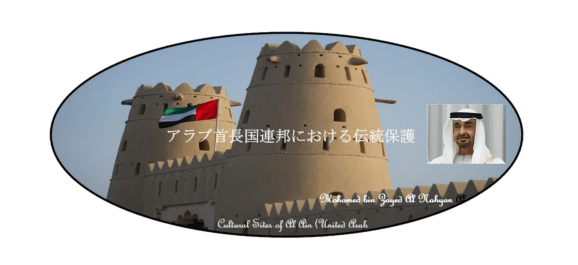
| また、政府公式プラットフォームでは、遺産保存の代表的な事例としてアル=アイン(العين)が紹介されています。アル=アインはアブダビ(أبوظبي)から内陸へ約90 kmの場所に位置し、世界で最も古くから継続的に人が暮らしてきた都市の一つとして、ユネスコ世界遺産に登録されています。かつてキャラバンが行き交った交易路上の緑豊かなオアシス都市として発展し、現在も古代の灌漑施設や要塞、オアシス景観が保存されており、沙漠環境の中で人の営みが長く続いてきた歴史を伝えています。この評価は、近代的発展と歴史的連続性を両立させながら、国家遺産を国際的な文化枠組みの中に位置付けようとするUAE政府の取り組みを裏付けるものです。 | UAE government official platform also introduces Al Ain (العين) as representative example of heritage preservation. Located about 90 km inland from Abu Dhabi (أبوظبي), Al Ain is one of world oldest continuously inhabited settlements and is recognized as UNESCO World Heritage Site. City developed as green oasis on historic caravan route connecting UAE with Oman, and still preserves ancient irrigation systems, forts, and oasis landscapes that convey long relationship between human settlement and arid environment. This recognition supports approach through which UAE government integrates historical continuity with modern development while positioning national heritage within international cultural frameworks. |
2. 法制度と国家レベルの枠組みの発展
2. Development of Legal System and National-Level Frameworks
2.1 憲法・法律による文化遺産と国家アイデンティティの基盤整備
2.1 Constitutional and Legal Foundations for Cultural Heritage and National Identity
| アラブ首長国連邦(دولة الإمارات العربية المتحدة)では、文化遺産と国家アイデンティティの維持が、国家統合を支える根幹として制度的に位置付けられています。UAE憲法は、国家統合と文化的アイデンティティの継承を重視し、伝統や文化的慣行の保護を国家の責務として明確にしています。これを具体化する形で、考古遺産や博物館に関する法律が1986年および2017年に制定され、遺跡や文化財の破壊や無断移動の禁止、文化資源の体系的な保護が進められてきました。 | In United Arab Emirates (دولة الإمارات العربية المتحدة), preservation of cultural heritage and maintenance of national identity are institutionally positioned as foundations of national unity. Constitution of UAE emphasizes continuity of cultural identity and defines protection of traditions and cultural practices as responsibility of state. In order to implement these principles, legal frameworks concerning antiquities and museums were established in 1986 and 2017, prohibiting destruction or unauthorized movement of archaeological sites and cultural properties and providing systematic protection of cultural resources. |
| 1. 文化遺産と国家アイデンティティの位置付け UAEの文化的アイデンティティは、ベドウィン社会に由来する生活様式や価値観、イスラームの教え、そして海洋と交易の歴史によって形作られています。政府は、急速な近代化を進める中でも、これらの要素を国家の基盤として尊重し、継承していくことを重視しています。 | 1. Position of cultural heritage and national identity Cultural identity of UAE is shaped by Bedouin traditions, Islamic values, and maritime and trade history. Government recognizes these elements as national foundation and emphasizes their transmission alongside rapid modernization. |
| 2. 政府による制度的関与 政府は、文化遺産の保存と振興を国家の役割として明確に位置付け、憲法理念と法律に基づく制度的枠組みの下で取り組みを進めています。文化遺産は、有形と無形を区別せず、一体的な国家遺産として扱われています。 | 2. Institutional role of government Government positions preservation and promotion of cultural heritage as state responsibility and advances related initiatives within constitutional and legal frameworks. Tangible and intangible heritage are addressed in integrated manner as national heritage. |
| 3. 国際的枠組みとの連携 UAEは、文化遺産に関する国際的な枠組みとも連携し、自国の遺産を国際社会の中で位置付ける姿勢を示しています。その一例として、アル=アイン(العين)はユネスコ世界遺産に登録され、国家遺産の価値が国際的にも認められています。 | 3. Connection with international frameworks UAE engages with international cultural frameworks and presents national heritage within global context. Listing of Al Ain (العين) as UNESCO World Heritage Site represents international recognition of this approach. |
| 4. 歴史的都市アル=アインの位置付け アル=アインはアブダビ(أبوظبي)から内陸へ約90 kmに位置し、古代から人の営みが継続してきたオアシス都市です。交易路上の拠点として発展し、現在も灌漑施設や要塞、オアシス景観が保存されており、制度的保護の下で歴史的連続性が維持されています。 | 4. Historical role of Al Ain Al Ain, located about 90 km inland from Abu Dhabi (أبوظبي), is oasis city with continuous human settlement since ancient times. Developed along historic caravan routes, city preserves irrigation systems, forts, and oasis landscapes under institutional protection. |
| 5. 文化行事と社会への浸透 政府は、文化行事や教育活動を通じて、国民や居住者が文化遺産と国家アイデンティティへの理解を深める機会を提供しています。これにより、文化遺産は日常生活の中で共有される価値として位置付けられています。 | 5. Dissemination through cultural activities Government promotes understanding of cultural heritage and national identity through cultural events and educational activities, enabling heritage to be shared within everyday social life. |
| 6. 無形文化遺産の継承 UAEでは、伝統芸能や生活文化などの無形文化遺産も重視され、社会の中で継承されるべき重要な要素とされています。これらは国家の歴史と価値観を体現するものとして、制度的枠組みの中で保護されています。 | 6. Transmission of intangible heritage Traditional performing arts and social practices are valued as essential components of national identity. These intangible elements are preserved and transmitted within institutional framework established by state. |
| 7. 現代社会との調和 こうした制度と取り組みにより、UAEは急速な近代化と文化遺産の保全を対立させるのではなく、両立させる方向性を示しています。文化遺産は過去の遺物ではなく、現代社会を支える基盤として位置付けられています。 | 7. Harmony with modern society Through these legal and institutional measures, UAE demonstrates approach that reconciles rapid modernization with preservation of cultural heritage, positioning heritage as living foundation of contemporary society. |
2.2 現代遺産への拡張に向けた国家政策
2.2 National Policy for Preserving Modern Architectural Heritage
| 近年、アラブ首長国連邦(دولة الإمارات العربية المتحدة)では、歴史的な伝統遺産に加え、独立後に形成された近代建築も文化遺産として捉える考え方が広がっています。このような流れを受け、2024年に「近代建築遺産保存の国家政策」が公表されました。この政策は、独立以降の都市発展そのものを文化史の一部として位置付け、文化遺産の対象を現代へと拡張することを目的としています。 | In recent years, United Arab Emirates (دولة الإمارات العربية المتحدة) has expanded concept of cultural heritage to include modern architectural heritage formed after independence. Reflecting this shift, National Policy for Preserving Modern Architectural Heritage was issued in 2024. Policy positions post-independence urban development as part of cultural history and demonstrates extension of heritage preservation into modern era. |
| 1. 政策の目的 本政策は、近代建築遺産を国家の文化的資産として体系的に保全することを目的としています。独立後の国家形成期に築かれた建築や都市空間は、過去と現在をつなぐ重要な歴史的記録であり、UAEの発展過程を物理的に示す存在として評価されています。 | 1. Policy Objectives Policy aims to safeguard modern architectural heritage as national cultural asset. Buildings and urban spaces constructed during era of nation building represent tangible record of development process and serve as link between past and present of UAE. |
| 2. 重点分野と主要な構成要素 政策は、連邦および首長国レベルでの法制度整備を基盤とし、近代建築遺産の記録と登録、関係機関間の連携、適応的再利用や環境配慮を含む持続可能な保全手法を重視しています。また、教育分野への反映や情報共有の促進を通じて、社会全体での理解を深めることが重視されています。 | 2. Priorities and Key Components Policy emphasizes legislative and regulatory foundations at federal and emirate levels, registration and documentation of modern architectural heritage, and coordination among relevant entities. Sustainable approaches, including adaptive reuse and environmentally conscious preservation, are promoted alongside efforts to integrate modern architectural heritage into education and public awareness. |
| 3. 期待される成果 本政策の実施により、近代建築遺産の管理と保全体制の向上が期待されています。併せて、国際的な文化遺産登録の促進や、持続可能な都市開発の推進、文化遺産に対する市民の認識向上への貢献が見込まれています。 | 3. Expected Outcomes Implementation of policy is expected to enhance management and preservation of modern architectural heritage. Policy also contributes to international recognition of cultural assets, promotion of sustainable urban development, and increased public understanding of value of modern architectural landmarks. |
| 4. 想定される対象層 この政策は、政府機関をはじめ、建築家や都市計画関係者、開発事業者や不動産所有者など、近代建築や都市空間の形成に関わる幅広い主体を対象としています。これにより、近代建築遺産の保全が行政施策にとどまらず、社会全体で共有される取り組みとして進められることが意図されています。 | 4. Target Audience Policy addresses wide range of stakeholders, including government entities, architects, urban planners, developers, and property owners. Through engagement of these groups, preservation of modern architectural heritage is advanced as shared national effort rather than isolated administrative measure |
3. 政府機関と制度的取り組み
3. Government Institutions and Institutional Initiatives
| アラブ首長国連邦(الإمارات العربية المتحدة、以下UAE)では、伝統文化の保存と継承を国家的課題として位置づけ、政府主導による専門機関と制度的枠組みの整備が進められてきました。連邦および各首長国レベルにおいて、伝統文化の研究、保存、教育、展示を担う組織が設立され、文化遺産を体系的に扱う体制が形成されています。 | In United Arab Emirates (الإمارات العربية المتحدة, UAE), preservation and transmission of traditional culture are treated as national priority, leading to establishment of government led institutions and institutional frameworks. At federal and emirate levels, organizations responsible for research, preservation, education, and presentation of heritage have been created, forming structured system for cultural heritage management. |
| アブダビ文化観光局(دائرة الثقافة والسياحة – أبوظبي)、シャールジャ文化遺産研究所(معهد الشارقة للتراث)、ドバイ文化芸術局(هيئة الثقافة والفنون في دبي)などの機関は、地域ごとの特性を踏まえながら、伝統文化の調査、記録、教育普及を担っています。 | Institutions such as Department of Culture and Tourism–Abu Dhabi (دائرة الثقافة والسياحة – أبوظبي), Sharjah Institute for Heritage (معهد الشارقة للتراث), and Dubai Culture and Arts Authority (هيئة الثقافة والفنون في دبي) conduct documentation, conservation, and educational activities aligned with regional characteristics. |
| また、国立公文書館・国立図書館(الأرشيف والمكتبة الوطنية)は、歴史文書や写真、口承史の収集とデジタル化を行い、教育や研究に活用可能な形で公開しています。さらに、ザイード国立博物館(متحف زايد الوطني)は、先史時代から現代までのUAE史を提示し、建国の父シェイク・ザイード(الشيخ زايد)の価値観と伝統の継続性を示す文化拠点として位置づけられています。 | National Library and Archives (الأرشيف والمكتبة الوطنية) contributes by collecting and digitizing historical documents, photographs, and oral history, and by making them accessible for education and research. Within this framework, Zayed National Museum (متحف زايد الوطني) serves as cultural hub that presents history of UAE from prehistoric period to present, emphasizing continuity of values associated with Sheikh Zayed (الشيخ زايد) and state formation. |
3.1 文化保存機関の設立と役割
3.1 Establishment and Roles of Cultural Heritage Institutions
3.2 博物館と国家的文化拠点
3.2 Museums and National Cultural Hubs
4. UNESCOと国際的承認
4. UNESCO and International Recognition
| アラブ首長国連邦(الإمارات العربية المتحدة、以下UAE)は、伝統文化の保存を国内政策の枠組みにとどめず、UNESCOなどの国際的な枠組みの中で展開しています。UAEは、文化遺産の国際的承認を重視し、関連条約の批准と文化遺産登録を継続して進めてきました。 | United Arab Emirates (الإمارات العربية المتحدة, UAE) promotes preservation of traditional culture not only within domestic policy, but also within international frameworks such as UNESCO. UAE places importance on international recognition of cultural heritage and continues ratification of related conventions and registration of cultural heritage. |
| 無形文化遺産については、UAEは2005年にUNESCO無形文化遺産保護条約を批准しました。その後、アル=アヤーラ(الأهلة)(伝統舞踊)、タグルーダ(التغرودة)(詩の詠唱)、アル=サドゥ(السدو)(伝統織物)、ナツメヤシ(نخلة التمر)文化など、湾岸地域の生活と深く結び付いた無形文化遺産が登録されています。 | For intangible cultural heritage, UAE ratified UNESCO Convention for Safeguarding of Intangible Cultural Heritage in 2005. After ratification, several elements closely connected to daily life and traditions of Gulf region were registered, including Al Ayala (الأهلة) traditional dance, Taghrooda (التغرودة) poetic chanting, Al Sadu (السدو) traditional weaving, and date palm (نخلة التمر) culture. |
| 有形文化遺産についても、UAEは2001年にUNESCO世界遺産条約を批准しました。2011年には、UAEで初めて、かつ長期間唯一の世界遺産として、アル=アイン(العين)の文化的遺跡群(ハフィート(حفيت)、ヒリ(هيلي)、ビダ・ビント・サウド(بدع بنت سعود)およびオアシス群)が登録されました。さらに2024年には、ファヤ(فايا)の先史景観が世界遺産として登録されています。現在、UAEは有形文化遺産についても、積極的に登録申請を行っています。 | For tangible cultural heritage, UAE ratified UNESCO World Heritage Convention in 2001. In 2011, Cultural Sites of Al Ain (العين), including Hafit (حفيت), Hili (هيلي), Bidaa Bint Saud (بدع بنت سعود), and oasis areas, were registered as first World Heritage site of UAE and remained only site for a long period. In 2024, Faya (فايا) Palaeolandscape was registered as World Heritage site. At present, UAE actively continues application for registration of additional tangible cultural heritage |
4.1 UNESCO無形文化遺産登録
4.1 UNESCO Intangible Cultural Heritage Registration
4.2 UNESCO有形文化遺産登録
4.2 UNESCO Tangible Cultural Heritage Registration
5. 祭りや催し物等による文化遺産の保存と継承
5. Cultural Heritage Preservation through Festivals
| アラブ首長国連邦(الإمارات العربية المتحدة、以下UAE)では、文化遺産の保存と継承を目的として、政府機関が主導するさまざまな具体的な取り組みが行われています。これらの取り組みは、文化遺産を展示物として保存するだけでなく、人々が体験し、理解し、次世代へ伝えることを重視しています。 | United Arab Emirates (الإمارات العربية المتحدة, UAE) implements various practical measures for preservation and transmission of cultural heritage under leadership of government entities. These measures aim not only at preservation, but also at enabling people to experience, understand, and pass heritage to next generations. |
| UAEでは、祭りや催し物、各種行事の開催を通じて、伝統文化が日常生活の中で実践されています。カスル・アル=ホスン・フェスティバル(قصر الحصن)、シェイク・ザイード遺産フェスティバル(مهرجان الشيخ زايد التراثي)、スルターン・ビン・ザイード遺産フェスティバル(مهرجان سلطان بن زايد التراثي)、シャールジャ文化遺産の日(أيام الشارقة التراثية)などの年次行事は、UAEの文化遺産を身近に感じる機会を提供し、特に若い世代がその価値を理解する場となっています。これらの行事は多くの来場者を集め、広く社会に受け入れられています。 | In UAE, traditional culture is practiced through festivals and public events. Annual events such as Qasr Al Hosn Festival (قصر الحصن), Sheikh Zayed Heritage Festival (مهرجان الشيخ زايد التراثي), Sultan bin Zayed Heritage Festival (مهرجان سلطان بن زايد التراثي), and Sharjah Heritage Days (أيام الشارقة التراثية) provide opportunities for people to experience cultural heritage directly. These events allow younger generations to understand value of heritage and attract large numbers of visitors. |
| また、文化遺産の調査と普及を目的とした組織として、エミレーツ遺産クラブ(نادي تراث الإمارات)やジュマ・アル=マジド文化遺産センター(مركز جمعة الماجد للثقافة والتراث)などの団体が活動しています。これらの団体は、研究活動や教育的な行事を通じて、文化遺産への理解を深める役割を果たしています。 UAEの各首長国には、伝統的な住居、学校、市場、公共空間などを再現したヘリテージ・ビレッジが整備されています。ヘリテージ・ビレッジは、過去の生活様式を具体的に示す場として機能し、かつての人々の暮らしを知る機会を提供しています。 | Organizations such as Emirates Heritage Club (نادي تراث الإمارات) and Juma Al Majid Center for Culture and Heritage (مركز جمعة الماجد للثقافة والتراث) also play important roles. These organizations conduct research and organize educational activities, contributing to wider awareness of cultural heritage. Heritage villages are established in each emirate and recreate traditional houses, schools, markets, and public spaces. These sites offer opportunities to learn about lifestyles of people in earlier periods through concrete and accessible settings. |
| 博物館もまた、文化遺産の保存と継承において重要な役割を担っています。UAE各地の博物館では、美術品、写真、生活用具、武具、海事関連器具、通貨などが展示され、歴史的建築物を活用した博物館では、空間そのものが文化遺産の一部として体験されています。 | Museums throughout UAE contribute significantly to preservation and transmission of cultural heritage. They display artworks, photographs, household items, weapons, maritime tools, currencies, and other materials. Museums located in former forts or palaces present heritage in a distinctive manner through historical space itself. |
| さらに、宗教施設の整備も文化遺産保全の一環として位置づけられています。UAEでは、多くのモスクが建設・維持管理されており、アル=ビドヤ・モスク(البدية)やシェイク・ザイード・グランド・モスク(جامع الشيخ زايد الكبير)、ジュメイラ・モスク(مسجد جميرا)などは、建築様式や歴史的意義を通じて文化的価値を伝えています。これらのモスクは、非イスラム教徒にも公開され、文化理解の場としても活用されています。 | Construction and maintenance of mosques are also part of heritage preservation. Many mosques are built and maintained across UAE, including Al Bidya Mosque (البدية), Sheikh Zayed Grand Mosque (جامع الشيخ زايد الكبير), and Jumeirah Mosque (مسجد جميرا). Architectural styles and historical backgrounds of these mosques convey cultural values, and visits by non-Muslims are welcomed to promote understanding. |
6. 近年の発展:デジタル化と教育
6. Recent Developments: Digitalization and Education
| 近年、アラブ首長国連邦(الإمارات العربية المتحدة、以下UAE)では、文化遺産の保存と継承において、デジタル技術の活用と教育との連携が重視される傾向がみられます。2025年には、文化遺産保護を目的とした27件の新たなプロジェクトが発表され、その中には、歴史資料のデジタル・アーカイブ化や、学校教育に文化遺産を取り入れる取り組みが含まれていることが報告されています。 | In recent years, United Arab Emirates (الإمارات العربية المتحدة, UAE) has placed emphasis on use of digital technology and linkage with education in preservation and transmission of cultural heritage. In 2025, twenty seven new projects related to cultural heritage protection were announced, including digitization of historical records and integration of cultural heritage into school education, as reported by public sources. |
| UAEの国立図書館・公文書館(National Library and Archives、الأرشيف والمكتبة الوطنية)は、歴史文書や写真、記録類の収集とデジタル化を進め、それらを教育機関や研究者、市民が利用可能な学習資源として公開しています。この機関の活動は、文化遺産を保存対象として保護するだけでなく、教育や学習を通じて次世代に伝えることを目的とした制度的取り組みとして位置づけられています。 文化遺産の保存とデジタル技術、教育の関係については、学術研究からも指摘されています。 | National Library and Archives (الأرشيف والمكتبة الوطنية) of UAE plays a central role in collecting and digitizing historical documents, photographs, and records, and making them available as educational resources for schools, universities, researchers, and public users. Activities of this institution indicate an institutional approach that connects heritage preservation with learning and education rather than limiting heritage to objects of conservation. |
| Kaluvilla(2024)は、UAEの図書館や大学において、デジタル・アーカイブ、人工知能、情報通信技術が文化遺産の保存と教育利用の双方に活用されていることを報告しています。これらの技術は、文化遺産へのアクセスを拡大し、学習や研究の機会を広げる役割を果たしているとされています。 | Relationship between cultural heritage preservation, digital technology, and education is also discussed in academic studies. Kaluvilla (2024) reports that libraries and universities in UAE apply digital archives, artificial intelligence, and information technology to both preservation and educational use of cultural heritage. These technologies are described as tools that expand access to heritage materials and support learning and research. |
| さらに、UAEを対象とした学術研究では、多文化人口を抱える国家が、教育制度や文化政策を通じて自文化の保持を図っている点が特徴として評価されています。Ozoral(2024)は、UAEを、多文化統合と文化遺産保全を同時に進める国家の事例として位置づけ、教育と制度が文化遺産継承において重要な役割を担っていると述べています。 | Academic evaluation of UAE further highlights its position as a multicultural society that seeks to maintain its own cultural heritage through policy and education. Ozoral (2024) identifies UAE as an example of a state pursuing multicultural integration while safeguarding cultural heritage, and emphasizes role of education and institutional frameworks in sustaining cultural identity. |

